

Let’s be real here. You’ve probably heard adorable stories about tiny dogs who fit perfectly in a handbag and steal everyone’s hearts at the dog park. What you don’t always hear? The part about finding yet another surprise puddle on your favorite rug at three in the afternoon.
Small dog breeds are incredible companions, full of personality and charm. Yet there’s something nobody really warns you about when you bring one home. Many of the toy breed dogs seem to be more difficult to housebreak than their larger cousins. It’s not just a coincidence or bad luck. Certain pint-sized pups come with unique challenges that can turn potty training into a months-long marathon instead of a quick sprint. Let’s dive in and explore which breeds might test your patience the most.
Chihuahua: The Tiny Terror of Toilet Training
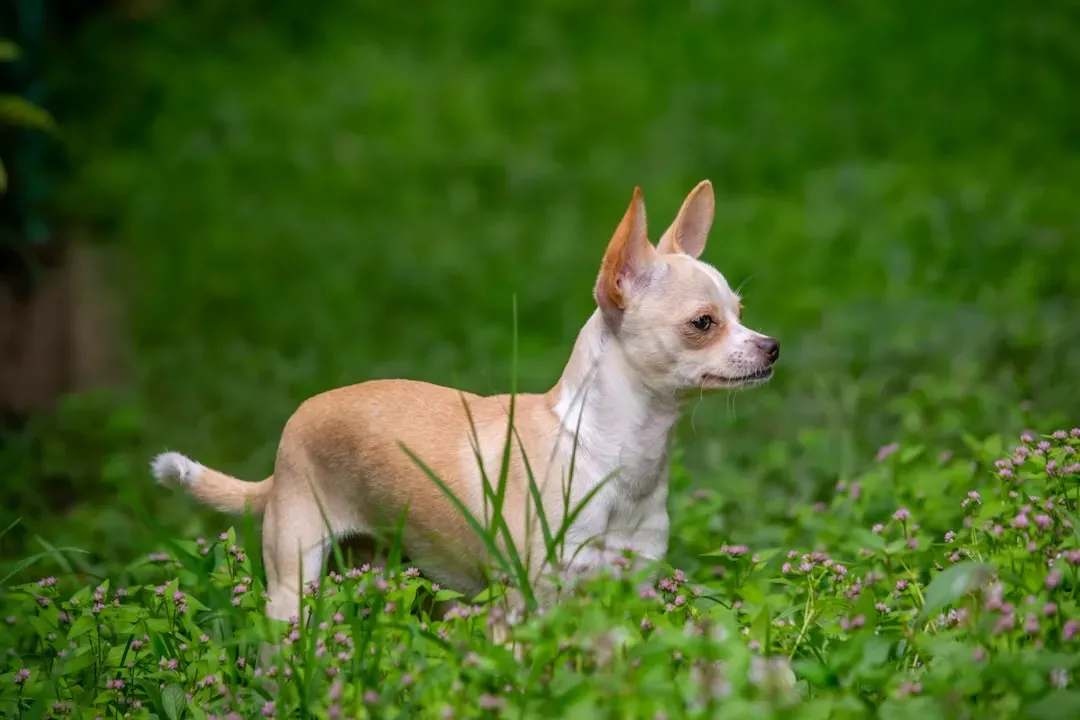
Here’s the thing about Chihuahuas. They’re confident, feisty, and absolutely convinced they’re running the show. Chihuahuas are known for urinating whenever and wherever they feel like it because they know that they’ll get away with it. Their teeny bladders mean they physically cannot hold it for long periods, which makes consistency absolutely critical.
Weather plays a surprisingly huge role too. Chihuahuas can also be challenging to potty train because “they hate going outside when it’s too cold or wet out.” Imagine trying to convince a creature smaller than most house cats to venture into freezing rain. Good luck with that.
Chihuahua are notorious for being hard to housebreak and their small size makes messes less noticeable, which can hinder training. This creates a vicious cycle where accidents go undetected, scents linger, and the behavior gets reinforced. Before you know it, your living room has become their personal restroom.
The stubbornness factor cannot be ignored. Chihuahuas can be stubborn and difficult to train. They’re smart enough to learn what you want but independent enough to question why they should care. Positive reinforcement works wonders, though punishment tends to backfire spectacularly.
Owners often make the mistake of being too lenient with these pocket-sized pooches. If you wouldn’t tolerate a Great Dane pooping all over your rugs, then you shouldn’t tolerate it from a Chihuahua either. Maintaining firm boundaries helps establish that, yes, the bathroom rules apply to everyone. Even if they only weigh four pounds.
Yorkshire Terrier: Stubborn Little Charmers
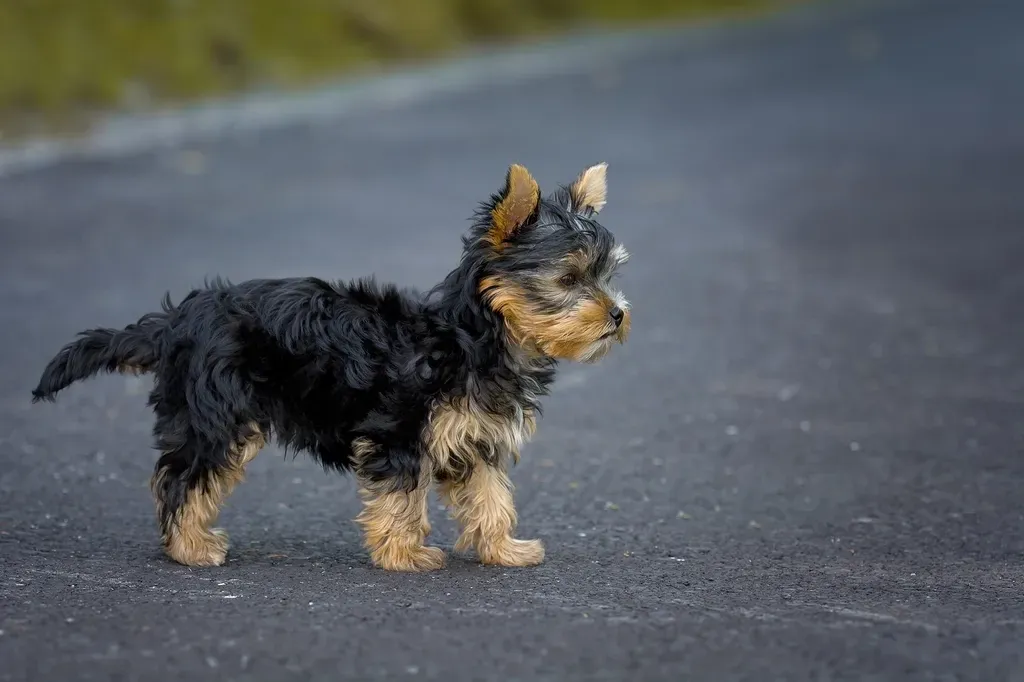
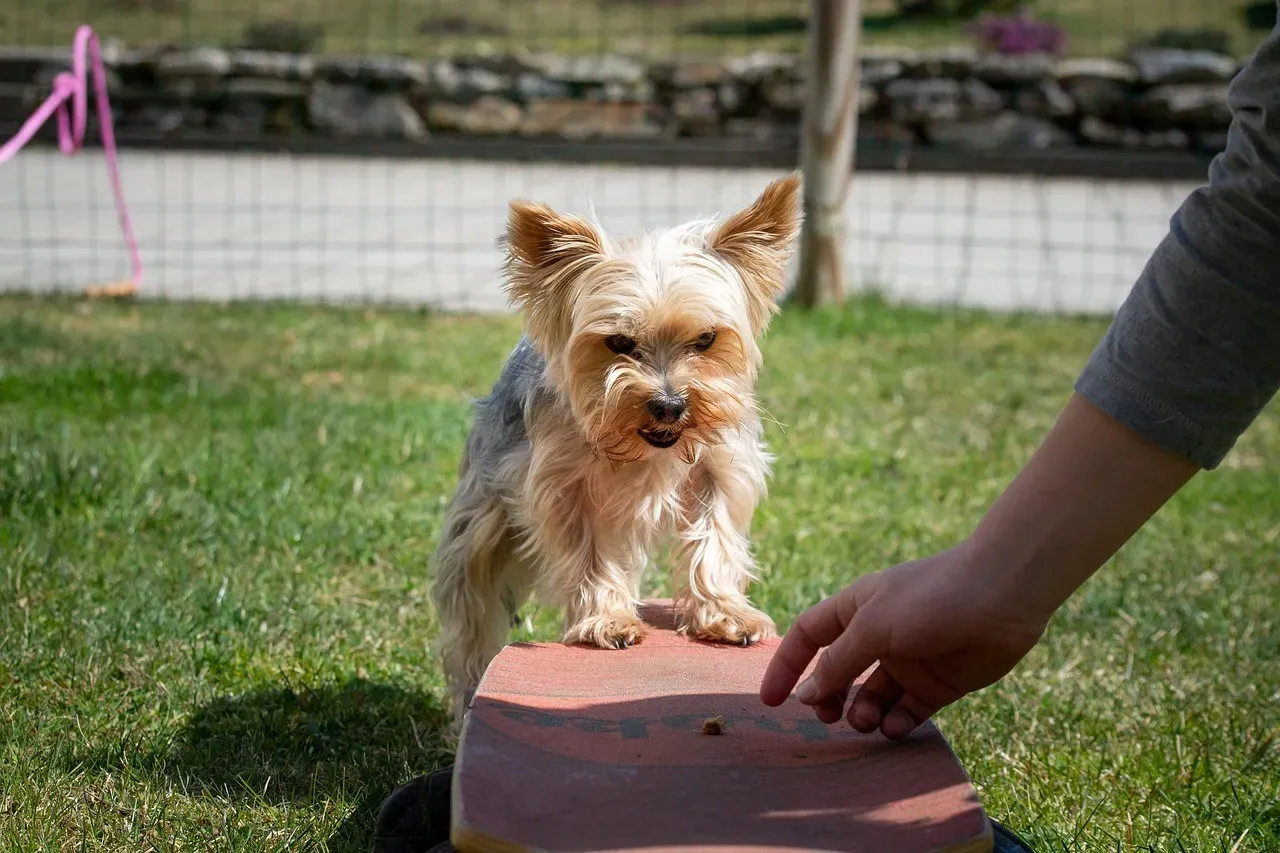
Yorkshire Terriers pack enormous personality into packages that rarely exceed seven pounds. Yorkshire terriers can be tough to potty train and these guys can also be stubborn and they are especially difficult to convince to go outside to do their business when it’s wet or cold out. Sound familiar? The weather aversion seems to be a recurring theme among toy breeds.
These teeny tiny dogs also have teeny tiny bladders, and they can’t hold it for long, making frequent potty breaks a must. Think about it this way. A Yorkshire terrier puppy’s bladder is the size of a small apricot or large grape. That’s barely enough room for anything, which means accidents are almost inevitable without a rigid schedule.
Both Yorkshire Terriers and Chihuahuas are notoriously challenging to housebreak, and the Chorkie inherits this trait. If you’re thinking about mixing these two breeds, just know you’re potentially doubling your trouble. Yorkies are intelligent and learn quickly, yet their independent streak makes them selective listeners.
Supervision becomes your best friend with this breed. Little dogs are well little and they can be sneaky and it’s easier for a small dog to sneak off into a different part of the house and use the bathroom than it would be for a large dog. They’re masters at disappearing behind furniture or into corners where you won’t notice until it’s too late.
Patience and routine work better than anything else. Yorkies respond beautifully to praise and rewards, especially when given immediately after they do their business in the right spot. Consistency isn’t just helpful with these dogs. It’s absolutely essential.
Dachshund: Independent Hounds With Selective Hearing
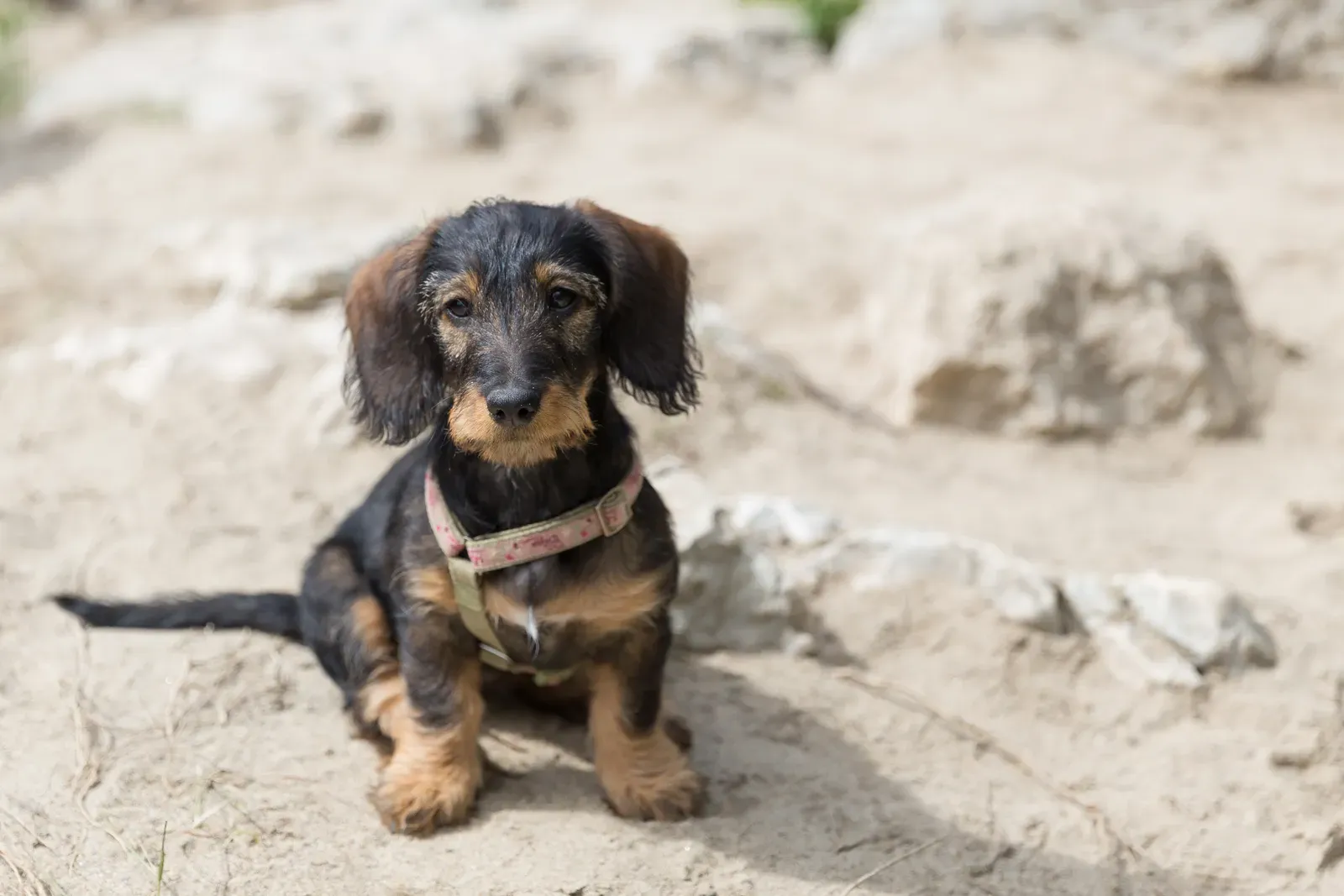
Those long bodies and short legs might look comical, but Dachshunds were bred to hunt badgers independently. Originally bred to hunt badgers alone, Dachshunds developed strong independence and persistence and combine that with their dislike for rain and a teeny-tiny bladder, and you’ve got a recipe for potty-training challenges. They’re built to make their own decisions, which rarely includes following your house rules.
Dachshund are clever hounds that can be headstrong, which makes early potty habits harder to establish. Getting them on board with your bathroom schedule requires more effort than you’d think. They’ll understand what you want. Whether they’ll cooperate is another question entirely.
Their weather sensitivity creates additional complications. Rain? Forget it. Cold mornings? Not happening. You’ll find yourself negotiating with a ten-pound dog who absolutely refuses to step outside because there’s a light drizzle. Some owners find success creating covered potty areas to eliminate weather-related excuses.
The key lies in immediate reinforcement. Dachshunds need instant feedback when they succeed, paired with high-value treats that only appear during successful bathroom breaks. Frustration shows in your tone, and these sensitive hounds will shut down completely if training feels negative.
Zody is a Chi x Dach mix, both breeds are said to be very hard to housetrain. Mixing Dachshunds with other challenging breeds compounds the difficulty. Their stubborn nature demands owners who are equally persistent and infinitely patient. Half-hearted efforts simply won’t cut it.
Pomeranian: Fluffy Bundles of Stubborn Energy
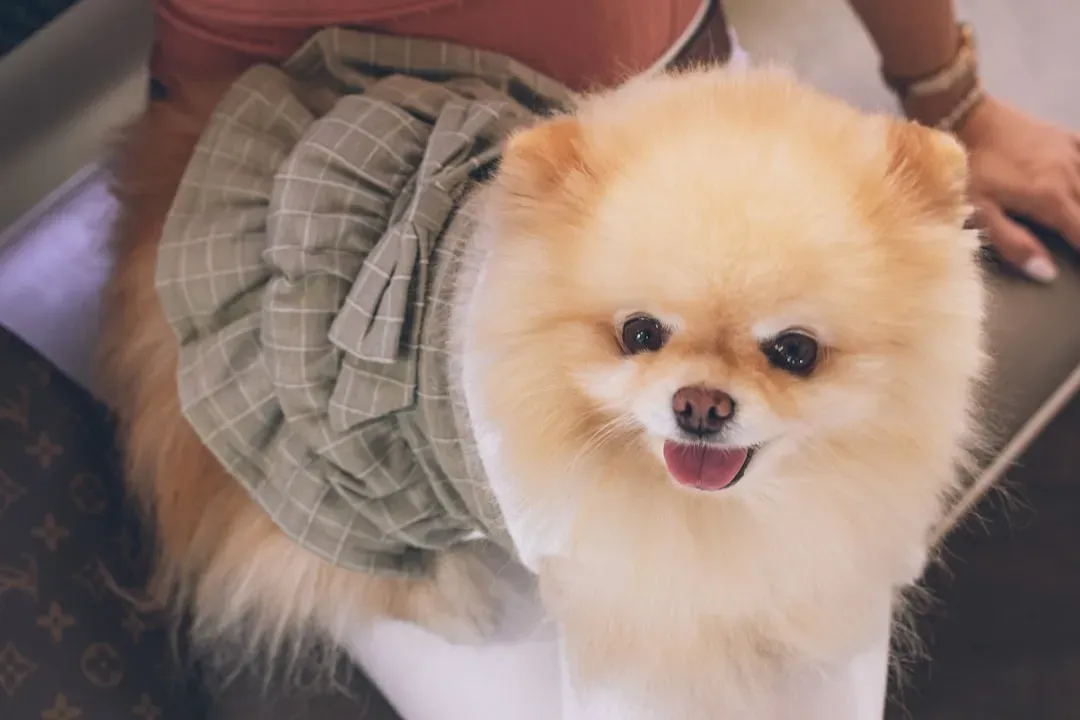
Pomeranians look like walking cotton balls, which somehow makes their accidents feel even more surprising. Pomeranian is intelligent but can be stubborn and inconsistent with potty habits. Their brains work just fine. They simply prefer doing things on their own terms and timeline.
These little fluff monsters combine high energy with short attention spans, creating a challenging mix for housetraining. Terrier breeds have high energy levels and a short attention span, making it hard for them to focus. Pomeranians share similar traits, bouncing from one distraction to another when you’re trying to establish a potty routine.
MedNet Direct says that although Pomeranians love pleasing their owners, their personalities can make them hard to train. They genuinely want to make you happy, yet their independent streak and distractibility work against them. You’ll need incredible patience and persistence to break through their selective listening.
Size matters tremendously with this breed. Smaller breeds have smaller bladders and higher metabolisms and require more frequent trips outside. Pomeranians fall squarely into this category, needing bathroom breaks far more often than their larger cousins. Missing a window by even twenty minutes can result in accidents.
Their fluffy coats also hide telltale signs that they’re about to go. You can’t always see them squatting or positioning themselves, which means you need to watch for behavioral cues like sniffing, circling, or sudden restlessness. Catching these signals early becomes crucial for success.
Shih Tzu: Charming Manipulators Who Test Boundaries
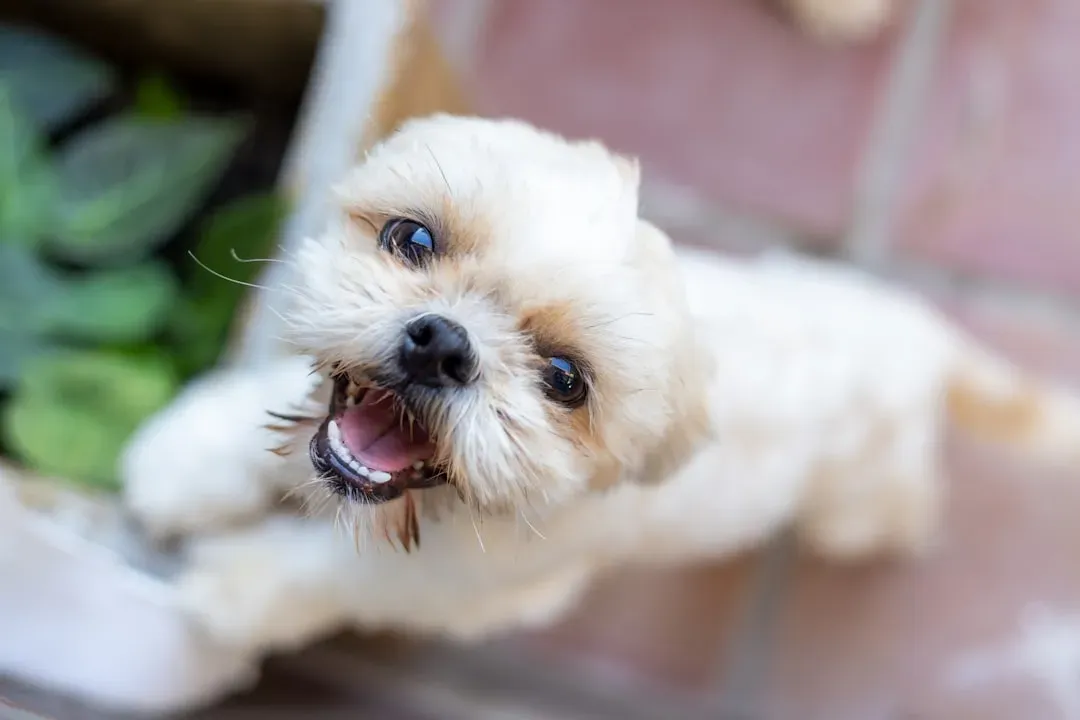
Shih Tzus were bred as companion dogs for Chinese royalty, and honestly, they’ve never forgotten their aristocratic origins. The breed tends to charm his owner into letting him have his own way, which can result in a chubby, less-than-completely-housebroken pet who is difficult to groom. They’re absolute experts at using those big eyes to avoid consequences.
Their independent nature makes them challenging students. The one thing that keeps popping up is “notoriously difficult to housetrain” considering that many of these breeds including Shih Tzu aren’t exactly what you would call unpopular. Millions of people successfully own these dogs, yet the potty training reputation persists for good reason.
Weather sensitivity strikes again with this breed. They’re not fans of getting their luxurious coats wet or dirty, which creates resistance to outdoor potty breaks during less-than-perfect conditions. Some owners find success with covered outdoor areas or indoor alternatives during bad weather.
Chi’s, yorkies, toy poodles, dachshunds, maltese, shih tzus and such tend to be a challenge. Shih Tzus consistently appear on lists of difficult-to-housetrain breeds alongside their toy breed cousins. The pattern suggests common factors related to size, temperament, and owner expectations.
Consistency breaks through their stubborn exterior better than anything else. These dogs thrive on routine and respond well to positive reinforcement when they succeed. Giving in to those pleading eyes and relaxing rules, however, sets training back considerably. They’re testing boundaries constantly, and maintaining firm consistency helps them understand expectations.
Pekingese: Ancient Lap Dogs With Modern Bathroom Problems
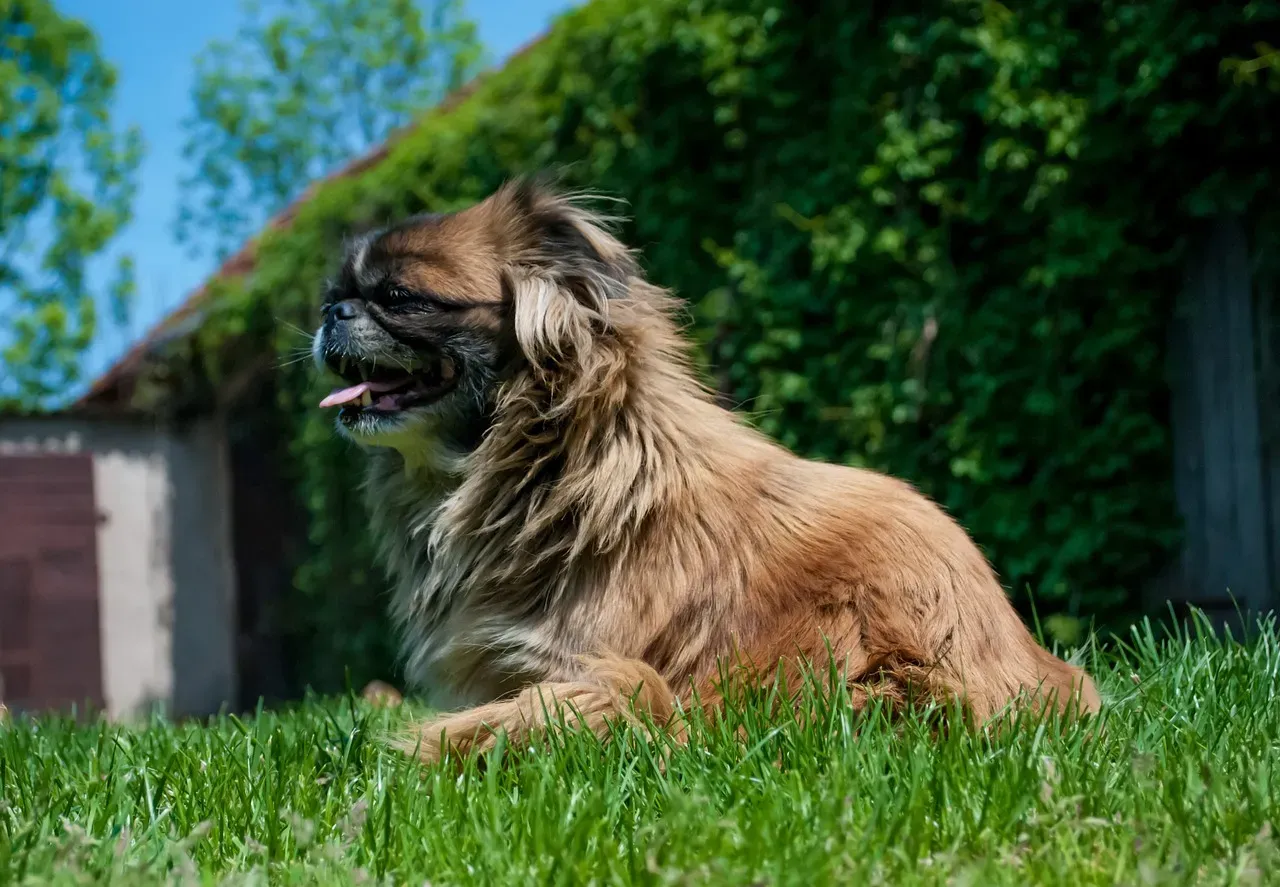
Pekingese dogs carry themselves with regal bearing, which makes sense considering their history as palace pets. Pekingese are known for their independent and sometimes stubborn nature, and they may resist litter box routines. Convincing them to follow your bathroom schedule feels like negotiating with tiny, furry monarchs.
It can take a while for a Pekingese to get to grips with where to toilet and as a very petite breed too, they may need to go more frequently than larger breeds, which means plenty of reinforcement and giving them the chance to go out regularly. Their learning curve stretches longer than many owners anticipate. Patience becomes absolutely critical.
Their physical size creates logistical challenges. Frequent bathroom breaks become mandatory because their bladders simply cannot hold much liquid. Missing scheduled trips outside almost guarantees finding surprises indoors later. Structure matters tremendously with this breed.
Independence runs deep in their personality. They’re perfectly content doing their own thing, which doesn’t always align with your housetraining goals. Establishing routines early helps, though expect some pushback from these strong-willed little dogs.
The good news? Pekingese are intelligent enough to eventually grasp what you want. The bad news? Getting there requires more time and repetition than you’d prefer. Celebrating small victories and maintaining realistic expectations helps preserve your sanity during the process.
Bichon Frise: Fluffy White Clouds With Unreliable Bladders
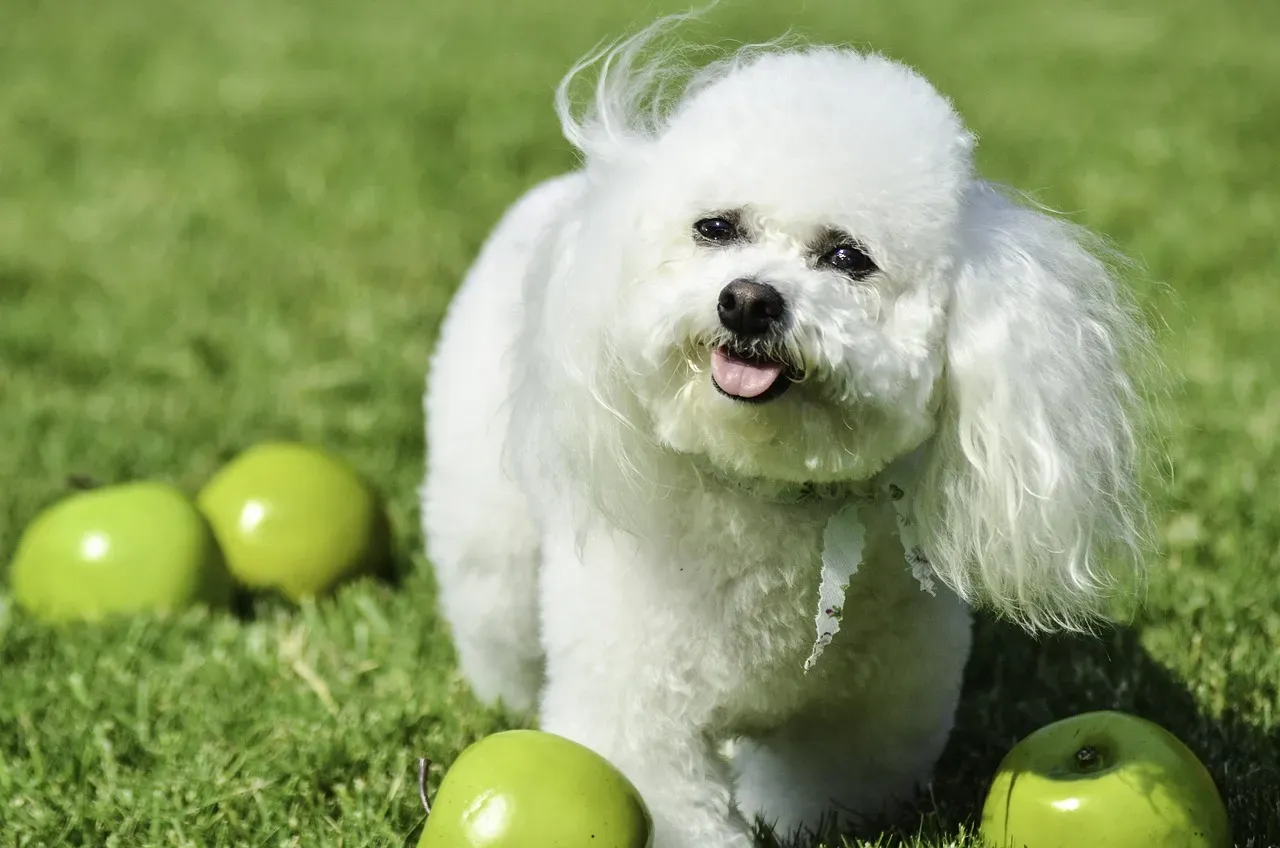
Bichon Frises look like animated stuffed animals, which somehow makes their housetraining difficulties more frustrating. The AKC says that Bichon Frises “have a reputation for being difficult to housebreak.” Their adorable appearance doesn’t excuse their bathroom behavior, though owners sometimes struggle maintaining firmness with such cute culprits.
MedNet Direct says that the breed is “fiercely independent” and “tends to be picky about going outside when it’s rainy or cold out.” Weather pickiness appears across multiple toy breeds, suggesting environmental comfort significantly impacts their willingness to cooperate. Bichons particularly dislike getting their white coats wet or dirty.
Bichon Frise though intelligent may take longer to understand and follow potty rules without consistent reinforcement. Intelligence doesn’t automatically translate to quick housetraining. These smart little dogs understand perfectly well what you want. They just need considerable convincing that following those rules benefits them.
Their small bladder capacity demands frequent outdoor trips. Small breed dogs tend to have very small bladders. Bichons require bathroom breaks every few hours, especially as puppies. Establishing and maintaining a rigid schedule becomes non-negotiable for success.
Positive reinforcement works beautifully with this breed. They bond strongly with their owners and genuinely want approval. Pairing successful bathroom trips with enthusiastic praise and special treats helps motivate them far better than punishment or scolding.
Maltese: Delicate Beauties With Sneaky Bathroom Habits
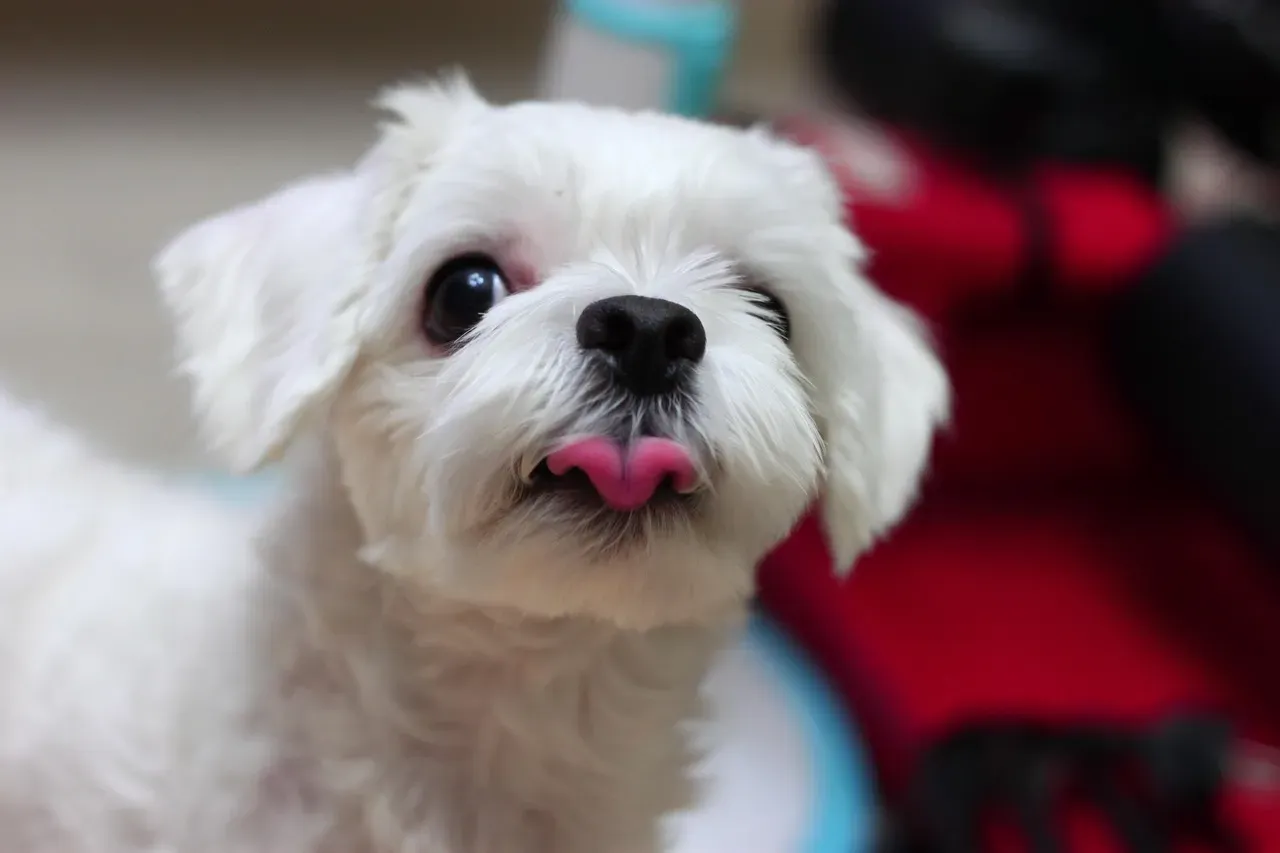
Maltese dogs embody elegance and grace in packages weighing under seven pounds. Small dogs are harder to house train as they have smaller bladders, higher relative metabolisms, less bowel control and they tend to be more difficult to monitor. Everything about their tiny size works against straightforward housetraining.
A Maltese can sneak away and pee behind the couch a bunch of times before someone notices. Their diminutive size allows them to hide in spaces larger dogs couldn’t access. They’re masters at finding secluded spots where accidents go undetected, allowing scents to build up and reinforce bad habits.
The American Maltese Association Code of Ethics requires that Maltese puppies remain in the breeder’s care until at least 12 weeks of age because this breed is particularly slow to mature, which requires them to stay longer with their mothers and littermates. Their delayed development extends to bladder control, meaning patience becomes absolutely essential.
Supervision requires hypervigilance with Maltese. The hardest part is “total” supervision as it’s so hard to keep something no bigger than a hamster in your sight at all times but therein lies the issue! Constant monitoring feels exhausting, yet it’s crucial for catching them before accidents happen.
Their accidents create less obvious messes than larger breeds. Small dogs tend to have small accidents and it’s easier to miss a tiny puddle of pee from a small dog like a Chihuahua versus a Great Dane’s accident being the size of Lake Michigan. Missed accidents mean unaddressed scents, which tell the dog that spot remains an acceptable bathroom location.
Pug: Lovable Clowns With Stubborn Streaks
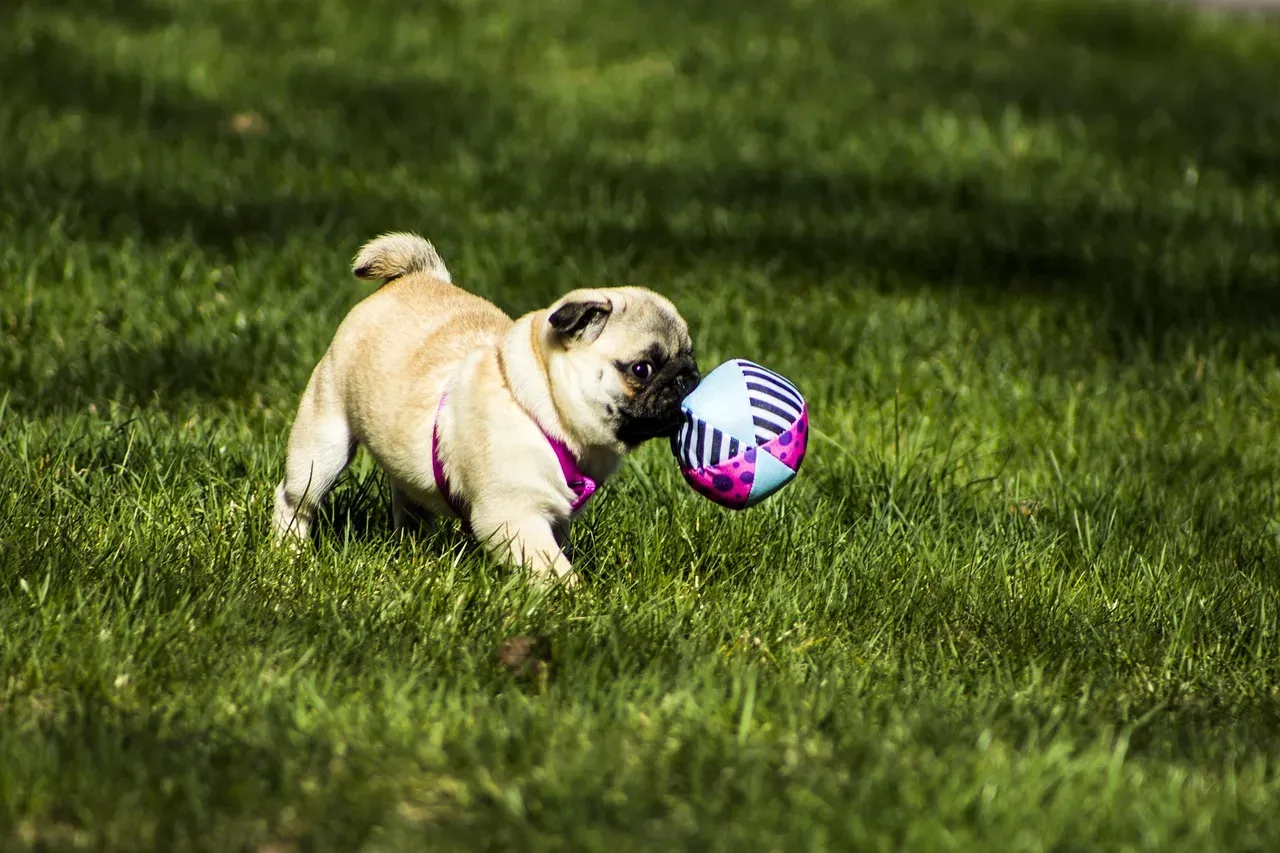
Pugs are walking personality explosions wrapped in wrinkly, snorty packages. Pugs are known for being a little more difficult to train and they can also be hard-headed and stubborn, which makes it even harder to potty train them. Their comedic nature doesn’t extend to following bathroom rules, unfortunately.
It’s best to start early with your pug training, as these dogs can often hold their bladders for about 1 hour at a time before they need to go outside. Their bladder capacity remains extremely limited, requiring owners to maintain incredibly frequent bathroom schedules. Setting timers helps avoid missing critical windows.
Their stubborn nature requires creative approaches. Traditional training methods sometimes bounce right off these determined little dogs. Finding what motivates your individual pug, whether treats, praise, or play, becomes key to establishing successful bathroom routines.
Pugs also face unique physical challenges. Their breathing difficulties mean they’re less tolerant of extreme temperatures, which can create resistance to outdoor potty breaks during hot summers or cold winters. Creating comfortable bathroom conditions helps overcome their reluctance.
Honestly, persistence wins the day with pugs. They’re not trying to frustrate you intentionally. Their combination of physical limitations and strong-willed personalities simply makes housetraining take longer than you’d prefer. Celebrating progress and avoiding frustration helps everyone survive the process.
Conclusion
Housebreaking small dog breeds presents unique challenges that larger dogs rarely share. Small dogs have a relatively high metabolism, and given their small bladder size, they may need to eliminate more frequently. Their physical limitations combine with strong personalities to create perfect storms of potty training difficulties.
Success absolutely remains possible, though. With patience and perseverance, even the smallest of dogs can be housebroken. Understanding breed-specific challenges helps set realistic expectations and develop appropriate strategies. Consistency, positive reinforcement, and maintaining firm boundaries work across all nine breeds discussed.
If the owner sets up a training schedule, sticks to it, and is diligent about preventing accidents then a toy breed will housetrain just as fast and easily as any other size dog. The difference lies entirely in owner commitment and understanding what makes these little dogs tick. They’re not defective or impossible to train. They simply require more patience, more frequent bathroom breaks, and more vigilance than their larger cousins.
Did you struggle with housebreaking your small dog, or did you find tricks that worked like magic? What’s your take on these notoriously challenging breeds?

- The Ancient Secrets of Yellowstone’s Wild Animals Revealed - August 6, 2026
- Are Some Common Pet Behaviors Actually Signs of Undiagnosed Stress? - August 6, 2026
- 8 US States With the Most Horseshoe Crab Spawning Beaches - August 6, 2026