
When a storm finally moves on and the sky goes quiet, most humans just feel relief. For dogs, though, that strange silence can be the most intense part. The pressure has shifted, the thunder stopped, but their heart is still racing, their fur is still full of static, and their brain is busy asking one question: is it really over?
If you’ve ever watched your dog in those first few minutes after a storm, you’ve probably noticed they act a little different. Some shake it off like nothing happened. Others turn clingy, restless, or suddenly obsessed with sniffing every corner of the yard. Those reactions are not random; they’re a mix of instinct, biology, and learned emotion playing out in real time.
Let’s walk through what science, behavior research, and everyday dog owners have noticed about those crucial post-storm moments. You might recognize your own dog in several of these – and maybe see a few things you never realized were signs that they were still coming down from the storm.
#9 Your Dog Freezes and Listens Like a Living Radar
🔥 Would you like to save this?
We'll email this post to you, so you can come back to it later!
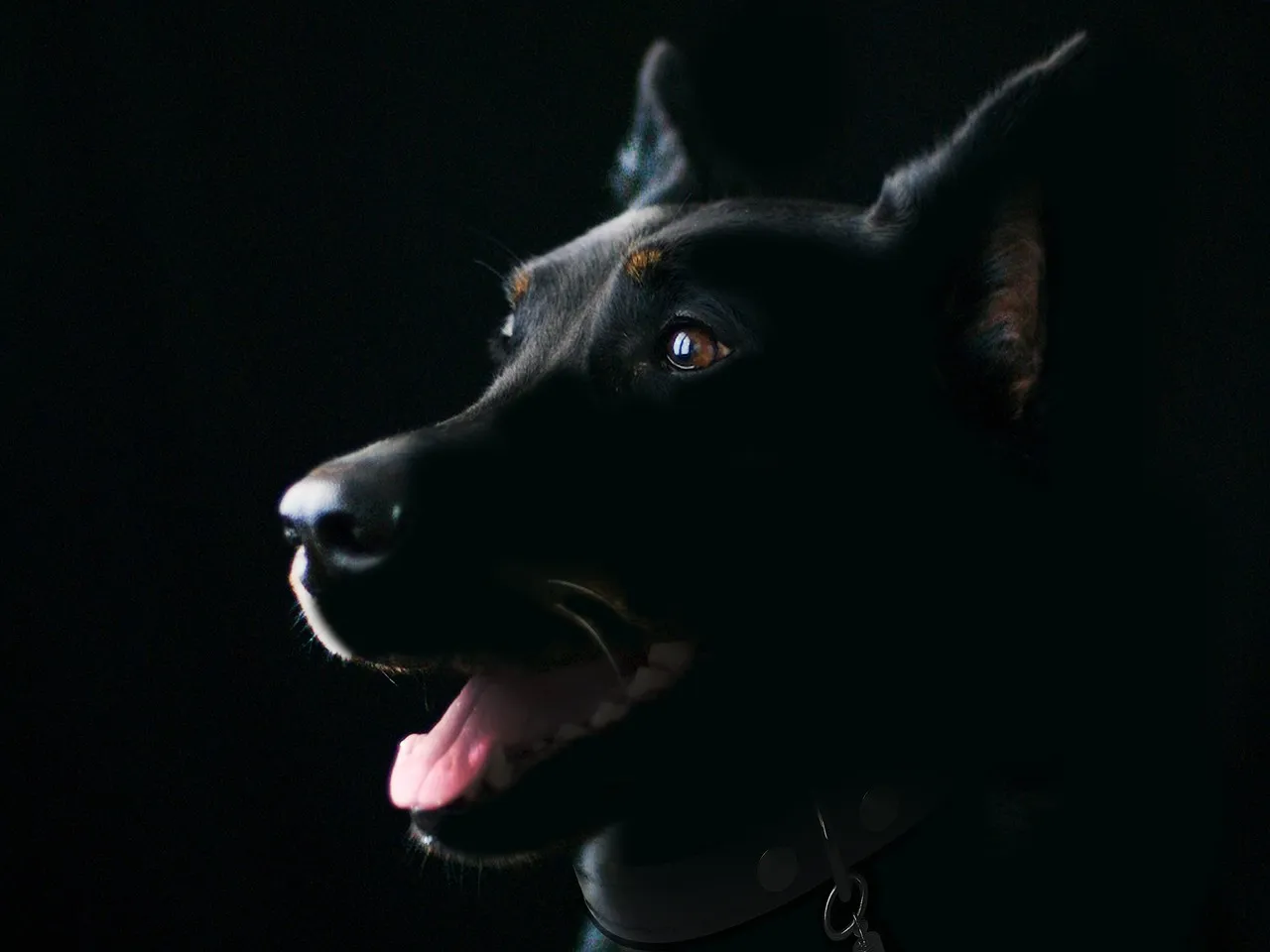
One of the first things many dogs do when the thunder stops is just…freeze. They stand in the hallway, on the couch, by the window, ears perked, eyes wide, body almost statue-still. It looks dramatic, but this is a classic survival behavior: they’re checking if the danger is truly gone or if it’s just a pause between booms.
Dogs hear frequencies we don’t and can pick up sounds that are much softer and farther away. Even after the last thunderclap you notice, your dog may still hear distant rumbles, dripping water, or branches creaking. That intense “radar mode” – ears scanning, head tilting – is their nervous system staying on high alert while their brain gathers more data.
In these moments, small signals tell you a lot: a closed mouth, slightly dilated pupils, a stiff tail, slow breathing that suddenly turns shallow when there’s a tiny sound outside. To us, the storm is over. To them, it might be more like the quiet scene in a horror movie where you’re not sure if something else is coming. That stillness is not calm; it’s controlled tension.
- Frozen posture can mean they’re still on alert, not yet relaxed.
- Fast ear movements show they’re tracking tiny sounds outside.
- They may stay in this state for a few minutes before deciding it’s safe.
#8 Your Dog Shakes It Off – Literally
🔥 Would you like to save this?
We'll email this post to you, so you can come back to it later!
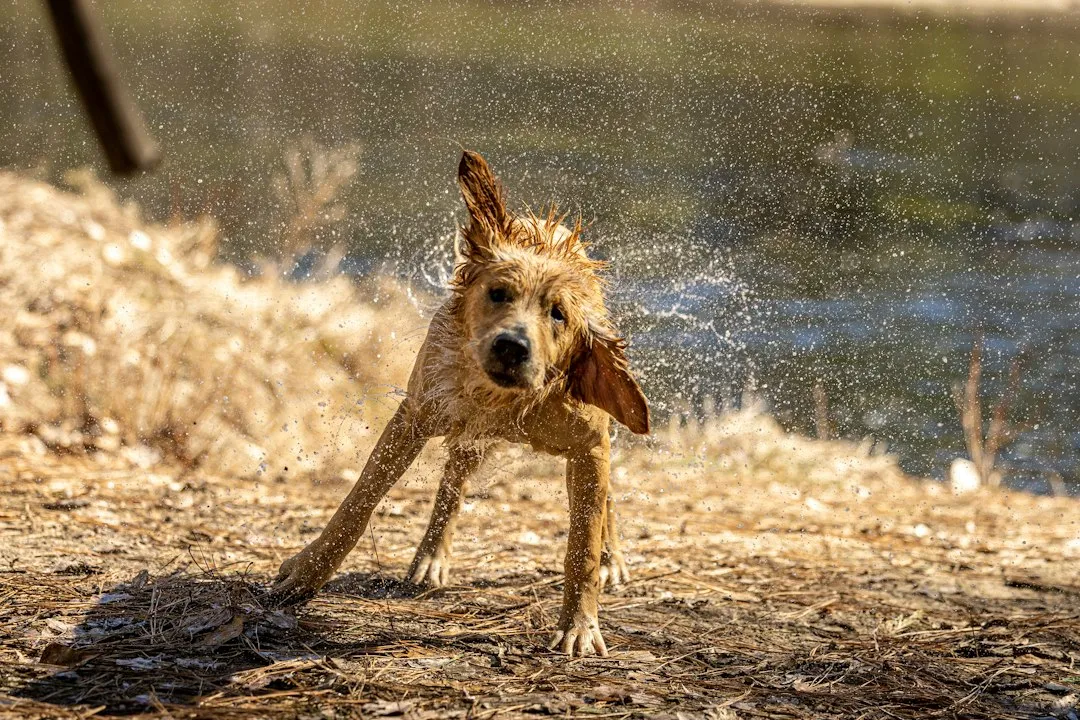
Once your dog decides the worst has passed, you may see a full-body shake, almost like they just came out of a bath. That dramatic shake is not just about drying off fur; it is the nervous system’s reset button. Research on stress in animals shows that this kind of vigorous shake helps discharge built-up tension and adrenaline.
Think about the last time you slammed on your brakes in traffic. You might have noticed your hands trembling afterward or felt the urge to take a deep breath and stretch your shoulders. Your dog’s post-storm shake is the canine version of that, only way more obvious and physical. It helps them transition from survival mode toward a more normal state.
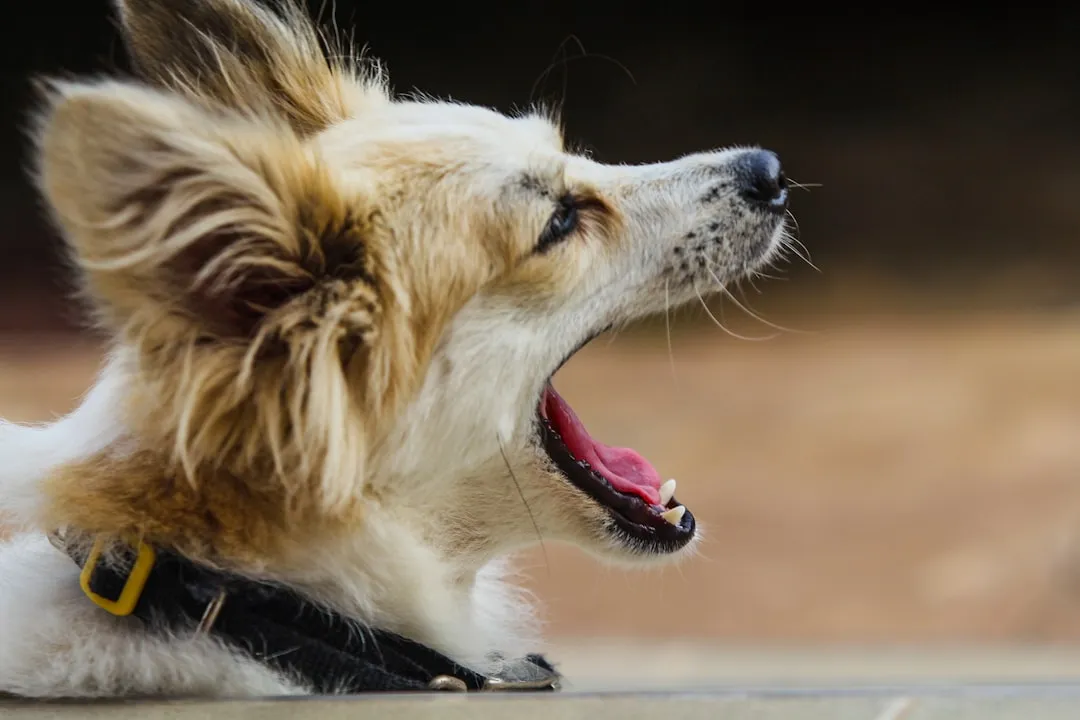
You might also see smaller versions of this: a quick head shake, a roll on the carpet, a stretch with a big yawn. Those yawns are not boredom; they’re another subtle stress-release behavior. If your dog does a huge stretch, shakes from nose to tail, then gives you that almost embarrassed look, that is a sign they’re trying to get their body and brain back to baseline.
- Full-body shakes are a healthy way for dogs to release stress chemicals.
- Yawning and stretching right after a storm often signal decompression, not sleepiness.
- Rolling on the carpet or grass can also be a sensory reset – it feels grounding after static and noise.
#7 Your Dog Becomes Extra Clingy or Follows You Room to Room
🔥 Would you like to save this?
We'll email this post to you, so you can come back to it later!
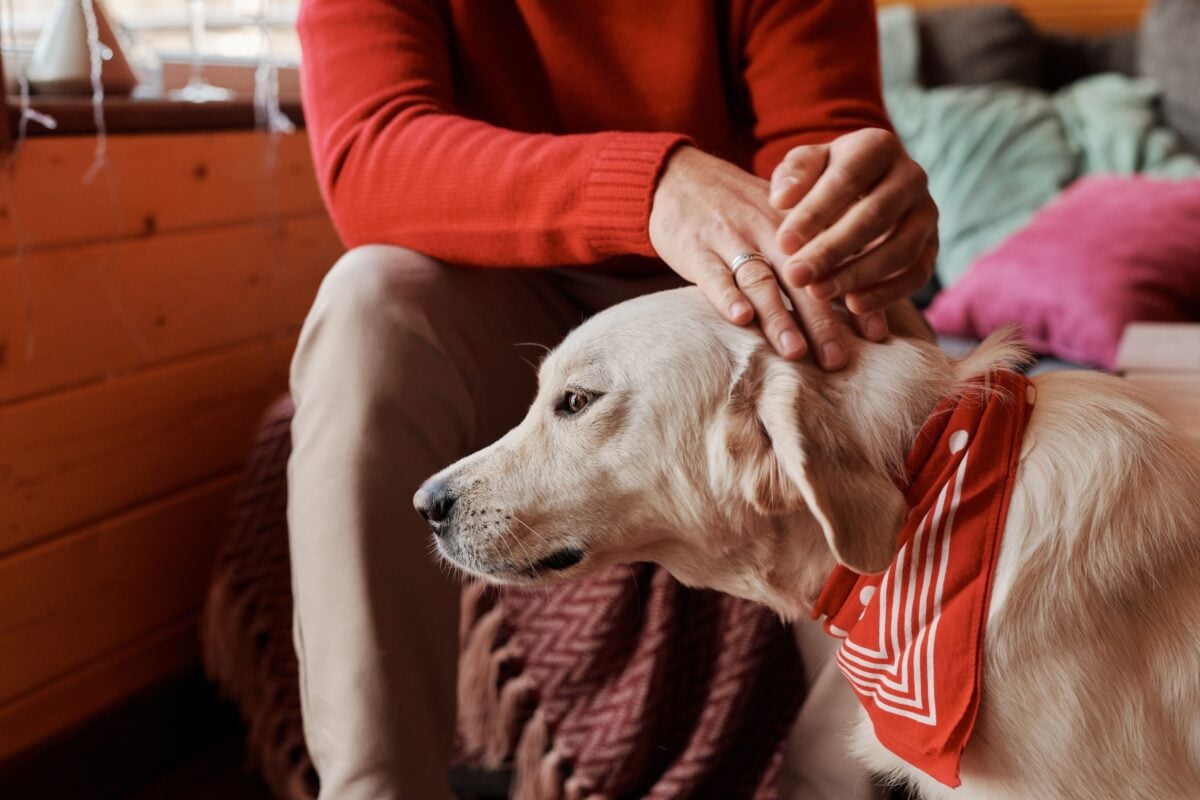
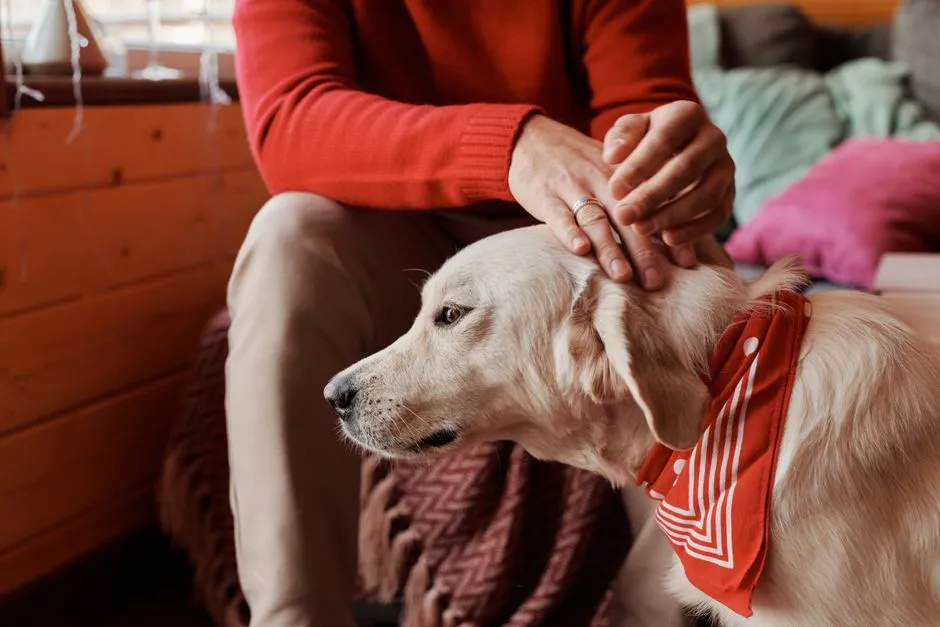
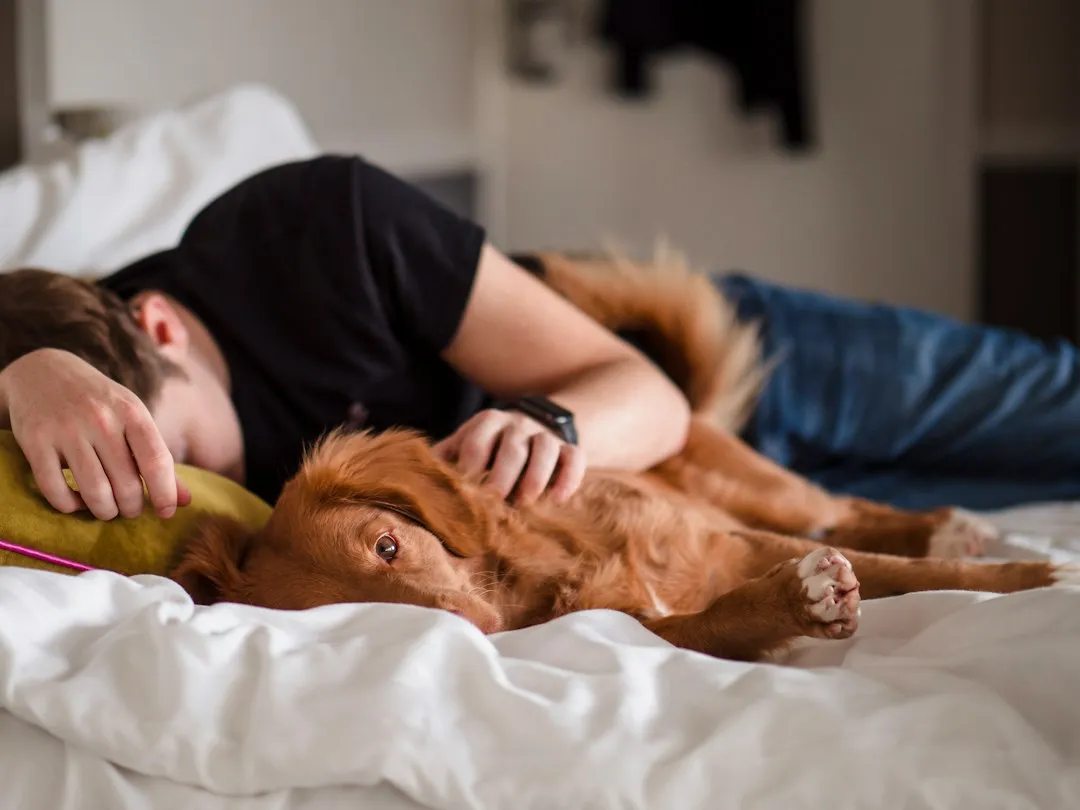
Another incredibly common behavior right after a storm: your dog turns into your shadow. They trail behind you, press their body into your legs, sit on your feet, or even lean half their weight on you. Some dogs who are usually independent suddenly act like they can’t let you out of their sight for even a minute.
This is not them being “dramatic” or “spoiled.” During storms, dogs may associate you with safety because you’re calm, warm, and relatively predictable compared to the chaos outside. After the noise stops, they’re still full of leftover anxiety chemicals, and staying close to you becomes their emotional anchor. Your scent, your voice, and your routines are like a living security blanket.
I’ve seen confident, big dogs who act like fearless guards suddenly glue themselves to their owners after a storm, watching their face constantly as if to ask, “We’re okay now, right?” That eye contact, the nudging of your hand, even pushing their head under your arm, are all attempts to reconnect and reassure themselves that the world is back in order.
- Clinginess after a storm is often a sign of trust, not weakness.
- Calm petting, slow speech, and predictable routines help dogs downshift emotionally.
- Ignoring a suddenly clingy dog can make the fear linger longer.
#6 Your Dog Starts a Full-Body Sniff Inspection of the House or Yard
🔥 Would you like to save this?
We'll email this post to you, so you can come back to it later!
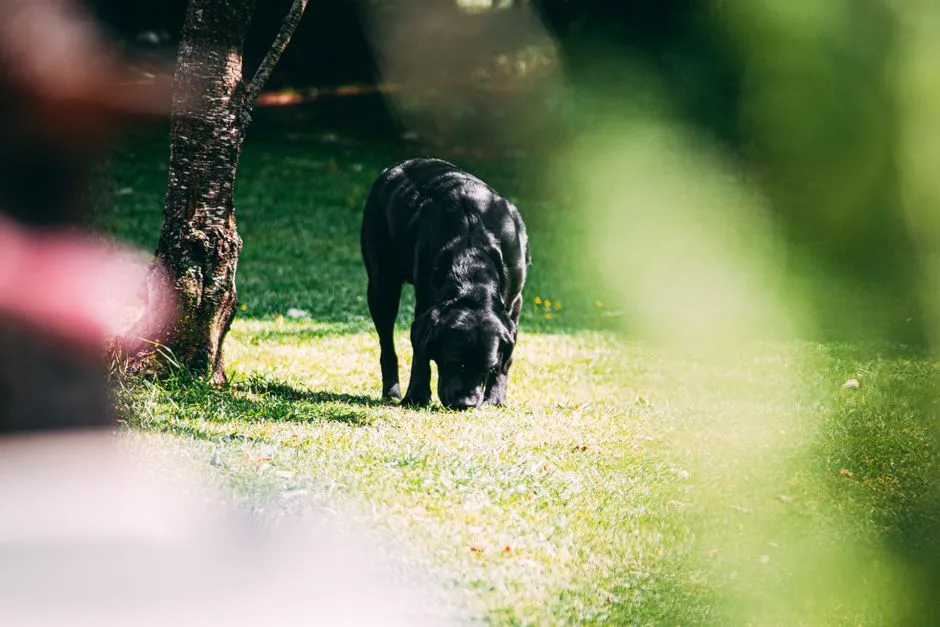
Once the storm passes, many dogs head straight into “investigator mode.” They begin sniffing doorways, windowsills, carpets, and especially the yard if you let them out. It can look random, but their nose is doing a serious post-event report. Rain changes how everything smells. Wind blows in new scents. Wet soil, leaves, and surfaces release odors that are normally faint or trapped.
Dogs experience the world mainly through scent, and weather dramatically reshapes that scent landscape. After a storm, humidity rises, and smell molecules travel differently. Your dog may detect where the water pooled, where animals passed by during or before the rain, and even subtle chemical traces from lightning-struck ground or disturbed plants.
So when they step outside and lower their nose to the grass, then pause, snuffle, move, and repeat that pattern in a grid-like way, they are not just killing time. They’re updating their internal map. It’s like when you walk around the neighborhood after a big storm, checking for fallen branches, puddles, or damage – your dog is doing the same thing, just with a much better sensor suite.
- Storms stir up new smells; sniffing helps dogs understand what changed.
- Some dogs focus on doors and windows, where outside smells were strongest.
- Others zoom straight to the yard to scan for animals, debris, or interesting new scents.
#5 Your Dog Seeks Out Safe “Dens” or Hiding Spots
🔥 Would you like to save this?
We'll email this post to you, so you can come back to it later!
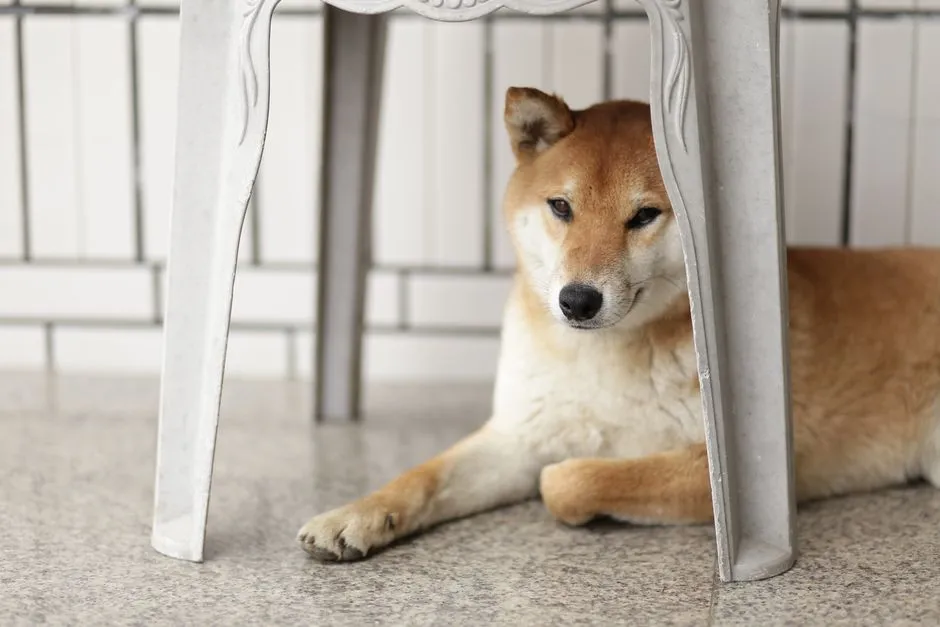
Even after the thunder stops, the fear doesn’t always vanish instantly. Many dogs keep seeking out small, enclosed spaces: under the bed, behind the couch, in the bathroom, or inside a crate. These spots feel like dens – protected, muffled, and predictable. The storm may be over, but their brain is still expecting sudden loud noises.
You might notice patterns: some dogs head to rooms with fewer windows or thicker walls, like closets or laundry rooms. The lingering echo of rain on rooftops or dripping gutters can keep them nervous, and those sheltered spots soften or block those sounds. The den becomes a transition zone between full panic and normal life.
What surprises some people is that dogs may stay in these hiding spots for a few minutes even when called, as if they’re carefully testing whether it is really safe. For a nervous dog, rushing out too soon feels risky, so they take their time. Respecting that need for a buffer, maybe just sitting quietly nearby, often helps them feel brave enough to emerge.
- Post-storm hiding is a safety strategy, not stubbornness.
- Bathrooms, closets, and under furniture all work as makeshift dens.
- Letting your dog come out at their own pace can build long-term confidence.
#4 Your Dog Performs the “Perimeter Check” Outside
🔥 Would you like to save this?
We'll email this post to you, so you can come back to it later!
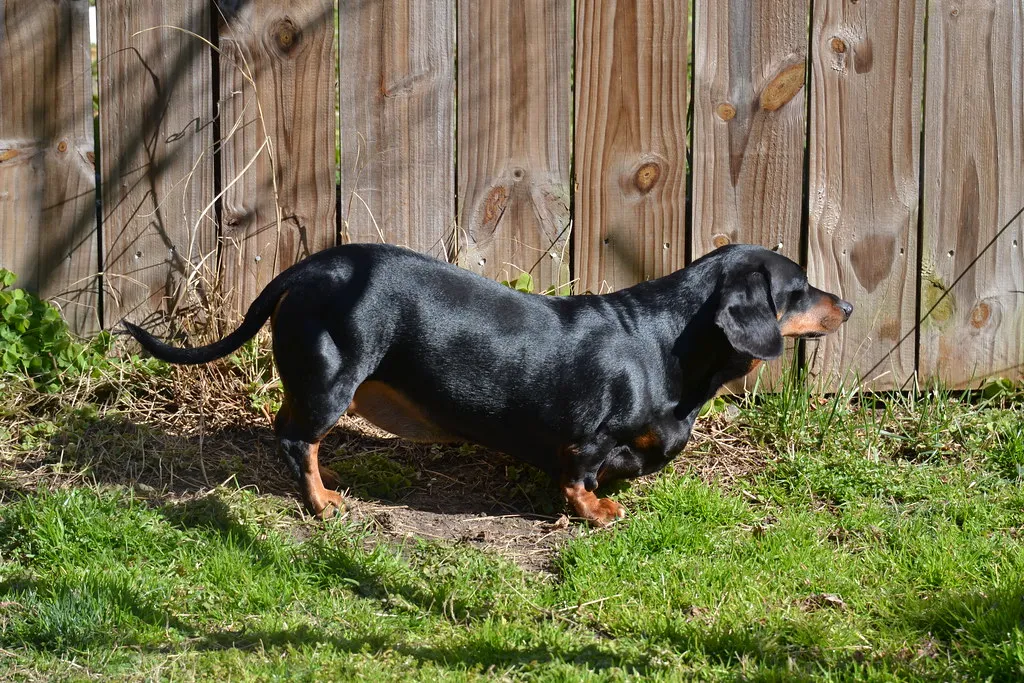
As soon as you open the door after a storm, some dogs have a clear mission: run the perimeter. They trot along the fence line, check corners, sniff posts, and visually scan the yard. This is classic territorial behavior, and storms can trigger it because strong wind and rain carry unfamiliar scents and sounds into what your dog considers their space.
From your perspective, it might just look like a quick loop of the backyard. From theirs, it is more like inspecting the walls of a castle after a siege. Has anything new appeared? Did any branches fall that change the landscape? Did another animal shelter here during the storm? They read the ground, the air, and the objects in the environment for answers.
I’ve watched dogs pause for a few long seconds at specific spots after a storm: a corner of the fence, a tree trunk, the edge of the patio. Those pauses are them processing scent information, not just zoning out. If you live in an area with wildlife, this perimeter check is even more intense. Your dog may be picking up traces of raccoons, birds, or neighborhood cats that used your yard as a temporary refuge.
- Perimeter checks are about safety and ownership of space.
- New objects (fallen branches, blown trash) can draw intense sniffing or barking.
- For confident dogs, this “inspection walk” can actually reduce leftover anxiety.
#3 Your Dog Shows “Zoomies” or Sudden Bursts of Energy
🔥 Would you like to save this?
We'll email this post to you, so you can come back to it later!
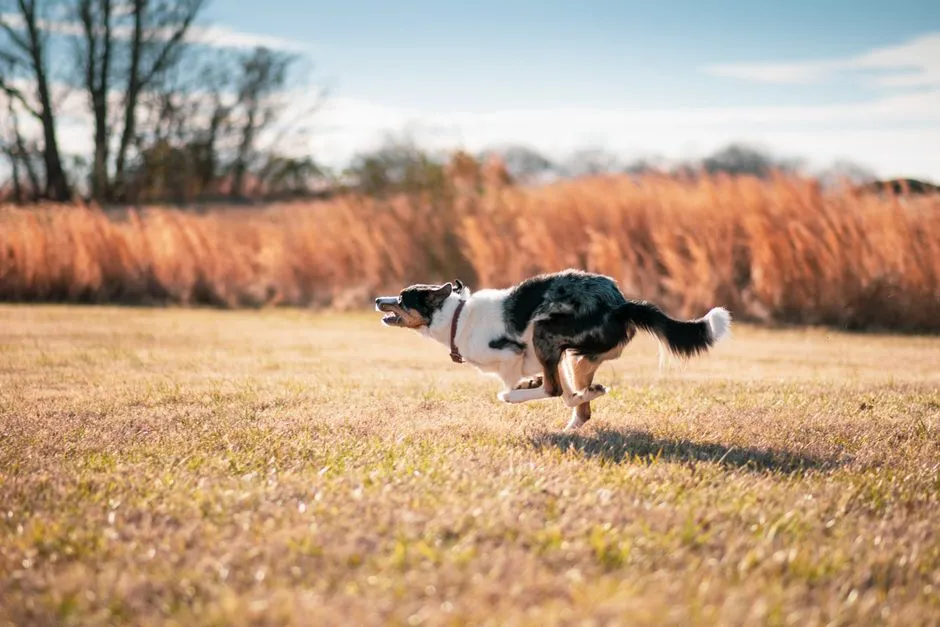
On the opposite end of hiding and freezing, some dogs explode into the famous zoomies after a storm. They race in circles, dart across the house, grab toys, or do quick sprints in the yard. This chaotic burst of energy can look silly, but it’s often a powerful stress-release mechanism. Their body has been flooded with adrenaline and tension, and movement is how they burn it off.
Zoomies after a storm are a bit like a child running outside after being cooped up inside during bad weather. The world feels open again, and their body says, “Move now.” In dogs, this is partly instinct and partly learned behavior. If racing around after stress makes them feel better, they’ll repeat it the next time something scary happens.
Of course, context matters. A dog with zoomies might also be slightly overstimulated – breathing hard, eyes bright, tail high, sometimes grabbing at your sleeves or jumping more than usual. It is joy mixed with leftover nerves. Giving them a safe space to run or a toy to redirect that energy can help channel the chaos into something more controlled and fun.
- Zoomies can be an emotional reset after feeling trapped and scared.
- Short play sessions right after a storm can help drain that excess energy.
- Watch for slipping on wet floors or overexcitement that leads to rough behavior.
#2 Your Dog Scans the Sky and Listens for Invisible Threats
🔥 Would you like to save this?
We'll email this post to you, so you can come back to it later!
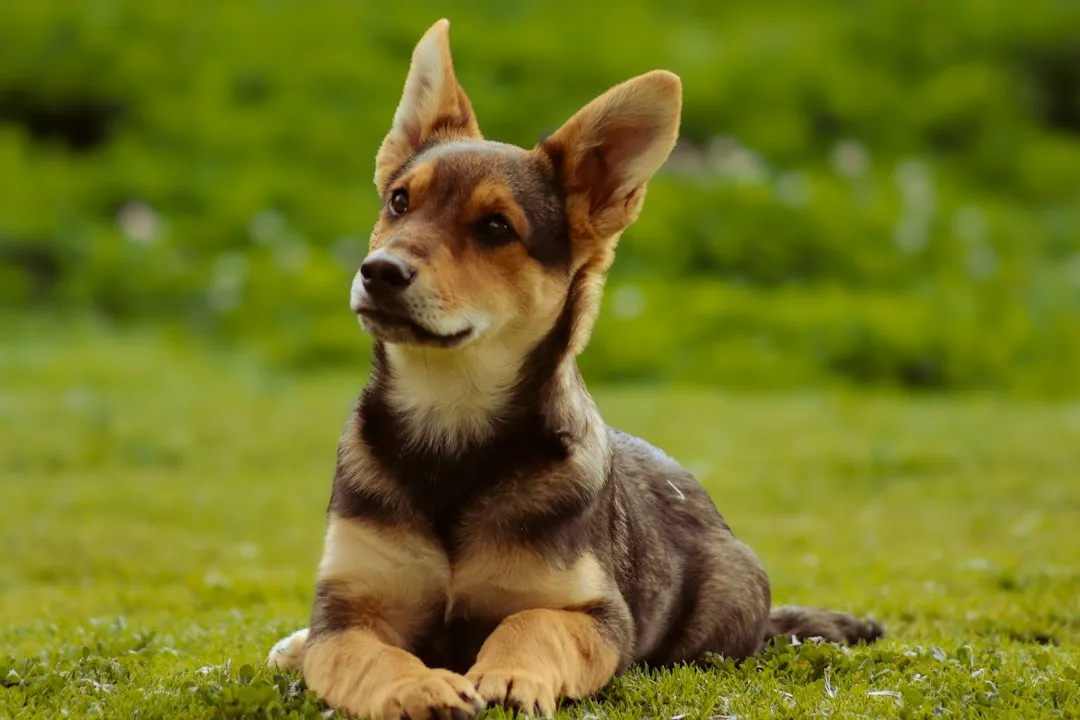
Even with the rain stopped and the sun peeking through, many dogs keep glancing upward or toward windows. They may stand in the doorway, looking at the sky, then quickly turn their head at distant sounds. Dogs do not understand weather reports, but they are experts at patterns. If the last time the sky looked like that, thunder followed, they stay suspicious for a while.
Low rumbles from faraway storms, trucks, or airplanes can extend that suspicion. To your dog, any deep, rolling sound may feel suspiciously thunder-like. Their brain doesn’t label it as “truck” or “storm”; it just groups it into loud, low-frequency noises that need attention. This can keep them mildly on edge even when you are fully convinced the danger has passed.
Some dogs show this by pacing near windows, refusing to move far from the door, or even hesitating to go outside. They are not being stubborn; they’re weighing risk. It is a quiet but powerful reminder that their experience of the world is built on senses and associations we do not always share. While we trust the weather app, they trust their ears and the last scary memory.
- Dogs may treat any low rumble as a possible return of thunder.
- Short, calm trips outside can help rebuild confidence after a rough storm.
- Reassurance plus routine is often more effective than forcing them to “get over it.”
#1 Your Dog Watches You Closely to Decide How to Feel

🔥 Would you like to save this?
We'll email this post to you, so you can come back to it later!
One of the most underrated things a dog does right after a storm is simple but powerful: they study you. They watch your body language, your tone of voice, even how fast you move around the house. In animal behavior research, this is called social referencing – looking to a trusted social partner to decide whether something is safe or dangerous.
If you sigh with relief, laugh, put on music, or start doing normal tasks again, many dogs gradually relax. On the other hand, if you’re still tense, complaining about damage, checking your phone for updates with a worried face, or pacing around, your dog may stay anxious. They are not just reacting to the storm itself; they are reacting to your reaction.
I’ve noticed that when people deliberately act extra calm right after a storm – using slow, warm voices, offering gentle touch, maybe starting a routine like preparing a meal or tidying up – their dogs settle faster. It is not magic; it is modeling. To a dog, you are both family and weather forecast. If you act as if the world is okay again, you give them permission to believe it.
- Dogs use your emotions as a guide, especially right after scary events.
- Calm routines and steady body language are more convincing than forced cheerfulness.
- Your response can shape how your dog handles the next storm, not just this one.
#0 Bonus Behavior: Subtle Signs Your Dog Is Still Coming Down From the Storm
🔥 Would you like to save this?
We'll email this post to you, so you can come back to it later!
Beyond the obvious actions – hiding, zoomies, shaking – there are softer signals that your dog is not fully recovered yet. These can appear in the minutes after a storm and are easy to miss if you are not looking: lip licking, excessive grooming, mild trembling, refusing treats they normally love, or panting even in a cool room. None of these alone are dramatic, but together, they paint a picture of lingering stress.
Sometimes, the storm leaves an emotional imprint that your dog carries for a while. Maybe they flinch at sudden household sounds more than usual or seem unusually jumpy when someone knocks on the door. Their nervous system has just been reminded that big, unpredictable noises exist, and it takes time to trust the quiet again. Just like some people stay on edge after a car alarm or a close call, dogs can take a while to fully settle.
These subtle signs are your invitation to be gentle: offer water, a comfortable resting place, maybe a chew toy or a slow, sniffy walk once things are dry. Over time, those small comforts add up. They help your dog file the storm under “scary, but survivable,” instead of “world-ending disaster.” That mental shift can change how intensely they react to the next round of thunder.
- Minor stress behaviors can linger even when the storm is long gone.
- Soft routines and safe activities help file the experience as less traumatic.
- Noticing the small shifts in behavior is one of the quiet superpowers of good dog owners.
Opinionated Conclusion: Storms Expose How Much Our Dogs Trust Us
🔥 Would you like to save this?
We'll email this post to you, so you can come back to it later!
The minutes after a storm are like a truth serum for your dog’s inner world. You see who they really are when the noise fades: the brave patroller, the shy den-hider, the clown with zoomies, or the quiet thinker who just watches and waits. None of those reactions are wrong or “bad.” They are perfectly honest responses from an animal whose senses are sharper than ours and whose life depends on reading the environment – and you – correctly.
In my view, the way we respond during and after storms says a lot about how seriously we take our dogs’ feelings. Dismissing fear as drama, laughing off panic, or forcing them to “toughen up” misses the point. Dogs do not choose how thunderstorms make them feel any more than we choose how we react to turbulence on a flight or a sudden blackout at night. What they do choose, again and again, is to turn toward us when they are scared.
If anything, storms are a reminder that our job is not just to feed and walk our dogs. Our job is to be their calm center when the world is loud and unpredictable, whether that means sitting on the bathroom floor with them, letting them follow us like a shadow, or celebrating their silly zoomies in the yard afterward. The storm always passes. The question is: what kind of memory will your dog carry from those minutes after the thunder stops?

- 7 Everyday Habits That Can Make Your Senior Dog Happier - November 5, 2026
- 10 Enigmatic Structures That Continue to Puzzle Scientists Today - November 5, 2026
- 10 Strange Ruins in the Americas That Challenge What We Know About Early History - November 5, 2026