


The mysterious world beneath the ocean’s surface has always captivated human imagination, and few creatures evoke as much wonder and curiosity as sharks. These ancient predators have roamed our oceans for over 450 million years, surviving mass extinctions and evolving into over 500 diverse species. Marine biologists and shark researchers dedicate their lives to understanding these remarkable animals, uncovering fascinating adaptations and behaviors while still grappling with enduring mysteries. From incredible sensory abilities to complex social behaviors that challenge our preconceptions, sharks continue to surprise even the most seasoned scientists. This article explores nine remarkable aspects of shark biology and behavior that fascinate researchers, along with three persistent enigmas that continue to elude scientific understanding.
The Remarkable Electroreception System

One of the most fascinating aspects of shark biology is their extraordinary electroreception system. Sharks possess specialized organs called ampullae of Lorenzini, which appear as small pores dotting their snouts. These remarkable structures can detect incredibly faint electrical fields—as low as one billionth of a volt—generated by the muscle contractions of other animals. This sensory superpower allows sharks to locate prey hidden beneath the sand or camouflaged in murky waters, essentially giving them a sixth sense that humans can barely comprehend.
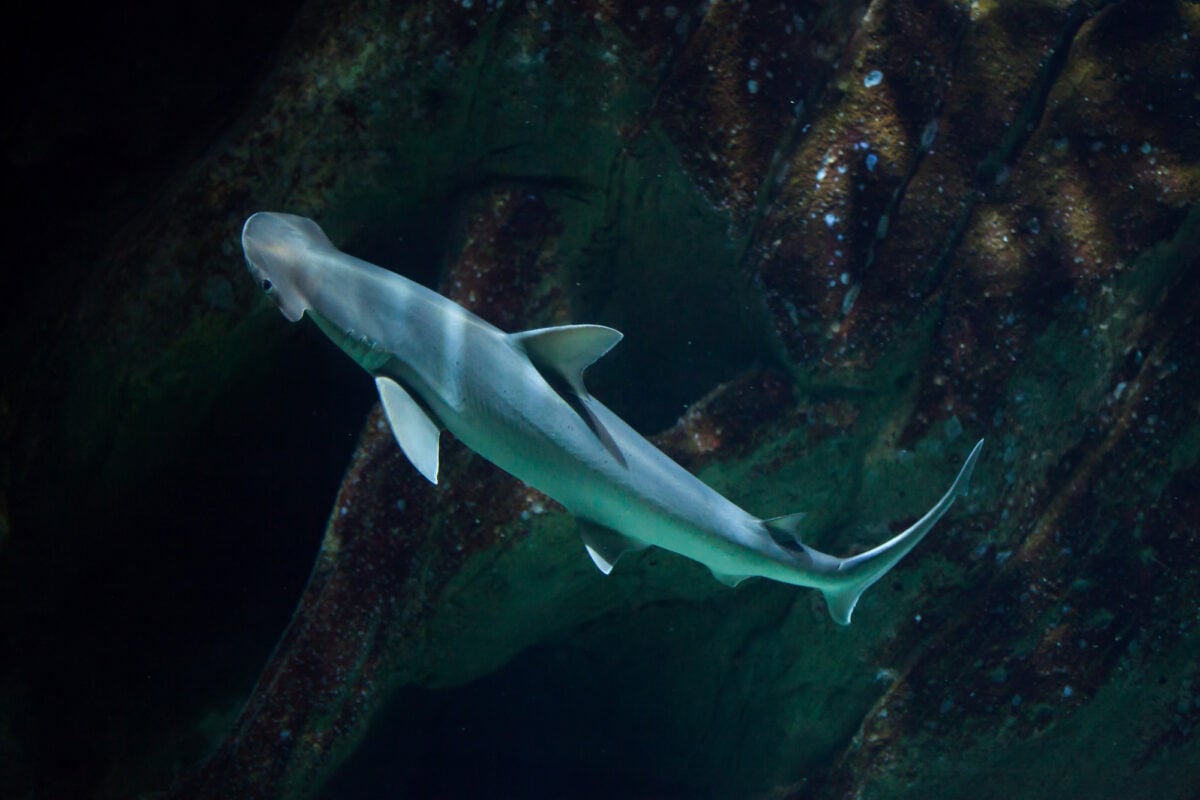
Research has shown that different shark species utilize electroreception to varying degrees, with some bottom-dwelling species like hammerheads relying heavily on this sense to locate buried prey. The hammerhead’s distinctive head shape, with ampullae spread across a wider area, may function like an antenna to enhance electroreception capabilities. Scientists are studying this system not only to better understand shark behavior but also for potential biomimetic applications in technology, such as developing better underwater navigation systems or medical devices that can detect faint electrical signals in the human body.
Incredible Healing Abilities
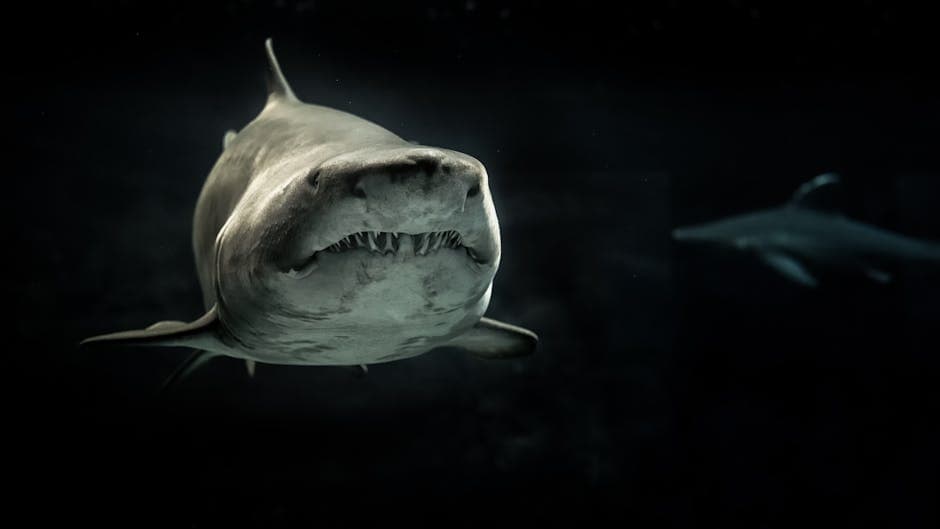
Shark researchers are continuously amazed by the remarkable healing abilities these creatures possess. Studies have documented sharks recovering from severe injuries that would be fatal to most other animals, including deep lacerations and even partial amputations. Their immune systems appear particularly adept at preventing infection, despite living in bacteria-rich ocean environments. This remarkable healing power stems from several adaptations, including specialized antibacterial compounds in their blood and a rapid tissue regeneration process that allows wounds to close quickly.
The medical implications of shark healing abilities have sparked significant research interest. Scientists have isolated compounds from shark blood that show potential for developing new antibiotics to combat drug-resistant bacteria. Squalamine, a compound first identified in shark livers, has demonstrated antimicrobial properties and is being investigated for pharmaceutical applications. Additionally, understanding how sharks regenerate tissue so effectively could potentially lead to breakthroughs in human wound healing and regenerative medicine, particularly for severe injuries or chronic wounds.
Complex Social Behaviors

Contrary to the popular image of sharks as solitary hunters, researchers have discovered increasingly complex social behaviors among many species. For example, lemon sharks demonstrate strong social preferences, consistently choosing to associate with familiar individuals over strangers. Scalloped hammerhead sharks are known to form large schools, sometimes numbering in the hundreds, particularly during daylight hours. These social gatherings appear to serve multiple purposes, including protection, coordinated hunting, and possibly mate selection.
Even more intriguing are the discoveries about shark learning through social observation. Studies have shown that some shark species can learn new behaviors by watching their conspecifics, challenging long-held assumptions about the cognitive limitations of these animals. For instance, juvenile lemon sharks have been observed learning foraging techniques from more experienced individuals. This social learning capability suggests a level of cognitive sophistication that researchers are only beginning to appreciate, opening new avenues for understanding how shark populations adapt to changing environments and pass information between generations.
Incredible Migratory Feats

The migratory journeys of certain shark species rank among the most impressive in the animal kingdom, captivating researchers who track these epic voyages. Great white sharks, for instance, undertake transoceanic migrations spanning thousands of miles with remarkable navigational precision. Satellite tagging studies have revealed that some individuals travel from the coast of California to Hawaii and back, covering over 2,500 miles each way. Even more impressive are whale sharks, which can traverse entire ocean basins, with documented journeys exceeding 12,000 miles over multi-year periods.
What particularly fascinates scientists is how sharks navigate these vast distances with such accuracy. Current research suggests they may use multiple navigational cues, including the Earth’s magnetic field, ocean currents, water temperature, and possibly even celestial cues. The “Shark Café” phenomenon—where great whites from diverse coastal areas congregate in a specific mid-Pacific region each year—remains particularly intriguing. Researchers speculate this remote meeting point may serve as a mating ground, though the precise purpose of these gatherings continues to be investigated through sophisticated tagging technology and genetic studies that reveal previously unknown connectivity between seemingly separate populations.
Sophisticated Sensory Integration

While individual shark senses are impressive on their own, researchers are particularly fascinated by how sharks integrate multiple sensory inputs to form a comprehensive picture of their environment. This multisensory integration allows sharks to transition seamlessly between different senses as they hunt. A typical predation sequence might begin with detecting prey from a distance through olfaction (smelling blood diluted to one part per billion), followed by sensing water displacement through their lateral line system, visual confirmation as they approach, and finally electroreception for the precise strike—all coordinated through complex neural processing.
The shark brain, though different in structure from mammalian brains, shows remarkable specialization for this sensory integration. Recent neurological studies have revealed that certain brain regions in sharks are dedicated to processing and combining information from multiple senses. The cerebellum, for instance, appears particularly developed in actively hunting species like makos and great whites. Advanced imaging techniques have allowed researchers to map neural pathways and better understand how sharks process environmental information with such efficiency. This research not only illuminates shark behavior but also provides insights into the evolution of sensory processing across vertebrates.
Thermoregulation in Lamnid Sharks

One of the most remarkable adaptations that continues to fascinate shark researchers is the ability of certain species to maintain elevated body temperatures in cold waters. Lamnid sharks—including great whites, makos, and porbeagles—possess a specialized vascular structure called the rete mirabile (Latin for “wonderful net”), a complex of intertwined arteries and veins that functions as a countercurrent heat exchanger. This adaptation allows these sharks to maintain muscle temperatures up to 14°C (25°F) above the surrounding water temperature, enabling them to hunt efficiently in cold, productive waters where their prey would otherwise have a speed advantage.
The evolutionary significance of this partial endothermy is particularly intriguing to scientists. It represents a unique adaptation that falls between the typical cold-blooded (ectothermic) condition of most fish and the warm-blooded (endothermic) condition of mammals. This capacity for regional endothermy appears to have evolved independently in several shark lineages, including the lamnids and separately in thresher sharks. Researchers are studying the genetic basis for this convergent evolution, as well as investigating how these sharks may be affected by ocean warming due to climate change. The specialized thermal physiology that once gave these apex predators an advantage in cold waters might potentially become a liability in an increasingly warmer ocean.
Longevity and Delayed Maturation
The extraordinary lifespans of many shark species continue to amaze researchers, with some species showing remarkable longevity that exceeds most vertebrates. The Greenland shark stands as the most extreme example, with scientific evidence suggesting these deep-dwelling Arctic sharks may live over 400 years, making them the longest-lived vertebrates on Earth. This discovery, made through radiocarbon dating of eye lens nuclei, revealed that some Greenland sharks swimming today were likely born before the Industrial Revolution. Other species, such as whale sharks and great whites, are now believed to live well into their 70s or even longer.
Paired with this exceptional longevity is a reproductive strategy characterized by extremely delayed sexual maturation. Female white sharks don’t reach reproductive age until around 33 years, while Greenland sharks may not mature until they’re over a century old. This slow life history—taking decades to reach reproductive age, then producing relatively few offspring—makes sharks particularly vulnerable to population depletion from fishing pressure. The discovery of these extended timelines has profound implications for conservation, highlighting why shark populations recover so slowly from depletion and emphasizing the importance of protective measures. Researchers continue studying the cellular mechanisms behind this extraordinary longevity, including potential anti-cancer properties and resistance to cellular senescence.
Parthenogenesis (Virgin Birth)

The discovery of parthenogenesis—reproduction without fertilization—in sharks represents one of the most surprising findings in recent shark research. This phenomenon was first documented in captive blacktip sharks in 2001, when a female that had been isolated from males for years unexpectedly gave birth. Genetic analysis confirmed the pups were the result of parthenogenesis, with the mother’s genetic material essentially combining with itself to produce offspring. Since then, this astonishing reproductive capability has been documented in several other species, including zebra sharks, bonnetheads, and white-spotted bamboo sharks.
What particularly fascinates researchers is understanding the evolutionary significance and triggering mechanisms of this reproductive strategy. Parthenogenesis appears to serve as a “last resort” reproductive method when females are unable to find mates for extended periods. However, there are significant genetic consequences—parthenogenetic offspring have reduced genetic diversity since they inherit genes only from their mother. Scientists are investigating whether this occurs in wild populations and under what circumstances it might be triggered. The discovery challenges long-held assumptions about shark reproduction and raises intriguing questions about how this mechanism might influence population dynamics and genetic diversity in increasingly fragmented shark populations affected by overfishing.
Cryptic Speciation and Biodiversity

The ongoing discovery of new shark species and cryptic speciation—where animals previously thought to be a single species are revealed to be multiple distinct species—continues to excite shark researchers. Despite centuries of scientific study, new shark species are still being discovered at a surprising rate, with over 20% of known shark species described in just the last two decades. Deep-sea environments have proven particularly rich in undiscovered diversity, with specialized research expeditions frequently returning with previously unknown species. Advanced genetic techniques have revealed that many “well-known” sharks actually comprise multiple cryptic species that look similar but are genetically distinct.
These discoveries have profound implications for conservation efforts. For example, what was once considered a widespread single species with a healthy population may actually be several distinct species with much more limited ranges and smaller populations, each potentially facing different threats and requiring tailored conservation approaches. The scalloped hammerhead was recently discovered to include a cryptic species now called the Carolina hammerhead, while the common blacktip shark comprises at least two distinct species. Researchers are working to document this hidden biodiversity before habitat loss and overfishing potentially lead to extinctions of species before they’re even formally recognized, representing a race against time to catalog the true extent of shark diversity in our oceans.
The Mystery of Deep-Sea Shark Behaviors

Despite technological advances in ocean exploration, the behaviors and ecologies of deep-sea sharks remain one of the most persistent mysteries confronting researchers. Species like the frilled shark, goblin shark, and various dogfishes spend their lives in the ocean’s twilight and midnight zones, beyond the reach of conventional observation methods. These environments, characterized by crushing pressure, near-freezing temperatures, and perpetual darkness, present extreme challenges for scientific study. Consequently, much of what we know about deep-sea shark behavior comes from rare specimens caught in fishing nets or brief observations from submersibles and ROVs (remotely operated vehicles).
Fundamental questions about these species remain unanswered: How do they find mates in the vast darkness? What are their feeding strategies and prey preferences? How often do they reproduce? The cookie-cutter shark, with its peculiar feeding strategy of gouging plugs of flesh from larger animals, exemplifies these enigmas—researchers still debate how this small shark manages to attack much larger prey like dolphins and tuna. Recent advances in deep-sea camera systems, environmental DNA sampling, and acoustic monitoring offer promise for unlocking these mysteries, but deep-sea sharks continue to guard their secrets in one of Earth’s most inaccessible environments, representing a major frontier in shark research.
The Puzzle of Great White Breeding Grounds
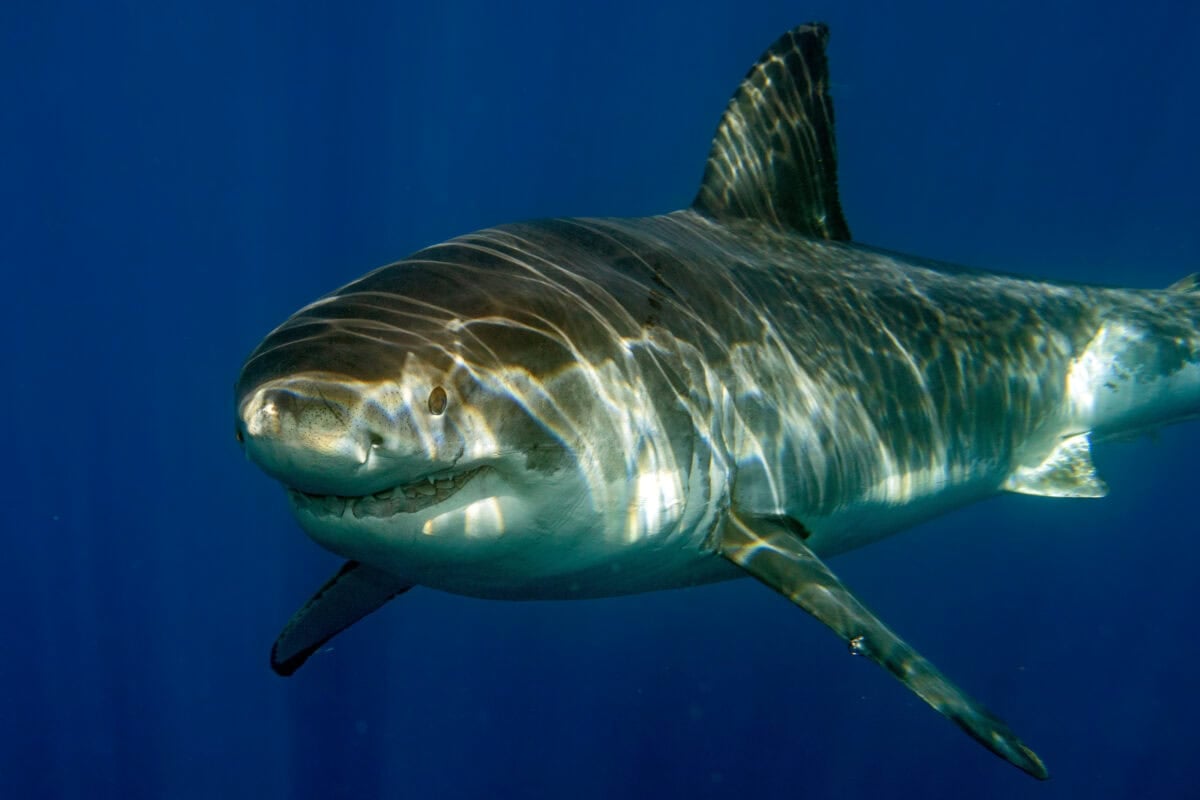
One of the most enduring mysteries in shark research is the location of great white shark breeding grounds. Despite being one of the most studied shark species, no one has ever documented great white sharks mating or giving birth in the wild. Scientists have hypothesized that these activities occur in deep offshore waters, away from coastal areas where most research takes place, but definitive evidence remains elusive. This knowledge gap is particularly frustrating because understanding breeding habitats is crucial for effective conservation of this vulnerable species. Without identifying these critical areas, they cannot be properly protected from fishing pressure and other human impacts.
What makes this mystery especially perplexing is that researchers have successfully tracked pregnant females to certain regions, such as the “White Shark Café” in the mid-Pacific, only to lose track of them before they give birth. Young white sharks later appear in what are called “nursery areas” in shallow coastal waters, but the connection between these nurseries and the actual birthing locations remains unconfirmed. Recent genetic studies comparing DNA from sharks across different regions have provided some clues about population structure and potential breeding patterns, but the actual mating grounds remain shark research’s equivalent of finding a needle in a haystack—if the haystack covered 70% of the planet’s surface. This enduring mystery highlights how much remains unknown about even our most iconic ocean predators.
The Enigma of Mass Mortality Events

Unexplained mass mortality events among certain shark species present another confounding puzzle for researchers. Periodically, large numbers of sharks are found dead or dying with no obvious cause, washing ashore in what appear to be synchronized die-offs. One notable example occurred in San Francisco Bay in 2017, when hundreds of leopard sharks, bat rays, and other elasmobranchs washed ashore dead or disoriented. Despite extensive investigation, scientists could only speculate about potential causes, including harmful algal blooms, bacterial infections, or environmental contaminants. Similar events have been documented with other species in different locations worldwide, often without conclusive explanations.
What particularly perplexes researchers is why these mortality events affect some shark species while sparing others in the same waters. The potential roles of environmental stressors, pathogens, toxins, and climate change factors create a complex web of possible interactions that are difficult to disentangle. Furthermore, because most sharks die at sea and sink rather than wash ashore, documented mortality events likely represent only a fraction of actual deaths, making pattern recognition extremely challenging. As ocean conditions continue to change due to human influences, understanding these die-offs becomes increasingly urgent. Researchers are developing more sophisticated environmental monitoring systems and rapid response protocols to better investigate future events, hoping to solve this concerning mystery before it impacts already vulnerable shark populations.
Conclusion: The Continuing Adventure of Shark Research

The field of shark research stands at an exciting crossroads, where cutting-edge technology is illuminating aspects of shark biology and behavior that remained hidden for centuries, while fundamental mysteries continue to challenge our understanding. The nine fascinating aspects of shark biology discussed—from their remarkable sensory systems and healing abilities to their complex social lives and reproductive adaptations—highlight why these ancient predators continue to captivate scientists and the public alike. At the same time, the persistent enigmas surrounding deep-sea behaviors, breeding grounds, and unexplained mortality events remind us of how much remains to be discovered. As shark populations face unprecedented threats from overfishing, habitat loss, and climate change, the race to understand these magnificent creatures takes on new urgency. The future of shark research promises continued surprises and revelations that will not only expand our scientific knowledge but also inform conservation efforts crucial for ensuring that these evolutionary marvels continue to patrol our oceans for millennia to come.

As a little kid, I fell in love with nature, wildlife, and animals. Living in the USA, South Africa, Italy, China and Germany gave me the opportunity to discover the world's Wildlife. My favorite animals are Mountain Gorillas, Siberian Tigers, and Great White Sharks.
I'm a certified PADI Open Water Diver, went to Everest Base Camp and Trekked Gorillas in Uganda. I hold a Master of Science in Economics and Finance.
Please send any feedback to feedback@animalsaroundtheglobe.com
- 10 Dogs That Love to Run And 3 That Prefer the Couch - July 21, 2026
- 15 Spider Adaptations That Defy Logic - July 21, 2026
- 13 Cat Breeds That Get Along with Dogs - July 20, 2026