
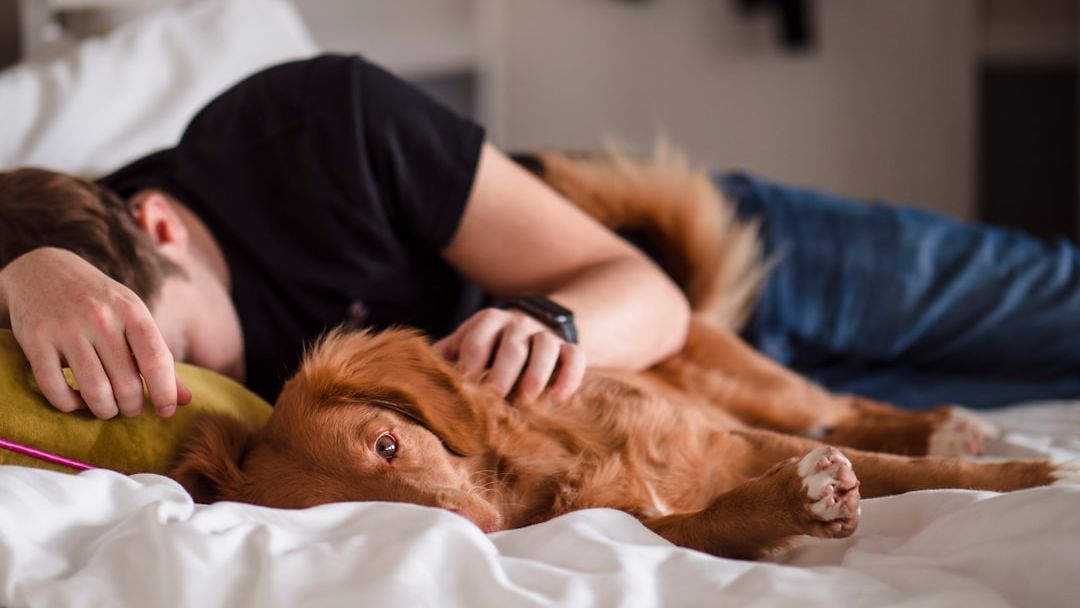
Dogs have an uncanny way of picking up on the smallest shifts in a household long before suitcases come out of storage. Owners often notice patterns that feel too consistent to be coincidence, especially when travel plans are on the horizon. These subtle signals can turn an ordinary week into one filled with quiet questions about just how much pets understand.
They Follow You From Room to Room More Closely
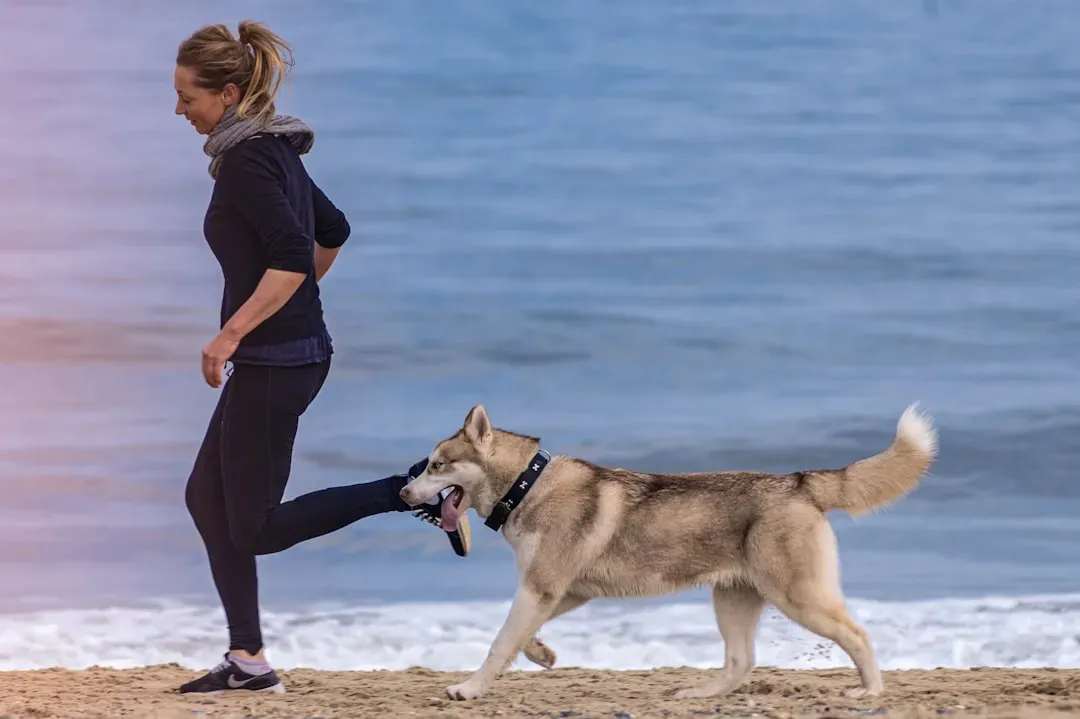
Many dogs begin trailing their owners with unusual persistence in the days leading up to a trip. They linger in doorways or settle right at your feet instead of choosing their usual spots. This extra shadowing often starts even before any bags appear, suggesting they sense the upcoming change in routine.
The behavior feels different from everyday companionship because it carries a watchful quality. Owners report their pets pausing to check in frequently rather than simply staying nearby for comfort. Over a few days the pattern builds, turning normal movement around the house into a constant companion exercise.
Their Appetite Changes Without Obvious Reason
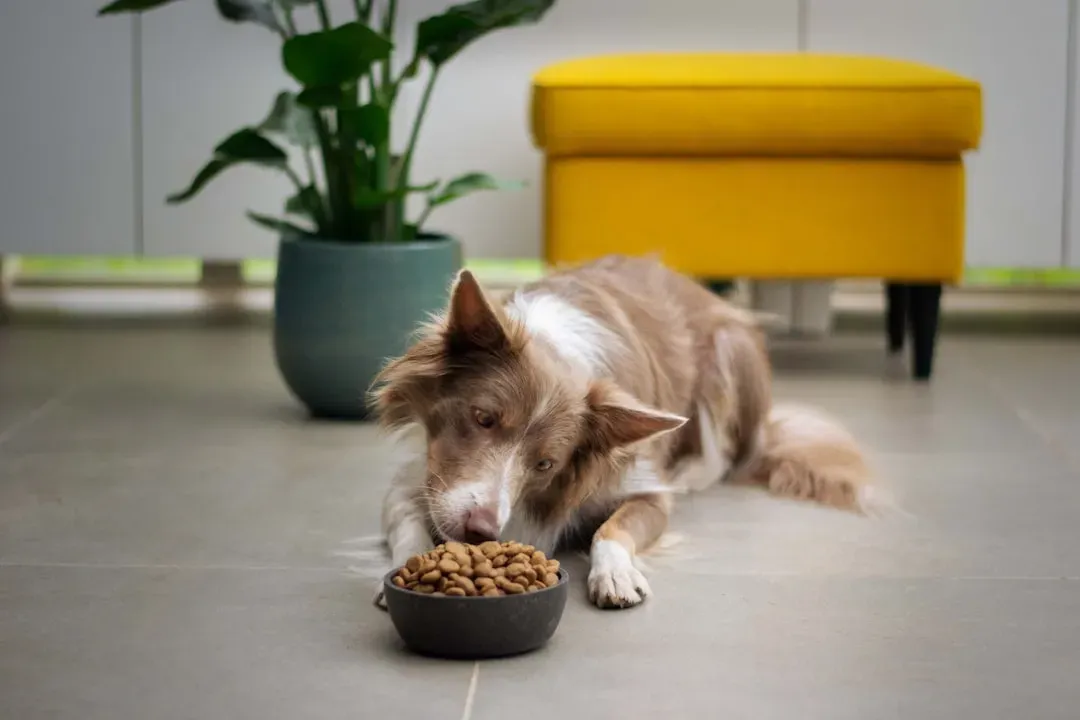
Some dogs eat less enthusiastically or leave food untouched during that final week at home. Others might hover near their bowls waiting for extra reassurance before finishing a meal. These shifts happen even when nothing in their daily schedule has altered yet.
The change tends to appear gradually rather than overnight. A dog that normally clears its bowl in minutes might now take longer or require gentle encouragement. Owners who track these details often connect the timing directly to upcoming travel plans.
They Become More Vocal at Unexpected Moments

Whining or soft barking can increase during quiet parts of the day when nothing seems wrong. The sounds often come when you are simply moving through the house or preparing meals. This extra communication stands out because it lacks the usual triggers like visitors or outdoor noises.
Pets may also sigh or make small sounds while watching you pack everyday items. The vocalizations feel like attempts to check in rather than demands for attention. Over several days the pattern repeats in similar situations, creating a noticeable soundtrack to the week.
They Show Sudden Interest in Your Luggage or Travel Items

Dogs sometimes sniff or nose at suitcases and travel bags even before they are fully opened. They might circle the area where these items are stored or rest nearby with unusual focus. The curiosity appears without any new smells or sounds from the objects themselves.
This attention often extends to coats, shoes, or other items associated with leaving the house. Owners notice their pets returning to the same spots repeatedly throughout the week. The behavior suggests an awareness that these objects signal a longer absence.
Sleep Patterns Shift in Noticeable Ways
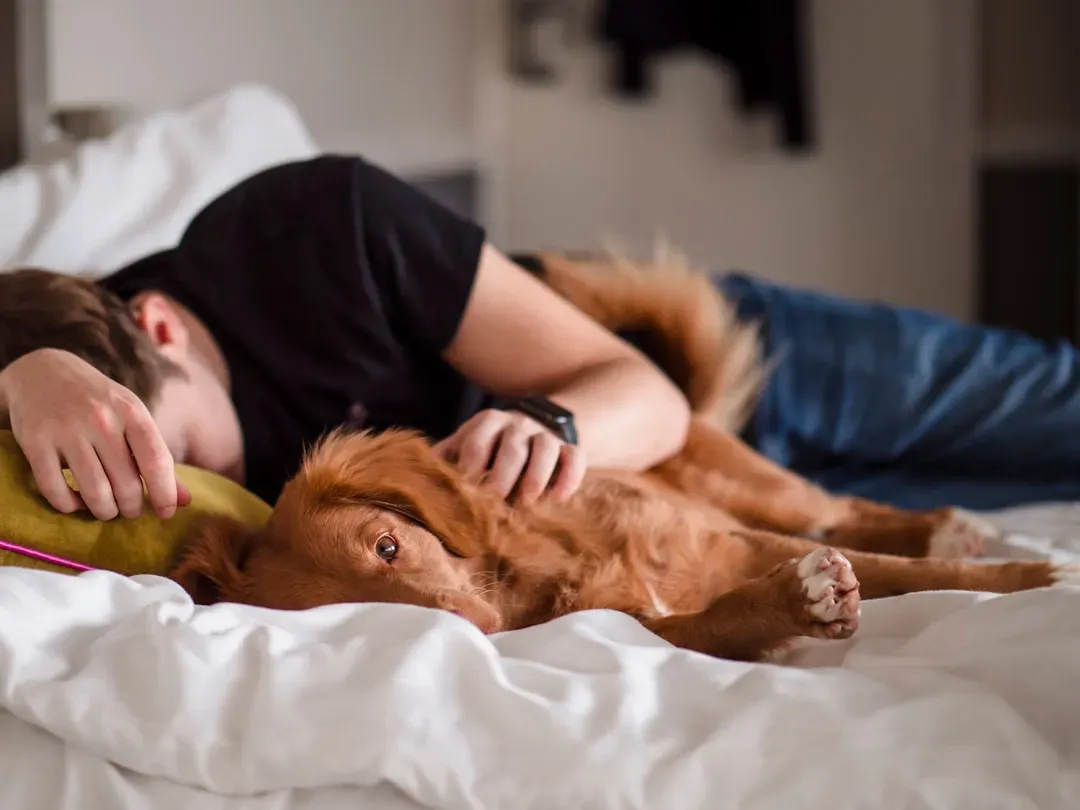
Many dogs wake more often during the night or choose different sleeping locations in the days before a departure. They might move from their bed to the bedroom doorway or stay closer to their owner after everyone has settled. These adjustments occur without changes in temperature or household noise.
The restlessness can show up as earlier rising times or longer periods of light dozing during the day. Owners who pay attention see the pattern align with the approach of travel rather than random variation. The shift feels tied to an internal sense of upcoming disruption.
They Seek Extra Physical Contact or Affection

Dogs may lean against legs more often or request longer petting sessions during ordinary moments. They might press closer while you work or relax, holding the position for extended periods. This increased need for touch stands out against their usual independent habits.
The requests for closeness can appear at times when the household is calm and no other changes are happening. Owners describe it as a quiet insistence rather than excited playfulness. The pattern builds steadily through the week, creating a stronger thread of connection.
Restlessness Shows Up as Pacing or Repetitive Movements

Some dogs begin walking the same paths through the house more frequently without settling. They might pause at windows or doors before continuing their circuit. This movement lacks the purpose of normal exploration or play.
The pacing often happens during times when the dog would normally rest or nap. Owners notice the repetition increases as the departure date draws nearer. The behavior creates a visible undercurrent of unease that fits no other explanation in the moment.
They Pay Closer Attention to Household Routines

Dogs start watching meal preparations or evening wind-down activities with extra focus. They may position themselves where they can observe multiple rooms at once. This heightened monitoring appears even when the actual schedule remains unchanged.
The attention can include following specific sequences like the sound of keys or the closing of certain doors. Owners report their pets anticipating steps in the routine before they happen. The pattern suggests an effort to track what might be different soon.
They Display Unusual Calm or Withdrawal in Certain Moments

Some dogs become quieter than usual during parts of the day that normally involve activity. They might choose a corner or under a piece of furniture instead of joining family time. This withdrawal feels deliberate rather than tired or unwell.
The calm periods alternate with the other signals, creating a mixed picture of awareness. Owners often notice the contrast most clearly when comparing behavior across several days. The shift points to an internal adjustment ahead of the separation.
These small observations add up to a picture of dogs who read the household atmosphere with surprising accuracy. Paying attention to the patterns can help owners prepare both themselves and their pets for smoother transitions. In the end the real takeaway is how deeply these relationships run, even across the simple act of packing a bag.

- 10 Amazing Facts About Penguins - July 24, 2026
- 8 Ways to Create a Wildlife-Friendly Backyard Oasis for Local Critters - July 24, 2026
- How to Keep Your Pet Safe from Household Hazards - July 24, 2026