

Picture a quiet afternoon in the woods. Suddenly a piercing shriek cuts through the air, sharp and insistent. It is not the hawk itself making the noise. A blue jay has spotted the danger and decided everyone else needs to know right away.
That loud outburst serves a clear purpose in the daily drama of backyard and forest life. Blue jays have earned a reputation as reliable lookouts, and their screams reveal a lot about how birds manage risk together.
Understanding the Blue Jay’s Distinctive Call
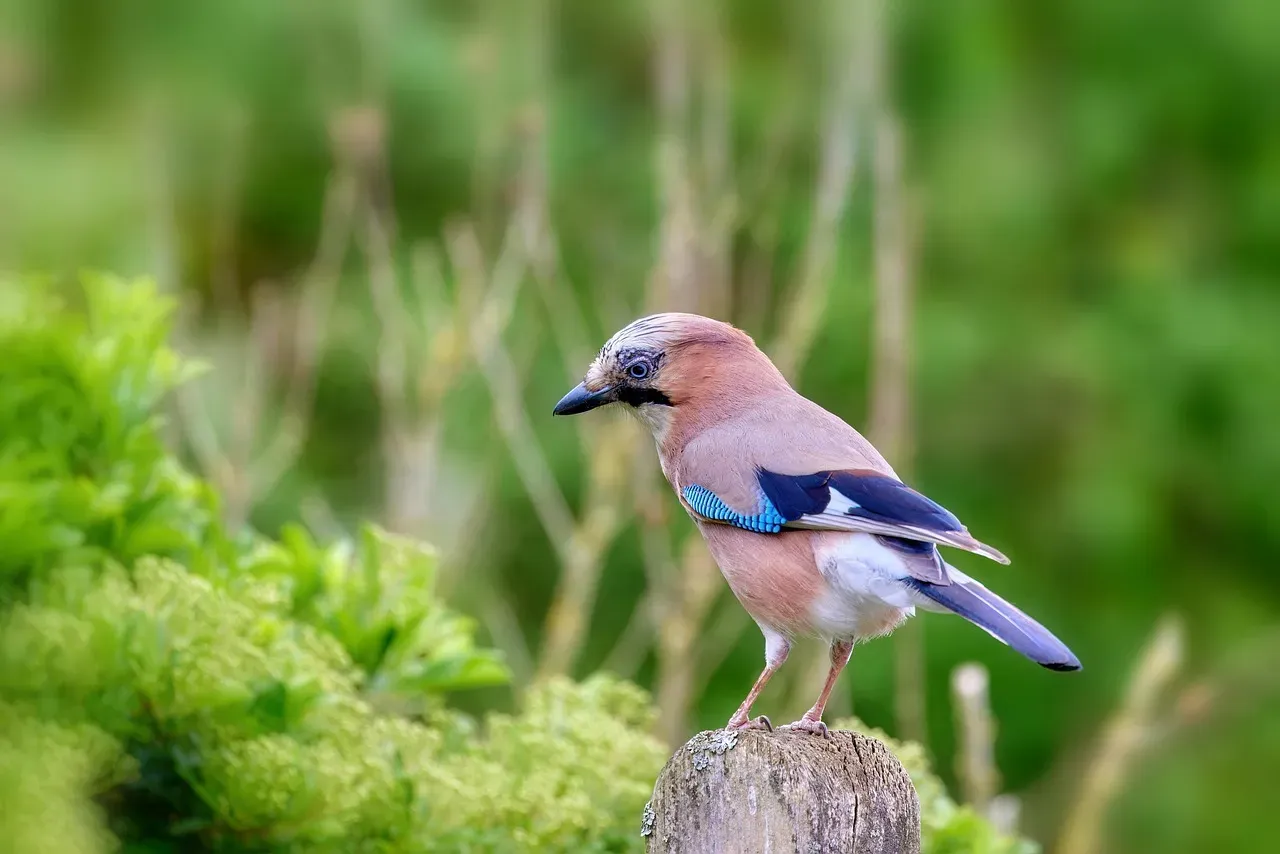
Blue jays produce a harsh, rasping jeer that carries far through trees and open spaces. This sound stands out from their softer conversational notes and serves as their primary alarm signal. Researchers have documented the call in response to aerial threats like hawks circling overhead.
The volume comes from the bird’s strong vocal muscles and the need to reach scattered flock members quickly. When a jay spots a predator, it does not whisper the news. It broadcasts it so the message travels before the danger closes in.
Spotting the Threat from Above

Hawks often hunt by surprise, gliding silently until the last moment. Blue jays perch high and scan the sky with sharp eyes, giving them an early advantage. Once they detect the silhouette or movement, the scream follows almost instantly.
This early warning buys precious seconds for smaller birds and other jays to react. The call does not describe the exact location in words, yet the urgency in the tone conveys enough for listeners to take cover or look up.
Rallying the Troops Against Predators
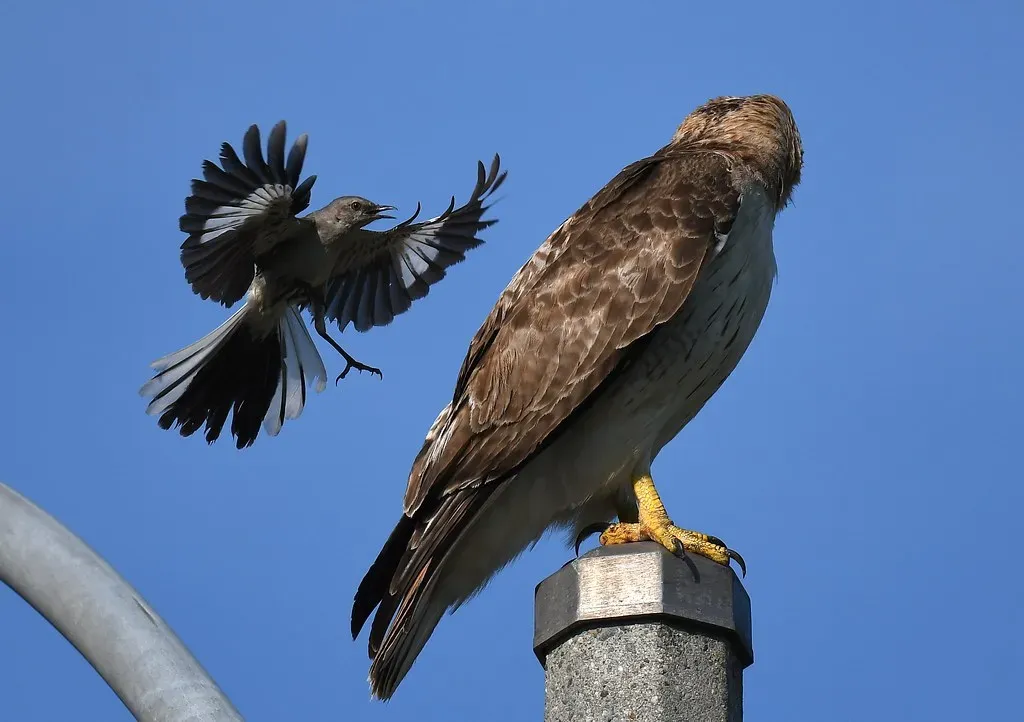
One jay’s scream often triggers a chain reaction. Nearby jays join in, creating a chorus that draws attention to the intruder. This collective noise can escalate into mobbing, where several birds dive and scold the hawk until it moves on.
The strategy works because hawks prefer stealth and avoid unnecessary fights. A noisy group raises the cost of staying in the area. Over time this behavior has helped blue jays protect both themselves and their neighbors from repeated attacks.
Mimicry as an Extra Layer of Defense
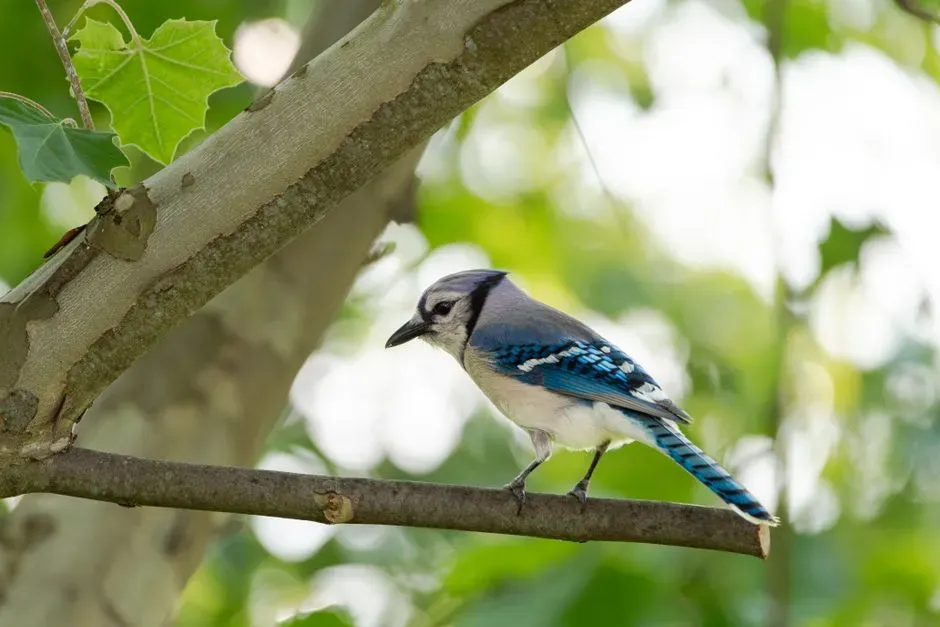
Blue jays sometimes copy the screams of hawks themselves. The imitation can confuse other birds into thinking a real predator is present, prompting them to scatter from food sources. At the same time the mimicry can serve as a genuine alert when an actual hawk appears.
Observers note that the birds switch between their own jeer and the borrowed hawk sound depending on the situation. This flexibility shows how one vocal trick can handle multiple jobs at once. The result keeps both competitors and threats off balance.
How Other Birds Respond to the Warning
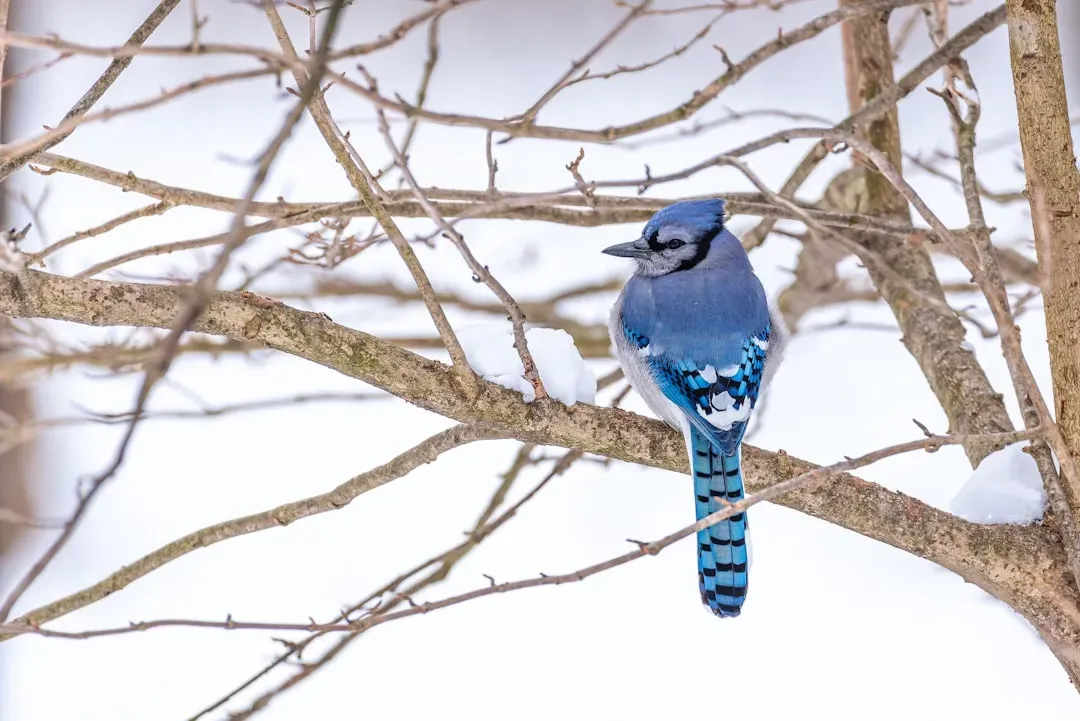
Smaller songbirds often freeze or dive into dense cover when they hear the blue jay alarm. Squirrels pause their foraging and scan the sky as well. The shared language of danger crosses species lines in many neighborhoods.
Studies of mixed flocks show that these warnings reduce successful hunts by hawks and owls. The blue jay gains safety in numbers while providing a service that strengthens the whole community of local wildlife.
The Evolutionary Advantage of This Behavior
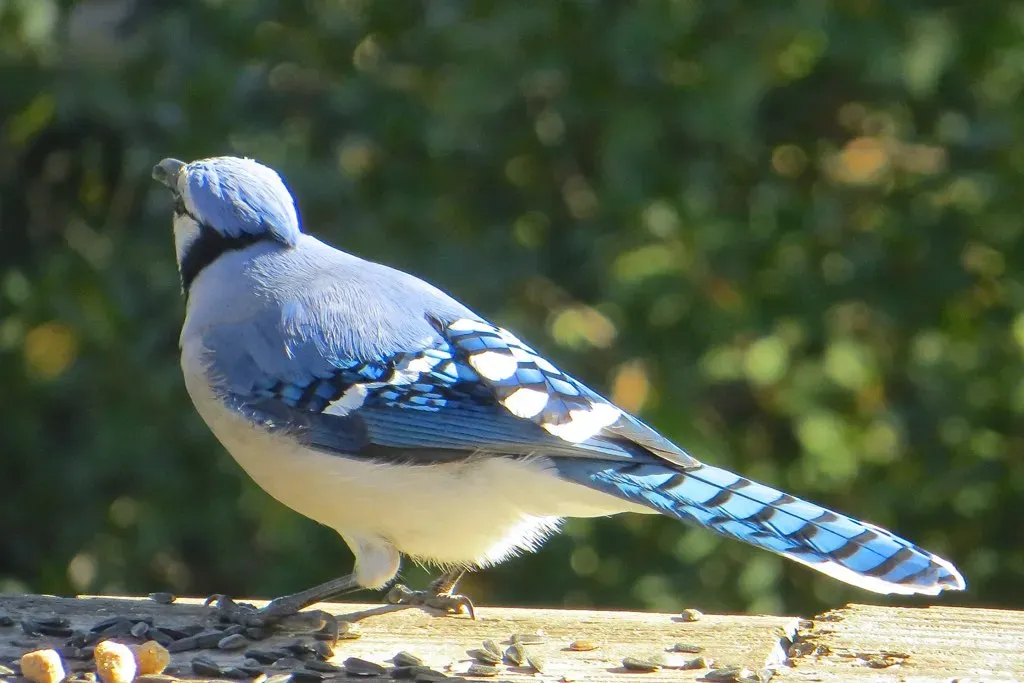
Loud alarm calls persist because they improve survival rates for the caller and its relatives. A jay that warns its family or flock helps genes similar to its own continue. Over generations the trait becomes more common in the population.
The same calls also support mobbing, which can drive predators away from nesting areas. This dual benefit explains why the behavior remains strong even though it draws attention to the jay itself. Natural selection favors birds that balance risk with effective communication.
Observing This in Your Own Backyard
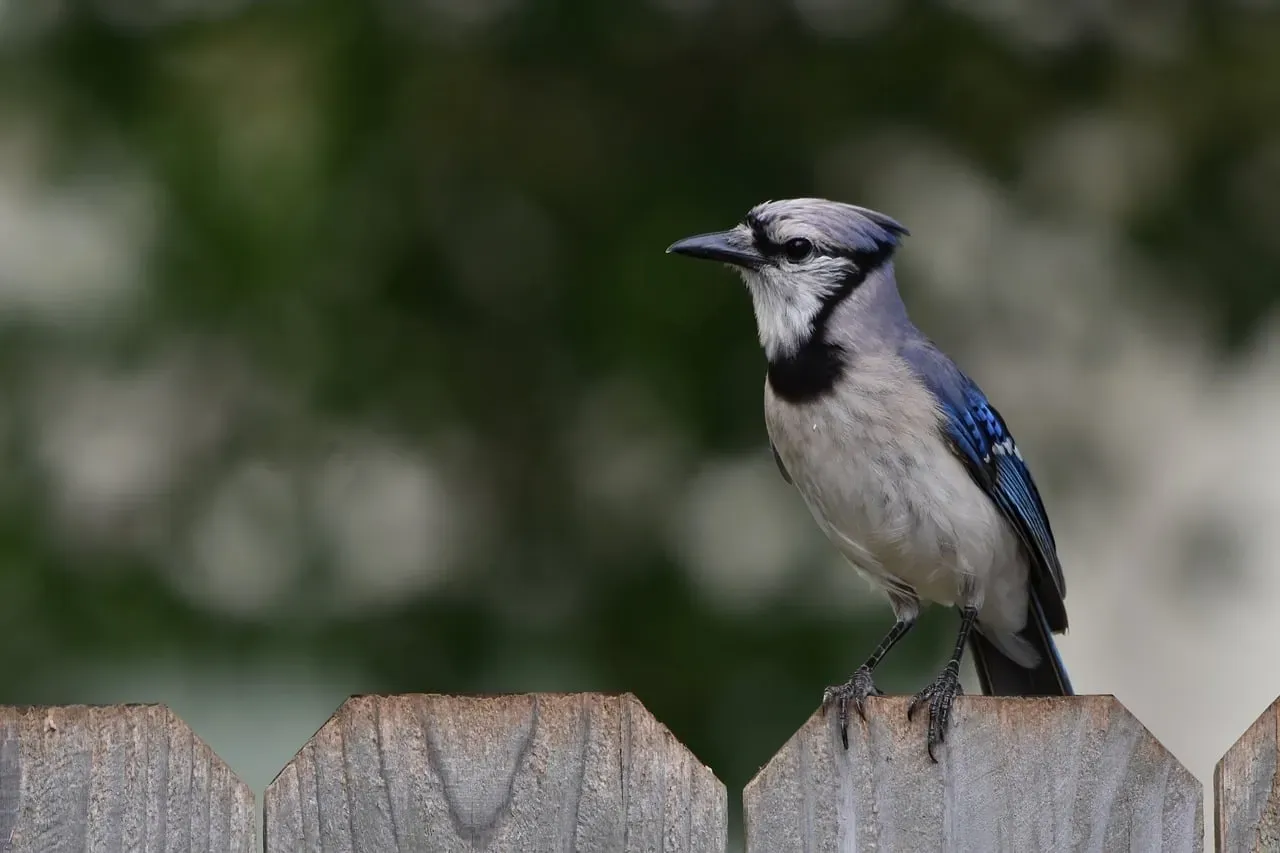
Listeners can notice the pattern by keeping feeders and trees in view during daylight hours. When a sudden loud jeer erupts, scan the sky for a gliding shape or listen for the follow-up calls from other jays. The sequence often repeats until the threat passes.
Recording the timing and context helps reveal how often hawks pass through a given area. Many people find the behavior fascinating once they recognize the signal and its purpose. It turns ordinary afternoons into small lessons in cooperation and vigilance.
Blue jays remind us that even common backyard birds operate with surprising coordination. Their screams are not random noise but a practical tool shaped by generations of living alongside predators. Paying attention to these moments deepens the quiet satisfaction of watching wildlife go about its business.

- 10 Amazing Facts About Penguins - July 24, 2026
- 8 Ways to Create a Wildlife-Friendly Backyard Oasis for Local Critters - July 24, 2026
- How to Keep Your Pet Safe from Household Hazards - July 24, 2026