
Worried about unexpected vet bills?
Pet insurance can cover thousands in unexpected vet costs. Get a free quote from Lemonade in under 2 minutes.
Get My Free Quote →Sponsored · Opens Lemonade.com
There’s something quietly extraordinary happening across America’s national parks. In places once stripped of their wildest inhabitants, animals long teetering on the edge of disappearance are returning. The comeback stories aren’t always loud or fast. Some unfolded over decades of patient, science-driven work. Others relied on bold decisions that, at the time, seemed almost too risky to try.
National parks offer some of the last suitable habitats for a number of species and are home to creatures that exist nowhere else in the world, which gives park staff a key role in saving many of these rare living things. From Haleakala to the Grand Canyon to the Everglades, America’s national parks provide habitat for more than 600 threatened and endangered species. What follows are nine of the most compelling places where that work is actually showing results.
Yellowstone National Park, Wyoming – Gray Wolves and the Return of Balance
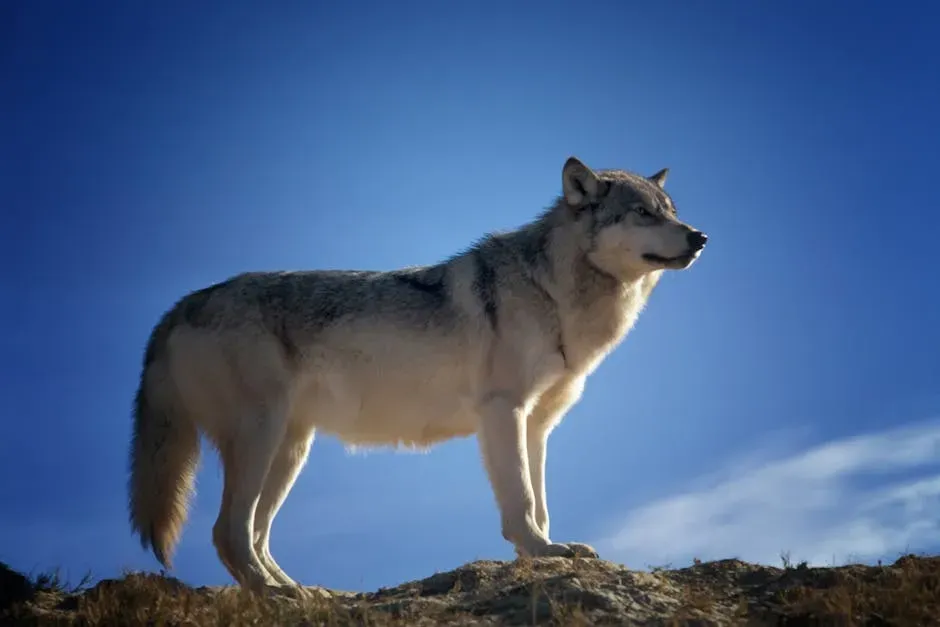
The last wolves were killed in Yellowstone in 1926. After that, sporadic reports of wolves still occurred, but scientists confirmed in the mid-1900s that sustainable gray wolf populations had been extirpated and were absent from Yellowstone.
Gray wolves were restored to Yellowstone National Park during 1995 and 1996, with the release of 31 wolves captured in western Canada. What happened next exceeded nearly every prediction ecologists had made.
With as many as 100 gray wolves in Yellowstone National Park, their reintroduction has had an effect that even surprised scientists. Wolves contributed to bringing elk numbers down from 17,000 in 1995 to just 4,000, and since only the healthiest elk survived, the population became much more robust.
Grizzly bears benefited too, partly because less elk meant more berries and the elk’s fear of wolves gave riverbank trees like aspen and willow a chance to regenerate, growing to five times their original size in just six years. The songbirds returned as well. It’s a rare example of one species reintroduction cascading positively through an entire ecosystem.
Yellowstone National Park, Wyoming – Grizzly Bears Reclaiming Their Range
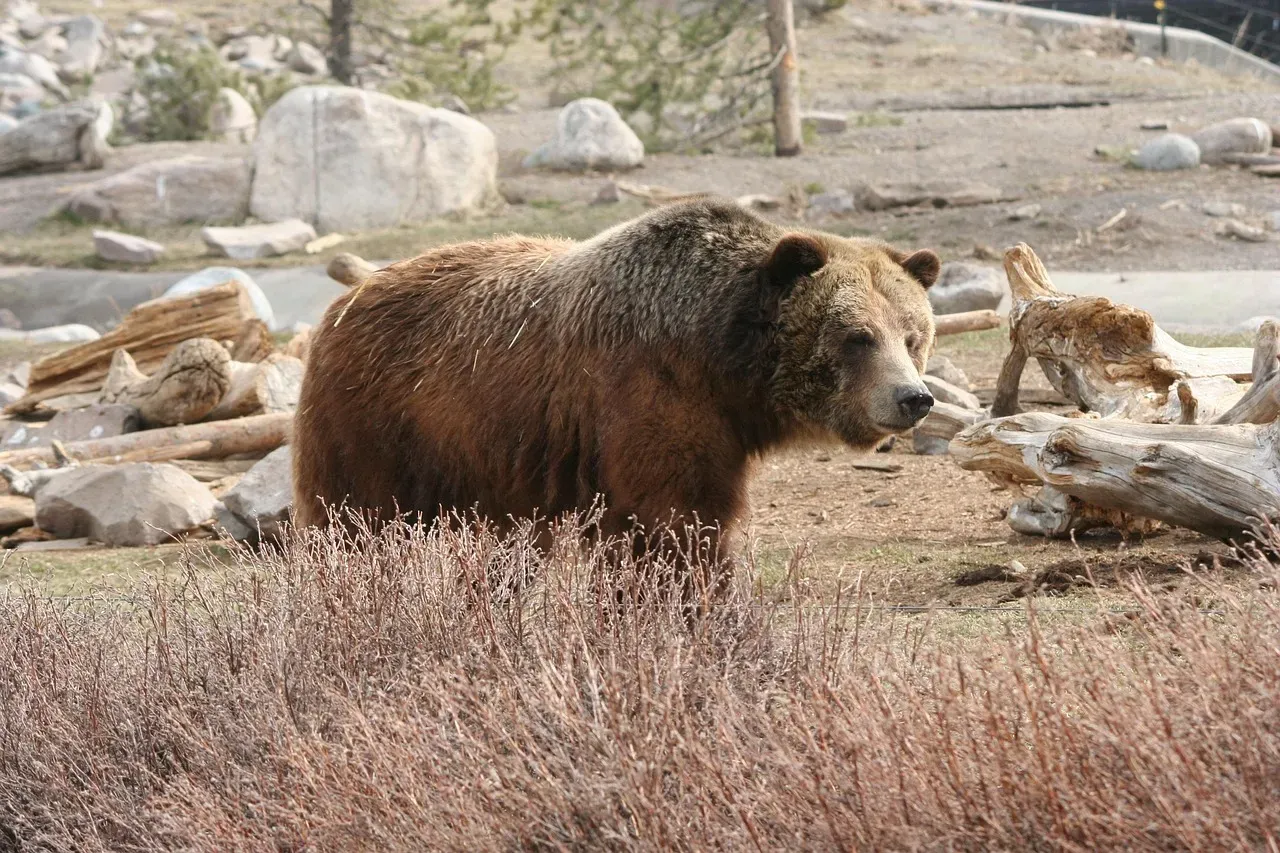
Within the lower 48 states, grizzly bear populations had been reduced to a mere two percent of their former range due to excessive hunting and habitat fragmentation. Grizzly bears were listed under the Endangered Species Act in 1975, when fewer than 250 bears occupied the Yellowstone area.
Since then, the coordinated efforts of state and federal agencies, conservation organizations and private citizens have increased this population to more than 700 bears.
There are now at least 1,923 grizzly bears in the contiguous states, with populations distributed across various ecosystems including the Greater Yellowstone, Northern Continental Divide, Cabinet-Yaak, and the Bitterroot. The grizzly’s recovery stands as one of the most significant large mammal conservation achievements in North American history.
As of the latest assessments in 2024, grizzly bears remain protected as a threatened species across the 48 contiguous states. The long road back is far from over, but the direction of travel is unmistakably hopeful.
Pinnacles National Park, California – California Condors Soaring Again
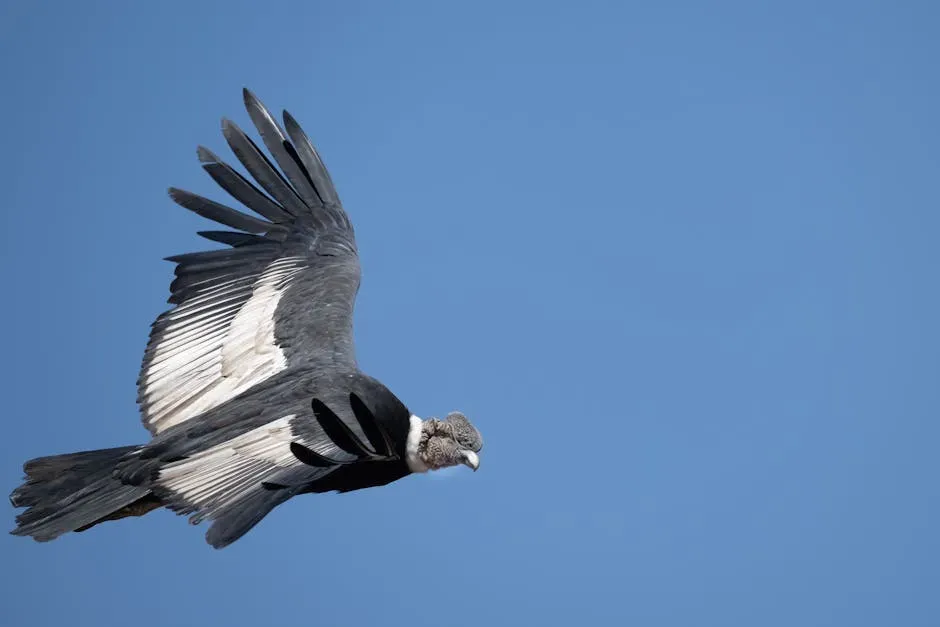
California condors, the largest land birds in North America, were once abundant across the West Coast. Habitat destruction, pollution, and other human-caused factors led to a dramatic population decline, and the species hit its lowest point in the 1980s when there were only 22 wild condors identified.
In 1987, the U.S. Fish and Wildlife Service made the bold but risky decision to capture all remaining California condors in the wild. With every existing California condor in captivity, efforts focused on breeding the birds at the San Diego Wild Animal Park and the Los Angeles Zoo.
Since 2003, Pinnacles has partnered with the California Condor Recovery Program to act as a critical release and management site for captive-bred birds. The wild population has grown, and as of 2018 there were an estimated 537 California condors living in the wild or in captivity, and in 2019 the 1,000th chick hatched since the launch of the recovery program.
Dedicated conservation efforts have since brought this endangered species back from the brink, with Pinnacles playing a major role in the condor’s comeback story. Today, visitors to Pinnacles can witness these incredible birds soaring over the park’s rocky towers.
Channel Islands National Park, California – The Island Fox’s Record Recovery
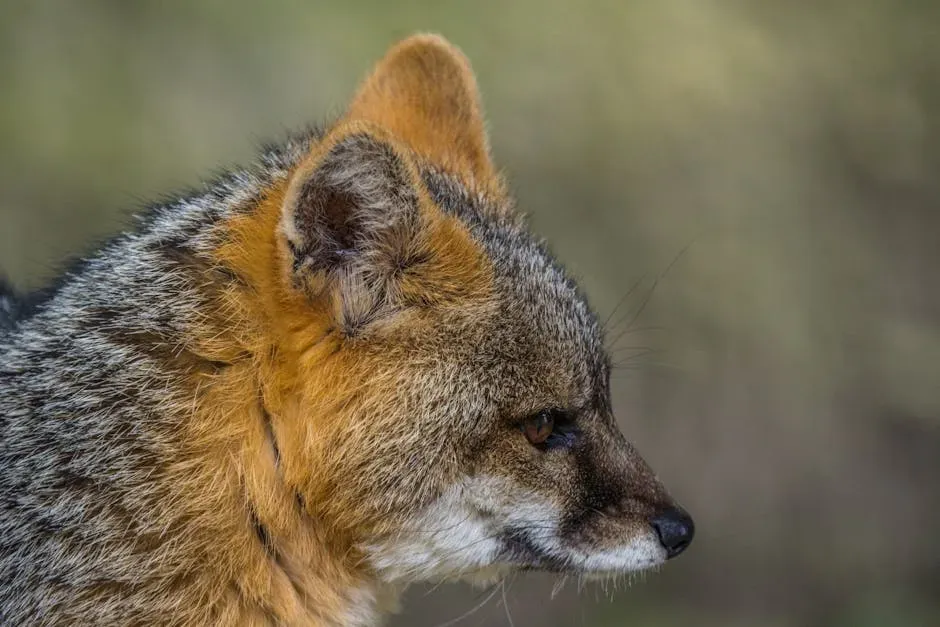
Listed as endangered in 2004, the island fox rebounded after scientists implemented a recovery strategy that included captive breeding and reintroduction, relocating 64 golden eagles to northern California, and removing from the islands the feral goats, pigs, and sheep that had gobbled up the native plants critical to the island fox’s survival.
By 2016, the island fox had recovered and was removed from the endangered species list, marking the fastest mammal recovery ever recorded, according to The Nature Conservancy. That’s a meaningful benchmark in conservation history.
Channel Islands National Park has been the setting for one of the most cited success stories of putting a previously endangered animal back on the road to recovery. The precision of the multi-species management approach here serves as a model that conservation teams continue to study and adapt worldwide.
Everglades National Park, Florida – Florida Panthers and the Fight for the Big Cats
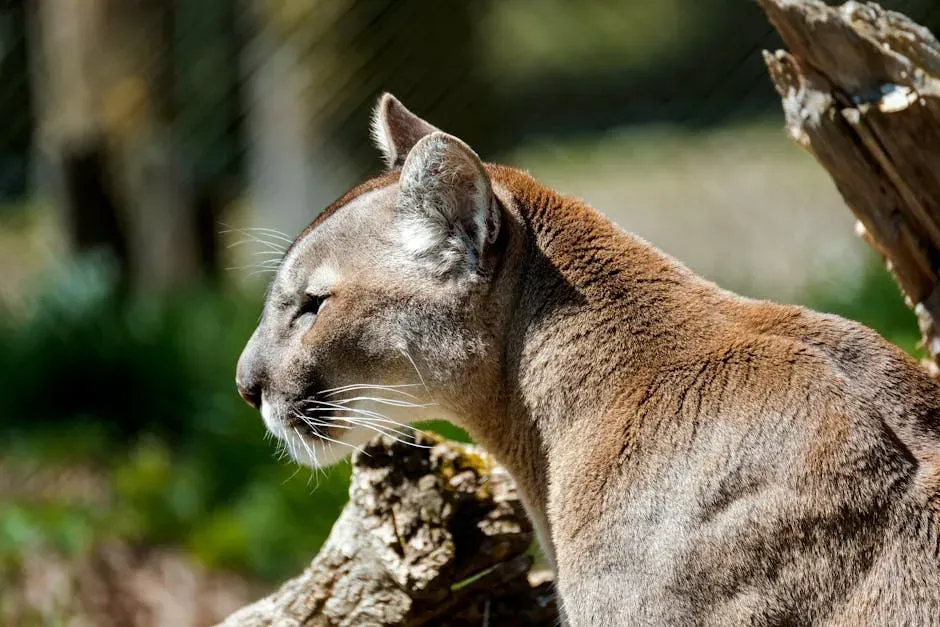
Everglades National Park is the most significant breeding ground for tropical wading birds in North America and contains the largest mangrove ecosystem in the Western Hemisphere. Thirty-six threatened or protected species inhabit the park, including the Florida panther, the American crocodile, and the West Indian manatee.
A 1989 census indicated that the Florida panther population had dropped to between 30 and 50 individuals. This decline was the result of habitat loss, degradation, and fragmentation. Today the species population is still below 250 individuals, but without Endangered Species Act protections the panther would likely be extinct.
The genetic restoration program in the Everglades has been a remarkable success, saving the Florida panther population from the brink of extinction. Through collaborative efforts and innovative conservation, scientists have improved the genetic diversity of the panther population, making it healthier and more resilient for future generations in the park.
The Everglades remains the only place on Earth where wild Florida panthers exist and alligators mingle with crocodiles. That distinction alone says something about the irreplaceable value of this park as a refuge.
Badlands and Wind Cave National Parks, South Dakota – Black-Footed Ferrets Back From the Brink
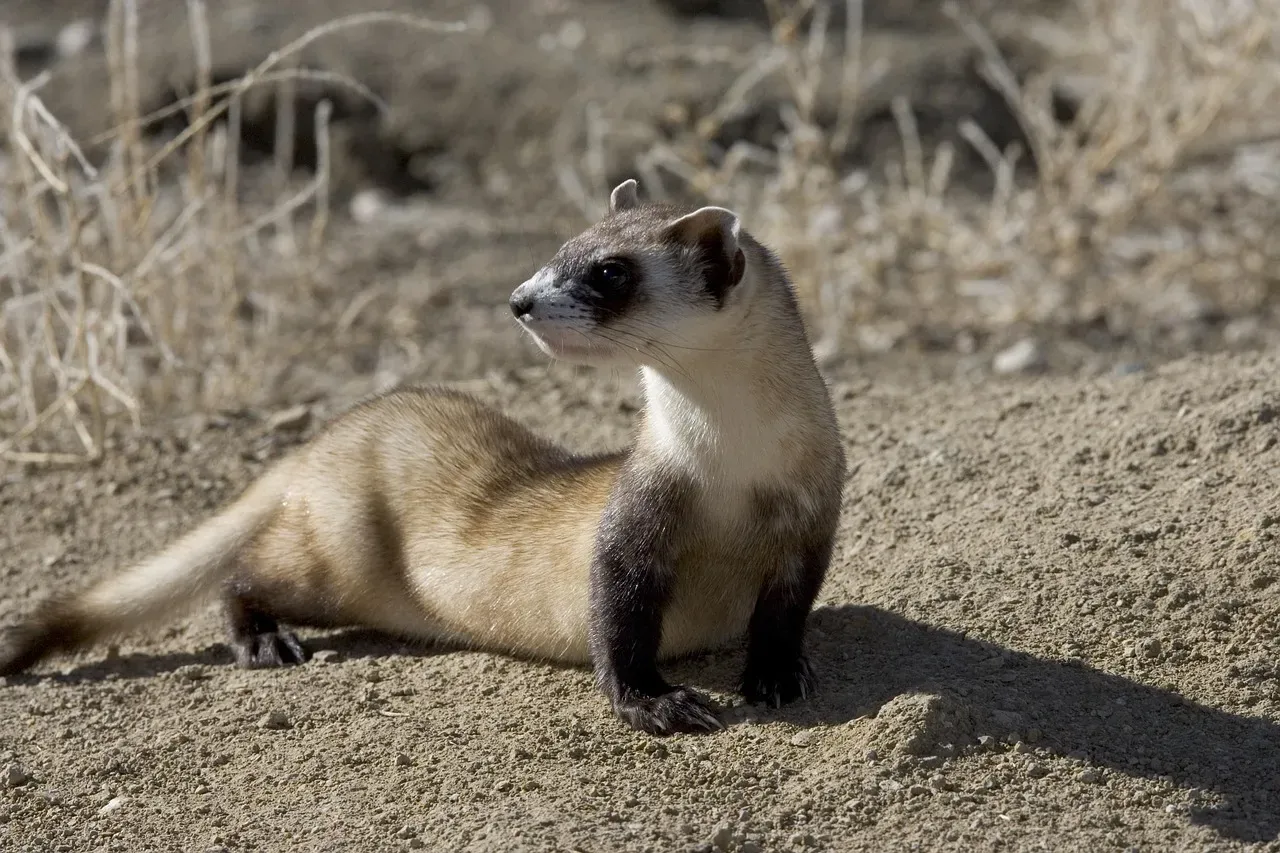
These two-foot-long members of the weasel family were once considered the rarest mammals in the world. The ferrets depend on prairie dogs as their primary food source, and the human extermination of prairie dog populations in some parts of the country nearly wiped out the ferret, which was officially recognized as threatened in 1967.
One of the rarest mammals in the world, the black-footed ferret was as recently as the 1970s thought to be extinct as a result of loss of habitat and elimination of prey species. Recovery has since combined captive breeding programs with habitat protection to achieve recovery goals, and the wild population has grown from 18 to approximately 800 since 1986.
Recovery efforts at Badlands National Park and Wind Cave National Park in South Dakota revolve around black-footed ferrets, which colonize abandoned prairie dog burrows and depend on the prairie dog for roughly nine-tenths of their food. When the prairie dog population in the parks declined due to disease, so did the black-footed ferret.
More than 6,000 ferret kits have been born in captivity since 1991, and more than 2,000 have been reintroduced to the wild. It’s a painstaking recovery, but a real one.
Olympic National Park, Washington – Pacific Fishers Returning to Old-Growth Forests
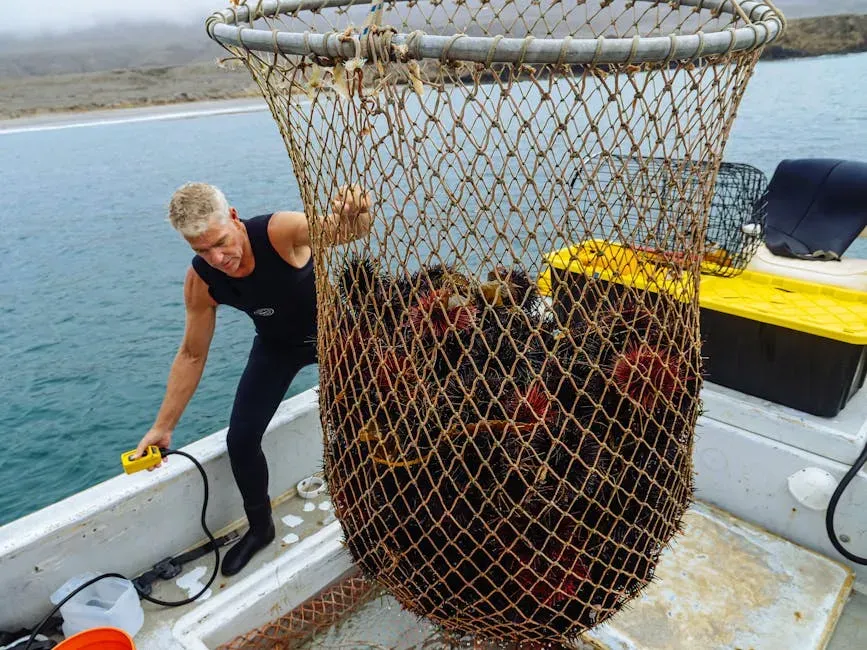
Pacific fishers once roamed the forests of the northwestern United States, building dens and raising kits among the old-growth trees of the Cascade Mountains. After decades of trapping and logging, the animals were all but gone from Washington state.
In 2008, the National Park Service, the Washington Department of Fish and Wildlife, and the U.S. Geological Survey began reintroducing fishers to Olympic National Park, which contains some of the state’s best remaining habitat. The program was so successful that officials expanded it to Mount Rainier and North Cascades National Parks in 2013.
Sometimes referred to as “fisher cats,” these animals look feline but are more closely related to otters. They are deft hunters that feed on a number of land animals and plants, and they are one of the few predators that routinely take down porcupines. Their return to Pacific Northwest forests is a strong signal that old-growth habitat restoration, when committed to seriously, can work.
Bryce Canyon National Park, Utah – Utah Prairie Dogs Holding Their Ground
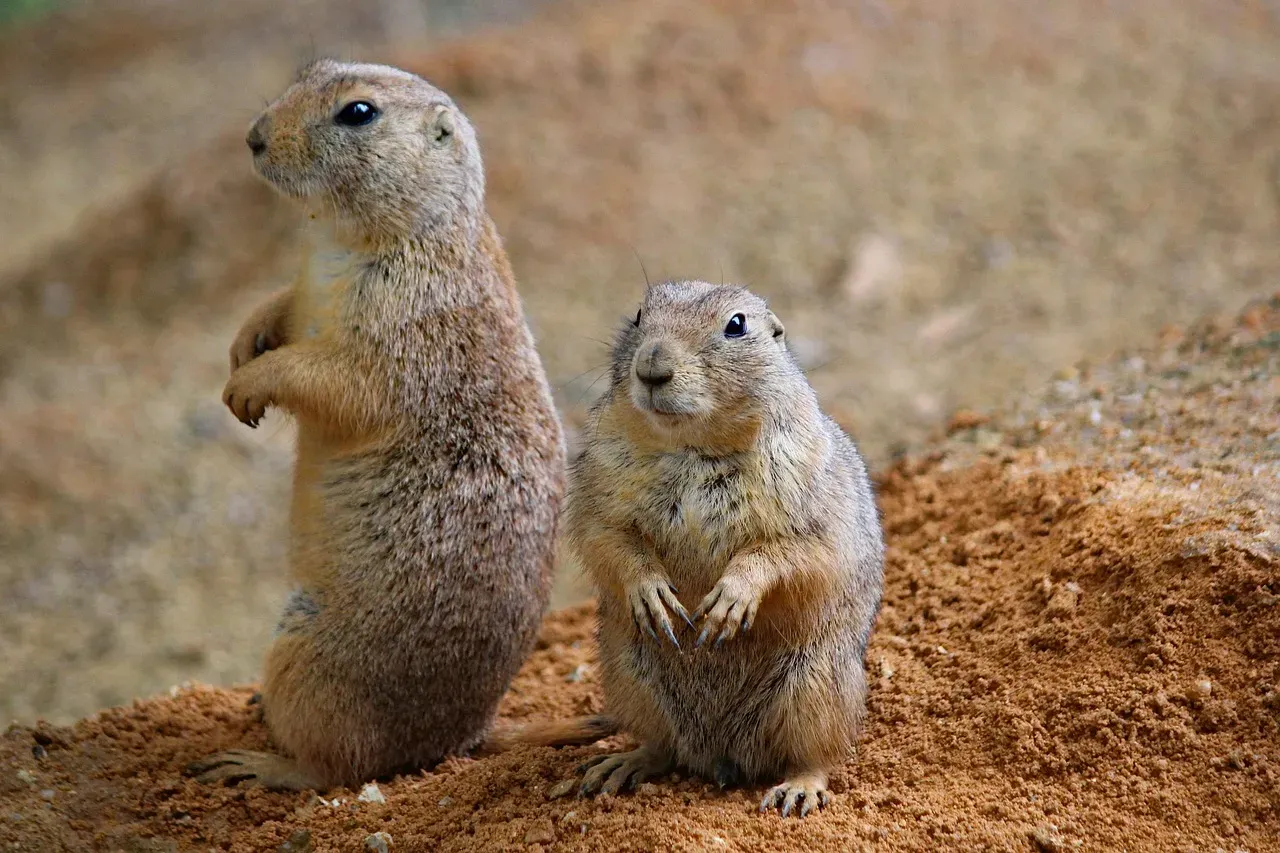
Due to development and disease, the Utah prairie dog was nearly wiped out and listed as endangered in 1973. Now, it is part of a U.S. Fish and Wildlife Service recovery program designed to ensure healthy populations.
The Nature Conservancy in Utah, working alongside the U.S. Fish and Wildlife Service, the Utah Division of Wildlife Resources, and others, has helped protect 800 acres of prime prairie dog habitat near Bryce Canyon National Park and another 291 acres north of Cedar City. With land managed and easements held on certain parcels, Utah prairie dogs spotted in these areas can be part of the annual spring count that supports the recovery effort.
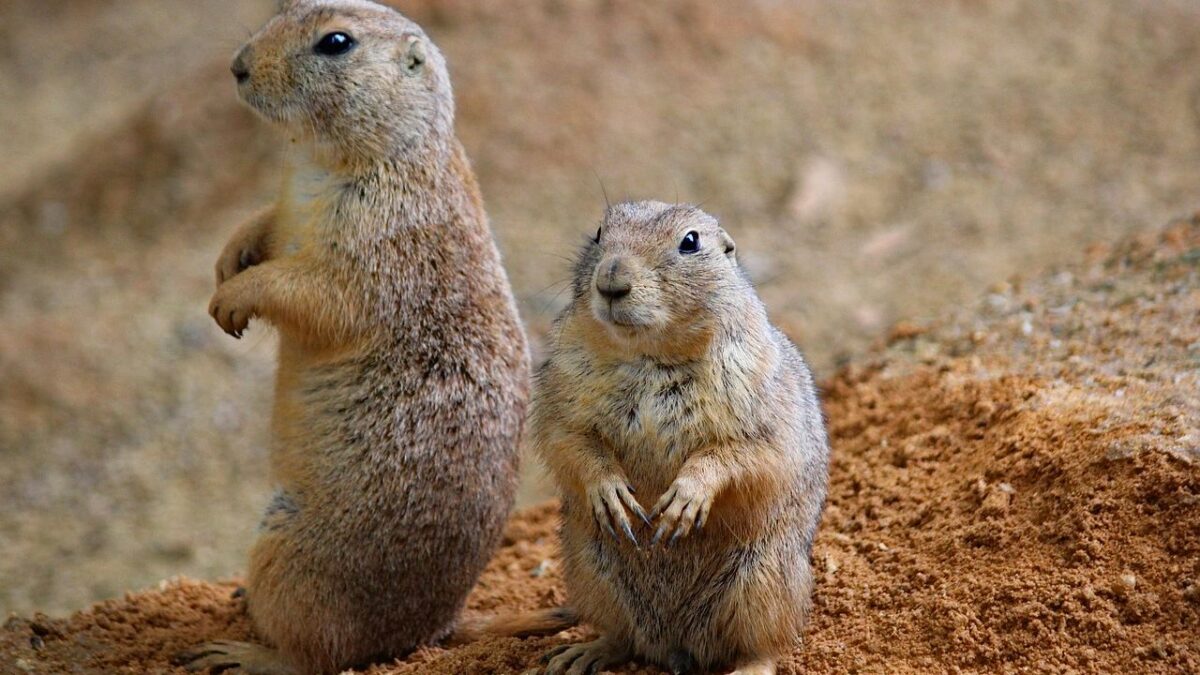
Prairie dogs are far more than a curiosity. They are a keystone species, and their burrows support dozens of other animals including eagles, burrowing owls, and black-footed ferrets. Protecting them at Bryce Canyon protects an entire ecological web. Bryce Canyon National Park is a great place to see Utah prairie dogs, and rangers at the visitor center can direct visitors to the best locations to see them in their natural habitat.
Hawai’i Volcanoes National Park, Hawaii – The Nēnē Goose Pulling Back From the Edge
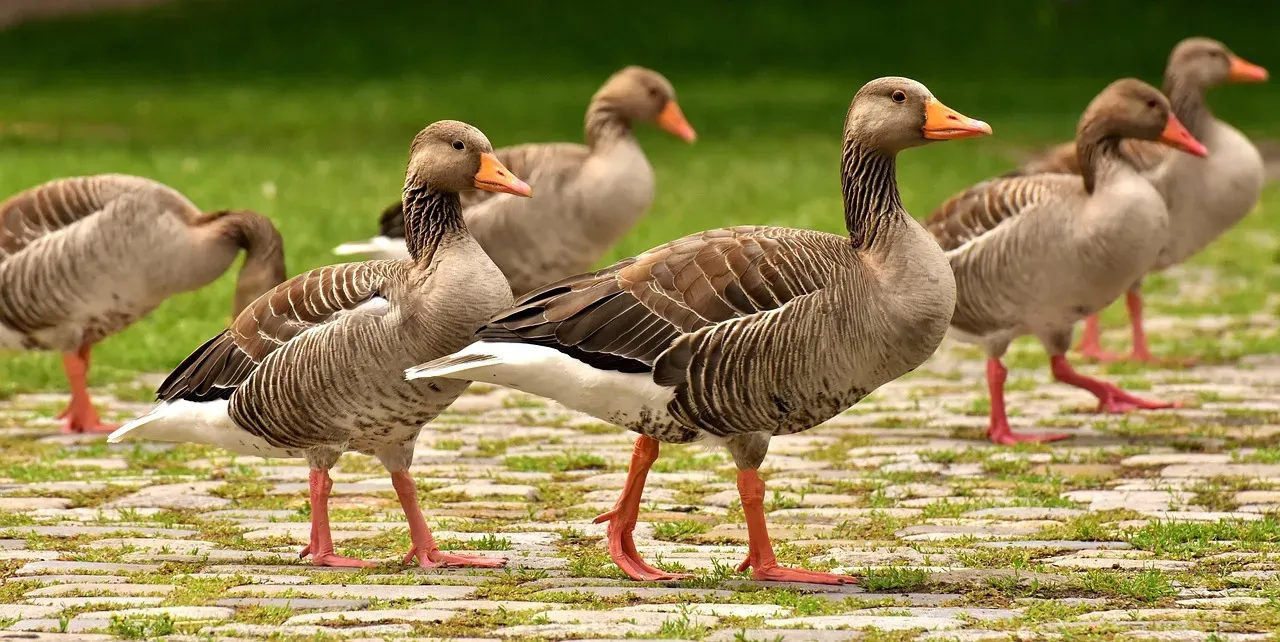
Nine species of native goose evolved on the Hawaiian Islands, but the nēnē is the last type that still exists there. Thousands of nēnēs once thrived on the archipelago, but hunting, habitat loss, and invasive predators like mongooses, cats, and dogs brought the nēnē population as low as 50 by the 1940s.
Park officials have been helping to restore healthy populations since the 1970s through captive breeding and reintroduction programs, and their numbers have grown significantly, though predators and human interference continue to threaten these birds. Park biologists carefully monitor their movements and maintain safe spaces for nēnēs to nest and brood.
Hawaii’s national parks face some of the most severe endangered species pressures of any parks in the country. Three Hawaiian parks combined have 244 endangered and threatened species, more than any other parks in the country. The nēnē’s recovery within Hawai’i Volcanoes National Park is one of the brighter chapters in that broader, ongoing struggle.
A Final Thought
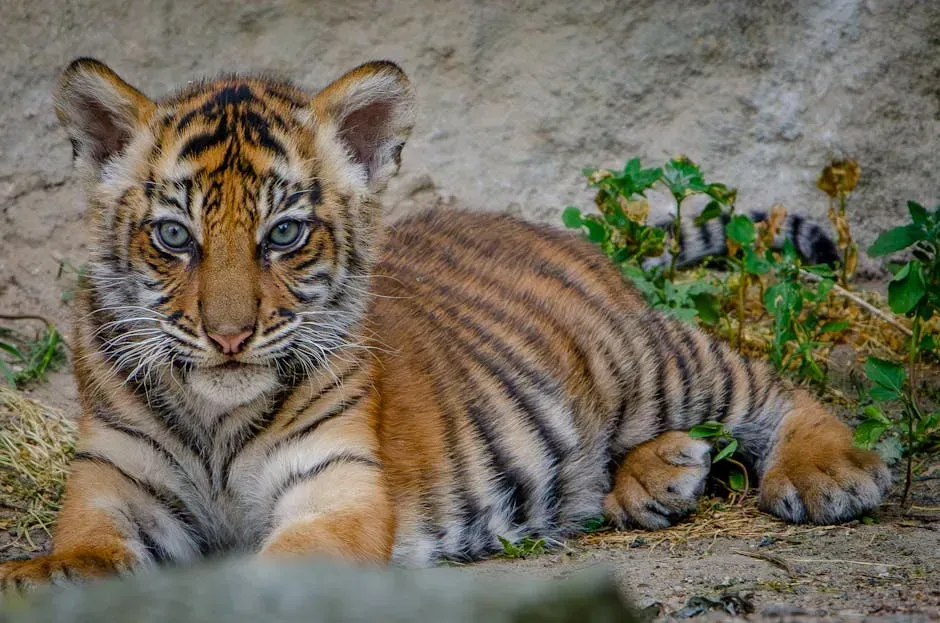
The Endangered Species Act has proven extremely effective and is credited with saving 99 percent of listed species from extinction, and over 100 species of plants and animals have been delisted or declassified due to improved conservation status. That is a record worth knowing, and worth protecting.
The stories above share a common thread: recovery takes time, resources, and cooperation across agencies, tribes, and communities. None of these species bounced back on their own. It can take a remarkable amount of effort to mitigate some of the complicated human and environmental factors that threaten these plants and animals, but once a species is gone, it is gone forever.
What’s happening in these nine parks is proof that the effort is worth making. The condors circling above Pinnacles, the wolves threading through Yellowstone’s valleys, the island fox padding through Channel Islands brush – each one is a living counterargument to the idea that extinction is inevitable. The parks hold the space. The science provides the tools. What remains, as always, is the will to see it through.
Worried about unexpected vet bills?
Pet insurance can cover thousands in unexpected vet costs. Get a free quote from Lemonade in under 2 minutes.
Get My Free Quote →Sponsored · Opens Lemonade.com
