
There’s something quietly heroic happening right now in corners across America. While headlines scream about species on the brink and habitats vanishing overnight, a network of dedicated institutions is working tirelessly behind the scenes. These aren’t just places where you take the kids on a sunny afternoon to see lions yawn or monkeys swing. They’re frontline soldiers in a war against extinction itself.
Think about it. When was the last time you heard genuinely hopeful news about endangered animals? It’s rare, honestly. Yet across the country, from California’s coast to the heart of New York City, zoos and sanctuaries are quietly racking up victories that would make your head spin. We’re talking about species pulled back from the absolute edge of oblivion, given second chances, and sometimes even returned to the wild. These places represent something bigger than entertainment or education, though they excel at both. They’re arks in the storm. Let’s dive in.
San Diego Zoo Wildlife Alliance: Where Frozen Cells Meet Wild Hope
The San Diego Zoo Wildlife Alliance has helped reintroduce more than 44 endangered species into native habitats, many born right at their facilities. That’s not a typo. Forty-four species.
Their secret weapon? Something called the Frozen Zoo, which sounds like science fiction but is very real. Since 1975, this groundbreaking biobank has been preserving living cells from over 1,300 species and subspecies, safeguarding genetic material for potential future use in species preservation. Think of it as a genetic insurance policy for the planet’s most vulnerable creatures.
The cloning of Przewalski’s horses, once extinct in the wild, represents a breakthrough in using preserved genetic material, with Kurt named after the Frozen Zoo’s founder, Kurt Benirschke. This isn’t just preserving DNA in a freezer and hoping for the best. They’re actually bringing animals back. The Alliance recently reached a remarkable milestone when they welcomed Emaay, the 250th California condor chick to hatch at the Safari Park, with the species once coming within a breath of extinction when only 22 remained on Earth in 1982.
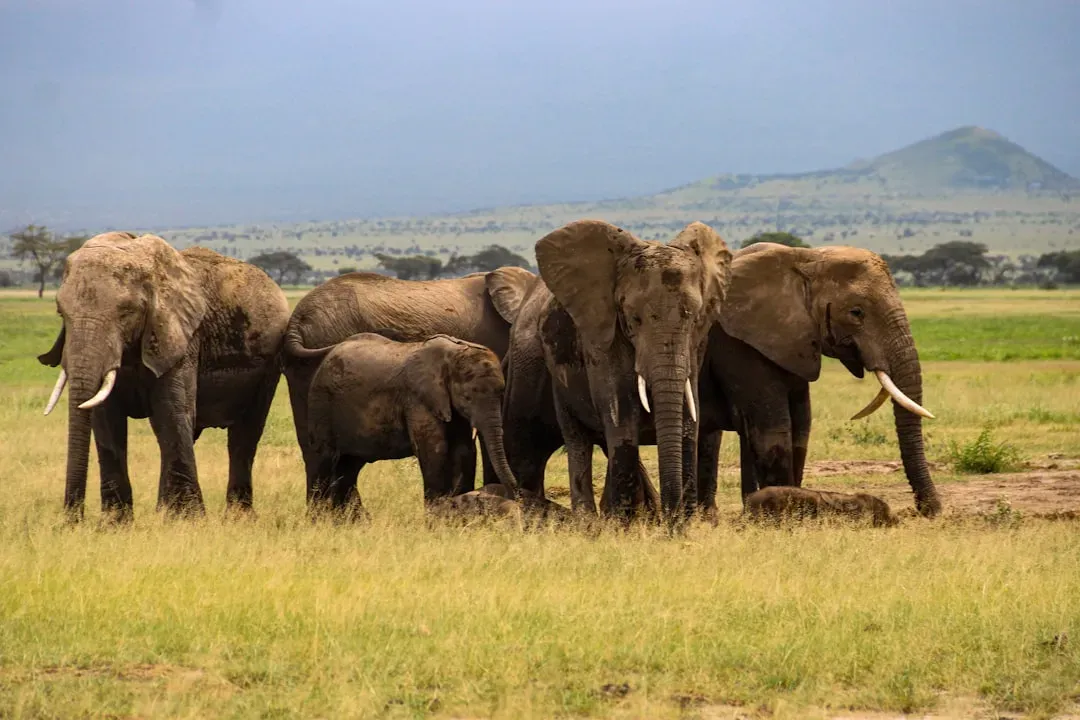
Their field conservation programs include collaborative efforts to protect savanna elephants, giraffes and leopards in Kenya; polar bears in the Arctic; tigers in Indonesia; koalas and platypuses in Australia; and forest birds on the Hawaiian Islands. It’s hard to say for sure, but their global reach seems almost unmatched in the zoo world.
They recently reintroduced endangered Pacific pocket mice to Marine Corps Base Camp Pendleton, part of an ongoing effort to bring the species back from the brink of extinction. Who knew the Marines were hosting endangered mice?
Bronx Zoo: Urban Giants with a Conservation Legacy
Walking through the Bronx, you wouldn’t necessarily think wildlife sanctuary. Yet here sits one of the oldest and most influential conservation forces in the world. From its inception, the zoo has played a vital role in animal conservation, creating the American Bison Society in 1905 to save the American bison from extinction, successfully reintroducing them into the wild two years later.
That bison story deserves a moment. In 1907, the American Bison Society shipped 15 bison from the Bronx Zoo to the Wichita Mountains Wildlife Refuge in Oklahoma, marking the first animal reintroduction in North America. The first. They literally wrote the playbook.
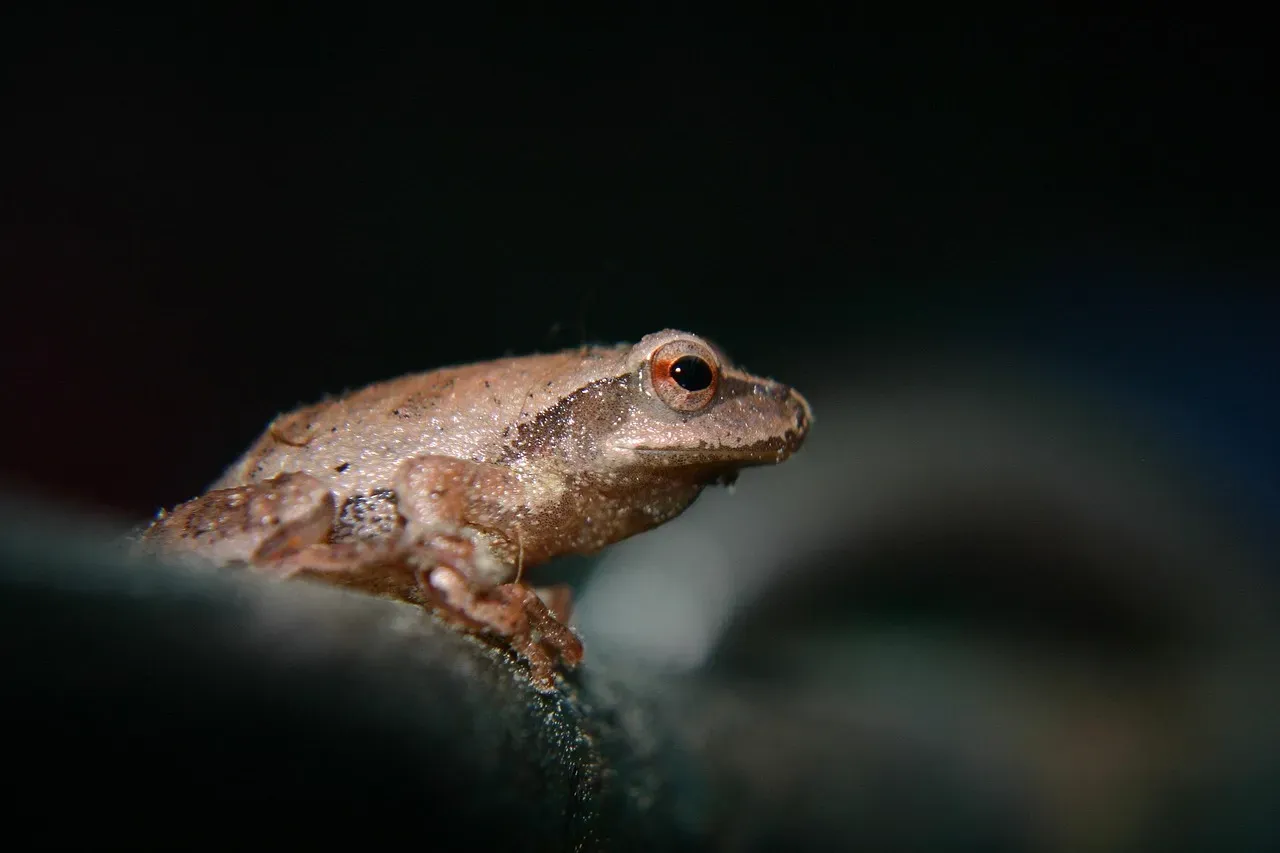
Bronx Zoo conservationists saved, bred, and reintroduced Tanzania’s Kihansi spray toads into the wild. These tiny amphibians were on death’s door, victims of a hydroelectric dam project. The zoo became their refuge, their second chance. In 2007, the zoo successfully reintroduced three Chinese alligators into the wild, a milestone in the zoo’s 10-year effort to reintroduce the species to the Yangtze River in China.
Being one of the world’s largest conservation organizations, the Wildlife Conservation Society helped create the Cockscomb Basin Wildlife Sanctuary to protect endangered jaguars in Brazil and launched the Makira Natural Park in Madagascar as a safe haven for the island’s diminishing biodiversity. Their fingerprints are everywhere, from the Bronx to the planet’s most remote corners.
Columbus Zoo and Aquarium: Gorilla Royalty and Beyond
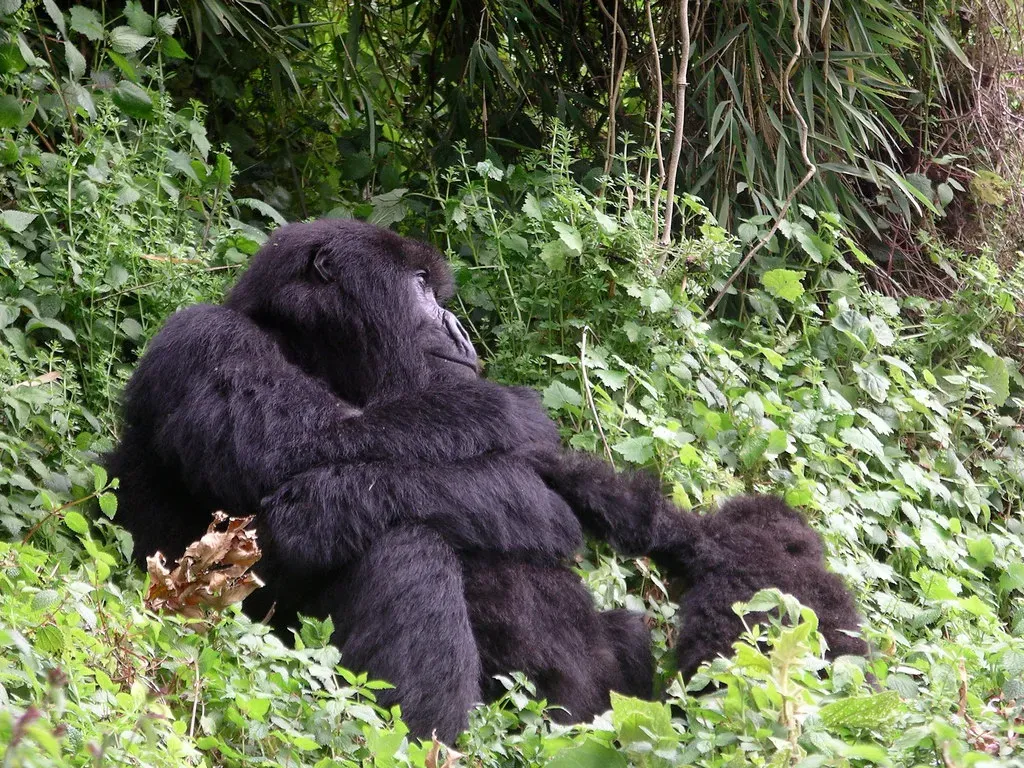
Let’s be real, some zoos just have that special sauce. Columbus is one of them. In 1956, Colo became the world’s first captive-born gorilla, and when she died in January 2017 at age 60, she was the oldest gorilla in human care. Her name has become legend in conservation circles.
The most recent baby is the 35th gorilla born at the Columbus Zoo, and though Colo passed away in 2017, her legacy and the Zoo’s gorilla program continue to have far-reaching impacts in helping protect western lowland gorillas. Her descendants live across American zoos, carrying her genes forward like torchbearers.
Here’s the thing about Columbus. They don’t just breed animals and call it a day. The zoo operates its own conservation program, donating money to outside programs and participating in their own efforts, contributing over $3.3 million to more than 70 projects in 30 countries over the past five years. That’s serious money backing serious work.
The Columbus Zoo runs a breeding program for Mexican wolves with the goal of having a population of at least 100 wolves living in what was once their natural range. They’re also deeply involved with manatees, dama gazelles, and hellbenders. From saving manatees in Florida to celebrating the release of the 800th Zoo-raised hellbender to helping people living next to Bardia National Park, Nepal to coexist with tigers, the Columbus Zoo is committed to conservation locally and around the world.
Dama gazelles are critically endangered, with fewer than 300 left in their native range, as their habitats in Chad, Mali and Niger are devastated by livestock overgrazing, land development, and uncontrolled hunting. Every birth at Columbus matters.
Smithsonian’s National Zoo: The Nation’s Conservation Laboratory
Free admission. Right in the heart of Washington. With more than 2 million visitors from all over the world each year, the Smithsonian’s National Zoo instills a lifelong commitment to conservation through engaging experiences with animals and the people working to save them.
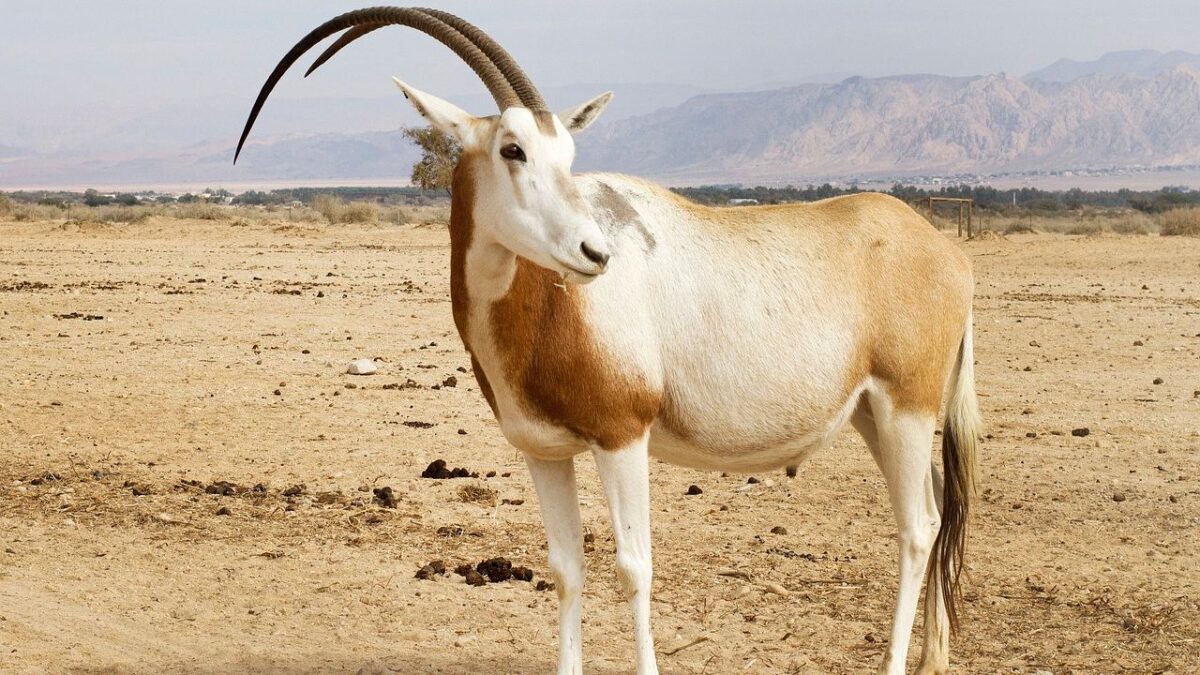
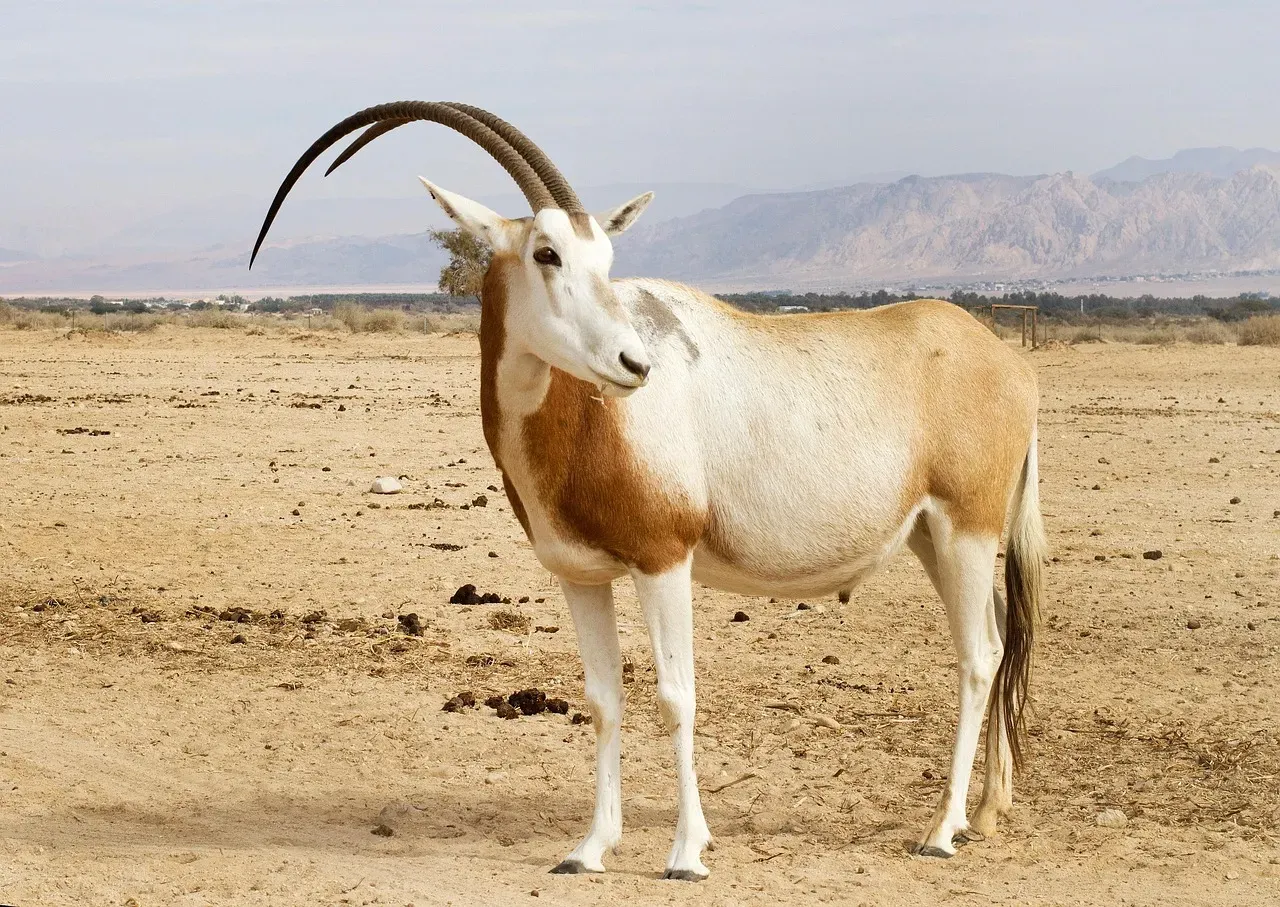
Scientists at the Smithsonian Conservation Biology Institute study and breed 20 animal species, including some that were once extinct in the wild, such as black-footed ferrets and scimitar-horned oryx. Extinct in the wild. Let that sink in. These animals existed nowhere on Earth except in human care, and now they’re being prepared for comeback tours.
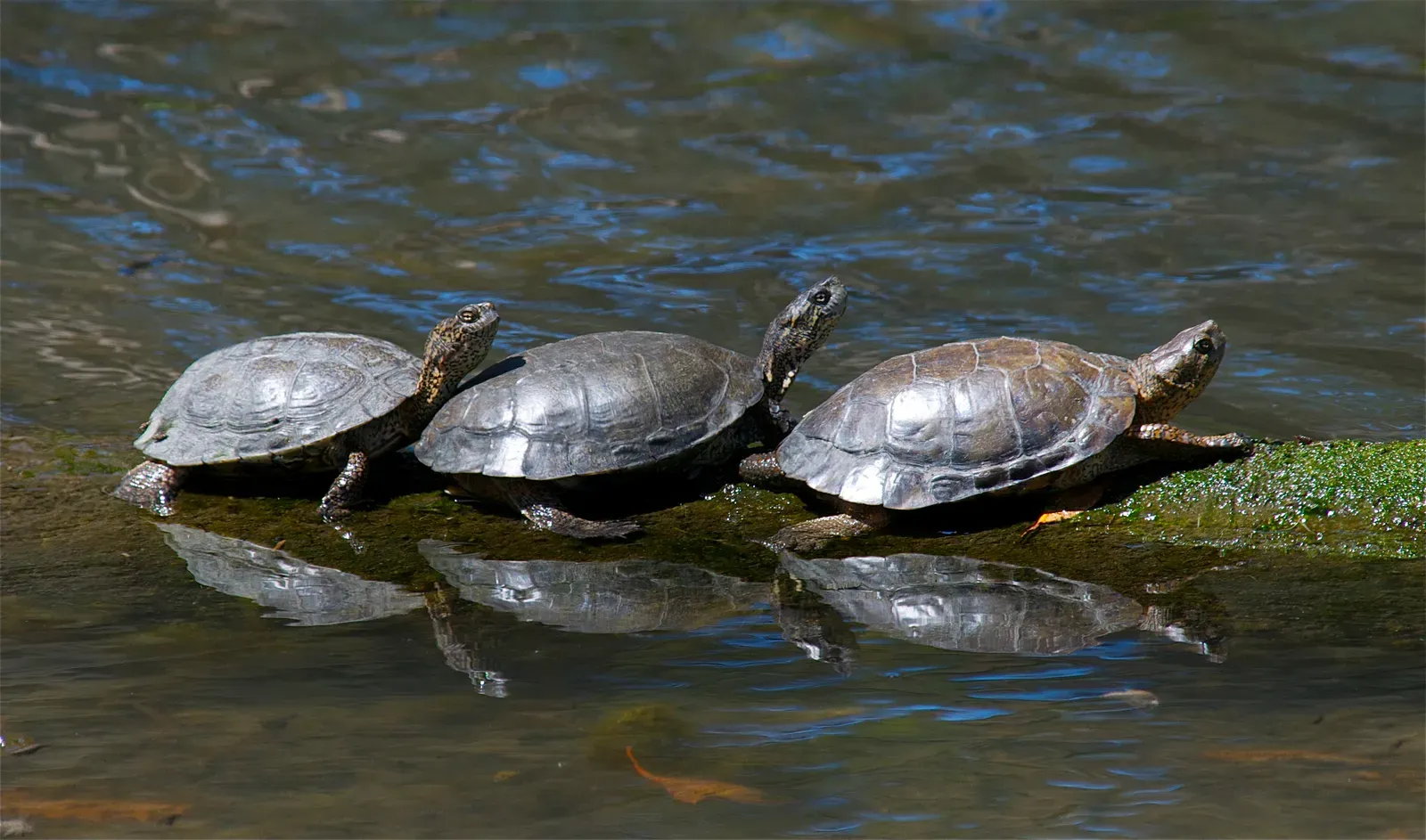
Just recently, Reptile Discovery Center keepers discovered a painted river terrapin hatchling, marking the first time this critically endangered species has successfully bred at the zoo. The baby made an epic journey through its enclosure, past a 12-foot crocodile that could have swallowed it whole, before keepers even knew it existed. Nature finds a way, even in captivity.
The zoo announced an agreement with the Royal Commission for AlUla involving critically endangered Arabian leopards from Saudi Arabia, uniting world-renowned conservation science expertise with a highly successful breeding program. The Arabian leopard is classified as critically endangered, with fewer than 120 animals estimated to survive in small, isolated groups in Oman and Yemen, and possibly extinct in the wild in Saudi Arabia. International collaboration like this is what separates good intentions from actual results.
Recently, 31 new residents were born at the zoo, many of which were endangered species. Thirty-one lives that otherwise might never have existed.
Woodland Park Zoo: Pacific Northwest Conservation Champions
Woodland Park Zoo participates in 111 Species Survival Plans, from tiny invertebrates to big cats. That’s a staggering level of commitment for any institution.
Western pond turtle eggs are collected from Washington wetlands, then hatched and raised at the zoo, and when the turtles are large enough to avoid predators, zoo scientists return them to protected wetlands where they’ve been surviving for generations to rebuild endangered populations. This head-start program is genius, honestly. Give them a fighting chance before releasing them into the wild.
Oregon silverspot butterflies are given a head start under the care of zookeepers and teen volunteers before wild release to rebuild Northwest populations. Teen volunteers working with endangered butterflies? That’s the kind of hands-on conservation education that creates lifelong wildlife advocates.
Accredited zoos play an irreplaceable role in the species survival equation, with scientific research conducted in zoos on species’ health, social behavior and reproduction being major contributions to the knowledge base on which field conservation relies, and many successful conservation technologies used in the wild have been developed in partnership with zoos. They’re not just holding pens. They’re research institutions advancing the entire field of conservation biology.
Potter Park Zoo: Small Zoo, Massive Impact
Potter Park might not have the name recognition of San Diego or the Bronx, yet their work speaks volumes. The zoo is actively involved in captive breeding and release of Puerto Rican Crested Toads, once thought extinct, and since 2009, more than 20,000 tadpoles and toadlets have left Potter Park Zoo to return to release sites in Puerto Rico. Twenty thousand tiny lives sent home.
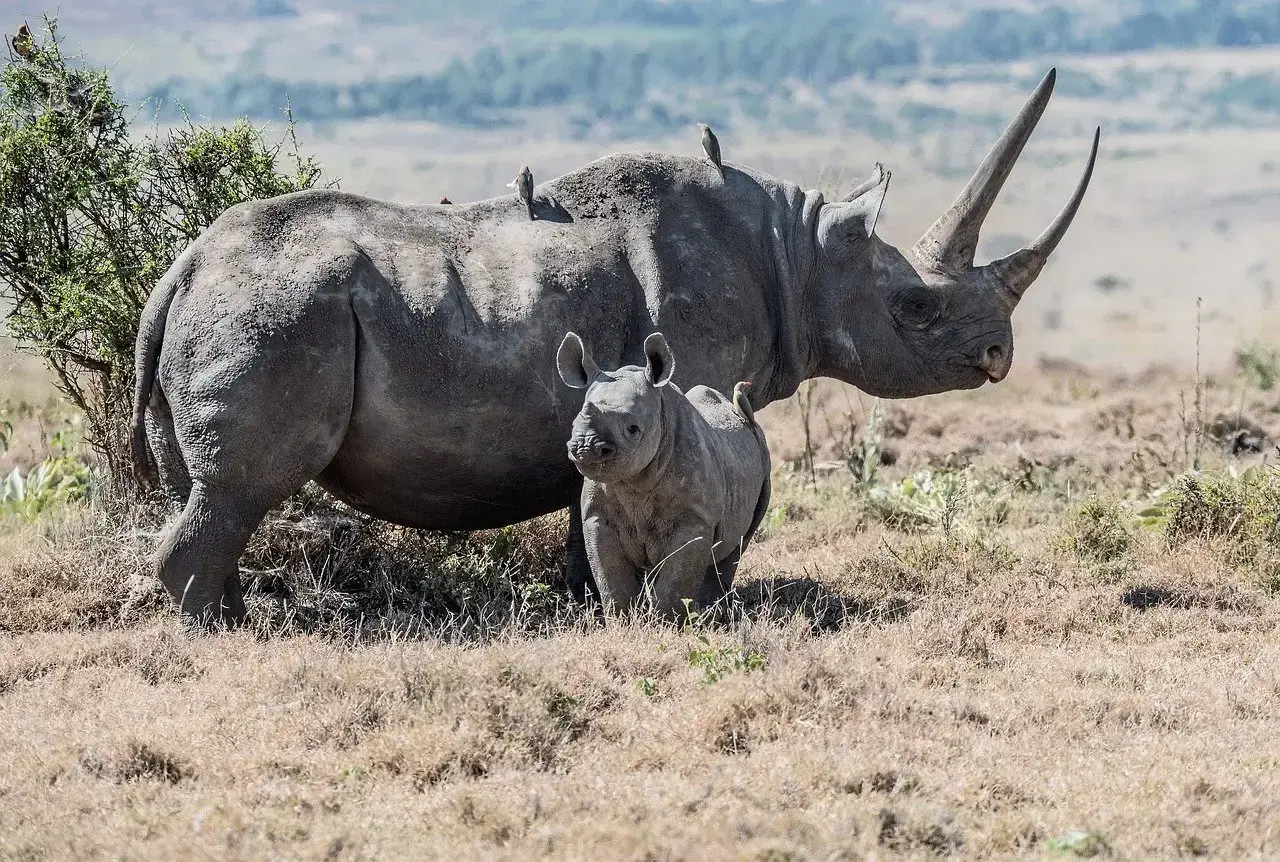
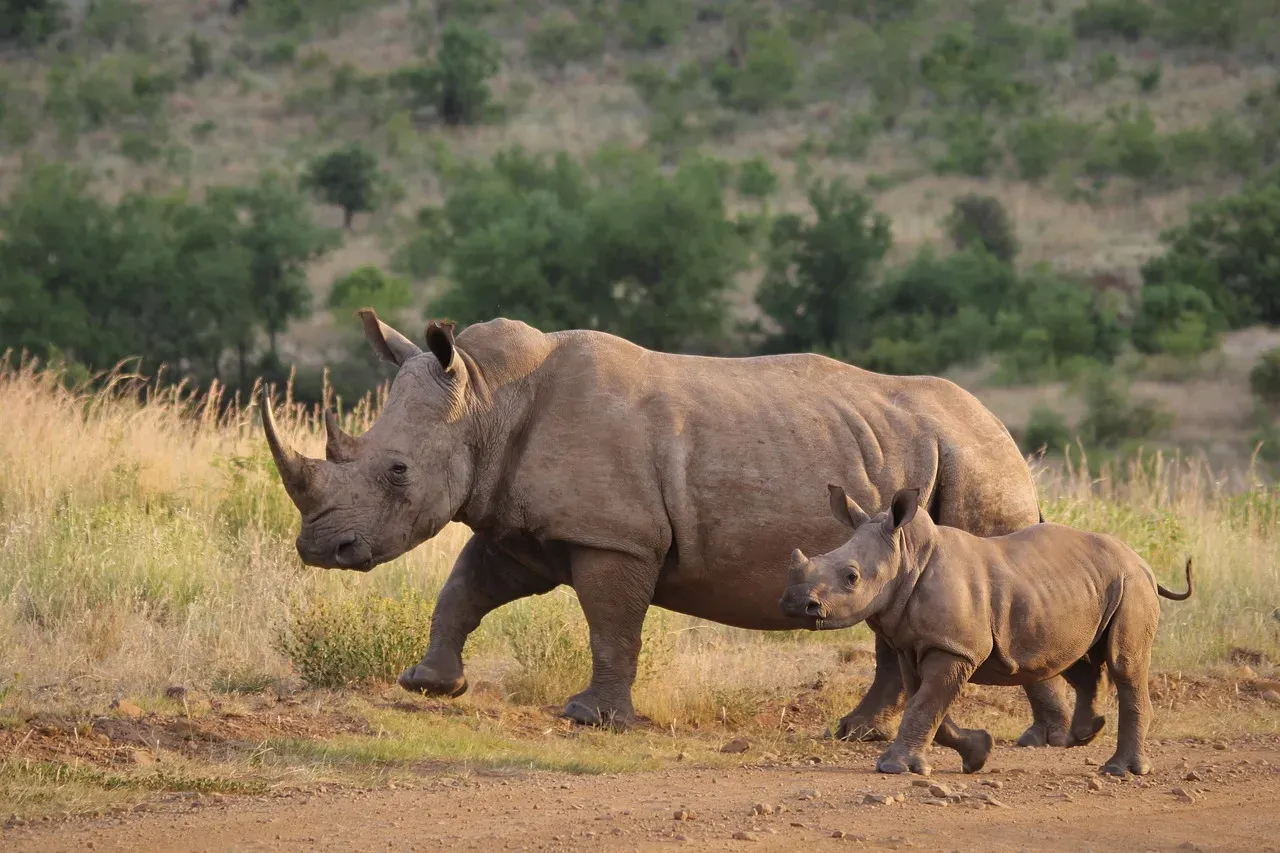
Potter Park Zoo’s Eastern black rhino breeding program produced Jaali, a conservation success, and black rhinos, considered critically endangered, suffered a 90% population decline to less than 2,500 by the early 90’s, but thanks to persistent conservation efforts, the population has increased to around 5,600 individuals. That’s a genuine comeback story.
AZA members created a program called SAFE (Saving Animals From Extinction) that focuses on collaboration of institutional knowledge about a particular species using large scale group efforts to bring attention to species in peril, working to bring existing recovery plans into a harmonized effort. Potter Park punches way above its weight class by participating in these coordinated national efforts.
Species Survival Plans are population management programs with the main goal of maintaining genetically diverse, multi-generational, and stable populations of animals in human care, with each plan keeping a carefully recorded studbook and publishing breeding and transfer plans regularly. It’s meticulous, painstaking work that requires coordination across dozens of facilities.
Cheyenne Mountain Zoo: High Altitude Conservation
Perched in Colorado’s mountains, Cheyenne Mountain Zoo brings a unique perspective to conservation work. Their high elevation location creates specialized care challenges, yet they’ve turned that into expertise. The zoo maintains careful records of endangered species under their care, tracking conservation statuses through the International Union for Conservation of Nature.
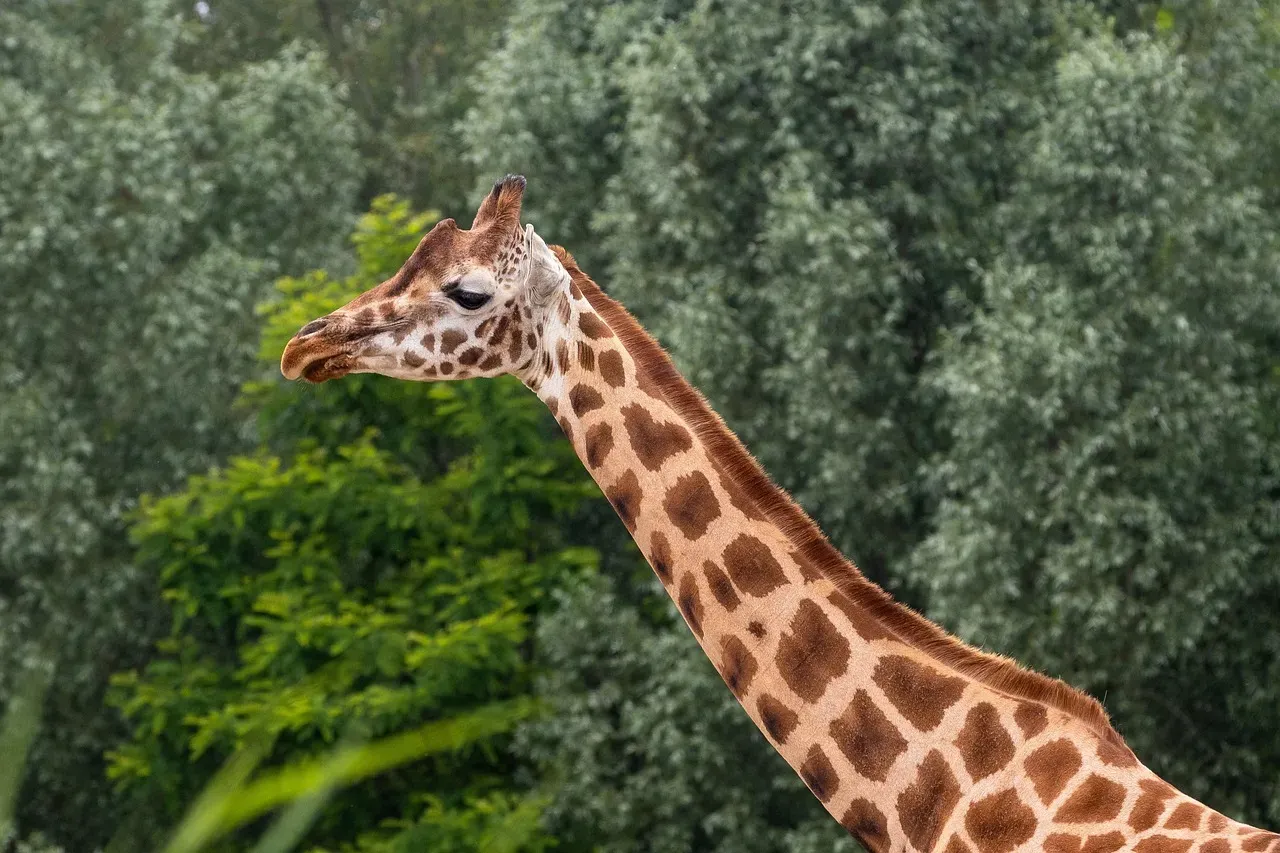
They work extensively with giraffe populations, animals that many people don’t realize face serious threats in the wild. Habitat loss and human conflict have decimated giraffe numbers across Africa. Cheyenne Mountain contributes to understanding giraffe biology and behavior in ways that inform field conservation strategies.
Their participation in Species Survival Plans ensures genetic diversity remains strong across captive populations. Every mating recommendation, every birth, every animal transfer gets coordinated through careful scientific analysis. The zoo also engages visitors in meaningful ways, connecting people to conservation challenges and inspiring action.
Educational programs reach thousands annually, turning casual zoo-goers into conservation advocates. That ripple effect matters more than most people realize. Changed hearts lead to changed behaviors, which lead to real-world impact for wildlife.
Great Plains Zoo: Heartland Heroes for Wildlife
At the Great Plains Zoo, conservation efforts happen for species native to South Dakota and for species across the globe through their many partnerships. From the American heartland, they reach around the world.
Red wolves were eradicated in the wild in the 80s, protected under the Endangered Species Act, and the Fish and Wildlife Service collected all remaining red wolves, which numbered only 14, putting them into zoos to become the first red wolf breeding program under AZA. Fourteen animals. That was the entire gene pool. Now there are viable populations being carefully managed across multiple facilities.
Black rhinos have been critically endangered since 1996 due to poaching. Great Plains keeps black rhinos as ambassadors for their wild cousins, educating visitors about the poaching crisis devastating rhino populations across Africa.
The zoo works globally with partners like Save the Rhino Trust and with organizations that support snow leopards in Nepal, mostly sending funds so local populations can help support animals that mean so much to those ecosystems. They understand that boots on the ground in native habitats matter most. Supporting local communities creates sustainable, long-term conservation success.
The Wilds: Where Safari Meets Salvation
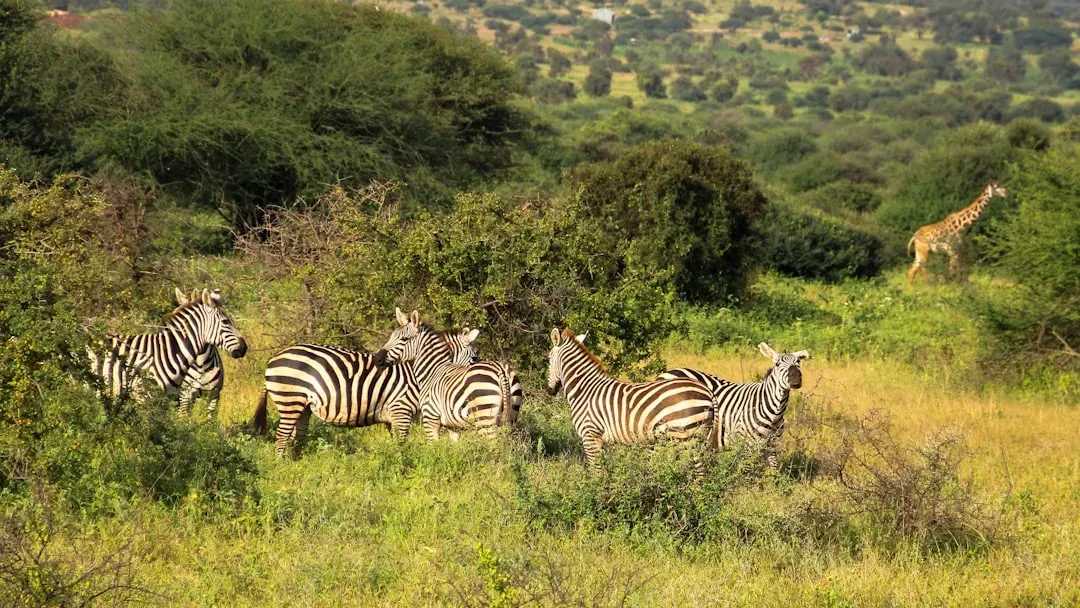
The Columbus Zoo has a close working relationship with the Wilds, a 9,154-acre animal conservation center located in southeast Ohio. This sprawling facility operates like an African savanna transplanted to Appalachia.
Wide open spaces allow for conservation breeding of species that need room to roam. Rhinos, giraffes, and wild horses thrive in environments that closely mimic their natural habitats. The Wilds specializes in large ungulates, creatures that struggle in traditional zoo settings but flourish with acreage to explore.
Research conducted at the Wilds informs field conservation across the globe. Scientists study animal behavior, reproductive biology, and social dynamics in near-natural conditions. Those insights get applied to wild populations facing survival challenges. The facility also serves as a training ground for conservation professionals from around the world.
Educational programs bring thousands of visitors annually, offering safari-style tours that connect people to wildlife in visceral, unforgettable ways. Seeing a herd of scimitar-horned oryx thundering across Ohio grasslands changes perspectives. These animals exist nowhere in the wild anymore. The Wilds keeps them alive, keeps them breeding, keeps hope burning for their eventual return to African deserts.
Looking Forward: What These Sanctuaries Mean for Our Future
Genetics in breeding programs is crucial, especially given the 69% drop in vertebrate populations since 1970. That number should terrify everyone. Nearly seventy percent gone in just over fifty years. These zoos and sanctuaries represent more than feel-good animal stories. They’re emergency rooms for species hemorrhaging toward oblivion.
In the United States, red wolves, black footed ferrets, and manatees all benefit from the work done by zoos and aquariums. Without these institutions, those species would likely be memories, photographs in textbooks, cautionary tales about what we lost.
AZA-member zoos and aquariums have participated in and supported more than 2,500 conservation projects in more than 100 countries each year, spending more than $200 million in both 2016 and 2017. That’s not charity. That’s investment in planetary survival.
The work happening at these nine facilities, and others like them, represents humanity at its best. We broke the world. We drove species to the brink. Now, at least some of us are trying desperately to put the pieces back together. Every condor chick hatched, every ferret released, every terrapin that beats the odds, represents a small victory against extinction’s relentless march.
These zoos aren’t perfect. Conservation is messy, complicated, sometimes heartbreaking work. Species still vanish. Habitats still crumble. Yet these institutions keep fighting, keep breeding, keep hoping, keep releasing animals back into wild spaces. They’re buying time, preserving genetics, maintaining populations until wild habitats can recover enough to welcome them home.
What do you think it takes to truly save a species from extinction? Tell us in the comments.

- 6 US States With the Most Armadillos - August 1, 2026
- 8 Signs That Your Dog Is Experiencing Stress and How to Help Them - August 1, 2026
- 5 US States With The Most Peregrine Falcon - August 1, 2026