


The use of the painkiller diclofenac in India’s agricultural sector has had devastating consequences for the country’s vulture population. Introduced in the early 1990s, diclofenac became a popular treatment for cattle, but it proved to be fatal to vultures that fed on the carcasses of treated animals. This led to a dramatic decline in the vulture population, from an estimated 50 million to just a few thousand.
Nature’s Clean-Up Crew

Vultures play a crucial role in India’s ecosystem by consuming animal carcasses that would otherwise rot and spread disease. These birds are efficient scavengers, capable of cleaning a cow carcass in about 45 minutes. Their decline has disrupted this natural clean-up process, leading to an increase in disease-spreading scavengers like feral dogs and rats. This shift has been linked to a rise in diseases such as rabies, which has contributed to an estimated 500,000 human deaths.
The Economic and Environmental Toll
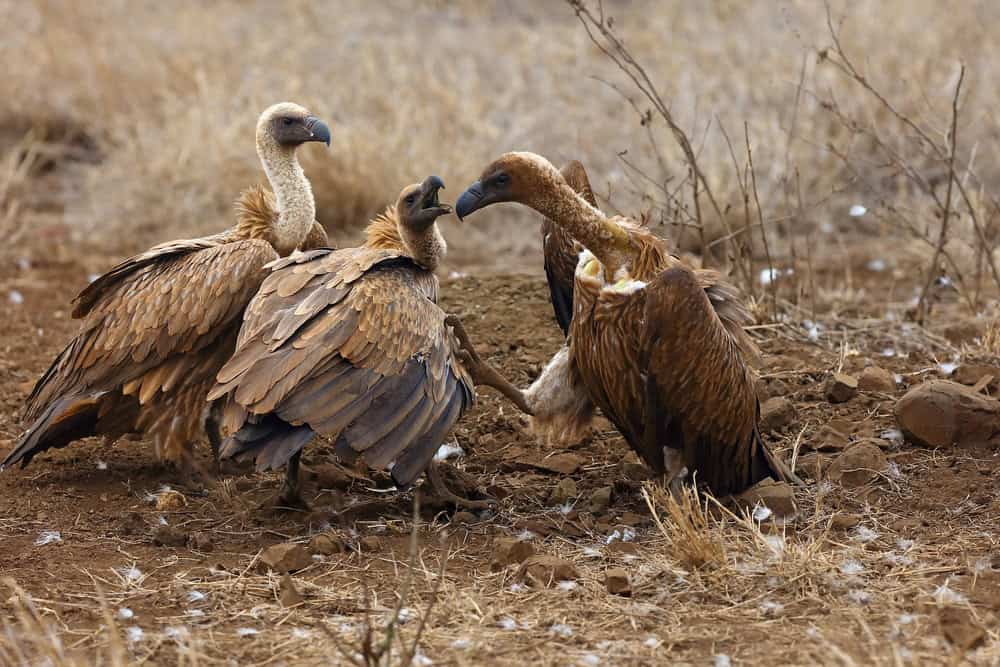
The loss of vultures has not only had severe public health implications but also significant economic costs. The estimated economic losses from increased healthcare needs and other related factors amount to $69 billion annually. The Indian government banned the veterinary use of diclofenac in 2006, but the enforcement of this ban has been inconsistent. Conservation efforts are urgently needed to restore vulture populations, which are slow to recover due to their low reproductive rates.
Alternatives and the Way Forward

To address the crisis, the study’s authors suggest increasing funding for vulture conservation and stricter enforcement of diclofenac bans. While alternatives like incinerators for animal carcasses have been considered, they are costly and environmentally taxing. The natural scavenging role of vultures remains the most efficient and sustainable option for managing animal carcasses.
A Call for Action

The situation highlights the interconnectedness of wildlife conservation and human health. The authors argue that conservation efforts should not only focus on charismatic species like tigers but also on species like vultures, which play a critical role in ecosystem health. The ongoing crisis underscores the need for urgent action to protect India’s vulture population and, by extension, public health and economic stability.

For any feedback please message Feedback@animalsaroundtheglobe.com
- Watch: River Otter Run and Slide over Frozen Lake for Over a Mile - July 17, 2026
- Baby Elephant Wants To Enter Tourist Bus - July 17, 2026
- Watch: Leaping dolphin lands on boat and breaks woman’s ankles - July 17, 2026