

In a world where countless species have faced extinction, a remarkable few have managed to withstand the test of time. These ancient animals, often referred to as “living fossils,” offer a mesmerizing glimpse into Earth’s biological past. These creatures have survived unimaginable environmental shifts and natural adversities, retaining the physical and biological characteristics of their ancestors. Here, we explore 23 of these ancient marvels that continue to intrigue scientists and nature enthusiasts alike.
1. Horseshoe Crab
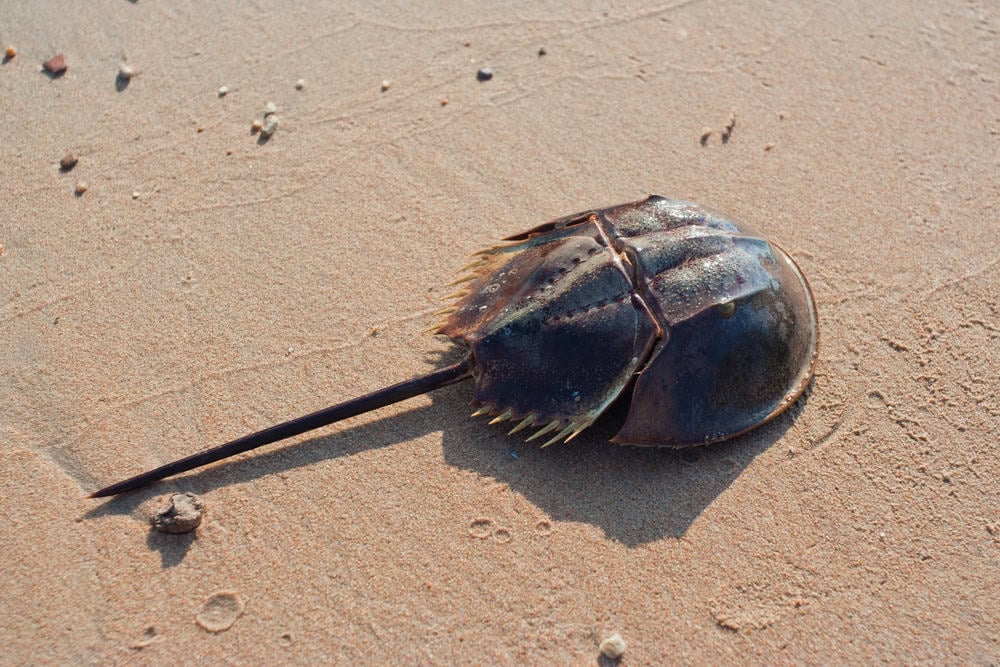
Often cited as one of the oldest species on Earth, the horseshoe crab has existed for over 450 million years. Despite their name, horseshoe crabs are more closely related to arachnids than crustaceans. Their unique, smooth, and helmet-like shell and blue blood—rich in copper—are hallmarks of their ancient lineage.
2. Coelacanth
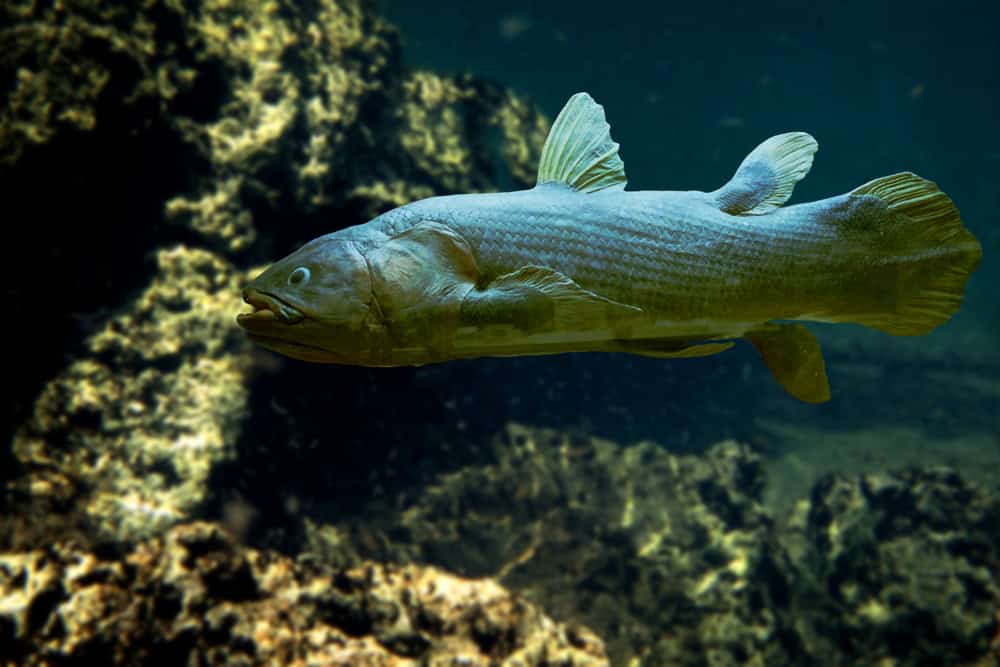
Once thought to be extinct, the coelacanth gained legendary status when it was rediscovered in 1938 off the coast of South Africa. Known for its distinctive lobed pectoral fins and a lineage tracing back 400 million years, this deep-sea dweller has provided valuable insights into the evolution of land-dwelling vertebrates.
3. Nautilus
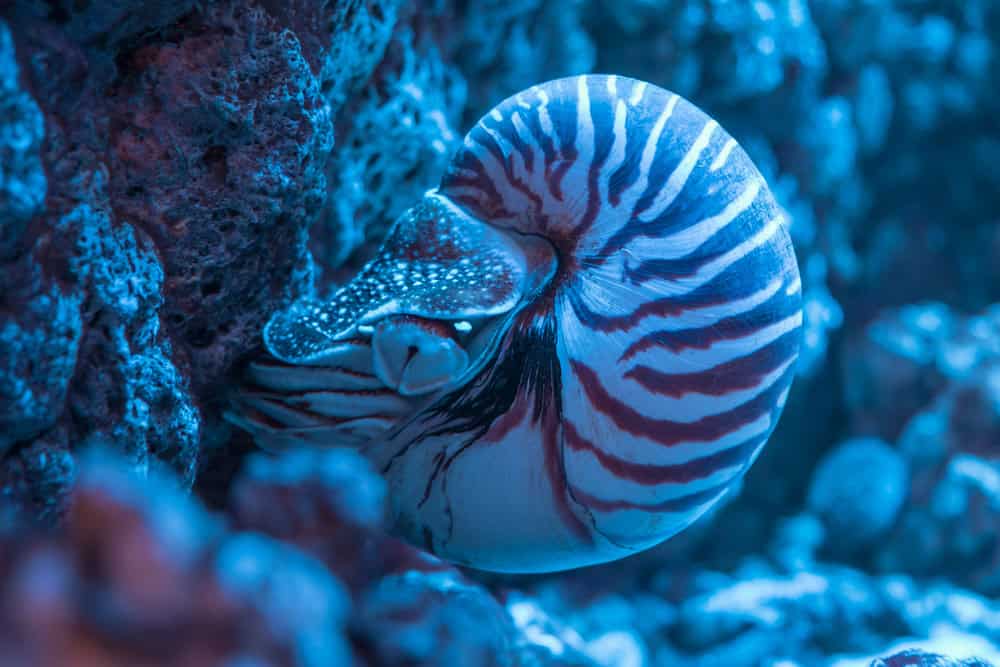
The Nautilus, with its beautifully coiled shell, has gracefully swum through the oceans for 500 million years. These cephalopods are known for their buoyancy control and striking design, which helps them glide along the ocean’s currents. Their simple yet effective biological adaptations offer a window into evolutionary processes.
4. Tuatara

Native to New Zealand, the tuatara is a reptile that resembles lizards but belongs to a defunct evolutionary line called Rhynchocephalia. Having existed for around 200 million years, this nocturnal creature boasts a “third eye” on its forehead, which helps regulate circadian rhythms.
5. Sturgeon
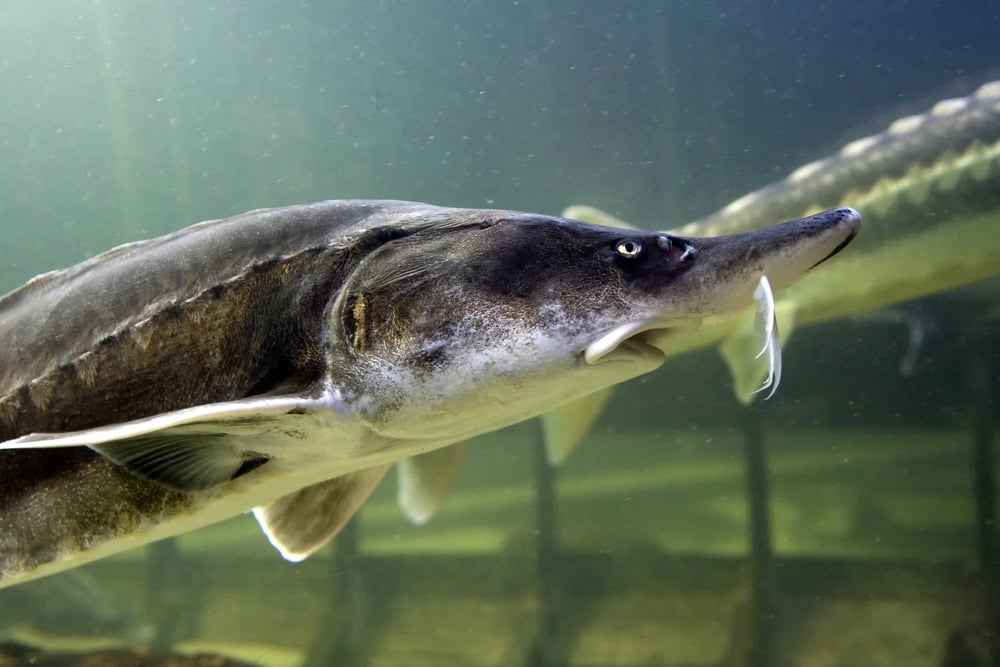
This large, bony fish predates the dinosaurs, existing for over 200 million years. Known for their caviar-producing capabilities, sturgeons inhabit freshwater rivers and lakes across the Northern Hemisphere, demonstrating significant resilience over time.
6. Alligator Gar

The alligator gar has a lineage dating back to the early Cretaceous period, roughly 113 million years ago. This predatory fish, with its elongated body and dual rows of razor-sharp teeth, is as formidable as it is ancient, playing a pivotal role in many aquatic ecosystems.
7. Jellyfish

Jellyfish, some of the oldest multi-organ animals, have floated through Earth’s oceans for over 500 million years. Despite lacking brains and hearts, these gelatinous creatures possess rudimentary nerve nets that enable them to thrive in aquatic environments across the globe.
8. Velvet Worm

Velvet worms have captivated scientists due to their unaltered lineage spanning back over 500 million years. These creatures, resembling a cross between a caterpillar and a slug, are renowned for their unique method of trapping prey with sticky slime.
9. Chinese Giant Salamander

The world’s largest amphibian, the Chinese giant salamander, has remained largely unchanged for 170 million years. This critically endangered species is a sensitive indicator of freshwater ecosystem health and an extraordinary example of long-term survival.
10. Lamprey
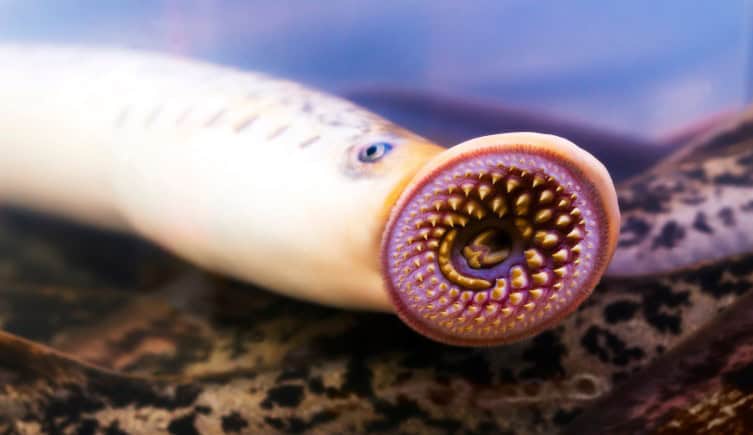
The lamprey, resembling an eel with its jawless, circular mouth, is a parasitic fish that has prowled Earth’s waters for approximately 360 million years. Their primitive features have sparked significant interest in their evolutionary history.
11. Hagfish
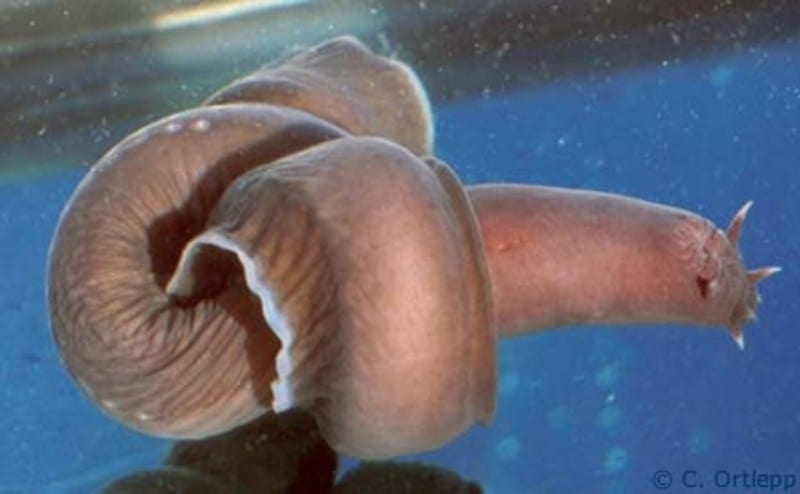
Known as “slime eels,” hagfish have survived for around 300 million years. These jawless creatures are infamous for their ability to produce copious amounts of slime as a defence mechanism, showcasing one of nature’s more bizarre survival strategies.
12. Monito del Monte

This small marsupial, considered a “living fossil,” has dwelled in the forests of South America for nearly 4 million years. As a crucial seed disperser, the Monito del Monte plays a vital ecological role while representing an ancient lineage of marsupials.
13. Okapi

The okapi, a relative of the giraffe, has traits that have existed for millions of years. Native to the rainforests of the Democratic Republic of the Congo, okapis are known for their zebra-like stripes and long necks, which speak to their ancient ancestry.
14. Goblin Shark

The goblin shark, hauntingly rare and distinct, has inhabited the deep sea for approximately 125 million years. Its protrusible jaw and elongated snout are reminiscent of its prehistoric relatives, providing a unique glimpse of ancient marine life.
15. Aardvark

This nocturnal mammal, with a peculiar appearance and long snout, shares lineage with elephants and has existed for over 5 million years. The aardvark plays a critical ecological role through its consumption of termites and ants, showcasing its adaptive evolution.
16. Platypus

The platypus is often viewed as one of nature’s oddities. Combining features of birds, mammals, and reptiles, this egg-laying mammal has remained relatively unchanged for nearly 110 million years, intriguing scientists with its unique characteristics.
17. Frilled Shark

Sometimes referred to as a “living fossil,” the frilled shark has eerie, prehistoric features that date back 80 million years. Found in deep, dark waters, its serpentine body and gill slits offer a glimpse into the primordial nature of early sharks.
18. Lungfish

Lungfish have been present for approximately 400 million years, renowned for their ability to breathe both in water and on land. Their evolutionary adaptations add to the narrative of life transitioning from aquatic to terrestrial environments.
19. Mary River Turtle

Discovered in southeastern Queensland, Australia, the Mary River turtle boasts an ancient lineage with unique biological traits, such as the ability to breathe through their cloaca. This evolutionary marvel, however, faces threats from habitat destruction.
20. Dungeness Crab
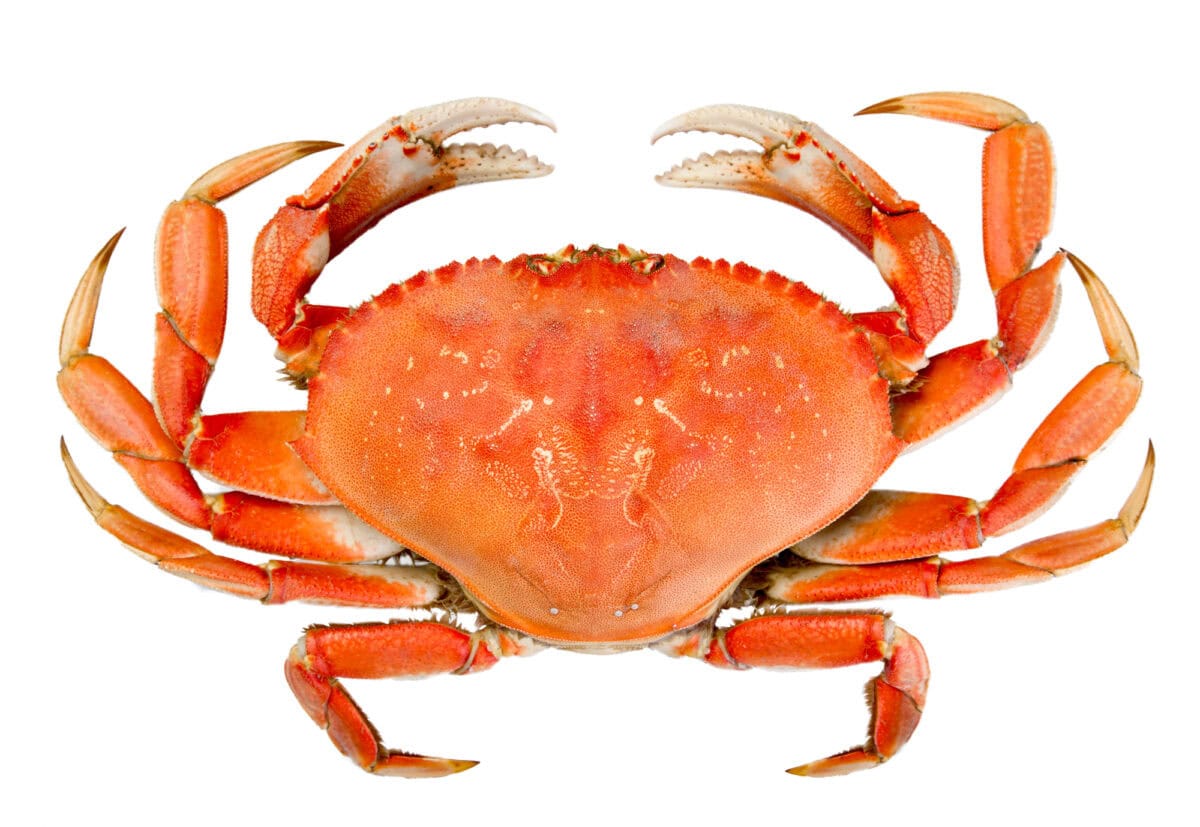
With a lineage dating back 150 million years, the Dungeness crab is a significant part of the marine ecosystem along the Pacific coast of North America. Its enduring presence underscores its adaptative success across millennia.
21. Pygmy Right Whale
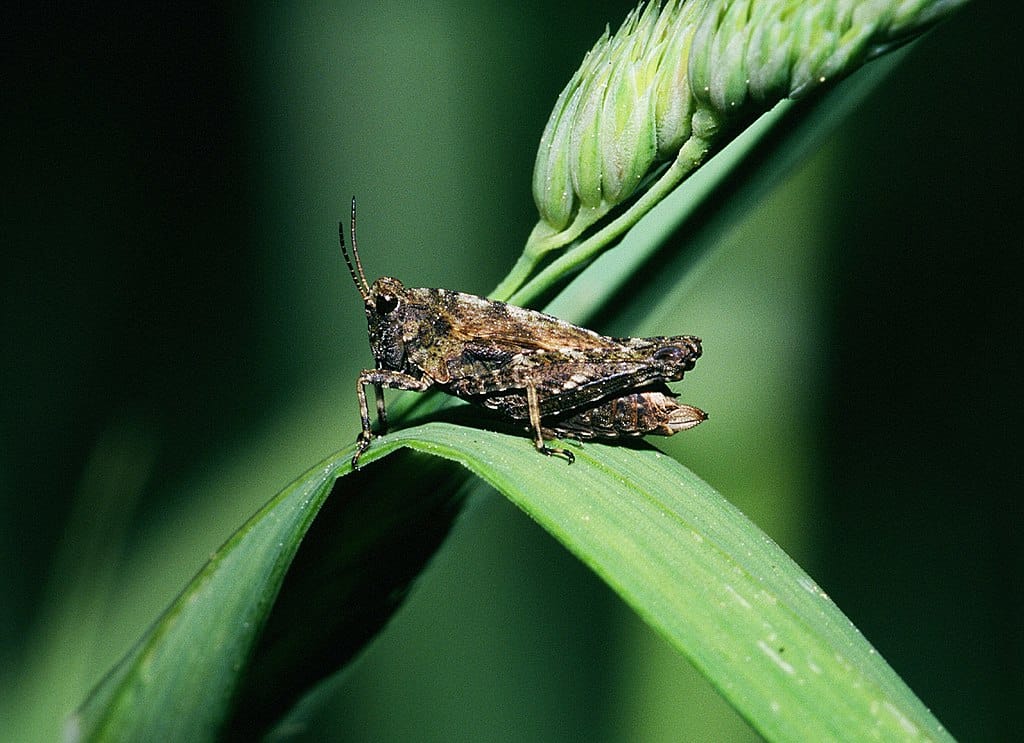
Known as one of the smallest baleen whales, the pygmy right whale has a mysterious existence dating back around 23 million years. Its unique skeletal structure hints at an ancient evolutionary pathway distinct from other whale species.
22. Red Panda

Red pandas, with their striking reddish-brown fur and playful demeanour, have ancient origins that highlight their long-standing lineage. These elusive mammals are vital to the biodiversity of the Eastern Himalayas, embodying the resilience of ancient species.
23. Crocodile

The crocodile has been around for over 240 million years, outlasting dinosaurs to become the powerful apex predators we know today. Their evolutionary success lies in their highly efficient body design and adaptability to varied habitats.
Conclusion

The ancient animals that roam our planet today are living links to Earth’s distant past. Their very existence sheds light on evolutionary developments and challenges faced over millions of years. By studying and protecting these remarkable creatures, we gain invaluable knowledge about our planet’s history and life’s resilience in the face of change. The persistence of these species reminds us of the incredible diversity of life and the ongoing story of evolution that continues to unfold around us.

As a little kid, I fell in love with nature, wildlife, and animals. Living in the USA, South Africa, Italy, China and Germany gave me the opportunity to discover the world's Wildlife. My favorite animals are Mountain Gorillas, Siberian Tigers, and Great White Sharks.
I'm a certified PADI Open Water Diver, went to Everest Base Camp and Trekked Gorillas in Uganda. I hold a Master of Science in Economics and Finance.
Please send any feedback to feedback@animalsaroundtheglobe.com
- 13 Cat Breeds That Get Along with Dogs - July 20, 2026
- The 12 Largest Dog Breeds That Still Love to Cuddle - July 20, 2026
- 12 Pet Habits That Secretly Mean They Love You - July 20, 2026