

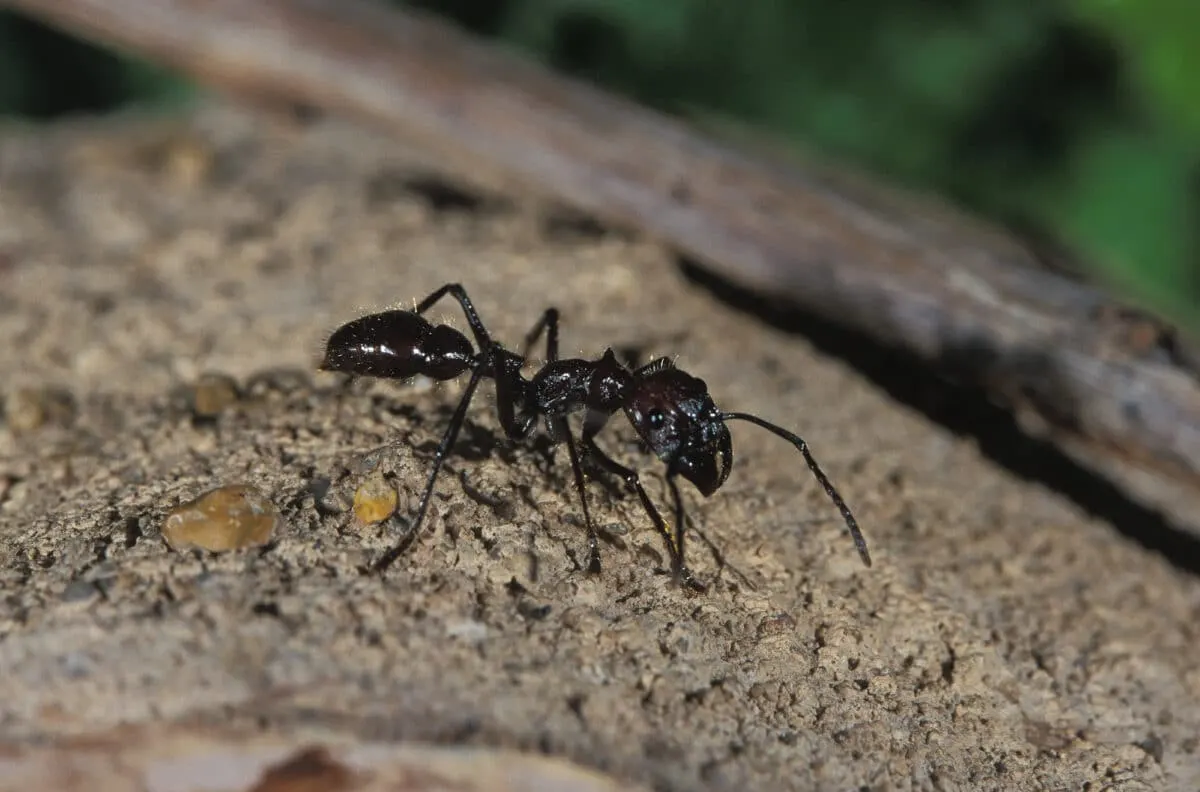
Household insects, while often small, can be significant nuisances, causing discomfort and even health issues. Instead of reaching for chemical-laden solutions, many homeowners are turning to natural methods to control and eliminate these unwanted guests. This article explores ten natural ways to combat common household insects, ensuring a safe and pest-free environment.
Essential Oils as Insect Repellents
Essential oils such as peppermint, lavender, and eucalyptus have proven effective in repelling insects. Peppermint oil, in particular, can combat ants and spiders. Mix a few drops of the oil with water in a spray bottle and apply it to areas where these insects are commonly seen. The strong scent disrupts their ability to communicate, driving them away.
Vinegar Solutions

White vinegar is a versatile household item that serves as an excellent insect deterrent. Its strong smell repels ants, fruit flies, and even some spiders. To make a vinegar spray, mix equal parts of water and vinegar and spray it around door frames, windowsills, and any ant trails you spot.
Boric Acid for Pest Control
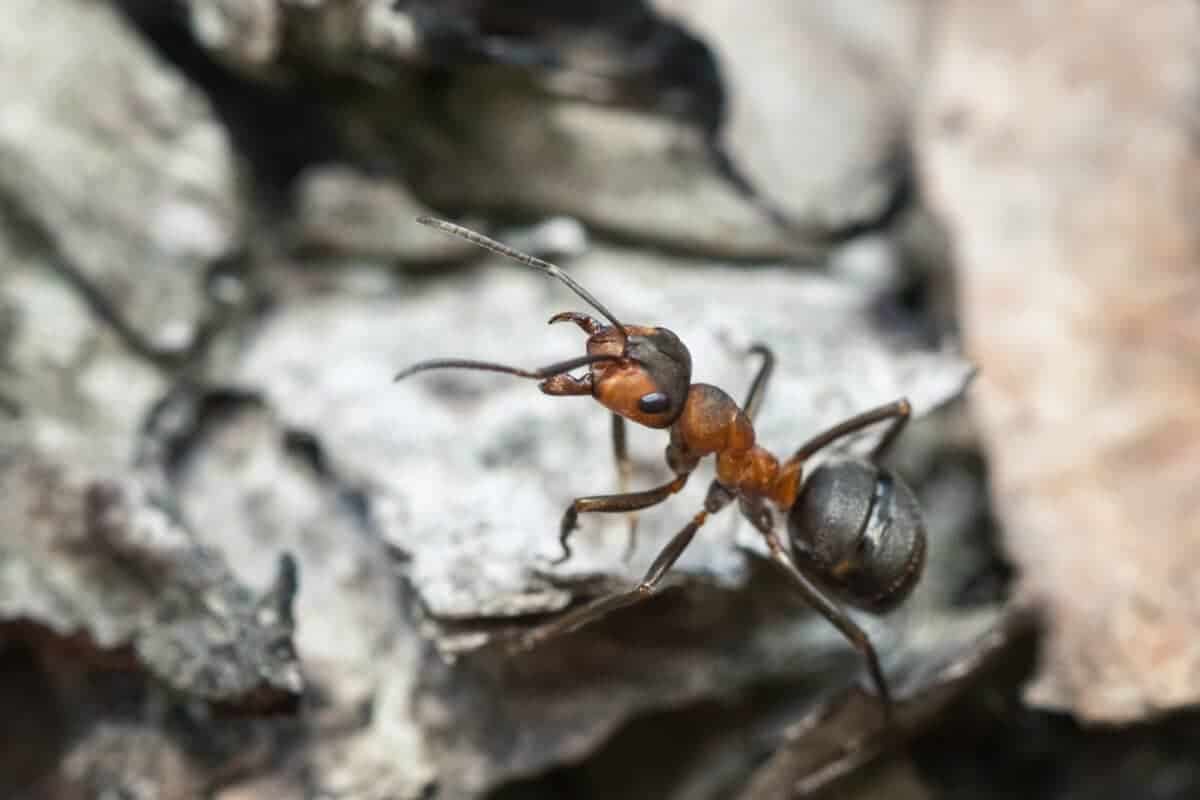
Boric acid is a naturally occurring compound effective in controlling cockroaches, ants, and termites. When insects ingest it, boric acid disrupts their digestive and nervous systems, leading to their eventual demise. Sprinkle a small amount in areas where these pests frequent, ensuring it’s out of reach of children and pets.
Diatomaceous Earth

Diatomaceous earth is a non-toxic powder made from fossilized microorganisms. It kills insects by dehydrating them. Sprinkle food-grade diatomaceous earth in areas like baseboards, under cabinets, and around entry points. It works well against bed bugs, fleas, and cockroaches.
Lemon and Citrus Peels

Insects like ants and flies detest the smell of citrus. Lemon and orange peels can be used to repel them effectively. Rub fresh peels on surfaces or simmer them in water to create a natural citrus spray, deterring insects from making your home theirs.
Cedarwood for Moth Protection

Cedarwood has long been used to protect clothing from moths. The aromatic oils in cedar are toxic to these insects. Place cedar blocks or sachets in wardrobes and storage areas to keep moths at bay. Over time, sanding the cedar will refresh its scent.
Garlic Spray

Garlic’s potent aroma can act as a repellent for mosquitoes and other flying insects. To create a garlic spray, crush a few cloves and steep them in water, then strain and spray the mixture around outdoor areas. This eco-friendly method helps create a mosquito-free space without chemicals.
Baking Soda and Sugar for Ants

Baking soda mixed with sugar can serve as bait for ants. The sugar attracts them, while the baking soda kills them when ingested. Place small lids or shallow containers with this mixture in areas of ant activity.
Cucumber Peels
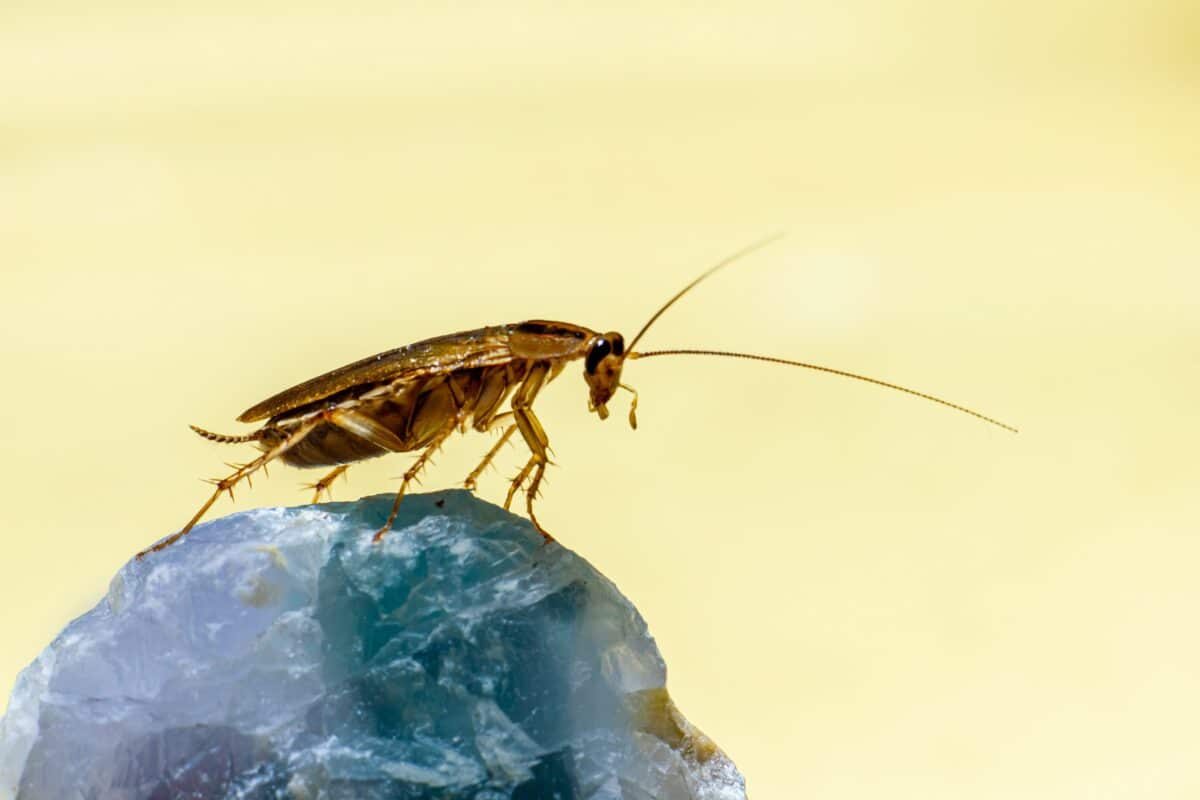
Cucumbers are naturally repulsive to ants and cockroaches. Place cucumber peels near entrances, windowsills, or other infested areas. The bitterness and natural compounds in cucumbers drive these pests away without harmful chemicals.
Neem Oil for Multi-Purpose Insect Control

Neem oil is extracted from the seeds of the neem tree and is an effective insecticide. It targets a wide range of insects, including aphids, cockroaches, and bed bugs. Apply neem oil directly or use it in a diluted form as a spray on indoor plants or infested areas.
Conclusion
These natural methods provide safe and effective solutions to combat common household insects. While they may require a bit more effort and consistency compared to chemical treatments, their eco-friendly nature and safety for humans and pets make them worth considering. By incorporating these practices, you can maintain a comfortable, pest-free home environment.

As a little kid, I fell in love with nature, wildlife, and animals. Living in the USA, South Africa, Italy, China and Germany gave me the opportunity to discover the world's Wildlife. My favorite animals are Mountain Gorillas, Siberian Tigers, and Great White Sharks.
I'm a certified PADI Open Water Diver, went to Everest Base Camp and Trekked Gorillas in Uganda. I hold a Master of Science in Economics and Finance.
Please send any feedback to feedback@animalsaroundtheglobe.com
- 13 Cat Breeds That Get Along with Dogs - July 20, 2026
- The 12 Largest Dog Breeds That Still Love to Cuddle - July 20, 2026
- 12 Pet Habits That Secretly Mean They Love You - July 20, 2026