


The platypus is a marvel of evolution, situated at the crossroads of mammals, birds, and reptiles. Its ancestors branched off from other mammals around 166 million years ago, resulting in a patchwork of characteristics that baffle scientists. Unlike typical mammals, females lay eggs, an attribute shared with early mammalian ancestors and reptiles. This unique biological tapestry raises questions about evolutionary processes, making the platypus a subject of intense scientific curiosity and study.
Mammalian Yet Egg-Laying

One of the most intriguing aspects of the platypus is its reproduction. As a monotreme, the platypus is part of an exclusive group of egg-laying mammals alongside echidnas. Female platypuses lay one to three eggs and incubate them by curling around them. This reproductive behavior is vastly different from the live births seen in the majority of mammalian species, offering insights into how reproductive strategies have evolved over millennia.
Electroreception Detecting Prey
A fascinating feature of the platypus is its ability to detect electric fields generated by the muscle contractions of its prey. This electrolocation ability is facilitated by specialized receptors located in its bill. When hunting, a platypus closes its eyes, ears, and nose and relies solely on this extraordinary seventh sense to find food, such as insects and small crustaceans, in the murky waters of its habitat.
A Bill Like No Other

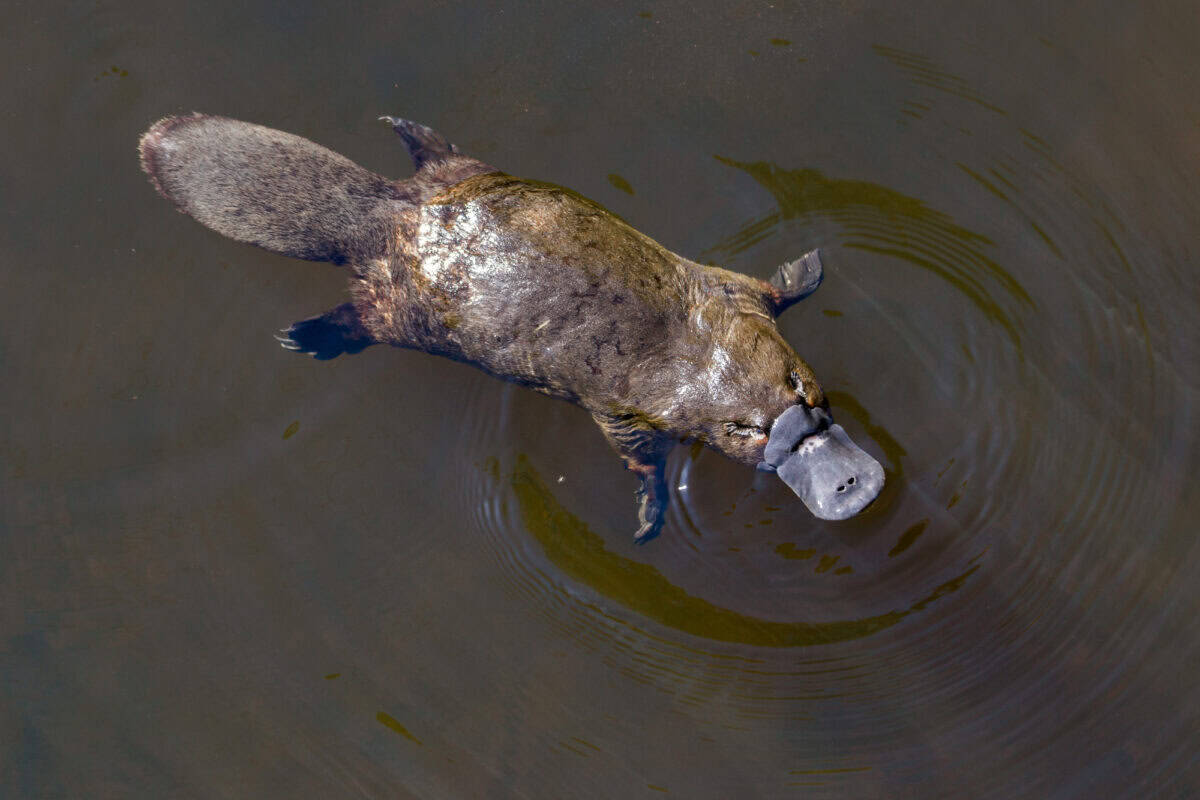
The platypus’s bill is not simply a tool for feeding but an incredible sensory organ. Covered with sensitive skin, it acts like a sophisticated receptor network detecting minute changes in water currents and electric fields. This unique adaptation is pivotal for its survival, allowing the platypus to locate prey even in complete darkness underwater. The bill’s sensitivity sets the platypus apart from other mammals and highlights its evolutionary adaptability.
Aquatic and Terrestrial
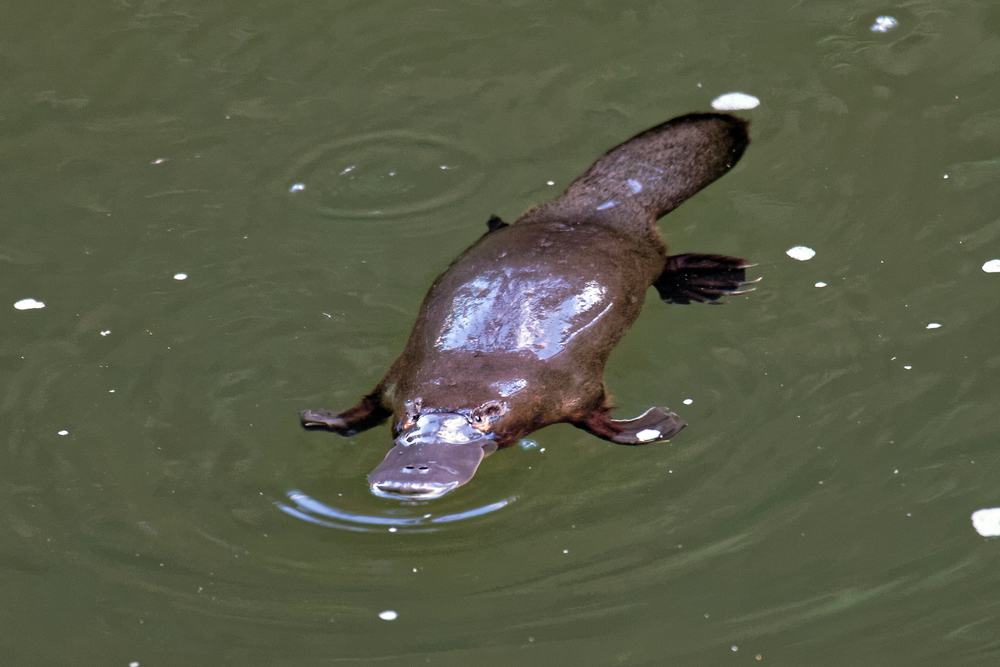
The platypus, which lives primarily in eastern Australia, is superbly adapted to both land and aquatic environments. Although it spends much of its time in rivers, lakes, and streams, it builds burrows to nest along water banks when on land. This duality in habitat allows it access to diverse food sources and safety from predators, showcasing the animal’s versatile nature.
Mammal with a Venomous Spur
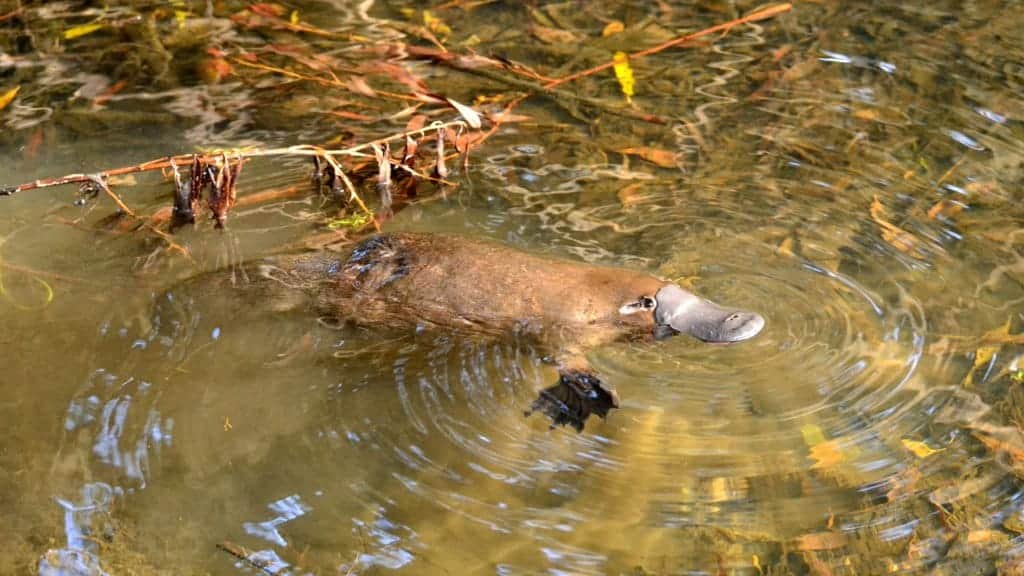
Male platypuses possess venomous spurs on their hind legs, an unusual trait for mammals. During the breeding season, these spurs can deliver painful venom to rival males in territorial disputes. While the venom is not lethal to humans, it causes significant pain and swelling, illustrating the platypus’s capability to defend itself in the wild.
The Lack of a Stomach
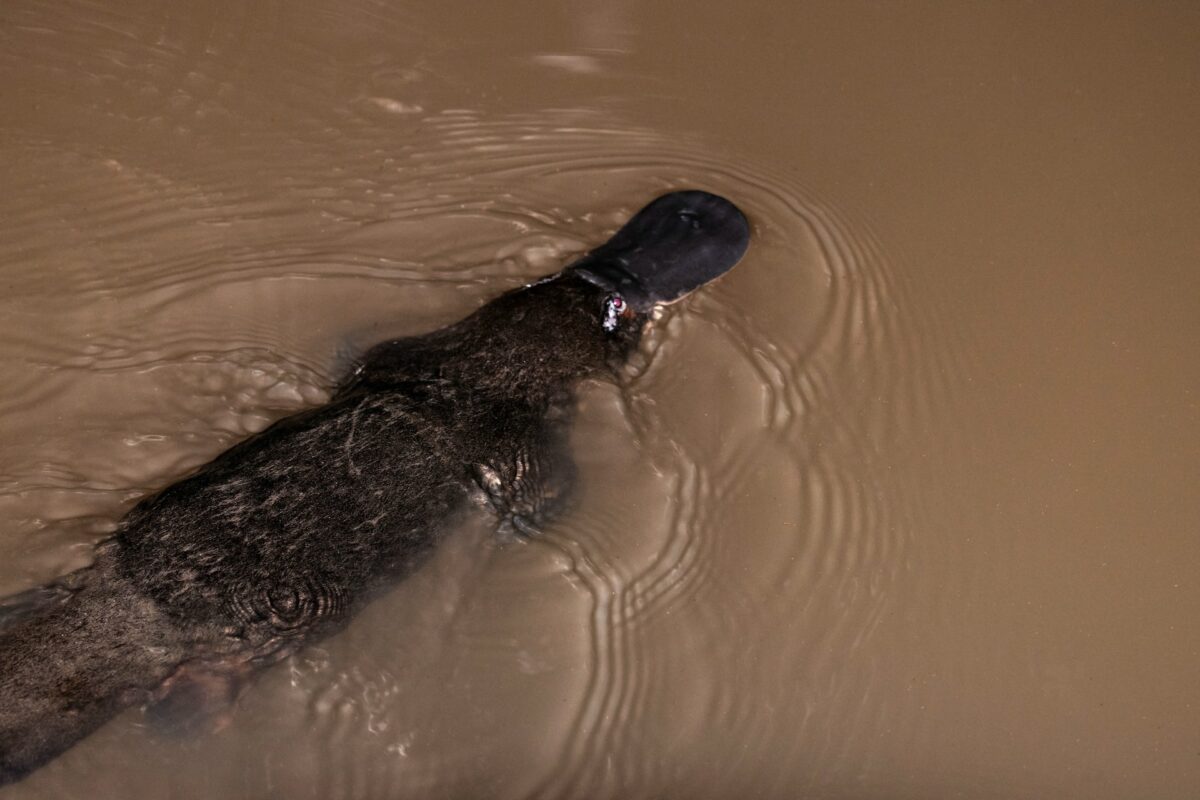
Interestingly, the platypus lacks a conventional stomach. Instead, its esophagus leads directly to the intestine. This anatomy suggests an evolutionary adaptation possibly linked to its diet, which primarily consists of easily digestible crustaceans and insects. This unique trait differentiates the platypus from most vertebrates and hints at evolutionary pressures that shaped its digestive system over time.
The Mystery of Milk
Although the platypus lays eggs, its mother nurtures the young with milk. Unlike most mammals, the platypus has no teats. Instead, milk is secreted through specialized mammary gland ducts and absorbed by the skin, from which the young lap it up. This form of nursing is an intriguing adaptation that circumvents the need for more typical mammalian feeding structures.
Chromosomal Puzzles

Geneticists have been fascinated by the platypus’s complex sex chromosome arrangement. With ten sex chromosomes compared to the typical two found in humans, this mosaic arrangement is linked to both mammalian and avian chromosome patterns. Studying these chromosomes provides scientists with clues about the evolution of sex-determination systems across different species.
Cultural and Scientific Significance

Since its discovery by Europeans in the late 18th century, the platypus has confounded scientists and sparked curiosity worldwide. Early observers even considered it a hoax, unable to fathom its bizarre physiology. Today, the platypus is a symbol of Australian wildlife, often serving as a reminder of the planet’s biological diversity and the mysteries that remain in the animal kingdom.

As a little kid, I fell in love with nature, wildlife, and animals. Living in the USA, South Africa, Italy, China and Germany gave me the opportunity to discover the world's Wildlife. My favorite animals are Mountain Gorillas, Siberian Tigers, and Great White Sharks.
I'm a certified PADI Open Water Diver, went to Everest Base Camp and Trekked Gorillas in Uganda. I hold a Master of Science in Economics and Finance.
Please send any feedback to feedback@animalsaroundtheglobe.com
- The Largest Octopus Ever Recorded Off the Coast of Washington - July 1, 2026
- 10 Patriotic Animals Associated With U.S. History - June 30, 2026
- 14 Reasons Chickens Make Surprisingly Great Pets - June 30, 2026