


The shoebill stork, scientifically known as Balaeniceps rex, is an enigmatic bird that captivates the attention of bird enthusiasts and scientists alike. Often described as dinosaur-like due to its imposing stature and prehistoric features, the shoebill hails from the marshlands and swamps of East and Central Africa. This solitary avian predator is not only remarkable in appearance but also boasts a unique hunting strategy that has fascinated researchers for years.
A Dinosaur-Like Appearance
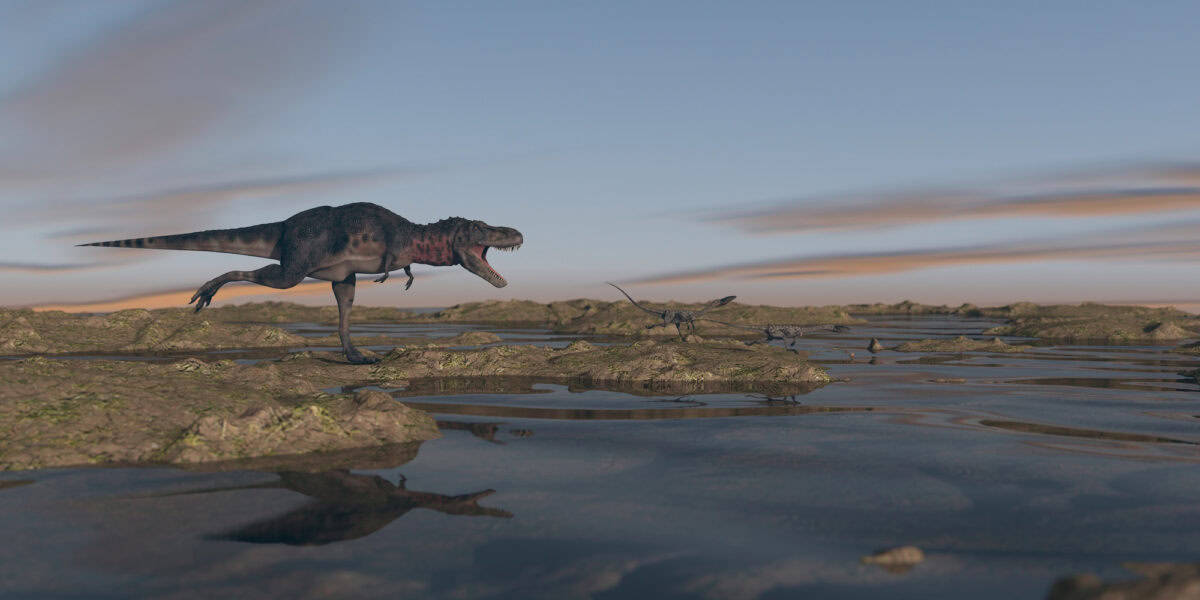
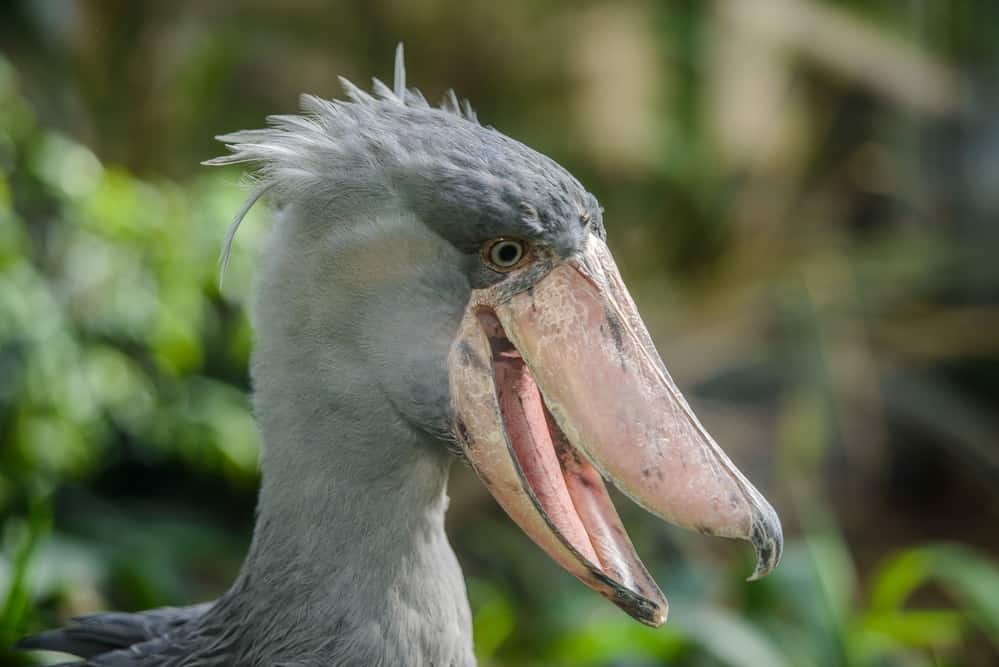
The shoebill stork is instantly recognizable, thanks to its massive, shoe-shaped bill that can grow up to 24 centimeters long. This powerful appendage is an adaptation that aids in its hunting endeavors. Standing at an impressive height of about four to five feet and with a wingspan of over eight feet, the shoebill stork is a formidable figure. Its slate-gray plumage and piercing yellow eyes lend it a somewhat prehistoric appearance, reminiscent of creatures from the Jurassic era, hence the frequent comparisons to dinosaurs.
Habitat and Distribution
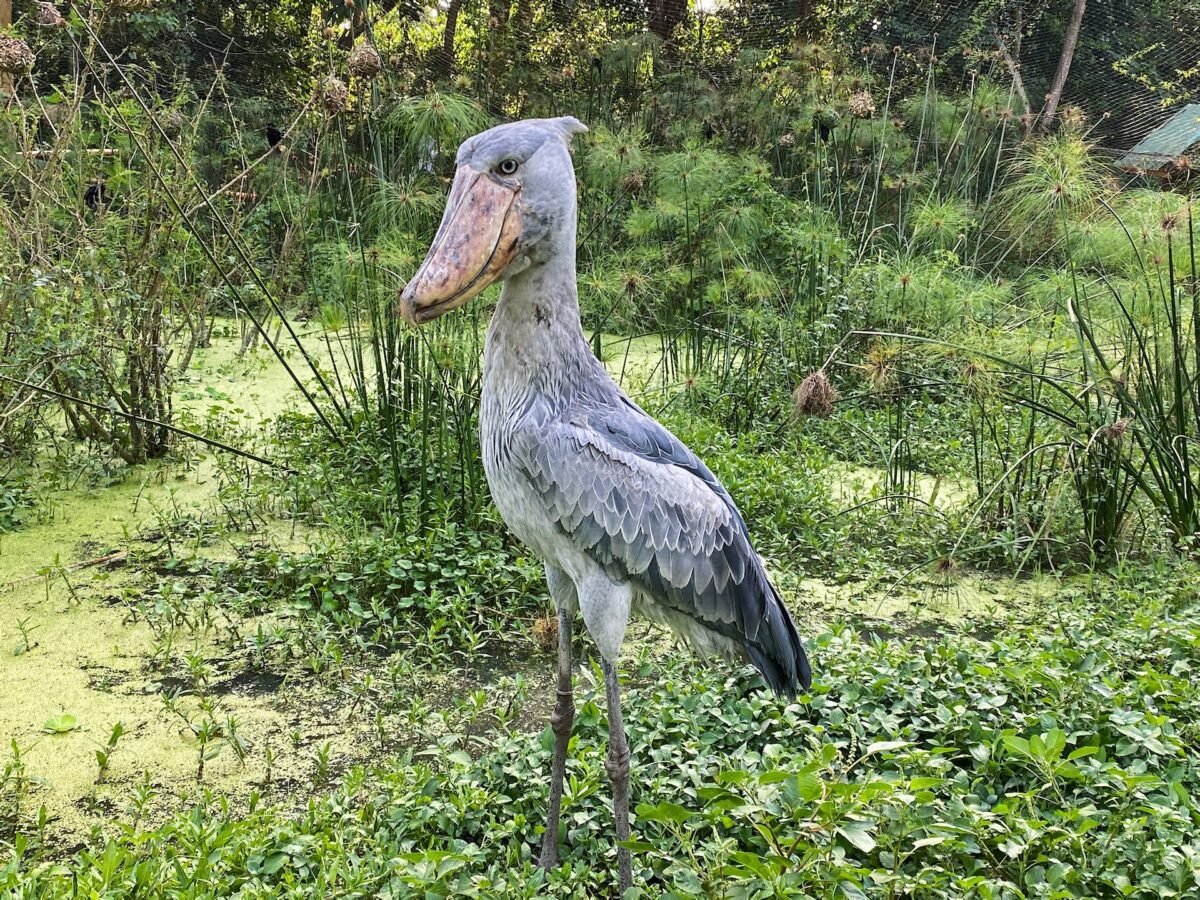
The primary habitats of shoebill storks are the freshwater swamps and floodplains of countries such as Uganda, Sudan, and Zambia. These habitats offer the rich biodiversity that the shoebill relies on for sustenance. The birds prefer secluded wetlands where there is minimal human disturbance, as they are known to be quite shy and elusive. Despite its widespread habitat, the shoebill population is considered vulnerable, with estimates suggesting only a few thousand individuals are remaining in the wild.
The Silent Hunt
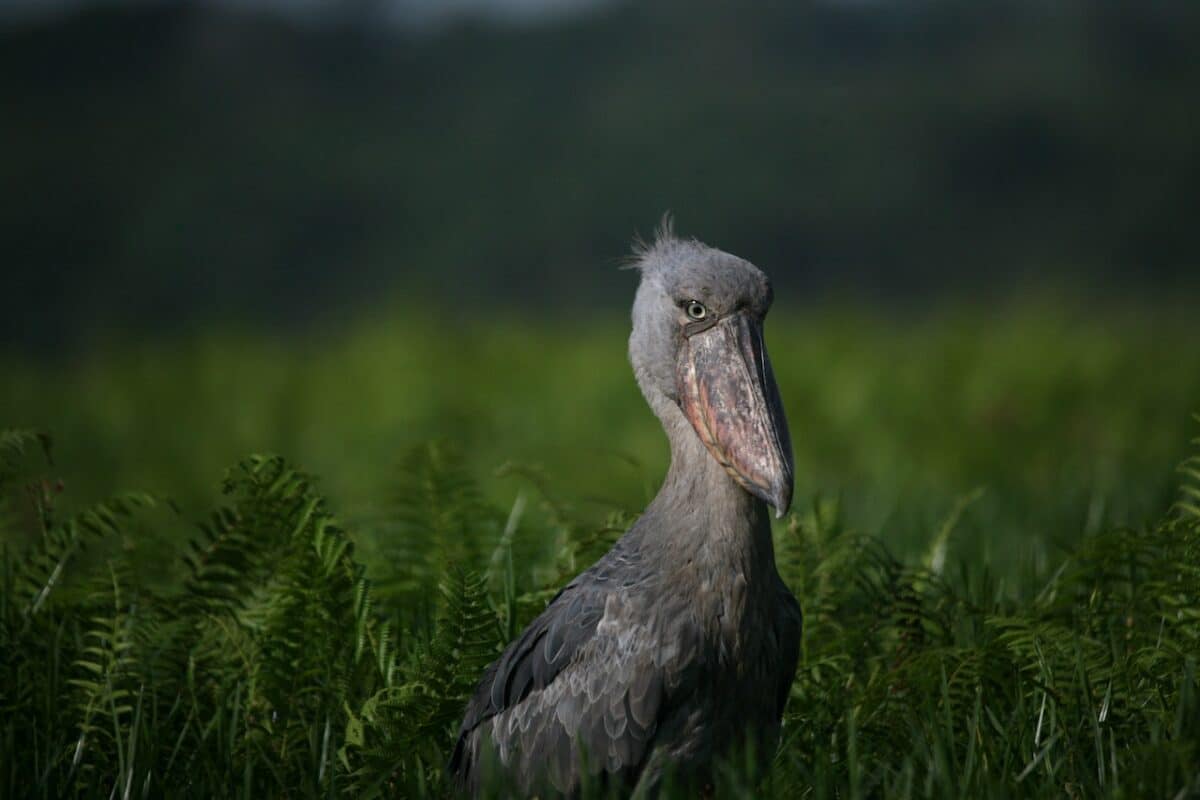
One of the most extraordinary aspects of the shoebill stork is its hunting technique, which is often described as a “silent hunt.” Unlike many other wading birds that actively pursue their prey, the shoebill stork employs a hunting strategy known as “sit-and-wait,” or more accurately, “silent hunting.” The bird stands motionless in the water, blending seamlessly with the surrounding vegetation. This stillness allows it to ambush prey with exceptional precision.
A Powerful Predatory Strategy
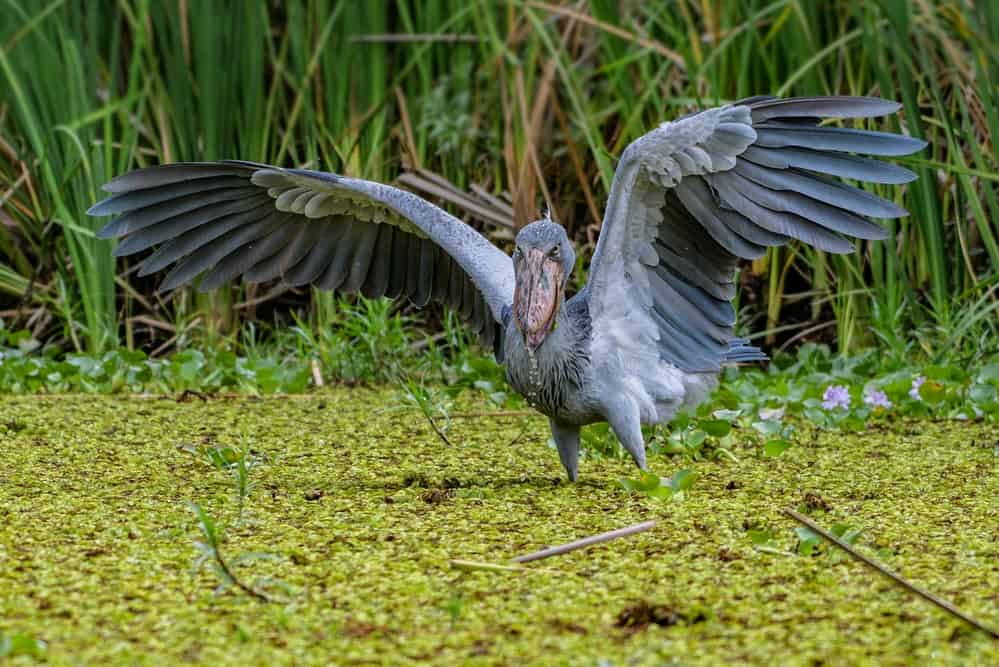
When the shoebill finally strikes, it does so with breathtaking speed and force. The bird’s giant bill is designed to capture a wide range of prey, including fish, frogs, and even small reptiles. Its preferred meal, however, is the lungfish, which, despite its slippery nature, is no match for the shoebill’s formidable bill. The upper mandible of the shoebill’s bill features sharp edges that help it easily crush the bones and bodies of its prey, ensuring a successful catch.
Vocal and Behavioral Characteristics
While the shoebill stork is known for its silent demeanor during hunting, it is not entirely mute. The bird is known to produce a sound known as “bill-clattering,” which resembles the noise of machine-gun fire and is primarily used during nesting or as a form of communication between mates. Additionally, shoebill storks have been observed to perform a fascinating head-shaking behavior that helps establish pair bonds and might play a role in territory establishment.
Conservation Concerns

Despite its remarkable adaptations, the shoebill stork faces numerous threats from habitat destruction, poaching, and the illegal wildlife trade. Wetland drainage for agriculture and settlement encroaches on their natural habitats, reducing the availability of safe breeding and hunting grounds. Conservation groups are actively working to protect these habitats and raise awareness about the shoebill’s plight to ensure that this prehistoric-looking bird continues to thrive in the wild.
Conclusion
The shoebill stork is a testament to the wonders of evolution, showcasing a blend of ancient features and specialized adaptations that make it a masterful hunter. Its silent hunt is a remarkable display of patience and precision, serving as a reminder of the diverse and awe-inspiring strategies employed by nature’s predators. By understanding and preserving the shoebill’s habitats, we can ensure that this extraordinary bird continues to enchant and inspire future generations.

As a little kid, I fell in love with nature, wildlife, and animals. Living in the USA, South Africa, Italy, China and Germany gave me the opportunity to discover the world's Wildlife. My favorite animals are Mountain Gorillas, Siberian Tigers, and Great White Sharks.
I'm a certified PADI Open Water Diver, went to Everest Base Camp and Trekked Gorillas in Uganda. I hold a Master of Science in Economics and Finance.
Please send any feedback to feedback@animalsaroundtheglobe.com
- 13 Animals That Never Stop Moving During Their Lifetime - June 30, 2026
- 12 Amazing Comebacks in Animal Populations - June 30, 2026
- 10 Places in the US Where Wild Mustangs Still Run Free - June 30, 2026