


Horses are majestic creatures known for their grace, strength, and sociability. Understanding how horses form breeding bonds is essential for enhancing their welfare both in the wild and in domestic environments. Equine breeding behaviours are complex and are influenced by various factors, including genetics, environmental settings, and social structures. This article explores how these majestic creatures establish breeding bonds in their natural habitats compared to controlled domestic settings.
Understanding Herd Dynamics in the Wild
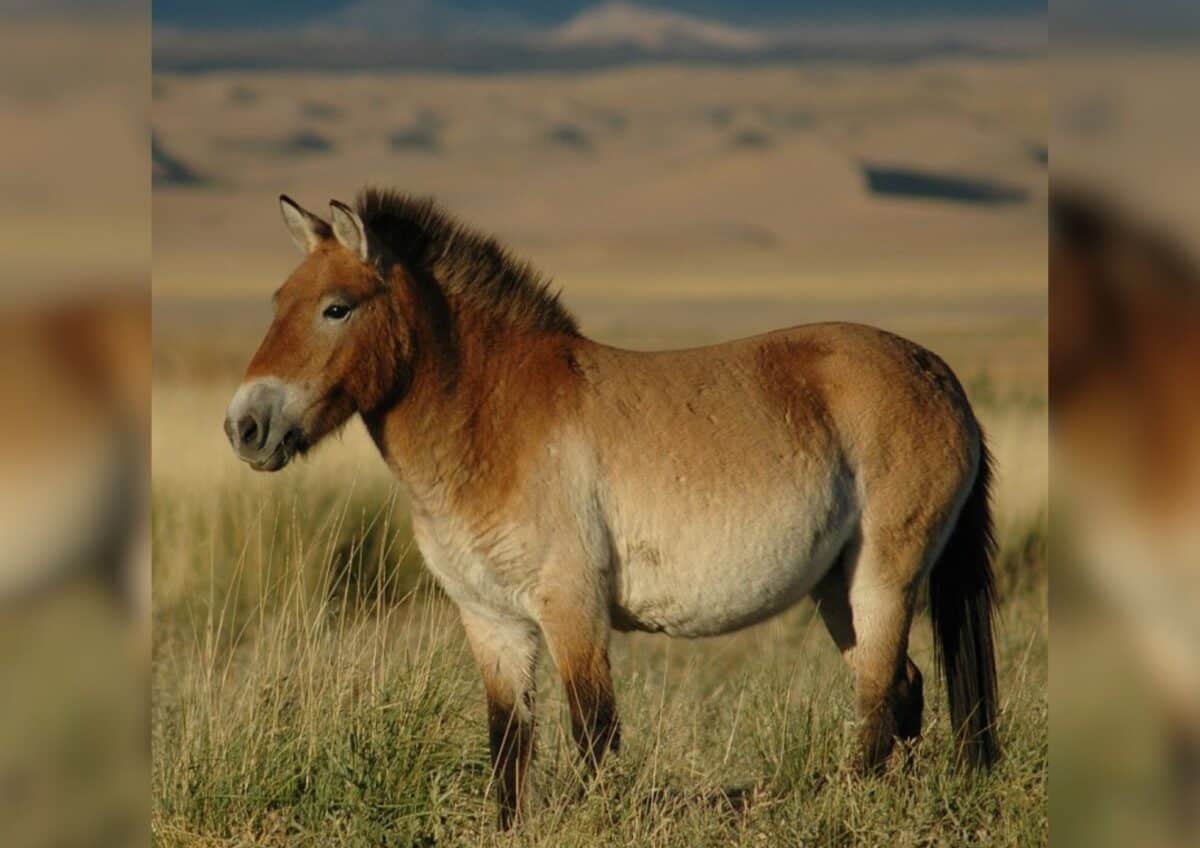
In the wild, horses are highly social animals that live in herds. These herds typically consist of a dominant stallion, several mares, and their offspring. The structure of these groups is essential for survival, providing protection, mutual grooming, and companionship. The stallion plays a crucial role in leading the herd, protecting it from predators, and managing breeding activities. The natural selection of breeding partners in the wild is quite different from domesticated arrangements. In wild settings, mares often choose their breeding partners based on the stallion’s ability to protect and lead the herd effectively. While the stallion attempts to monopolize breeding, mares exercise some choice, typically staying close to the strongest and most competent males. This dynamic ensures that the most fit animals pass their traits to the next generation.
Breeding Bonds Through Social Interactions

Breeding bonds among horses are not merely physical but also social. Mares and stallions interact frequently through vocalizations, grooming, and nipping. Such interactions are vital in reinforcing the social structure of the herd, strengthening bonds, and facilitating mating opportunities. In these interactions, it’s often the mutual displays of affection and respect that form the basis of breeding bonds rather than forced proximity or dominance alone.
Domestic Horse Breeding A Controlled Environment

In contrast to their wild counterparts, horses in domestic settings experience a different set of conditions when it comes to forming breeding bonds. Often, breeders select specific horses for mating based on traits such as coat colour, strength, agility, and temperament, aiming to achieve particular outcomes. This planned approach can sometimes interfere with natural social bonding, as mates are chosen based on human preferences rather than equine social dynamics.
Despite this, horse breeders often try to simulate natural conditions to some extent to encourage breeding. This includes allowing potential partners to interact and display natural behaviours before mating. Observing equine behaviours, like sniffing, nudging, and grooming, is key for breeders to determine compatibility and readiness for mating. A mare in estrus will often exhibit tell-tale behaviours like squatting and urinating, signalling receptiveness to the stallion.
Challenges and Considerations

In both wild and domestic settings, various challenges can impact the formation of breeding bonds. In the wild, environmental pressures, such as scarcity of resources and threats from predators, can strain social structures. Similarly, in domestic environments, stressors such as confined spaces, transportation, and unfamiliar surroundings might influence a horse’s willingness and ability to breed effectively.
Careful management is essential for maintaining healthy breeding programs. Ensuring that horses have adequate space, enrichment, and social interaction is vital. Breeders must also remain vigilant for signs of stress or illness that could impact breeding success and take necessary steps to address these issues.
The Role of Genetics and Behavior
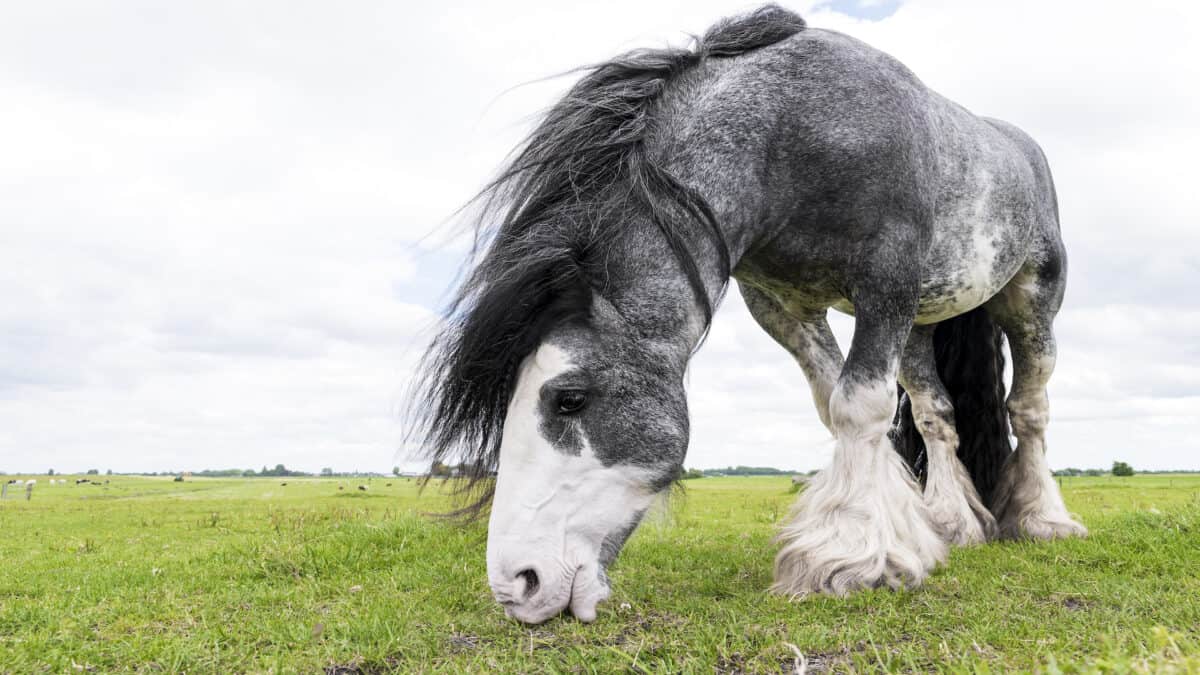
Genetics play a crucial role in how horses form breeding bonds. Behavioural traits, like socialization skills and mate preferences, are inherited, affecting how horses interact and choose partners. Understanding these genetic influences can help breeders develop better strategies for pairing horses, leading to healthier offspring and more natural breeding bonds.
Moreover, genetic diversity is crucial for the health and resilience of equine populations. Incorporating diverse genetics in breeding programs helps ensure populations remain robust against diseases and environmental changes, making it a key consideration for both conservationists and domestic breeders.
Conclusion

Horses are complex social creatures, and their methods of forming breeding bonds in the wild significantly differ from domesticated settings. While wild horses rely on natural selection and social structures to guide breeding, domestic horses often undergo a more artificial selection process. Understanding these dynamics is essential for anyone passionate about equine welfare, ensuring the health, happiness, and longevity of future generations of horses.

As a little kid, I fell in love with nature, wildlife, and animals. Living in the USA, South Africa, Italy, China and Germany gave me the opportunity to discover the world's Wildlife. My favorite animals are Mountain Gorillas, Siberian Tigers, and Great White Sharks.
I'm a certified PADI Open Water Diver, went to Everest Base Camp and Trekked Gorillas in Uganda. I hold a Master of Science in Economics and Finance.
Please send any feedback to feedback@animalsaroundtheglobe.com
- 13 Cat Breeds That Get Along with Dogs - July 20, 2026
- The 12 Largest Dog Breeds That Still Love to Cuddle - July 20, 2026
- 12 Pet Habits That Secretly Mean They Love You - July 20, 2026