

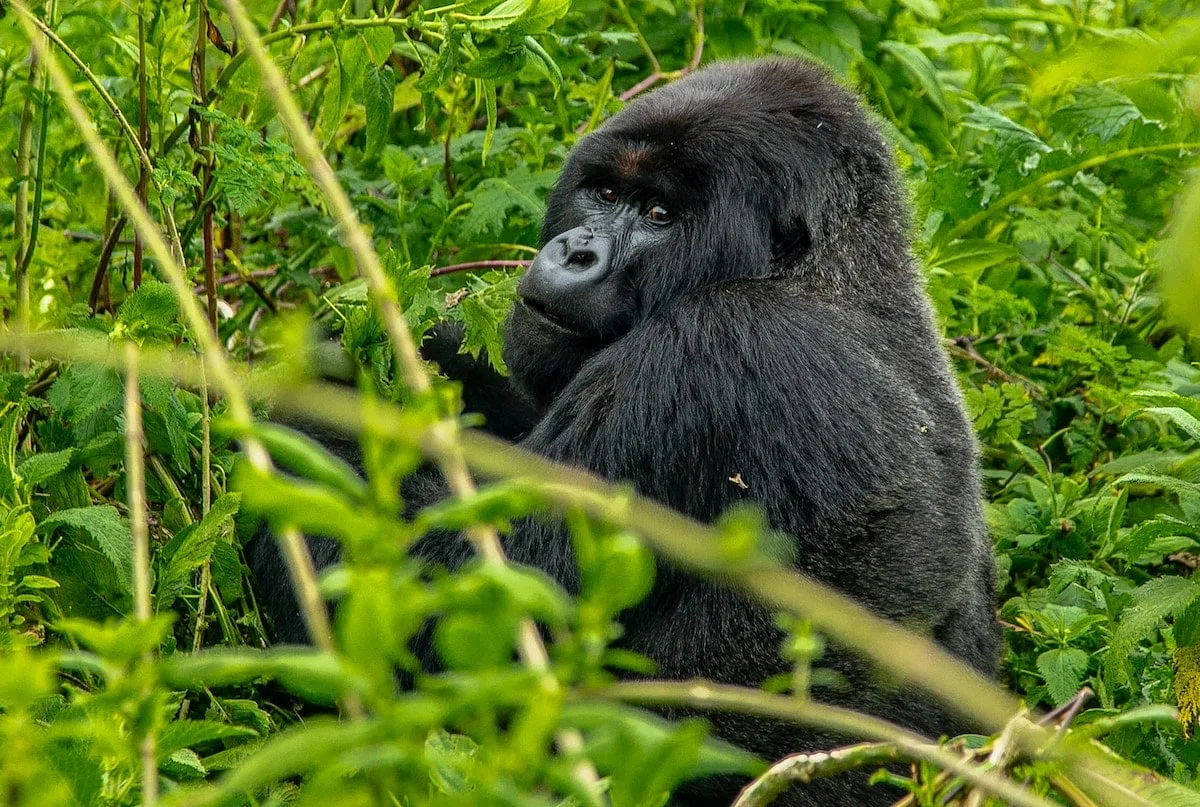
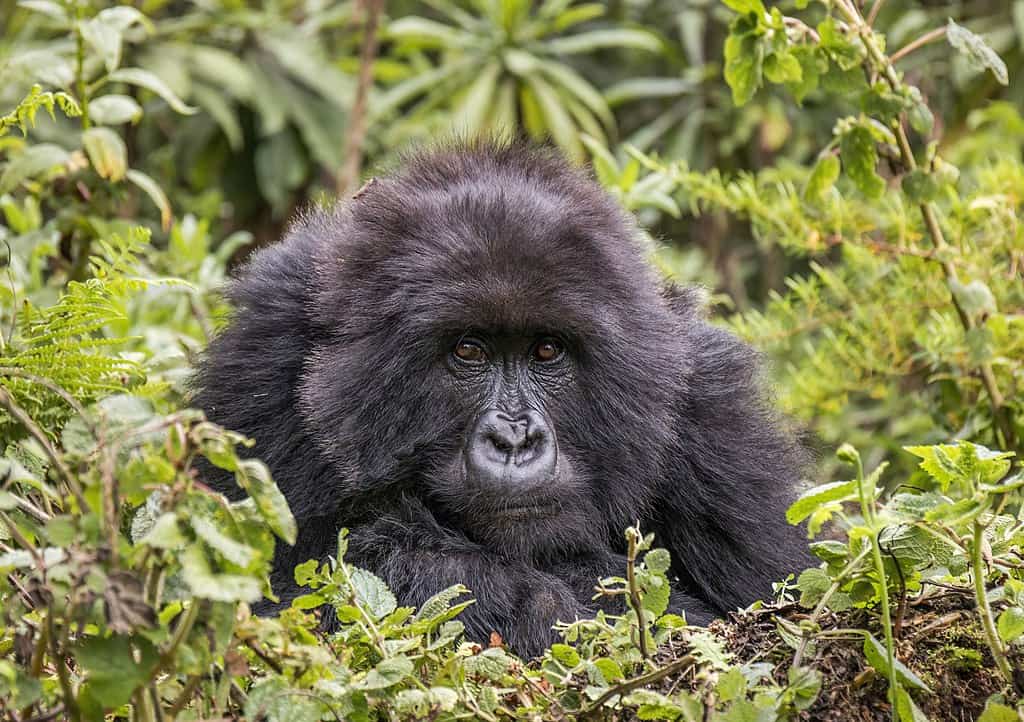
Mountain gorillas, known scientifically as Gorilla beringei beringei, are a critically endangered subspecies of the eastern gorilla. These magnificent creatures primarily inhabit the dense forests of the Virunga Mountains, which span across Rwanda, Uganda, and the Democratic Republic of Congo (DRC). Despite their formidable presence and genetic proximity to humans, mountain gorillas face numerous threats that challenge their survival in the wild.
The Unique Ecology of Mountain Gorillas

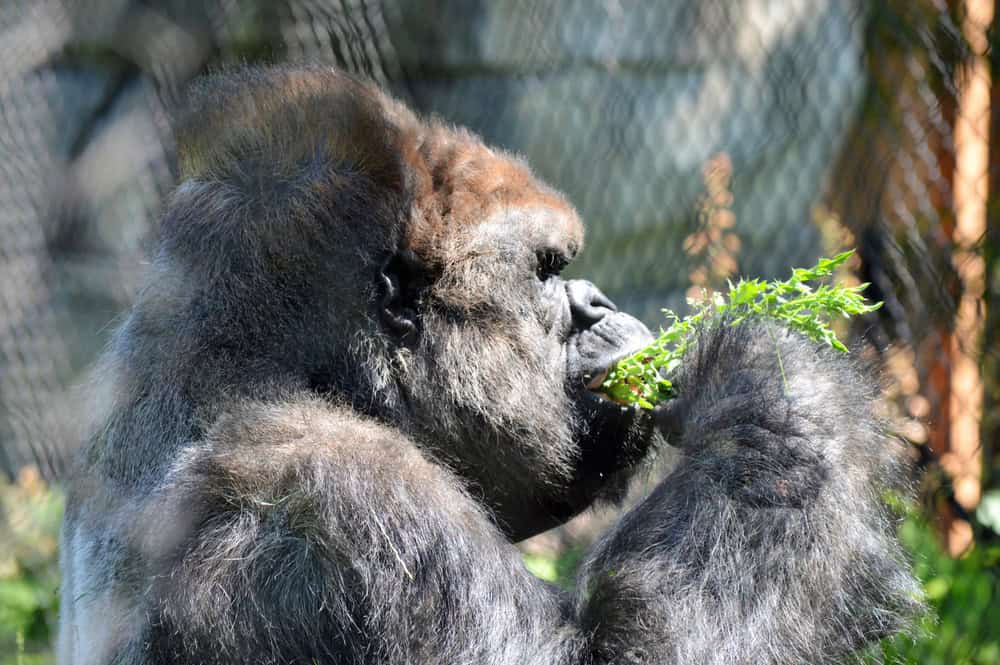
Mountain gorillas are distinguished by their thick fur, which helps them survive in the colder climates of their high-altitude habitat. Typically, they live in groups led by a dominant silverback male, and their diet consists mostly of foliage, including leaves, stems, and fruit when available. These primates play a crucial role in their ecosystem by aiding in seed dispersal and vegetative growth, underscoring their importance as keystone species.
Threats to Mountain Gorilla Survival
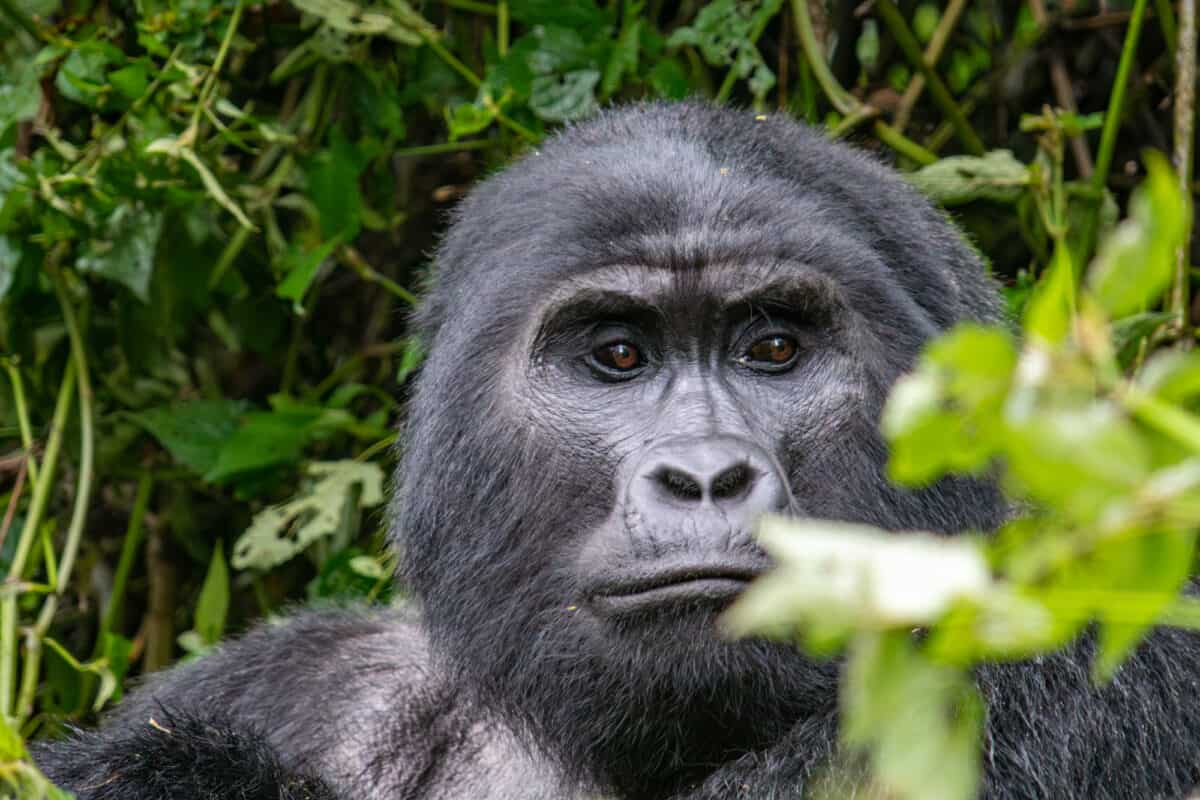
Mountain gorillas face a multitude of threats, primarily driven by human activities. One of the most significant challenges is habitat loss due to agricultural expansion, illegal logging, and infrastructure development. As human populations grow, the pressure on land resources increases, leading to deforestation and fragmentation of gorilla habitats.
Moreover, poaching remains a severe threat despite concerted conservation efforts. Gorillas are targeted for bushmeat, and infants are sometimes captured for the illegal pet trade. Additionally, entanglement in snares set for other wildlife often leads to injury or death for these gentle primates.
Disease is another peril, with gorillas susceptible to many human illnesses due to our genetic similarities. Outbreaks can have devastating impacts on small populations, and the recent COVID-19 pandemic has heightened these concerns, demanding increased precautions from researchers and tourists alike.
Conservation Efforts and Success Stories
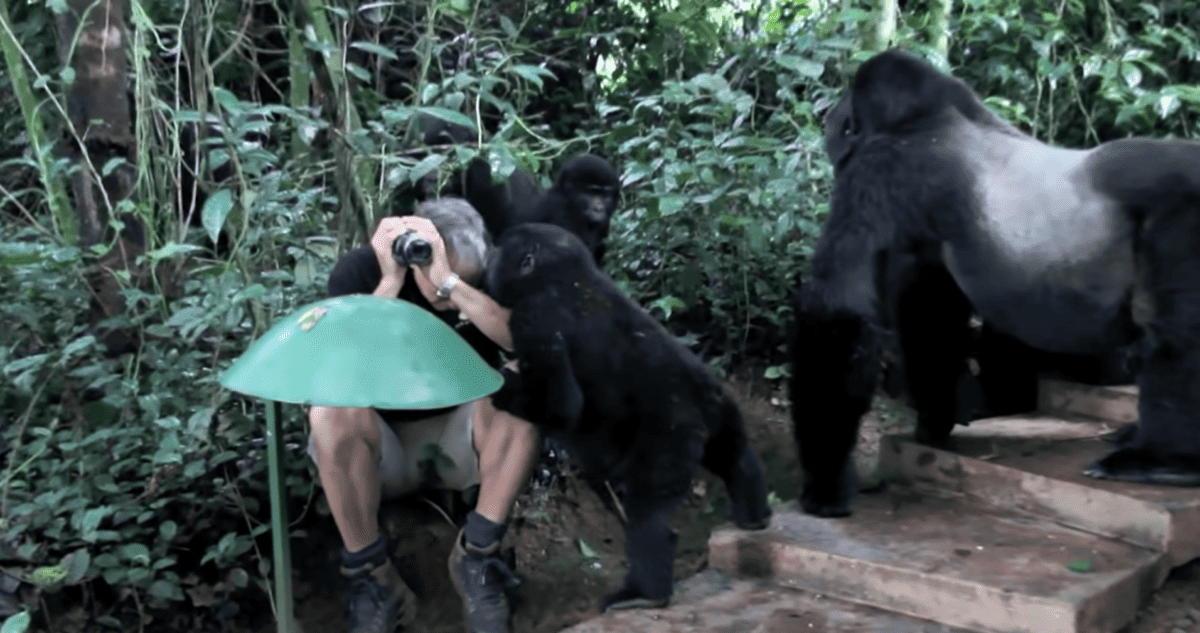
Despite these challenges, significant strides have been made in the conservation of mountain gorillas. The establishment of national parks and protected areas, such as Rwanda’s Volcanoes National Park and Uganda’s Bwindi Impenetrable National Park, has provided vital refuge for these animals. Collaborative conservation initiatives involve governments, local communities, and international organizations working together to safeguard gorilla habitats and promote sustainable development.
Ecotourism has emerged as a powerful tool, providing financial incentives to protect mountain gorillas. Controlled gorilla trekking experiences generate revenue that funds conservation projects and benefit local communities, fostering a mutual interest in preserving these magnificent creatures.
Notably, these efforts have seen positive outcomes. The mountain gorilla population, once feared to be on the brink of extinction, has witnessed a remarkable increase from just over 620 individuals in 1989 to more than 1,000 today. This success marks a significant triumph in animal conservation.
The Role of Local Communities
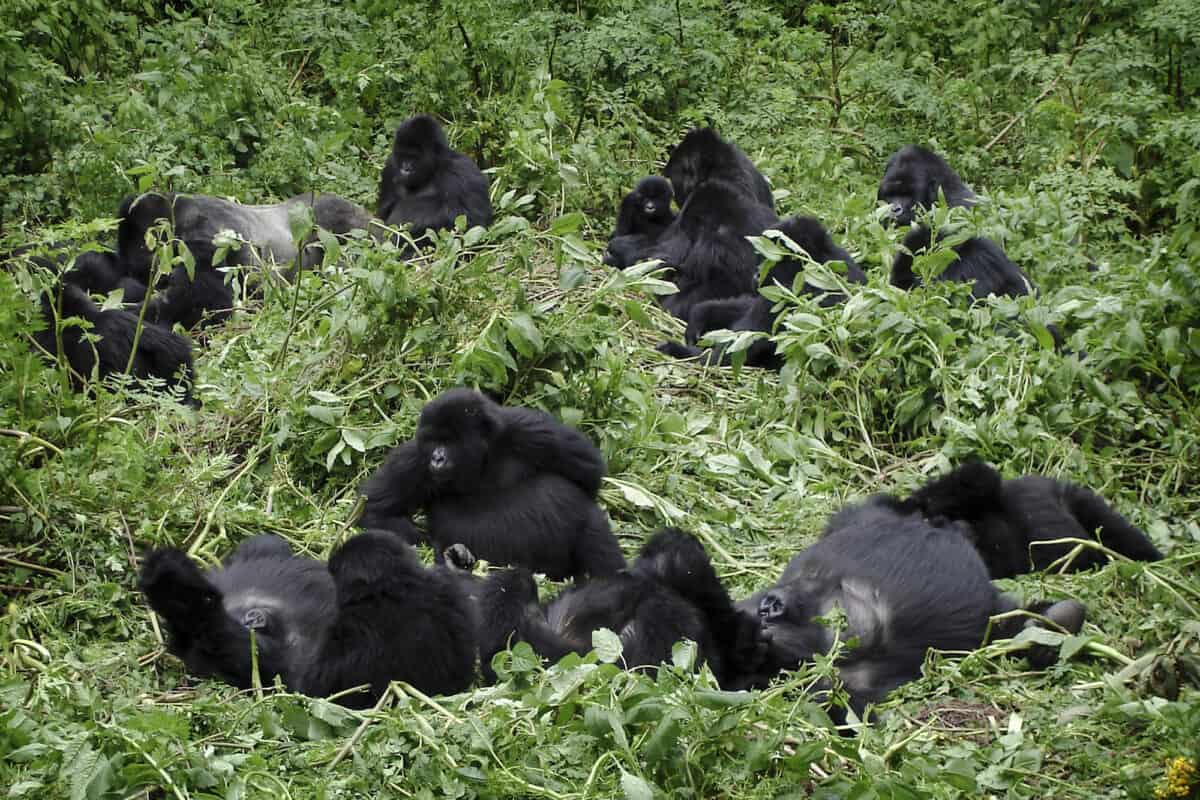
Local communities play a pivotal role in the protection of mountain gorillas. Engaging them in conservation initiatives and providing education on the importance of biodiversity helps minimize human-wildlife conflict and promote sustainable practices. Programs that offer alternative livelihoods, such as beekeeping or handicrafts, reduce dependence on forest resources and emphasize coexistence with wildlife.
Future Challenges and Opportunities
While the situation for mountain gorillas has improved, challenges remain. Climate change poses a long-term threat, potentially altering the gorillas’ habitat and food availability. Additionally, political instability in the region can disrupt conservation efforts and damage protected areas, exemplified by recurring conflicts in the DRC.
However, these challenges also present opportunities for innovation and collaboration. Advances in technology, such as remote sensing and GPS tracking, enhance monitoring and data collection, facilitating more effective conservation strategies. Furthermore, international support and funding can bolster initiatives aimed at building community resilience and conserving biodiversity.
Conclusion
The struggle to protect mountain gorillas in the wild is a complex endeavor that requires a multifaceted approach. Through sustained conservation efforts, community engagement, and international cooperation, these majestic creatures stand a better chance of thriving. The journey is far from over, but the progress made thus far serves as a testament to the positive impact of collective action in the fight to save one of our closest relatives in the natural world.

As a little kid, I fell in love with nature, wildlife, and animals. Living in the USA, South Africa, Italy, China and Germany gave me the opportunity to discover the world's Wildlife. My favorite animals are Mountain Gorillas, Siberian Tigers, and Great White Sharks.
I'm a certified PADI Open Water Diver, went to Everest Base Camp and Trekked Gorillas in Uganda. I hold a Master of Science in Economics and Finance.
Please send any feedback to feedback@animalsaroundtheglobe.com
- 13 Cat Breeds That Get Along with Dogs - July 20, 2026
- The 12 Largest Dog Breeds That Still Love to Cuddle - July 20, 2026
- 12 Pet Habits That Secretly Mean They Love You - July 20, 2026