

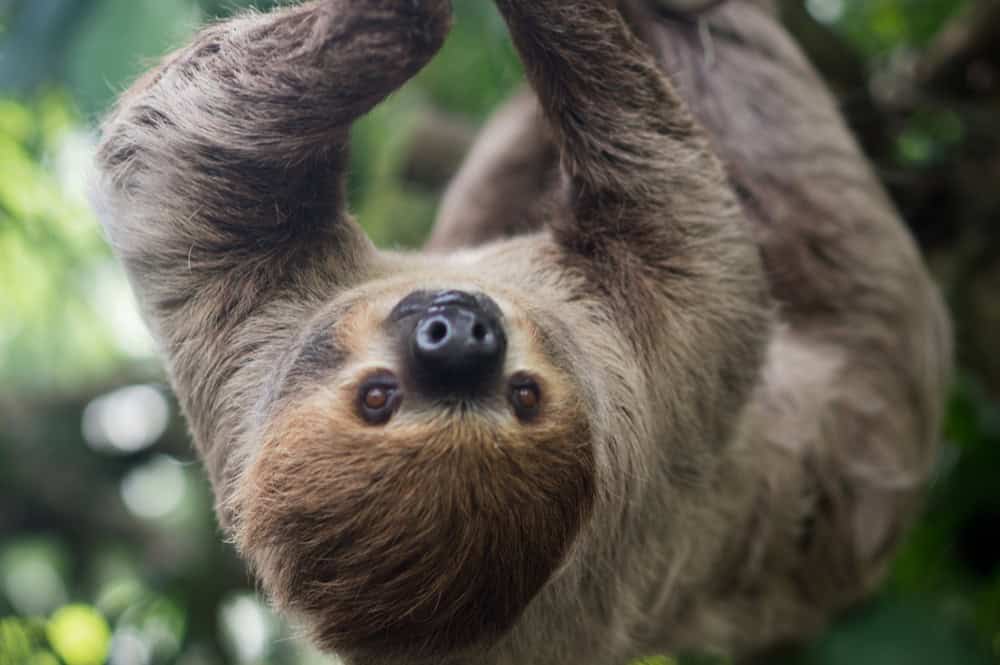
The three-toed sloth is a fascinating creature that captures the imagination with its leisurely lifestyle and endearing appearance. Known scientifically as Bradypus, this arboreal mammal is a marvel of evolutionary adaptation, defying the typical expectations of speed and agility found in the animal kingdom. Contrary to the high-speed pursuits of predators or the swift escapes of prey, the three-toed sloth marches to the beat of its slow drum, offering a unique perspective on survival and energy conservation.
Anatomy and Adaptations

The three-toed sloth has anatomical features and adaptations that perfectly complement its slow-paced existence. Its front limbs have three distinct toes, each ending in a long, curved claw ideal for gripping branches as it hangs upside down in the lush rainforests of Central and South America. This upside-down lifestyle, known as suspensory locomotion, is an energy-efficient way to navigate its arboreal habitat.
Moreover, the sloth’s body is designed for minimal energy expenditure. It has a low metabolic rate and takes approximately 30 days to digest a single meal. Its diet mainly consists of leaves, flowers, and fruits, which provide limited nutritional value and necessitate a slow digestion process for maximum nutrient absorption. Furthermore, the sloth’s fur hosts a unique ecosystem of algae and insects, providing excellent camouflage against predators.
Sloth Physiology The Art of Slow Living

The three-toed sloth’s physiological traits exemplify its mastery of slow living. One of the most noteworthy is its low body temperature, which ranges between 20 and 30 degrees Celsius (68 and 86 degrees Fahrenheit), lower than that of most mammals. This temperature regulation minimizes the energy required for survival in the warm rainforest environment. When temperatures drop, sloths can conserve heat by curling their bodies into a ball.
Additionally, the sloth’s sluggish systemic blood circulation system contributes to its slow heart rate of about 40 to 50 beats per minute. In comparison, a typical human heart rate ranges from 60 to 100 beats per minute at rest. This deliberate pacing helps conserve energy by requiring fewer calories to support its bodily functions.
The Paradox of Slow Movement

While speed is often synonymous with survival in the wild, the three-toed sloth’s unhurried movement is a paradoxical advantage. With a top speed of merely 0.24 kilometers per hour (0.15 miles per hour) on the ground, sloths are not built to flee from predators quickly. Instead, they rely on their inconspicuous presence and ability to remain motionless, blending into the dappled shadows of the forest canopy.
Predators like eagles or jaguars may have difficulty spotting these slow-moving creatures among the leaves. By minimizing movement, sloths reduce the likelihood of detection, effectively using their sluggishness as a defense mechanism. Moreover, the three-toed sloth’s deliberate movements ensure that they do not attract unnecessary attention, keeping them safely shrouded in obscurity.
Energy Conservation A Survival Strategy
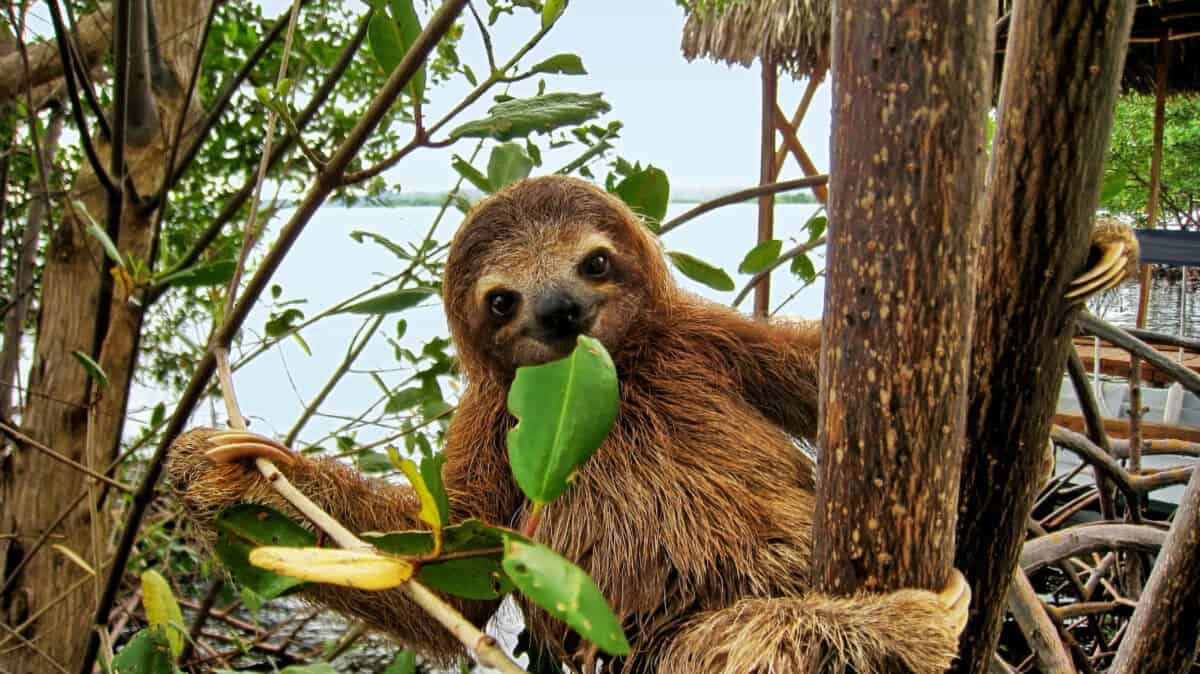
The sloth’s lifestyle embodies an elegant solution to the challenge of energy conservation. The three-toed sloth’s slow pace decreases its overall caloric requirements, directly correlated with the scarcity of nutritional resources available in its habitat. By moving slowly and metabolizing food at a leisurely rate, sloths maximize the energy extracted from their low-calorie diet and reduce the frequency of foraging.
This strategy supports their survival in a relatively nutrient-poor environment, allowing them to maintain their position within the ecosystem without competing aggressively for resources. Because of this efficient use of energy, sloths can dedicate ample time to rest and digestion, reinforcing their reputation as one of the world’s most sedentary animals.
Conclusion: Embracing the Slow Path
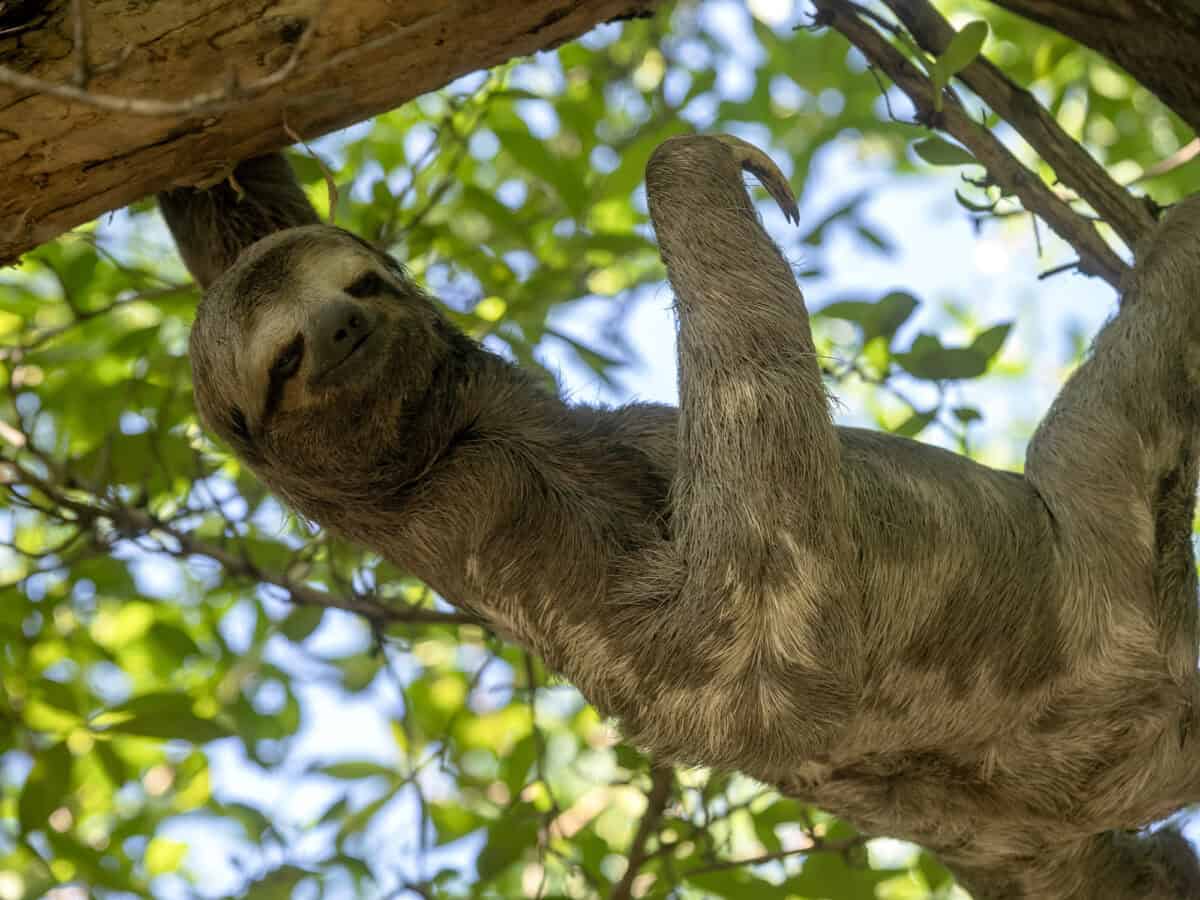
In a world where speed and agility often determine the fittest, the three-toed sloth challenges conventional wisdom by thriving through its unorthodox approach to life. With a remarkable array of adaptations, this enigmatic creature has carved out a niche where slow and steady truly wins the race. By turning apparent weaknesses into strengths, the three-toed sloth not only defies speed in the animal kingdom but also celebrates the art of conserving energy, a living testament to the diverse strategies of survival excelled by Mother Nature.

As a little kid, I fell in love with nature, wildlife, and animals. Living in the USA, South Africa, Italy, China and Germany gave me the opportunity to discover the world's Wildlife. My favorite animals are Mountain Gorillas, Siberian Tigers, and Great White Sharks.
I'm a certified PADI Open Water Diver, went to Everest Base Camp and Trekked Gorillas in Uganda. I hold a Master of Science in Economics and Finance.
Please send any feedback to feedback@animalsaroundtheglobe.com
- 10 Animals That Risked Their Lives to Save Humans - June 19, 2026
- 10 Animal Species That Are Evolving Right Before Our Eyes - June 19, 2026
- 15 Things You Did Not Know About Owl Eyes - June 19, 2026