

Walk into any barn, post a “first horse” question in any equestrian forum, and you will get one answer faster than any other: not that one. Experienced riders have watched well-meaning beginners fall in love with the wrong horse – the dramatic mane, the glossy coat, the reputation – and then spend the next two years white-knuckling through lessons they weren’t ready for. The horse doesn’t become less beautiful. It just becomes a very expensive, very humbling education.
What’s surprising is how consistent the warnings are. Across disciplines, regions, and riding styles, seasoned equestrians name the same breeds over and over when someone asks what to avoid. Some are too sensitive. Some are too powerful. Some are too smart. And a few are all three at once. The 17 breeds below are the ones insiders flag most often – and the reasons why are more specific, and more sobering, than most newcomers expect.
#17 – Thoroughbred: The Horse That Never Really Left the Track
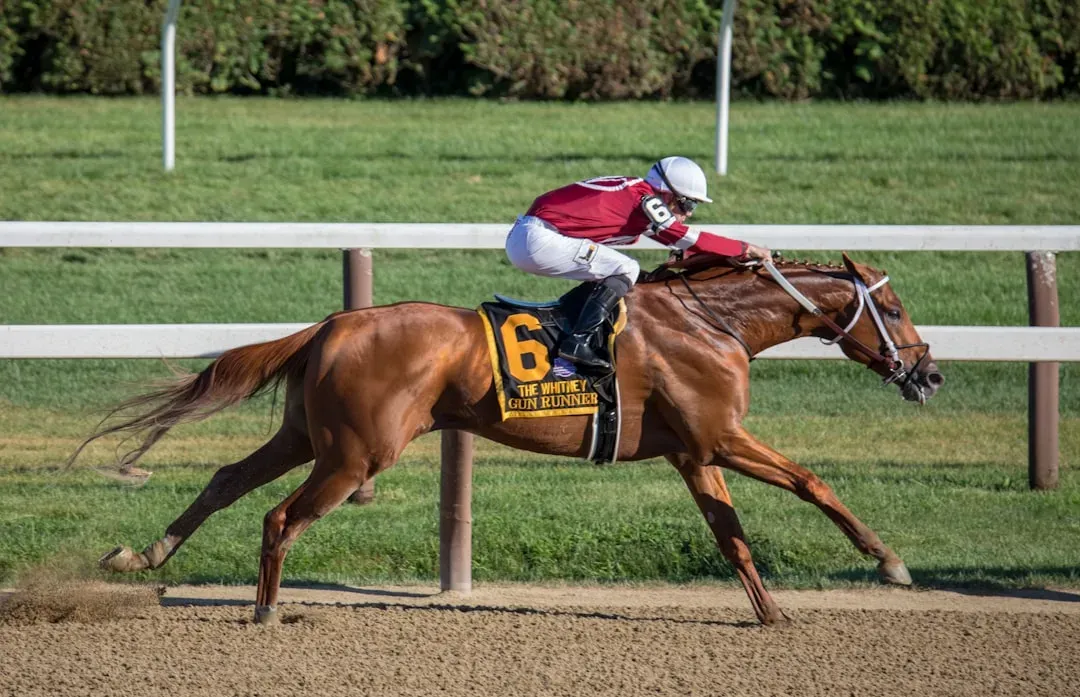
Thoroughbreds are built for one thing – speed – and that single-minded breeding doesn’t switch off when they retire from racing. These are hot-blooded horses in the truest sense: reactive, sensitive, and physically wired to respond fast. A shadow crossing the arena, a flag snapping in the wind, an unsteady hand on the reins – any of it can trigger a reaction that happens before a novice rider even processes what went wrong. Most off-track Thoroughbreds also carry ingrained habits from their racing days that take months of patient, skilled retraining to unwind.
Beyond the temperament, Thoroughbreds tend toward higher rates of gastric ulcers and anxiety-related behaviors, both of which are directly worsened by inconsistent management. They need structured routines, carefully timed feeding, and a rider confident enough to stay soft and decisive at the same time. That combination is genuinely rare in a first-time owner. The horse isn’t mean – it’s just always running a little hotter than the situation requires, and beginners rarely have the tools to turn that down.
Fast Facts
- Gastric ulcer rates in Thoroughbreds rise from 37% in untrained horses to 80–100% within 2–3 months of race training
- An estimated 80% of Thoroughbreds retiring from racing suffer from gastric ulcers ranging from mild to severe
- Risk factors include intense exercise, irregular feeding schedules, stall confinement, and emotional stress – all of which carry over post-track
- Retraining an OTTB typically requires months of consistent, structured work before basic ridden habits shift
- Anxiety-related ulcer symptoms often flare again when the horse begins a new job – even after initial treatment
#16 – Arabian: Brilliant, Beautiful, and Exhausting to Keep Up With
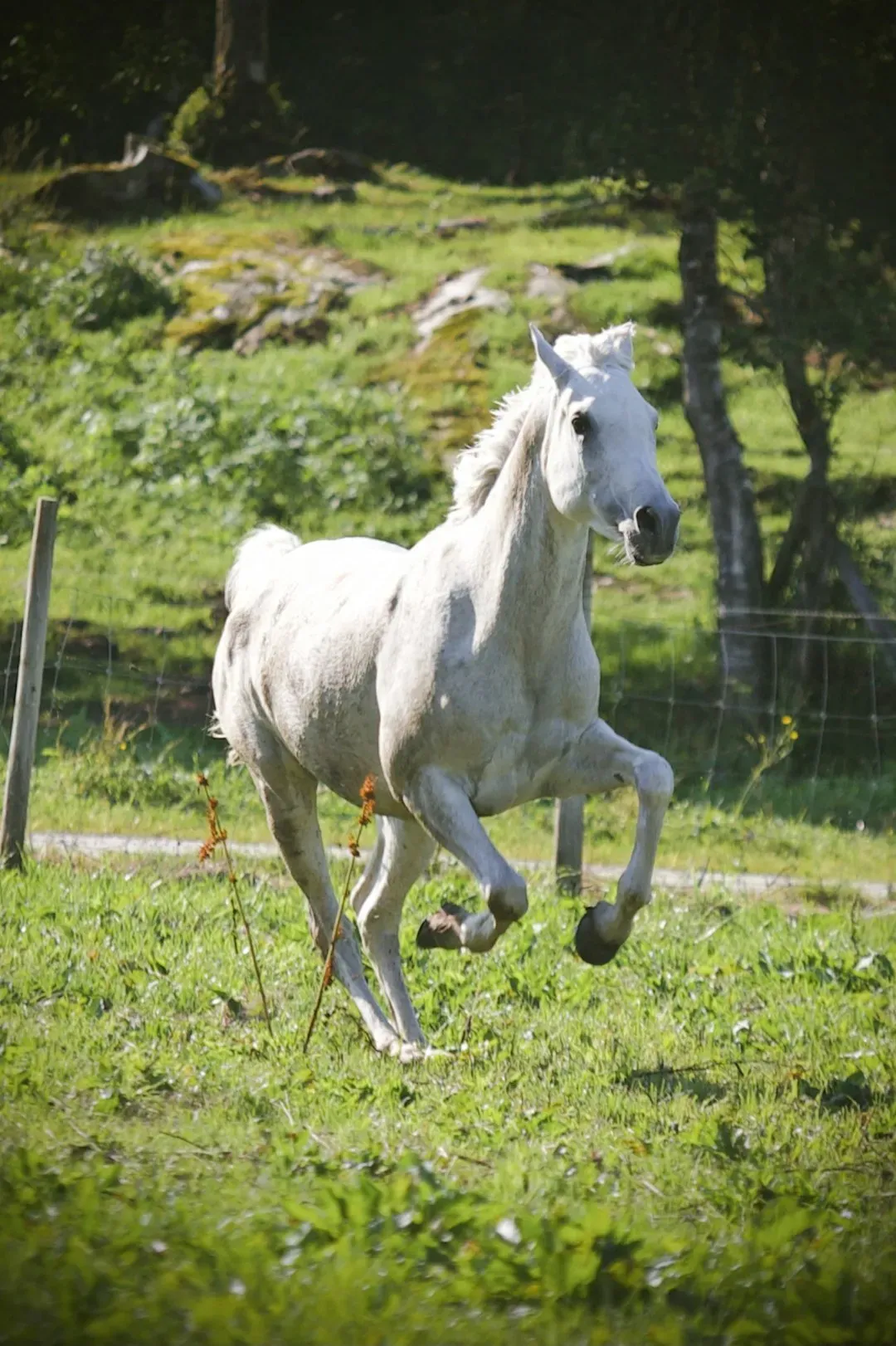
Arabians are one of the most intelligent horse breeds in existence, and that sounds like a selling point until you realize what it means in practice. A smart horse is also a bored horse, a testing horse, a horse that notices every inconsistency in your handling and files it away for later. First-time buyers often fall for the Arabian’s elegance and endurance reputation without realizing that the same intelligence making them extraordinary also makes them relentless boundary-pushers when leadership is unclear.
Their sensitivity amplifies everything. A light touch that would barely register on a quarter horse can send an Arabian into a spin. Unfamiliar environments trigger high alert. Many retain a strong flight response that takes years of confident handling to settle. Experienced trainers who love Arabians will tell you the same thing: these horses reward true horsemanship and punish the absence of it. For a beginner still learning their own body position, that feedback loop is more punishment than lesson.
#15 – Friesian: The Fairy-Tale Horse With Complicated Fine Print
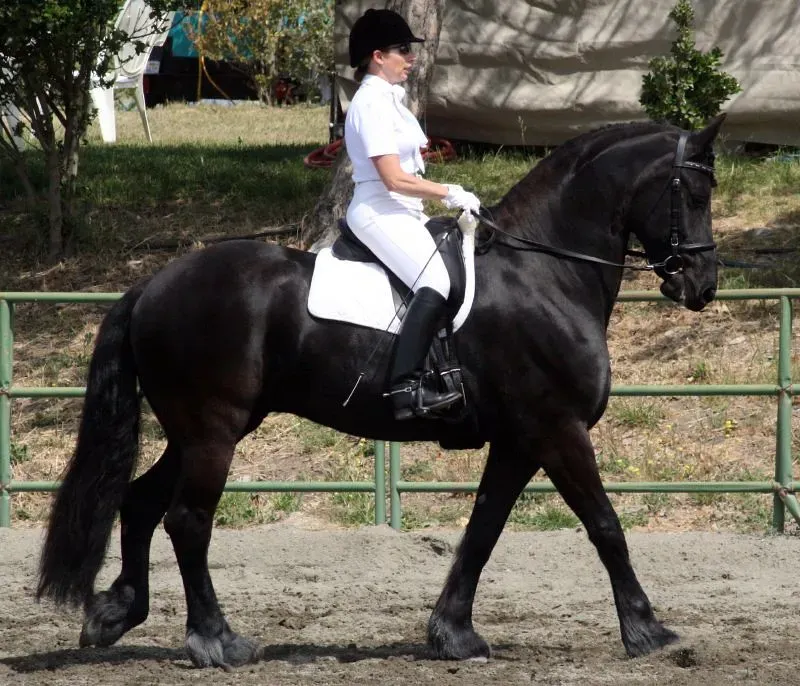
Few breeds stop people in their tracks the way a Friesian does. The arched neck, the cascading mane, the massive feathered feet moving in slow, dramatic rhythm – it looks like a horse pulled from a fantasy film. That visual appeal is exactly why Friesians end up on so many novice wish lists, and exactly why experienced equestrians wince when they hear it. Beneath that striking exterior is a horse that requires real physical strength to handle, a meticulous grooming commitment most beginners underestimate, and a training sensitivity that punishes inconsistency hard.
The breed also carries documented genetic health risks, including a predisposition to conditions like PSSM (a muscle metabolism disorder) and a higher incidence of certain skin and digestive issues tied to their heavy build. Friesians can develop strong opinions about work if handled by someone who isn’t consistent or confident, and those opinions tend to get louder over time rather than quieter. What looks like a dream horse in a photo often becomes a management marathon in real life – one that requires an experienced eye to even recognize when things are starting to go wrong.
Worth Knowing
- A history of selective breeding and genetic bottlenecks has left Friesians susceptible to dwarfism, hydrocephalus, and collagen-linked connective tissue disorders
- Friesians are prone to aortic rupture at the aortic arch – a location unique to the breed and believed to reflect a breed-specific connective tissue vulnerability
- PSSM Type 1 can cause muscle stiffness, pain, and exercise intolerance – a serious management challenge for any owner, especially novices
- Heavy feathering on legs requires daily inspection to prevent painful skin conditions like scratches (pastern dermatitis)
- Friesians can gain weight easily, putting them at risk for laminitis if diet isn’t carefully managed
#14 – Dutch Warmblood: Too Much Horse for Where You’re Starting
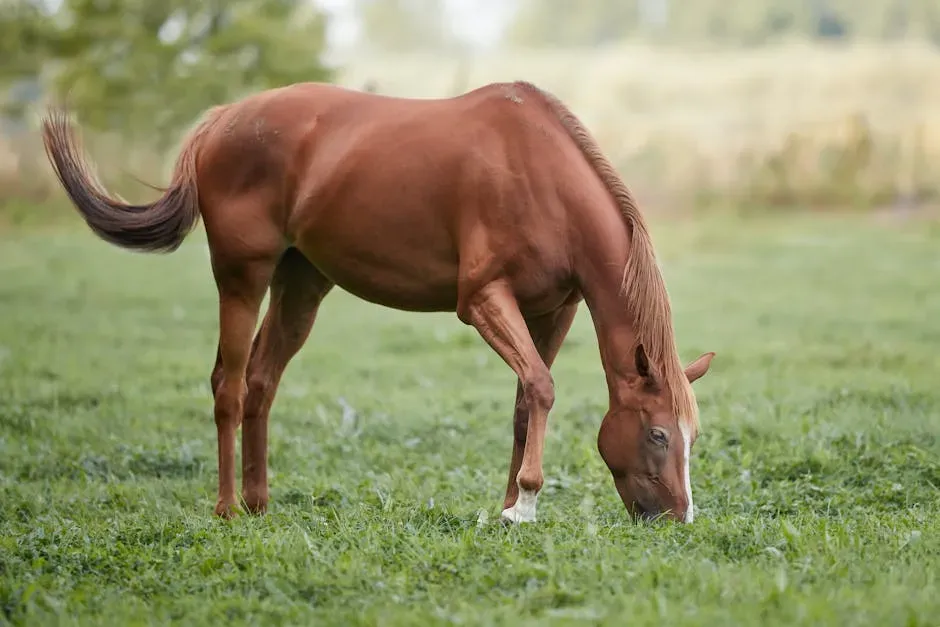
Dutch Warmbloods are elite sport horses, and that’s the problem. They are bred to perform at the top levels of dressage and jumping, which means their natural power, scope, and forward energy far outpace what a novice rider can effectively direct. Left without skilled guidance, that athletic drive doesn’t disappear – it finds its own outlet in resistance, evasion, or outright refusal. These horses need structured, progressive fitness programs and technically correct riding to stay both sound and cooperative.
They also mature slowly, often staying mentally and physically reactive well into their mid-teens, which means there’s a long window during which inconsistent handling creates lasting problems. Beginners who buy a Dutch Warmblood because it “seemed calm at the farm” often discover a very different horse once it’s home and the novelty wears off. The muscle-memory these horses develop from poor riding is notoriously hard to correct – which means a novice’s mistake today can become a professional trainer’s expensive problem tomorrow.
#13 – Andalusian: Pride That Can Turn Into a Power Struggle
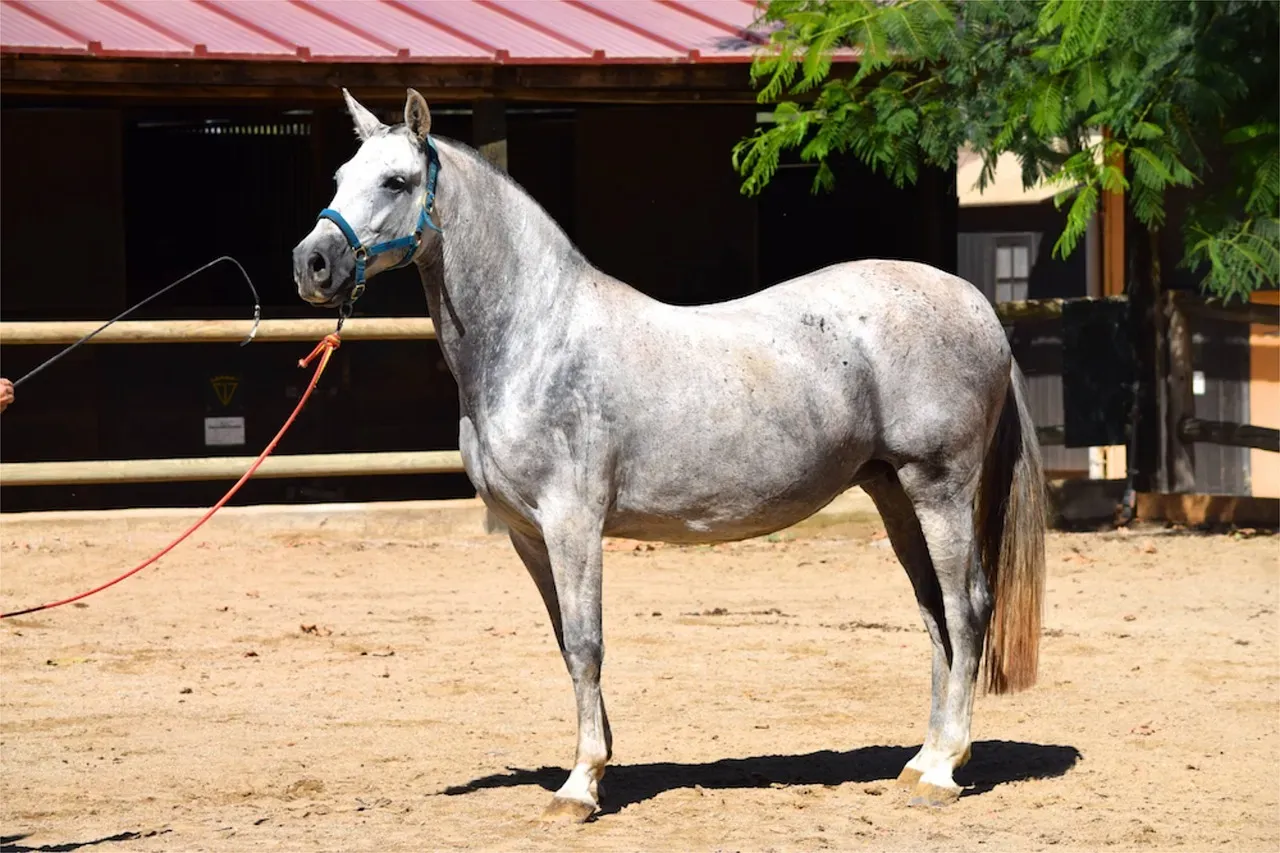
The Andalusian’s dramatic presence and naturally elevated movement make it one of the most visually captivating breeds on this list. But that proud carriage comes from a strong, independent mind, and Andalusians are not shy about testing handlers who don’t project clear, consistent authority. Many seasoned owners describe them as horses that require you to mean what you ask – every time, without exception. Beginners who give mixed signals or back down from a request often find the Andalusian has logged that moment and will reference it again later.
Their Iberian intelligence rewards the kind of nuanced, forward-thinking horsemanship that takes years to develop. Groundwork, in particular, is where most novices run into trouble – Andalusians can become pushy or evasive on the ground faster than in the saddle, and those habits translate directly into ridden work. Without firm, experienced leadership from the start, what looked like a breathtaking partner can become a daily negotiation that leaves first-time buyers feeling outmatched, confused, and increasingly reluctant to go to the barn.
#12 – Lipizzaner: Centuries of Breeding That Demand Equal Patience
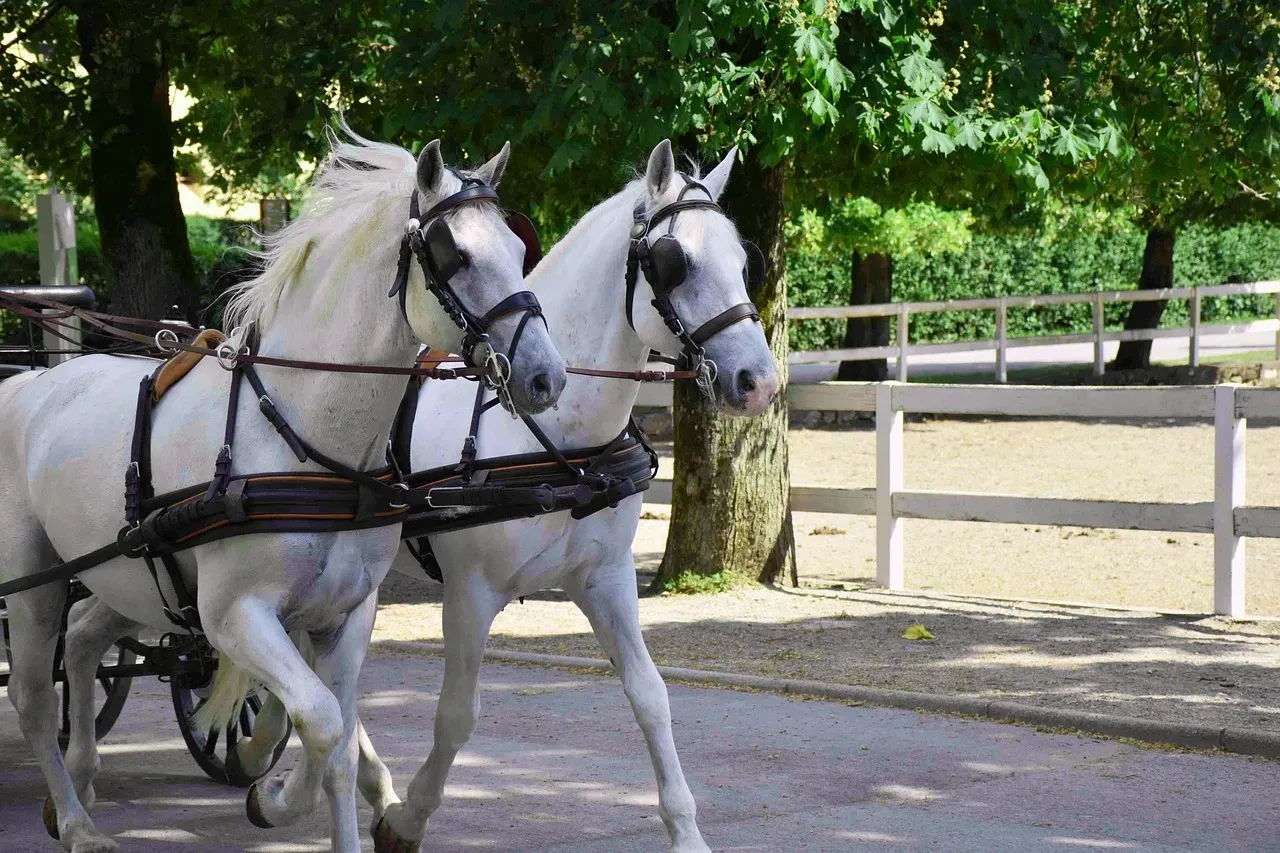
Lipizzaners are the horses of the Spanish Riding School – icons of classical dressage and living history on four legs. That heritage is also a warning. These horses have been selectively bred for centuries to respond to the most refined, subtle aids imaginable, which means they are extraordinarily sensitive to every signal a rider sends, intentional or not. A novice radiating tension, gripping with their legs, or sending contradictory signals through the reins will get a response from a Lipizzaner – just not the one they were hoping for.
They mature very slowly, with many not reaching mental and physical readiness until their seventh year or later, which dramatically extends the window during which unskilled handling can do lasting damage. Beneath their compact, almost stocky build is explosive athletic potential that surfaces under pressure or confusion. Experienced equestrians who work with Lipizzaners emphasize that patience and classical knowledge aren’t optional extras – they’re the entire foundation. Most beginners, through no fault of their own, simply don’t have that foundation yet.
At a Glance
- Lipizzaners – Home of the legendary Spanish Riding School in Vienna, Austria
- Many don’t reach full mental and physical maturity until age 7 or later, one of the longest development windows of any riding breed
- Bred over centuries to respond to invisible, whisper-light aids – making them a mirror for every flaw in a rider’s position
- Explosive athletic ability sits just beneath their calm exterior and surfaces fast under confusion or pressure
- Classical dressage knowledge isn’t a bonus with this breed – it is the minimum entry requirement
#11 – Akhal-Teke: A One-Person Horse That May Not Choose You

The Akhal-Teke is one of the oldest and rarest breeds on Earth, instantly recognizable for its almost metallic sheen and lean, greyhound-like frame. It is also one of the most psychologically complex horses a person can own. These animals bond deeply – but selectively – and they will not manufacture that bond for someone who hasn’t earned it. Novices often mistake their aloofness for a training challenge they can overcome with enthusiasm, when in reality the Akhal-Teke is simply waiting to see whether you’re worth its attention.
Inconsistent handling doesn’t just slow their progress – it causes them to disengage entirely. A horse that has mentally checked out is both frustrating and dangerous, because its behavior becomes genuinely unpredictable. Their lean builds also come with real physical high-maintenance needs: sensitive skin, specific dietary requirements, and a lower tolerance for temperature extremes than most breeds. For a first-time owner still learning the basics, the Akhal-Teke is less a horse and more a test of whether you’re ready for advanced horsemanship – a test most beginners aren’t positioned to pass.
#10 – Mustang: Wild Instincts Don’t Fully Retire
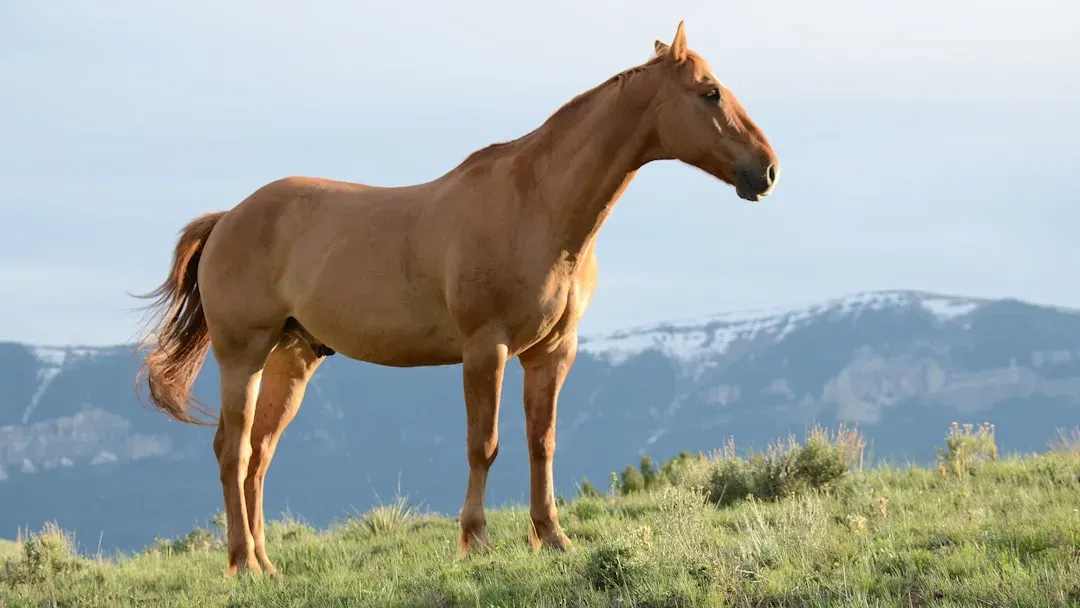
There is something undeniably compelling about a Mustang – the idea of a free-roaming horse that chooses to partner with you, earned trust replacing imposed obedience. Experienced equestrians respect that story deeply. They also know that survival instincts bred over generations on open range don’t disappear after a few months in an adoption program. Mustangs can seem settled and cooperative right up until a novel stimulus – a tarp, a sudden noise, an unfamiliar dog – triggers something older and more powerful than anything their training has touched.
Every Mustang carries a different history, which means their behavior is far less predictable than a breed raised in consistent domestic conditions. What works for one won’t work for the next, and reading those individual differences requires the kind of experience that takes years to develop. Advanced desensitization is not optional with these horses – it’s ongoing, deliberate work that must happen before you encounter the situations that need it. Most beginners skip that phase because they don’t know it exists. That’s when outings that should be pleasant turn into safety incidents neither horse nor rider was ready for.
Quick Compare: Mustang vs. Typical Beginner Horse
- Predictability: Mustang behavior varies widely by individual history – beginner breeds are selected for consistency
- Desensitization needs: Mustangs require ongoing, deliberate work – beginner horses are typically already bomb-proofed
- Trust timeline: Mustangs earn trust slowly and on their own terms – schoolmaster-type horses are already people-oriented
- Flight response: Survival instincts remain close to the surface – purpose-bred horses have generations of domestication behind them
- Handler requirement: Mustangs need experienced, patient reading of individual cues – beginners are still learning universal basics
#9 – American Saddlebred: High Drama in Every Step
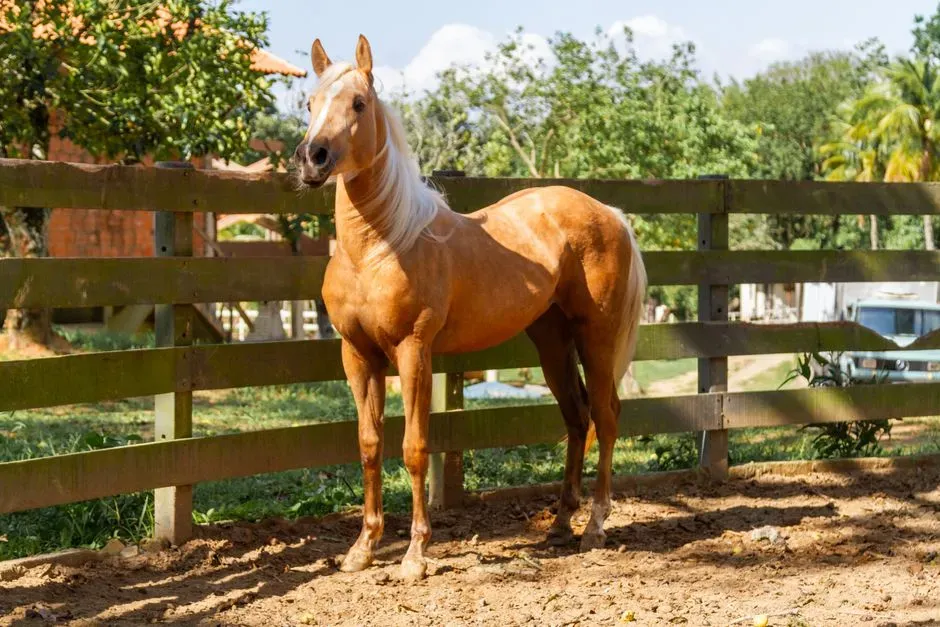
American Saddlebreds were bred to be noticed – animated gaits, elevated head carriage, presence that fills an arena. In the right hands, that energy is electric. In inexperienced hands, it’s exhausting. These horses amplify rider error in real time: a slightly stiff hip, an uneven rein contact, a moment of hesitation – the Saddlebred feels all of it and responds with head tossing, tension, or an increase in the very animation that was already difficult to manage. They are not forgiving of the learning curve that every beginner goes through.
Their naturally high energy levels also mean they require consistent, knowledgeable conditioning to stay both physically sound and mentally level. Beginners who ride intermittently or can’t yet read the signs of tension building in the horse often end up with a Saddlebred that becomes progressively harder to manage rather than easier. What felt like excitement on the first ride starts to feel like a horse that is always slightly ahead of the conversation – and trying to keep up without the right skills is a fast path to discouragement.
#8 – Paso Fino: Smooth Ride, Complicated Everything Else
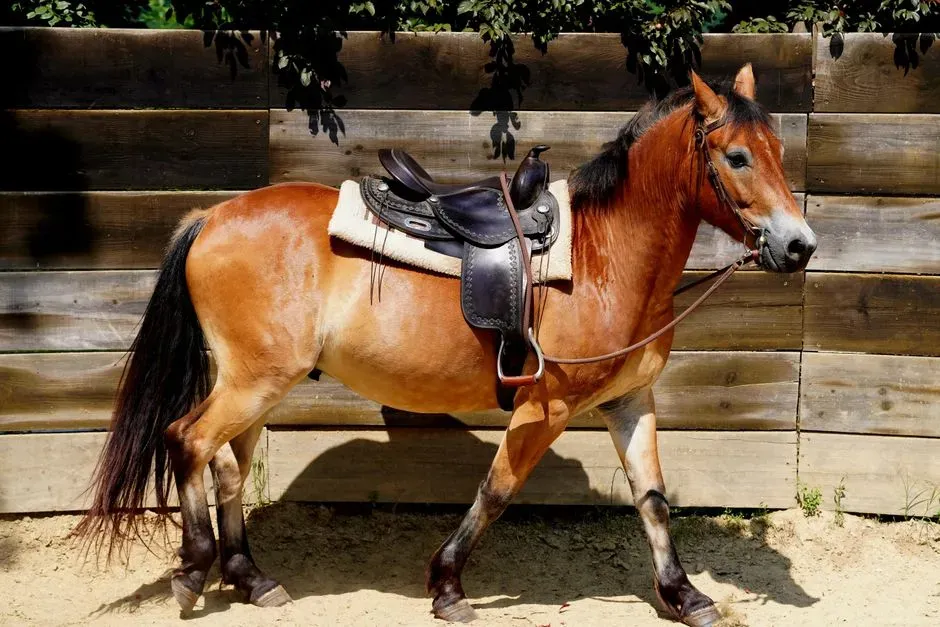
The Paso Fino’s famously smooth lateral gait is its biggest selling point, and for riders with joint pain or balance issues, that smoothness sounds like a dream. What the brochure doesn’t mention is the precision of timing that gait requires to work correctly. Even small inconsistencies in rein contact or seat position can throw off the rhythm, causing evasion or frustration in the horse. Paso Finos have strong opinions about pace and direction, and they are not subtle about expressing them when something feels off.
The breed characteristic known as brio – an innate energetic drive and self-carriage – is celebrated in experienced hands and genuinely alarming in novice ones. Under stress or miscommunication, that brio can escalate quickly into behaviors that a beginner has no framework to redirect. Their compact size fools people into thinking they’ll be easy to manage, but size has almost nothing to do with willfulness. Many experienced trainers describe Paso Finos as horses that will give you everything once you truly understand them – and absolutely nothing until you do.
#7 – Icelandic Horse: Small Package, Very Big Opinions
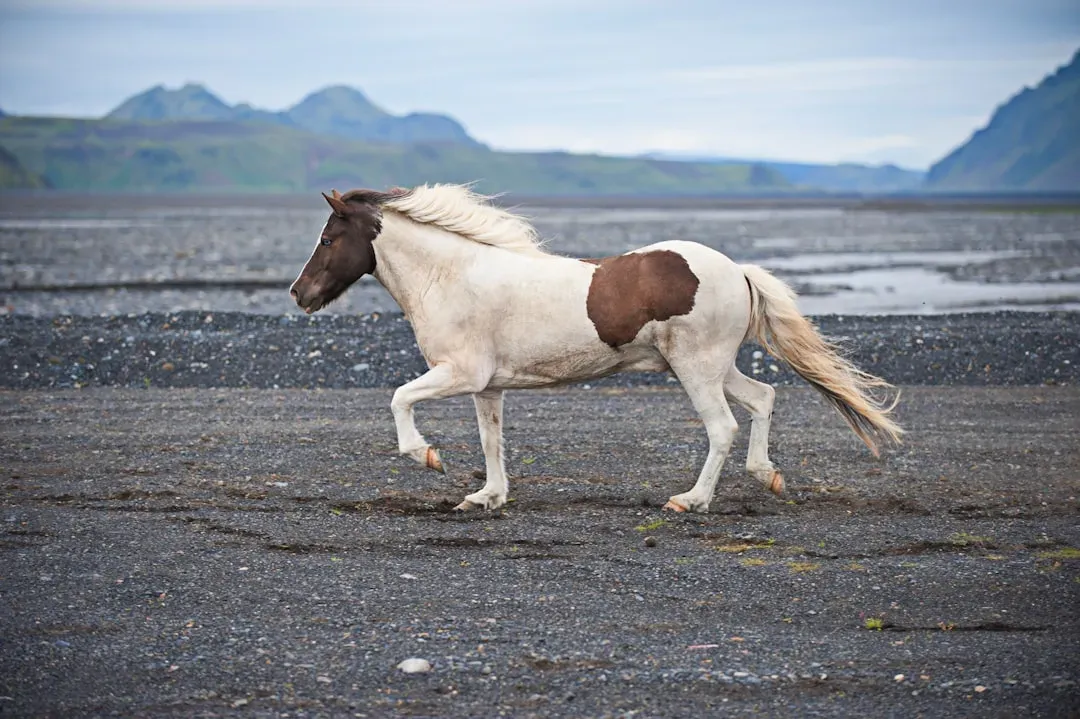
Icelandic horses are often marketed as beginner-friendly based purely on their size, and that assumption sends a lot of new owners down the wrong path. These horses have been genetically isolated for over a thousand years, developing a distinct intelligence and independence that has nothing to do with how tall they stand. Many experienced Icelandic riders will tell you flatly: this breed prefers to lead, not follow. A novice who hasn’t established clear, calm authority quickly finds themselves in a battle of wills with an animal that has been winning battles of wills for centuries.
Their unique gaits – the tölt and flying pace – are extraordinary, but they require specific knowledge to develop and maintain correctly. Inconsistent riding creates gait problems that are genuinely difficult to fix without specialized instruction. Add in a strong herd instinct that makes solo work unpredictable, thick coats that demand seasonal management attention, and a stubborn streak that veteran owners simply describe as “opinionated,” and the picture becomes clear: this is a breed that rewards investment and punishes assumption.
#6 – Clydesdale: Gentle Giant Is Still a Giant
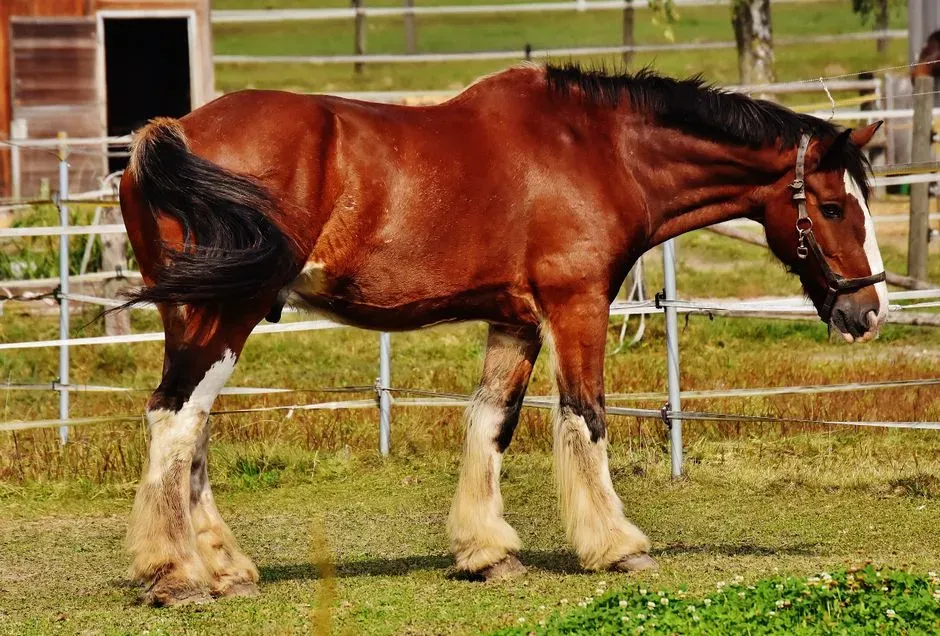
Clydesdales have an almost folkloric reputation for gentleness, and it’s not entirely unearned – many are genuinely calm, people-loving horses. But gentle doesn’t mean manageable for a novice, and that distinction matters enormously when you’re talking about an animal that can weigh over 2,000 pounds. The sheer physics of a Clydesdale moving in an unintended direction, spooking, or simply deciding it doesn’t want to walk forward will override any amount of goodwill a beginner can muster. Strength and technique are not optional – they’re safety requirements.
The breed’s heavy feathering – those dramatic leg plumes – is also a maintenance commitment that catches many new owners off guard. Without daily attention, feathering becomes a breeding ground for skin conditions like “scratches” (pastern dermatitis), which are painful, persistent, and expensive to treat. Hoof and joint issues surface faster when workload and footing aren’t managed with experience. A Clydesdale that isn’t receiving the right care doesn’t dramatically protest – it quietly deteriorates. First-time owners often don’t notice until the problem is already significant.
Why It Stands Out
- Adult Clydesdales regularly exceed 2,000 lbs – physics alone makes handling errors far more consequential than with lighter breeds
- Feathered legs require daily inspection and drying to prevent pastern dermatitis (“scratches”), a stubborn, painful skin condition
- Farrier visits cost significantly more than average – large hooves require specialized shoeing and more material
- Health decline in draft breeds is often gradual and quiet – an inexperienced eye can miss early warning signs entirely
- “Gentle” temperament does not offset the safety risk when 2,000 lbs moves unexpectedly – technique and confidence are non-negotiable
#5 – Shire: When the Calm Reputation Meets 2,200 Pounds of Reality
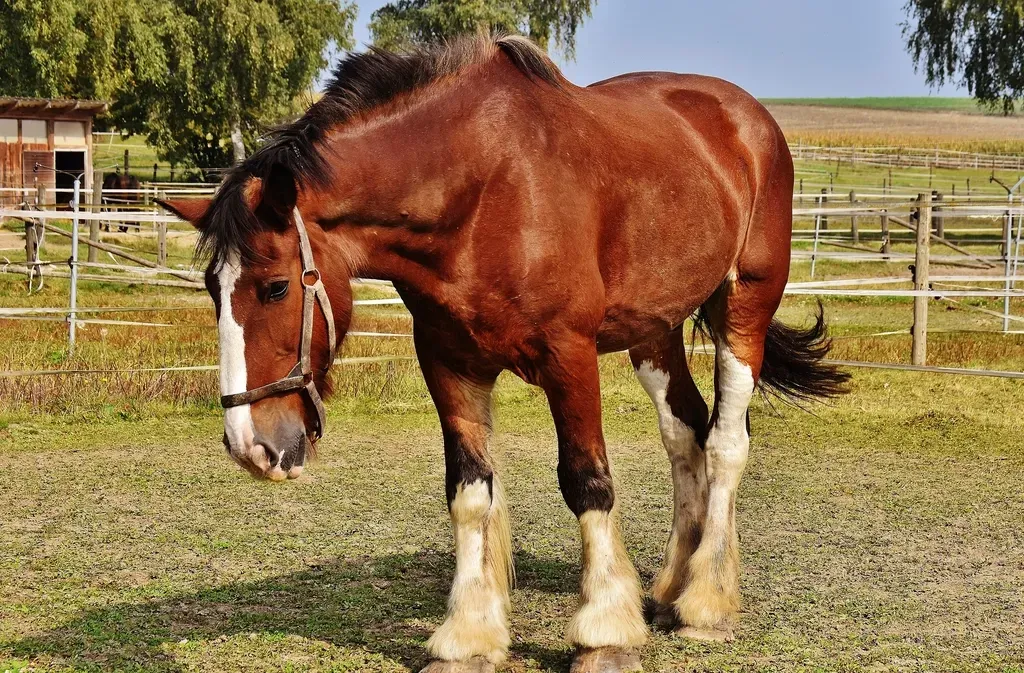
Shires are the tallest horses on this list, and that height turns every gap in a novice’s skills into a larger problem than it would be on a smaller horse. An experienced rider can absorb a moment of stubbornness or an unexpected spook with body position and confidence. A beginner on a 17-hand, 2,200-pound Shire doesn’t have those tools yet, and the resulting scramble – for control, for balance, for the horse’s attention – can escalate fast. Their calm reputation is real in the right hands, but that reputation can create dangerous overconfidence in someone who’s still developing theirs.
Feed costs, farrier costs, and veterinary costs all scale up significantly with a horse of this size, and Shires carry breed tendencies toward certain respiratory conditions that require attentive, informed monitoring. Training inconsistencies with large drafts often result in learned pushiness – not aggression, but a steady, weight-bearing pressure that a beginner physically cannot counter. The horse learns that leaning works, that moving the human is possible, and that lesson is very hard to unlearn without professional help. What starts as manageable drifts into something genuinely unsafe.
#4 – Percheron: Draft Power With a Surprising Testing Streak
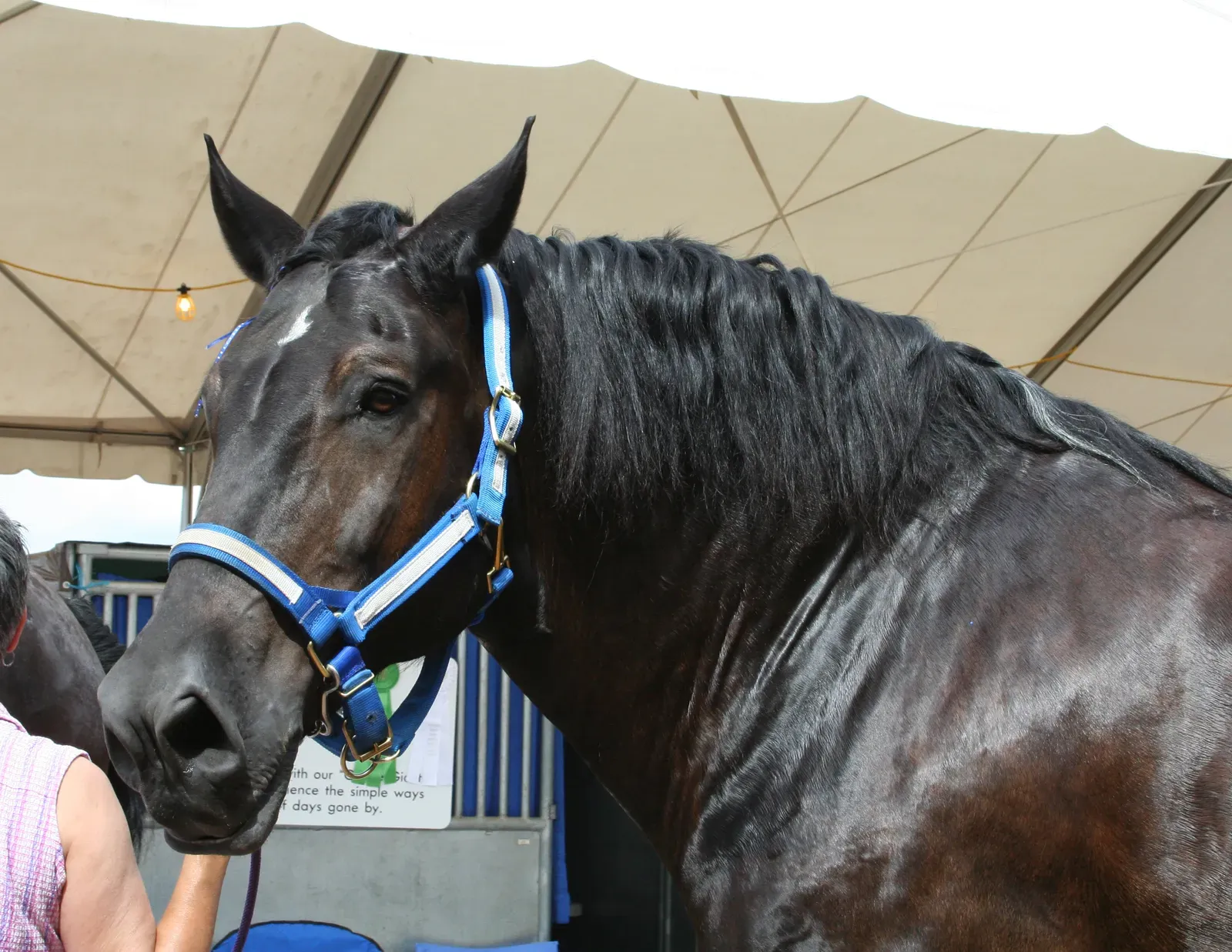
Percherons have a reputation as the workhorses of the draft world – solid, reliable, willing. That reputation is largely deserved in working conditions managed by experienced handlers. But these horses are not passive, and they test new leaders in ways that catch beginners completely off guard. During leading, grooming, and mounting, Percherons often probe for inconsistency with a quiet persistence that escalates if it goes uncorrected. Many novices don’t recognize it as testing at all – it reads as the horse just being slow or distracted, until suddenly it isn’t.
Their powerful pulling instincts, developed through generations of heavy draft work, can manifest as leaning into pressure or pushing through restraint in ways that beginners misread as aggression or unpredictability. It isn’t aggression – it’s a deeply ingrained response to physical pressure that requires specific handling knowledge to redirect. Add in conditioning requirements that are easy to underestimate and black or gray coats that demand extra care in heat, and the Percheron becomes a horse where the gap between “seems fine” and “developing a real problem” is shorter than most first-time owners realize.
#3 – Hanoverian: Competition-Bred Intensity in a Beginner’s Barn
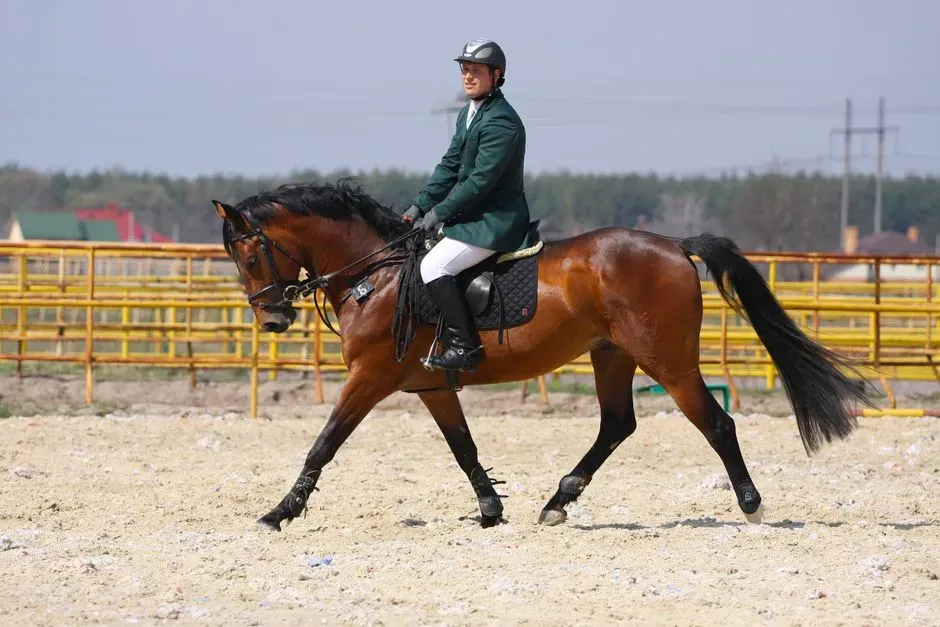
Hanoverians are among the most successful sport horses in the world, consistently dominating Olympic dressage and show jumping results. That success comes from selective breeding for athleticism, scope, and competitive drive – qualities that are electrifying at the top levels and genuinely overwhelming in a novice’s hands. These horses need advanced flatwork and progressive, skilled riding to channel their power safely. Without it, the energy finds its own direction, which often means refusals, tension, or bolting that a beginner has no reliable way to address.
They mature late, staying physically and mentally reactive well into their adult years, which means the window for creating problems is long and the window for correcting them requires professional intervention that most first-time buyers aren’t budgeting for. Experienced equestrians frequently describe Hanoverians as horses that overfacing a novice doesn’t just frustrate – it injures. The horse isn’t trying to be difficult. It’s simply operating at a level of output that the human’s current skills cannot meet. That mismatch doesn’t resolve on its own; it compounds.
#2 – Trakehner: The Breed That Reads You Before You Read It
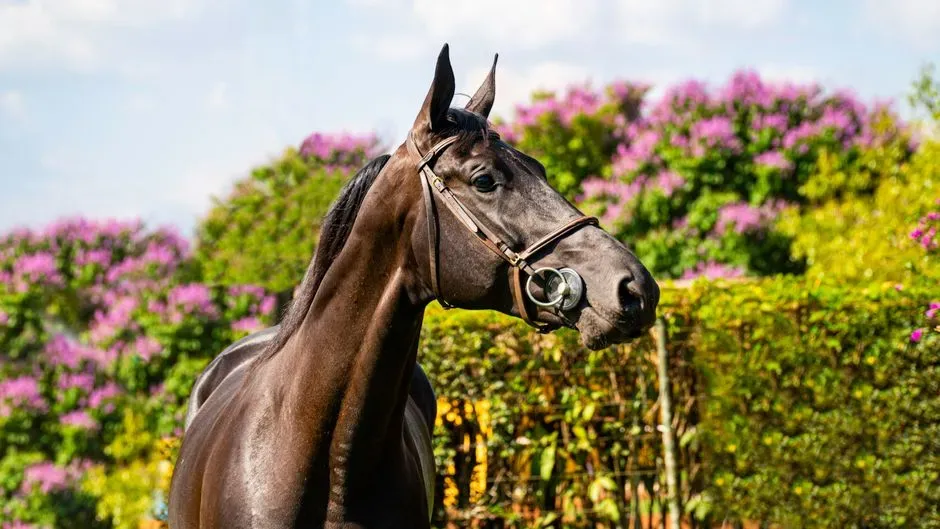
Trakehners are extraordinarily sensitive horses – a quality that makes them exceptional partners for riders with the skill to work with it, and exhausting opponents for those who don’t. They read rider tension the way a tuning fork reads vibration: instantly, completely, and with full-body response. A nervous beginner gripping the saddle, holding their breath, or broadcasting uncertainty through stiff hands will get that energy reflected back at them magnified. The horse isn’t being difficult. It’s being exactly what it was bred to be.
Their strong work ethic – another celebrated breed trait – also means they punish half-hearted effort with obvious frustration. Inconsistent programs, irregular work schedules, and vague communication create anxiety and resistance patterns that calcify quickly and require significant skill to undo. Hoof quality and nutrition in Trakehners require attentive, experienced management. For a first-time buyer who is still figuring out the fundamentals, the Trakehner essentially becomes a real-time performance review of every gap in their horsemanship – delivered without mercy and without pause.
#1 – Oldenburg: The Perfect Storm of Size, Sensitivity, and Slow Maturation
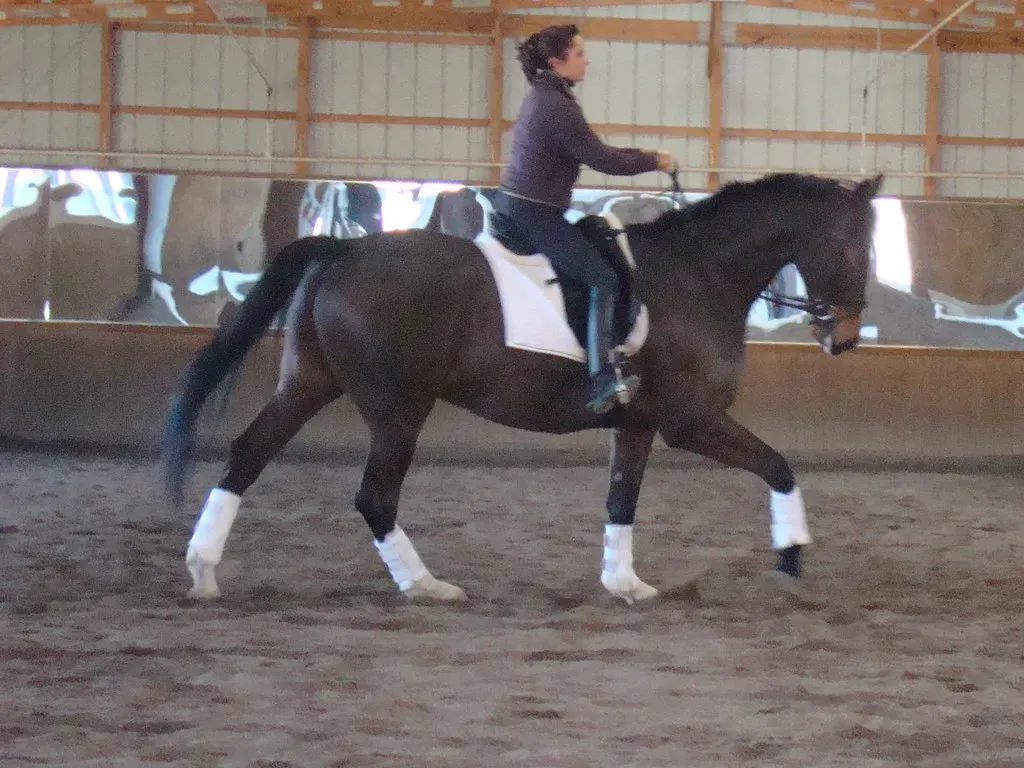
If you asked a room full of experienced equestrians to design the worst possible first horse, the result would look a lot like an Oldenburg. These sport horses combine massive physical power with extraordinary sensitivity, a slow developmental timeline, and a level of training complexity that takes years of consistent, skilled work to even approach safely. They are not mean horses. They are not bad horses. They are elite athletes placed in the wrong context, and the consequences are predictable and well-documented: behavioral issues that trainers describe as “novice-created” and that take months – sometimes years – of professional intervention to reverse.
What makes Oldenburgs particularly dangerous for beginners is how well they can mask their reactivity in a calm environment. The horse that seemed perfectly manageable at the seller’s barn reveals itself slowly at home, over weeks and months, as the full picture of its needs becomes clear. Joint health, digestive management, progressive fitness programming, and technically correct riding – none of it is optional with this breed, and all of it requires knowledge that most first-time buyers are still acquiring. Experienced equestrians don’t warn against Oldenburgs because the horses aren’t magnificent. They warn against them because they are – and magnificence at that level costs more than most beginners know how to pay.
At a Glance: Oldenburg by the Numbers
- Height: Typically 16.2–17.2 hands; some sport-bred individuals exceed 17 hands
- Weight: Up to approximately 1,700 lbs – several hundred pounds heavier than the average riding horse
- Origin: Lower Saxony, Germany; breeding dates to the 17th century
- Known health concerns: Warmblood Fragile Foal Syndrome, PSSM, osteochondritis dissecans, gastric ulcers, and lameness
- Primary disciplines: Olympic-level dressage, show jumping, and eventing – not recreational trail riding
- Cost range: Quality sport horses commonly start at €15,000–€50,000; top competition bloodlines reach six figures
The Real Takeaway for Anyone Still Horse Shopping
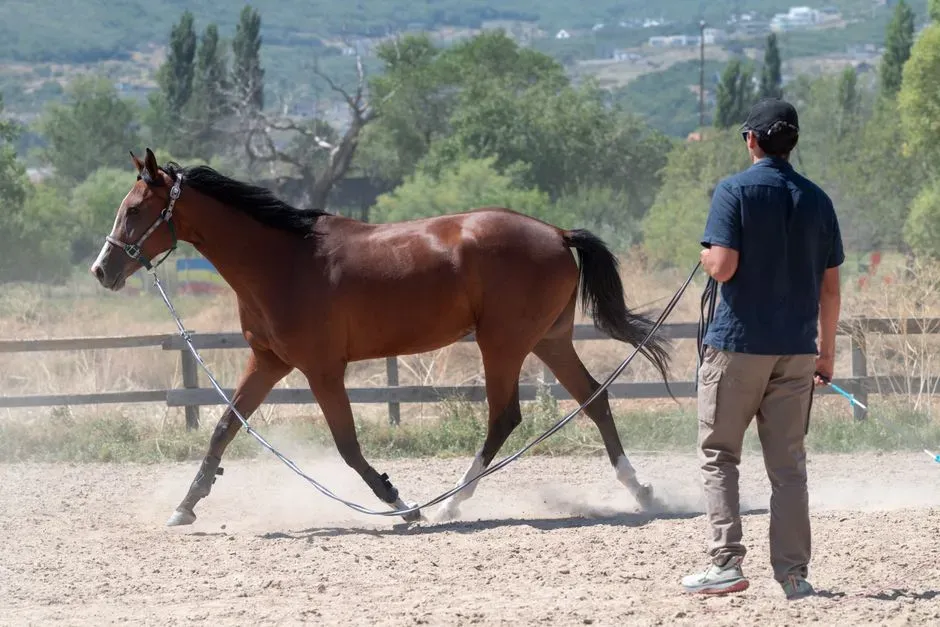
None of these breeds are villains. Every single one of them, in the right hands with the right experience level, can be a breathtaking partner. The problem isn’t the horse – it’s the mismatch. Experienced equestrians have watched that mismatch play out enough times to recognize the pattern instantly: the beginner falls in love with a breed for its beauty or reputation, underestimates the demands, and ends up either giving up on horses entirely or spending years undoing damage that shouldn’t have happened.
The breeds that consistently show up on safe-starter lists – Quarter Horses, Morgans, older school masters, been-there-done-that trail horses – aren’t there because they’re less impressive. They’re there because they give beginners room to make mistakes without those mistakes becoming emergencies. The goal of a first horse isn’t to challenge yourself to the edge of your ability. It’s to build the foundation that eventually earns you the right to ride the horses on this list. That foundation is worth building carefully – because the horses waiting on the other side of it absolutely are.

- 7 Backyard Habits That Attract Raccoons - August 6, 2026
- 8 Humane Ways to Keep Rabbits Out of Vegetable Beds - August 6, 2026
- 9 Fascinating Facts About Elephants That Will Absolutely Blow Your Mind With Awe - August 6, 2026