

Climate change, often characterized by rising temperatures, shifting weather patterns, and altered ocean currents, is one of the most pressing challenges of our time. Its effects are pervasive, affecting not just human societies but every ecosystem on Earth. Wildlife, particularly species that are dependent on specific environmental conditions, is increasingly feeling the impact of these relentless shifts. From the Arctic to the Equator, the survival and behavior of various animal species are being reshaped by climate change.
Polar Bears: Icons of the Arctic Under Threat

Polar bears are often the face of wildlife impacted by climate change. As Arctic temperatures rise, sea ice — the primary habitat for these majestic creatures — is melting at an alarming rate. Polar bears rely on sea ice for hunting seals, their main food source. With the ice melting earlier and forming later each year, bears have to travel longer distances and expend more energy to find food. This not only affects their health and survival but also reduces their reproductive success.
The loss of sea ice habitat is forcing polar bears to spend more time on land, where food sources are scarce, and human interactions — often dangerous for both bears and people — are more frequent. Conservation efforts are underway, focusing on reducing greenhouse gas emissions and protecting critical habitats, but the future of polar bears remains uncertain if warming trends continue.
Coral Reefs: The Underwater Rainforests in Crisis

Coral reefs, often referred to as the “rainforests of the sea,” are another crucial ecosystem impacted by climate change. These vibrant underwater structures provide habitat and food for an estimated 25% of all marine species, despite covering only a tiny fraction of the ocean floor. Coral reefs are incredibly sensitive to temperature changes; even a slight increase can cause coral bleaching, a stress response where corals expel the symbiotic algae that provide them with nutrients and color.
The frequency and severity of bleaching events have increased, driven by warming oceans and other stressors like pollution and overfishing. This not only affects the corals themselves but also the myriad species that depend on them for survival. Efforts to protect coral reefs include initiatives to reduce local stressors, restore damaged reefs, and even develop more resilient coral species through selective breeding, but these efforts must be combined with global action to mitigate climate change for long-term success.
Shifting Habitats and Altered Behaviors
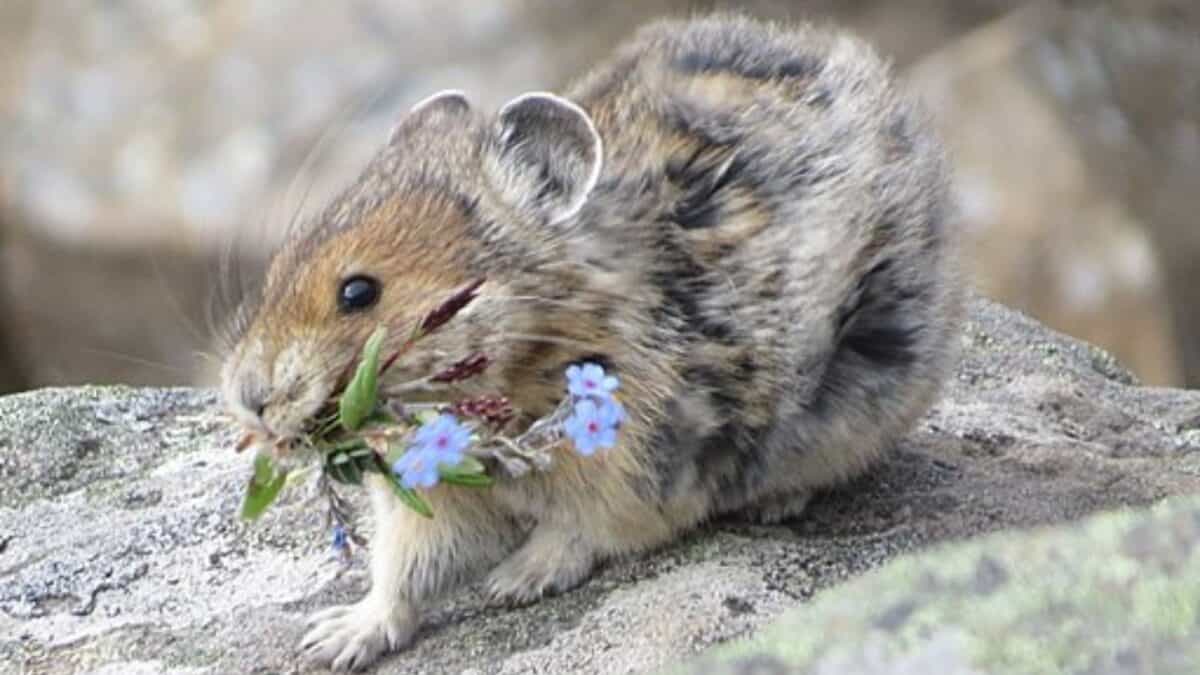
Climate change doesn’t just threaten individual species; it reshapes entire ecosystems. Many animals are being forced to alter their ranges and behaviors in response to changing conditions. For example, as temperatures rise, some bird species are migrating earlier or shifting their breeding grounds northward. This can lead to mismatches with the availability of food, which is crucial for raising their young.
Similarly, terrestrial animals such as the American pika, a small mammal adapted to cold high-altitude environments, are retreating to higher elevations in search of cooler climates. Unfortunately, this move is not always possible, and some species are finding themselves with nowhere left to go.
Adapting to a Changing World
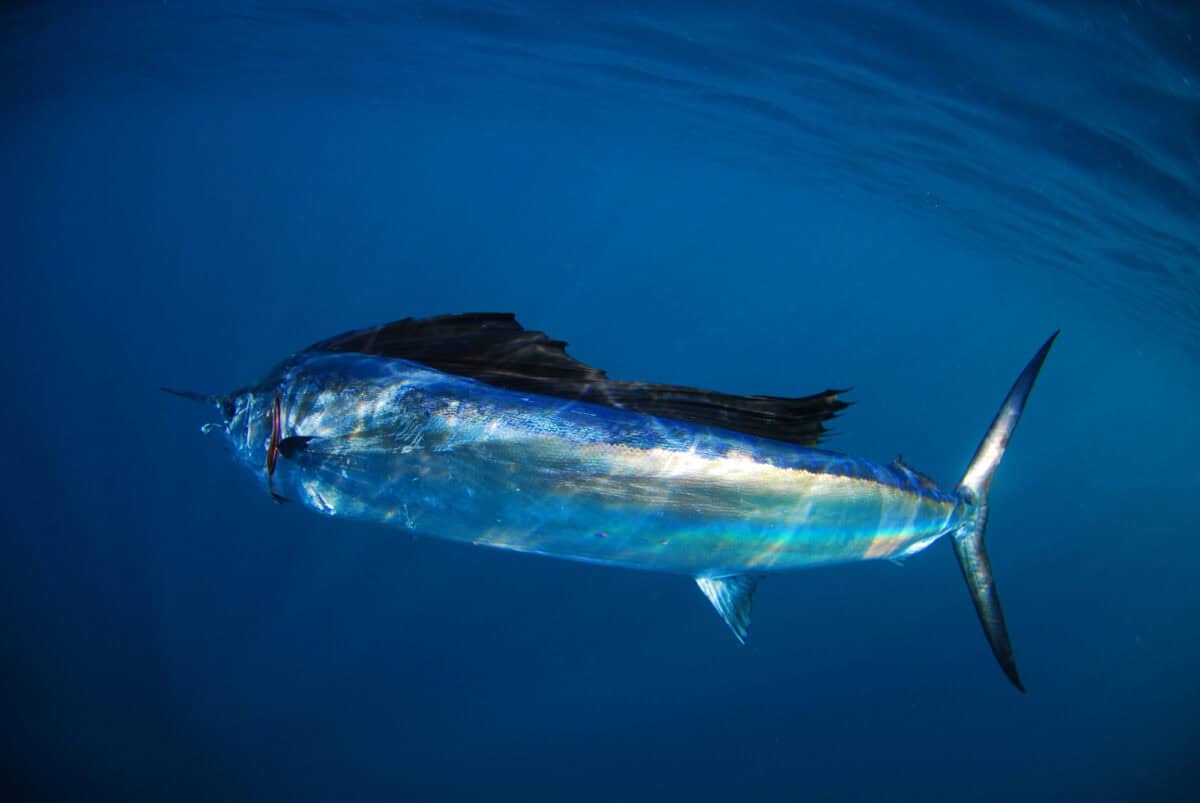
Despite the unprecedented rate of change, some species are showing remarkable adaptability. Marine species, such as some fish and plankton, are altering their ranges, moving towards the poles in search of cooler waters. Certain plant and animal species are displaying phenotypic plasticity, allowing them to adjust their development in response to changing environmental conditions. However, this adaptability has its limits, and not all species can adjust quickly enough to keep pace with the rapid changes caused by climate change.
Conclusion: The Need for Urgent Action

The impacts of climate change on wildlife are a clarion call for humanity to take urgent action. The survival of countless species depends not only on reducing greenhouse gas emissions but also on protecting and restoring habitats while supporting ecosystems in their natural adaptation processes. Conservation strategies must be informed by science and supported by global cooperation to be effective.
The stakes are high not only for wildlife but also for humans, as ecosystems provide invaluable services such as pollination, water purification, and climate regulation. Addressing climate change is not just about saving wildlife but also about preserving the natural world that sustains us all. Each of us can play a role in this critical mission, through small daily actions and supporting larger-scale initiatives that aim to protect our planet for future generations.
What actions can you take to protect our planet? Let us know in the comments!

- The Most Powerful Earthquake Ever Felt in the U.S. - July 19, 2026
- How Rhinoceros Males Compete for Mating Rights in the Wild - July 18, 2026
- 13 Spider Species Thriving in Changing Environments - July 18, 2026