


When it comes to survival, animals possess a wide array of impressive adaptations. Among the most fascinating of these is the ability to heal naturally from injuries that would severely hinder or even be fatal to humans. These incredible healing abilities not only highlight the wonders of evolutionary biology but also spark inspiration and hope for advancing medical science. Let’s explore nine extraordinary animals that showcase powerful examples of natural healing.
Axolotl The Regeneration Marvel

The axolotl, a type of salamander native to Mexico, is famous for its unparalleled regenerative abilities. Unlike most vertebrates, the axolotl can regenerate entire limbs, tail, spinal cord, parts of the heart, and even brain tissue. Researchers are astounded by this wonder as axolotls regrow these complex structures without leaving scars. Their abilities have made them a focal point of scientific research, with hopes that understanding their regenerative processes might one day lead to breakthroughs in human medicine.
Starfish Regenerating More Than Limbs

Starfish, or sea stars, are not only able to regenerate lost arms, but some species can regenerate their entire body from just one severed arm. This impressive survival skill is crucial, given their habitat in ocean environments teeming with potential threats. Scientists study starfish regeneration to understand the process of cellular differentiation and growth, which may offer insights into regenerative medicine and therapies.
African Spiny Mouse Wounds that Vanish

The African spiny mouse has one of the most remarkable healing abilities among mammals. When predation results in skin injuries, this mouse species can regrow the lost skin, fur, and even cartilage with minimal scarring. Their regenerative prowess is believed to be tied to their unique immune response. Researchers are exploring the cellular and molecular mechanisms behind this phenomenon, which could lead to advancements in wound healing and tissue regeneration in humans.
Leopard Gecko Tail Regrowth and More

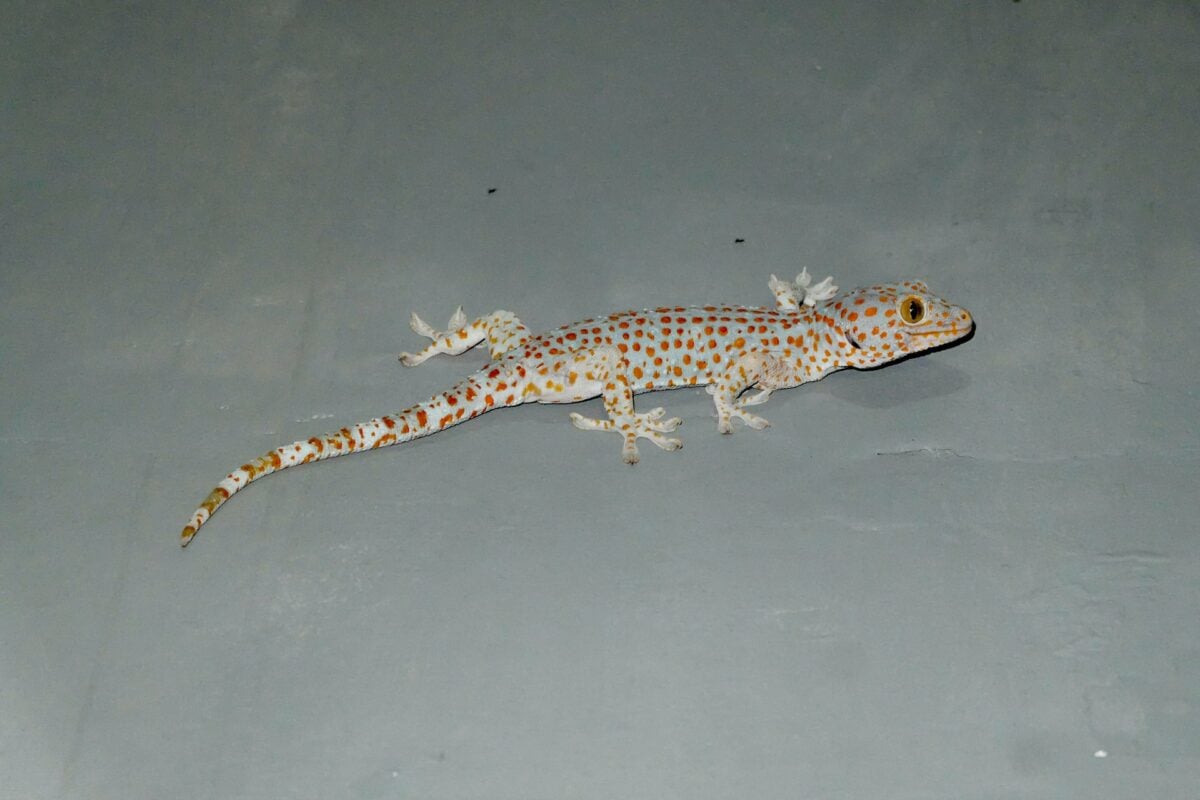
The leopard gecko is well-known for its ability to drop its tail as a self-defence mechanism against predators. What’s remarkable is the gecko’s capability to regrow the entire tail over time. This regrowth involves new muscle, skin, and even skeletal components. The study of gecko tail regeneration offers valuable insights into cellular growth and differentiation, with potential parallels in developing regenerative solutions for amputees and spinal cord injuries.
Deer Antlers of Regeneration

Deer are the only mammals capable of regenerating a complex appendage – their antlers, which they regrow annually. This rapid growth period involves bone, vasculature, skin, and nerves, making antlers a unique model of mammalian regeneration. Understanding the hormonal and growth factors involved in this swift regrowth could inform regenerative medicine and osteoporosis research.
Planarian Flatworms The Masters of Reconstruction
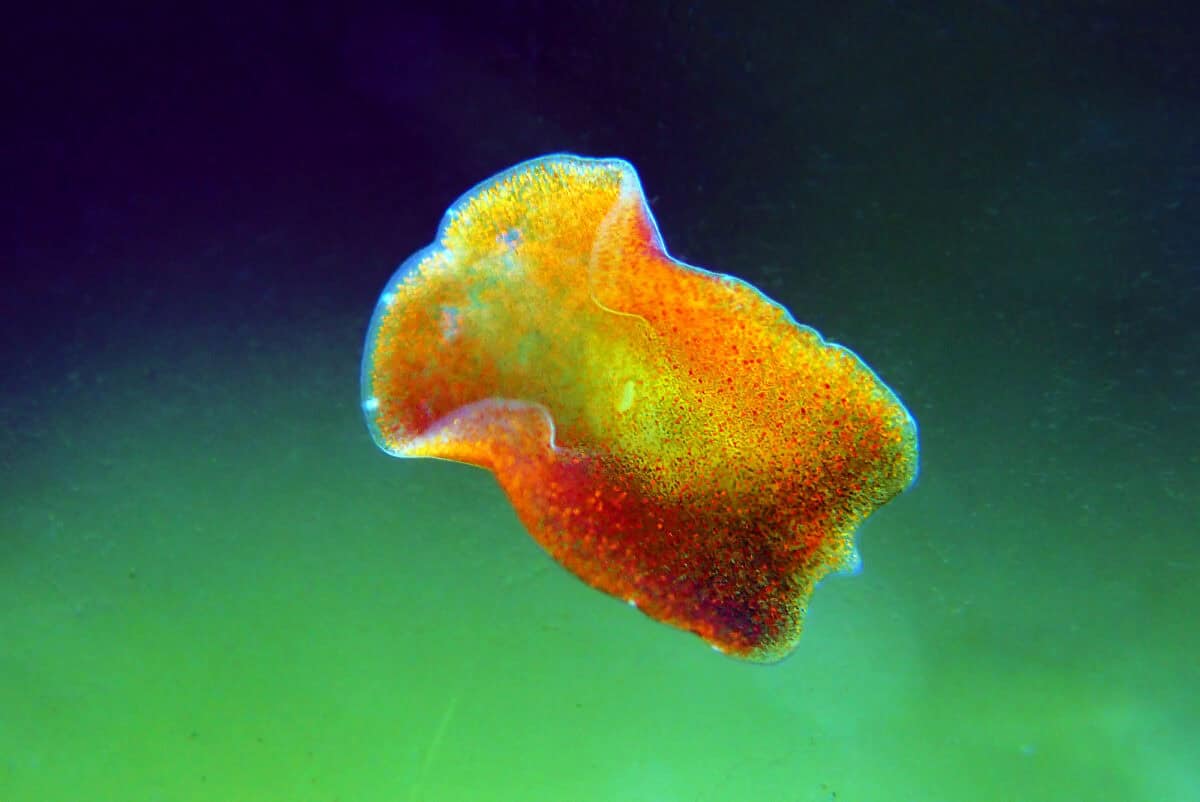
Planarian flatworms are small, simple organisms that possess extraordinary regenerative powers. They are often used in laboratories because of their ability to regrow entire bodies from small body segments. Researchers are keenly interested in their stem cells, known as neoblasts, which can transform into any cell type, offering critical insights into the potential for cell replacement therapies in humans.
Sharks The Healers of the Ocean
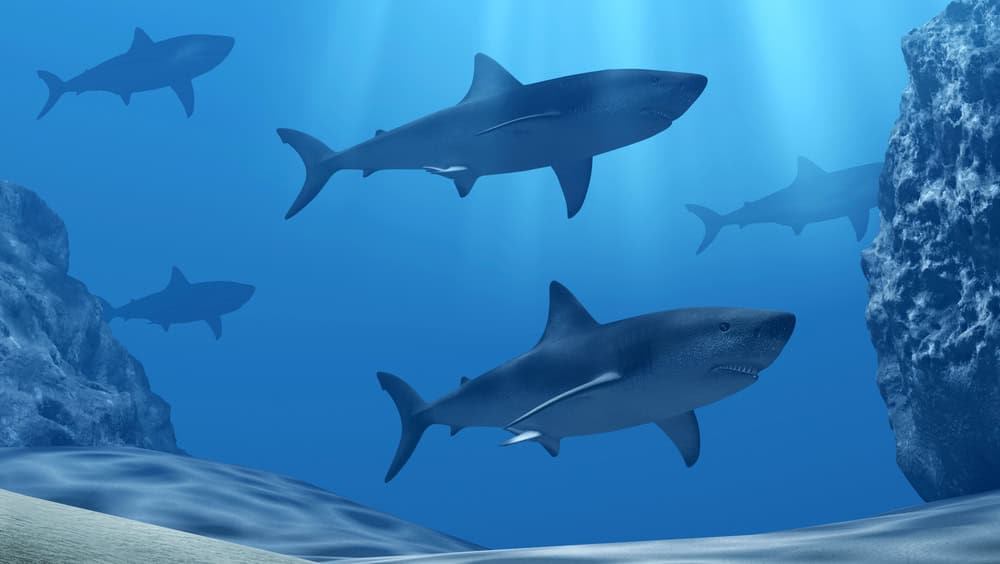
Sharks are known to heal quickly and effectively from various wounds, including bites and cuts. Remarkably, these injuries heal without signs of infection, potentially due to a unique immune system that has fascinated scientists for years. Understanding sharks’ wound healing and resistance to infection could pave the way for advancing treatments for human injuries and understanding immunity.
Sea Cucumbers Unique Defense and Regeneration

Sea cucumbers are marine animals with the extraordinary ability to expel and later regenerate their internal organs as a defence mechanism. This process, known as evisceration, allows them to escape from predators. Researchers study these creatures to learn more about tissue regeneration and immune responses, which could have applications in human organ transplant therapy and regenerative medicine.
Octopus Regrowing Limbs and Adaptability

The octopus is another fascinating creature capable of limb regeneration. When an octopus loses an arm due to predation or injury, it can grow a new one with full functionality, including regaining muscle, nerve, and even suction cup abilities. The study of octopus limb regeneration aids our understanding of neuroscience and regenerative biology, providing a model for developing prosthetics and rehabilitation strategies.
Unlocking the Secrets of Nature
The healing abilities of these animals are not only intriguing but also hold immense potential for scientific advancements. As researchers delve deeper into understanding the mechanisms behind natural regeneration, there is optimism that these findings will inspire innovative medical treatments and technologies aimed at restoring health and repairing damaged human tissues. The study of these incredible animals continues to ignite curiosity and drive progress in the fields of biology and medicine.

As a little kid, I fell in love with nature, wildlife, and animals. Living in the USA, South Africa, Italy, China and Germany gave me the opportunity to discover the world's Wildlife. My favorite animals are Mountain Gorillas, Siberian Tigers, and Great White Sharks.
I'm a certified PADI Open Water Diver, went to Everest Base Camp and Trekked Gorillas in Uganda. I hold a Master of Science in Economics and Finance.
Please send any feedback to feedback@animalsaroundtheglobe.com
- 12 Baby Animals You Will Only See Once a Year - July 19, 2026
- 11 Popular Animals in U.S. State Symbols - July 19, 2026
- 13 Things You Did not Know About Great White Sharks - July 19, 2026