


The universe is full of mysteries that can make your stomach drop when you really think about them. Here’s one that might keep you up at night: our planet is literally getting darker. Not in some metaphorical, poetic way about the state of humanity. We’re talking about actual measurable darkness spreading across Earth’s surface.
According to 24 years of satellite data from NASA’s CERES instruments, our planet is reflecting significantly less sunlight into space. In other words, the Earth is literally getting darker. This isn’t just some minor cosmic hiccup either. Using 24 years of data from NASA’s Clouds and Earth’s Radiant Energy System (CERES), researchers have learned that this encroaching darkness is because Earth is reflecting less sunlight, with the most dramatic dimming occurring in the Northern Hemisphere.
The Science Behind Our Dimming Planet
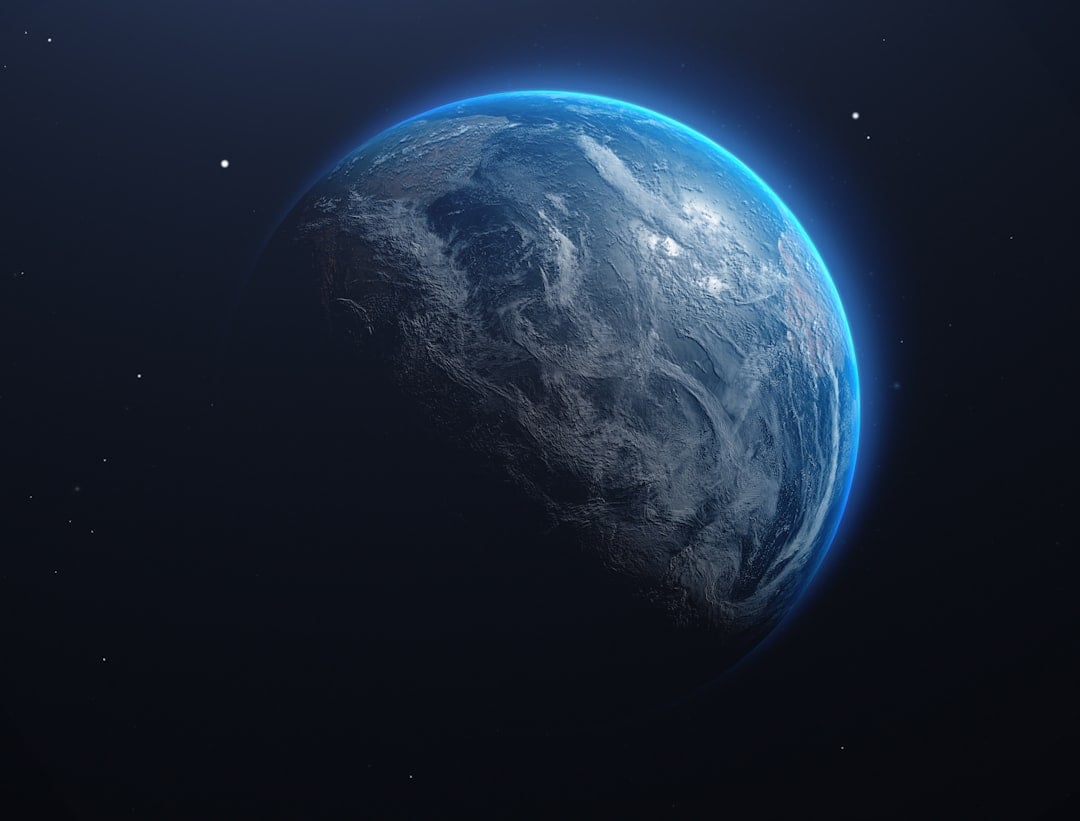
Think of Earth like a giant mirror floating in space. For millions of years, our planet has been bouncing sunlight back into the cosmos with remarkable consistency. The key factor behind this global dimming lies in changes to Earth’s albedo. The albedo is a measure of how much sunlight a surface reflects. Light-colored regions like ice, snow, and clouds bounce much of the sun’s energy back into space, while darker surfaces such as forests, oceans, and asphalt absorb it.
Scientists have discovered something troubling in their measurements. Earth has grown a full shade darker since 2001. In practical terms, the planet is reflecting less sunlight back into space than it used to, resulting in a change in climate. The numbers are staggering when you break them down. According to satellite measurements, radiation absorption has reportedly increased significantly per decade, with the Northern Hemisphere being particularly affected.
Why the Northern Hemisphere Is Darkening Faster
The darkening isn’t happening equally everywhere on Earth. The Northern Hemisphere is dimming faster than the Southern – an imbalance that adds extra heat where ice and snow are already in retreat. This creates a dangerous feedback loop that accelerates warming in regions that are already vulnerable.
The northern hemisphere, in particular, used to be so snowy that all that white was bouncing tons of light back into space. But now that ice and snow aren’t appearing as much. Again, thanks to climate change. So what was once white and reflective is now dark and light-absorbing – stuff like the blue ocean, and the gray/black rock and asphalt. It’s like watching Earth’s natural air conditioning system slowly shut down.
The Unexpected Role of Cleaner Air

Here’s where things get really twisted. Part of the reason Earth is getting darker comes from something we thought was purely good: cleaner air. In an even more unusual twist, cleaner air in the Northern Hemisphere has negatively affected its albedo. For decades, industrial pollution scattered sunlight and helped form bright, reflective clouds. These tiny airborne particles, known as aerosols, once acted as natural mirrors, bouncing energy back into space.
As nations became industrialized, they filled our atmosphere with thick clouds that scattered sunlight. However, countries in North America, across Europe, and China have all made tremendous strides in reducing air pollution. This has made the skies clearer and made it easier for all of us to breathe, albeit with the unintended consequence of producing fewer reflective particles. Environmental progress has an unexpected dark side, literally.
The Broken Balance That Once Protected Us
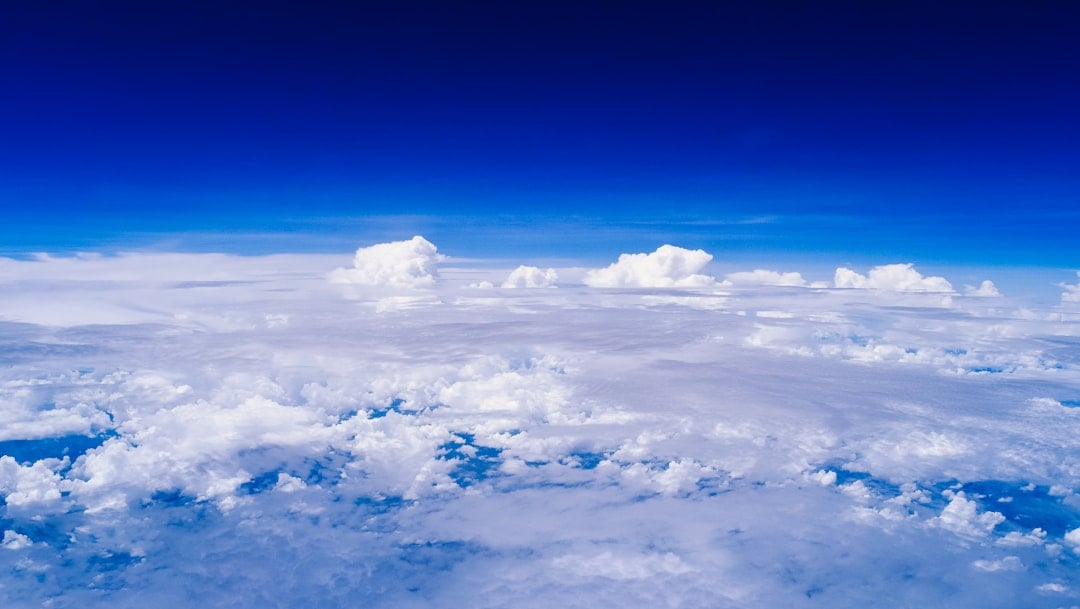
For decades, clouds seemed to level things out. They circulated in a way that balanced the obvious differences between hemispheres, such as land distribution, so both reflected about the same amount of light. Norman Loeb, who heads the research at NASA’s Langley Research Center, noted that scientists have always seen this symmetry in the data but never had a solid theory to explain it.
That natural balance has now shattered. His team’s review of 24 years of satellite records from the CERES program, run by NASA and NOAA since 2000, showed the balance had finally broken. Both hemispheres are dimming, but the Northern Hemisphere is doing so much more quickly. It’s as if Earth’s climate system had a built-in thermostat that just stopped working.
What This Means for Climate Models and the Future
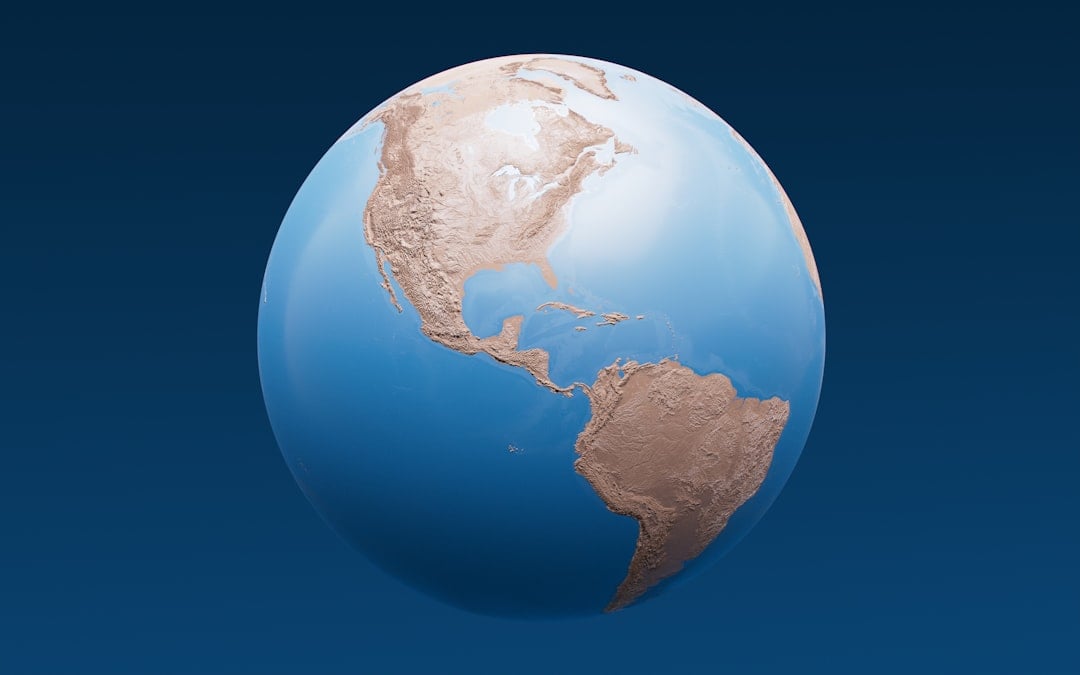
Climate scientists are scrambling to understand what this hemispheric imbalance means for our future. For years, climate scientists believed that cloud systems would act as a stabilizer. If one hemisphere darkened, cloud patterns would adjust, restoring balance. Yet the study challenges that assumption. Clouds, it turns out, may not be the reliable guardians we hoped they were.
Climate models depend heavily on how clouds are represented. If clouds are less capable of compensating for hemispheric imbalances than once believed, our predictions of future warming may need revision. The dimming of Earth is a call to refine those models, to sharpen our tools for understanding the future. We might be flying blind into a climate scenario we never fully anticipated.
The Consequences of a Darker World
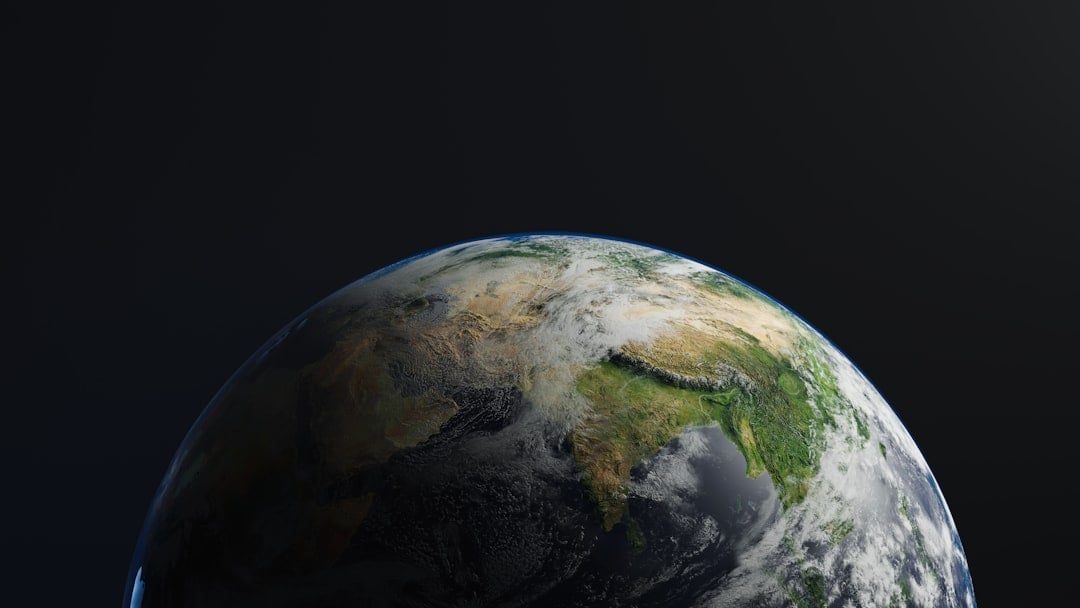
When one part shifts – ice melting, aerosols decreasing, clouds failing to compensate – the whole system tilts. The darkening of Earth is not simply a reflection problem; it is an energy imbalance. More energy is being stored, fueling the processes that drive global warming. Every bit of extra energy trapped makes the next warming increment easier to achieve.
If that is true, the Northern Hemisphere could continue warming faster than the global average and continue to see more intense and prolonged summers in the years ahead. To combat and prepare for this, researchers suggest climate models may need to be recalibrated to reflect these changes in the clouds’ diminishing role in helping to control Earth’s climate. The familiar weather patterns millions depend on could shift dramatically.
This darkening trend represents more than just another climate statistic. The thought of Earth becoming darker resonates at a deeper, almost symbolic level. For centuries, our planet has been described as a shining beacon, a bright marble floating in the blackness of space. Now, to learn that it is literally dimming, losing its radiance, feels like a metaphor for our times. It reflects not just physical processes but also our relationship with the natural world.
The implications stretch far beyond what we can measure with satellites. We’re witnessing the breakdown of natural systems that have maintained Earth’s climate for millennia. While cleaner air has been a remarkable achievement for human health, it has inadvertently removed one of the planet’s cooling mechanisms. Meanwhile, melting ice and changing weather patterns continue to darken our world at an accelerating pace.
What makes this particularly unsettling is how it challenges our assumptions about environmental progress. We’ve celebrated cleaner skies and reduced pollution, not realizing we were dismantling part of Earth’s natural cooling system. It’s a reminder that our planet operates as one interconnected web, where pulling one thread can unravel patterns we never even knew existed.
So what would you have guessed? That environmental progress would make our planet literally darker?
