


Australia has done it again—delivered a spine-chilling discovery that both fascinates and terrifies us. Scientists have uncovered a new and larger species of Sydney funnel-web spider, aptly named “Big Boy”, and it’s turning heads (and stomachs) in the arachnid world. With its enormous size, highly potent venom, and newly classified status, this spider has earned a reputation as one of the deadliest spiders ever documented. But what makes the “Big Boy” species so extraordinary, and what does this discovery mean for science, public safety, and arachnid conservation? Let’s dig in.
Discovery of ‘Big Boy’

The existence of “Big Boy” came to light when researchers studying Sydney funnel-web spiders in the Newcastle region of New South Wales noticed some unusually large specimens. Spider enthusiast Kane Christensen played a pivotal role in the discovery, documenting these outsized arachnids in the wild. The research on Big Boy commenced when Mr Christensen, then based at the Australian Reptile Park in New South Wales, collected several large male funnel-web spider species which were unusually large. What set these spiders apart wasn’t just their size but also subtle genetic differences that pointed to a new species. After meticulous research, arachnologists confirmed the new species, Atrax christenseni, named in Christensen’s honor. This groundbreaking revelation has reshaped our understanding of the Sydney funnel-web spider family and its diversity.
Characteristics of Big Boy

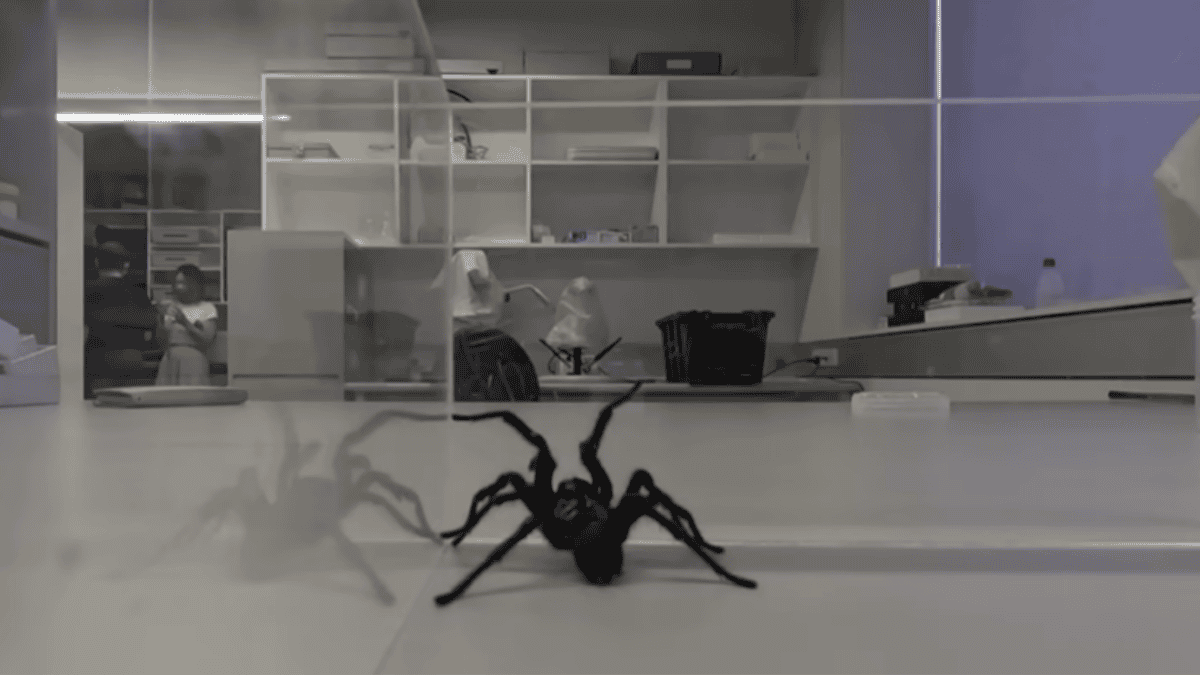
So, how big is “Big Boy”? Let’s just say this spider isn’t sneaking by unnoticed, and I for one think they should have named it Aragog, the scary spider dude in Harry Potter’s Chamber of Secrets. Males can grow up to 9 centimeters in body length, far surpassing the average size of the classic Sydney funnel-web spider, which typically maxes out at around 5 centimeters.
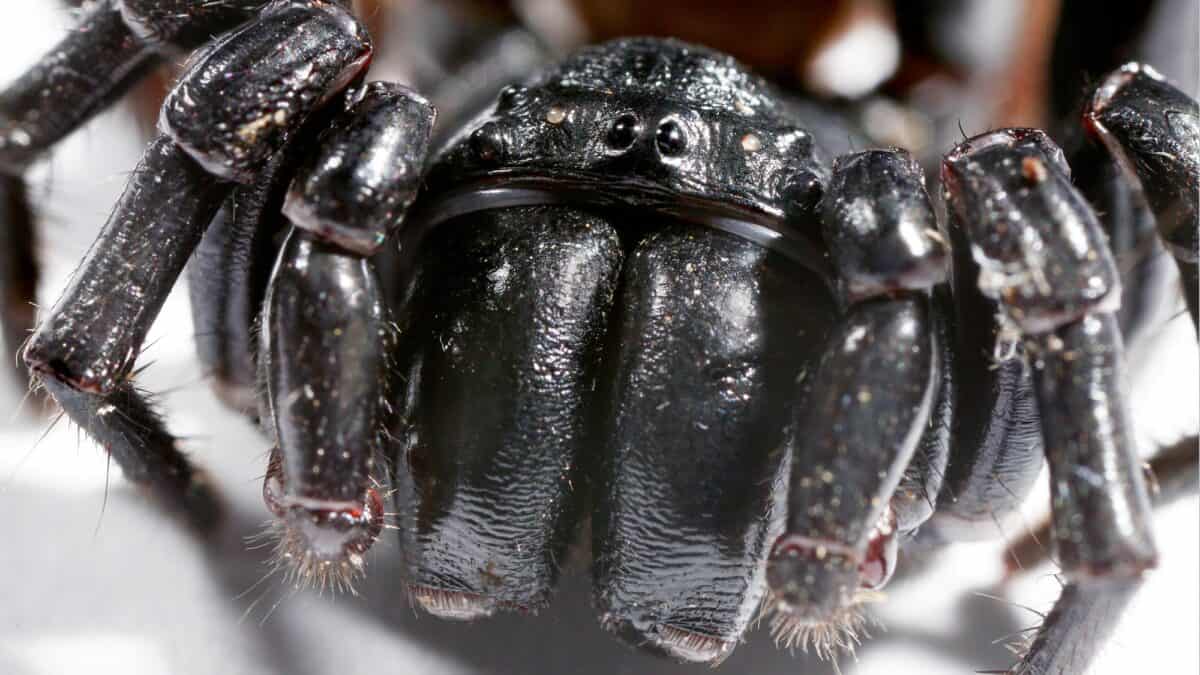
Big Boy boasts glossy black fangs that are both larger and stronger, enabling it to inject a greater volume of venom with each bite. Its bulky body is covered in a hardened exoskeleton, making it a formidable predator in its native habitat. Scientists believe its size also gives it a survival advantage, as it can take on larger prey and defend itself against predators more effectively.
Venom Potency and Human Impact

Big Boy isn’t just big—it’s deadly. Like its smaller relatives, this spider’s venom is a cocktail of neurotoxins designed to subdue prey almost instantly. However, its larger venom glands mean it can deliver a higher dose in one bite, making its venom even more potent.
The neurotoxins in Big Boy’s venom can wreak havoc on the human nervous system, causing symptoms such as intense pain, muscle spasms, rapid heart rate, profuse sweating, and, in severe cases, respiratory failure.
Fortunately, existing antivenoms for Sydney funnel-web spider bites have proven effective against Big Boy envenomation, which is excellent news for anyone unlucky enough to encounter this arachnid up close.
Habitat and Distribution

Big Boy has been predominantly found in the Newcastle region of New South Wales, a coastal area known for its diverse ecosystems. Like its relatives, it favors cool, moist environments, including burrows in the soil, crevices, and leaf litter in forests and gardens.
Its habitat is similar to the classic Sydney funnel-web, though its distribution is more localized, making it both fascinating and vulnerable from a conservation perspective.
Behavior, Venom Potency, and Antidote
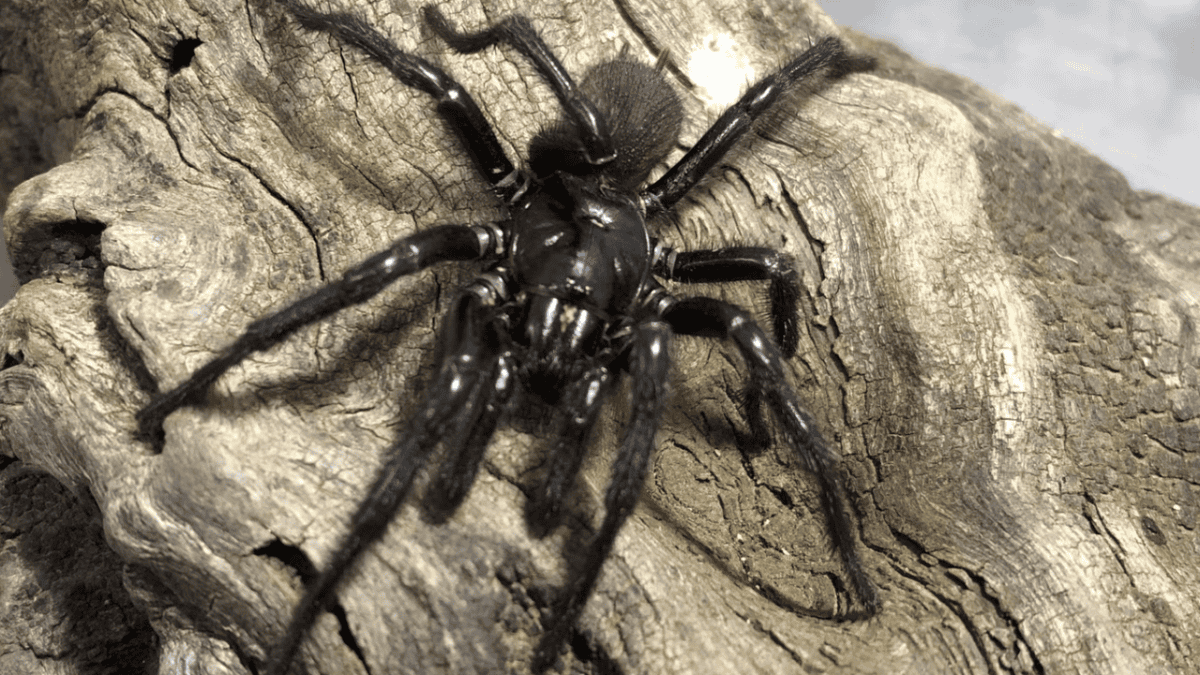
When it comes to behavior, Big Boy is nothing short of a fighter. Like other funnel-web spiders, it assumes a defensive stance when threatened, rearing up on its hind legs and displaying its fangs in a terrifying display of strength. If the threat persists, it won’t hesitate to strike repeatedly, delivering multiple venomous bites.
The good news? A highly effective antivenom for Sydney funnel-web spider bites exists and has saved countless lives since its development in the 1980s. This antivenom is produced from the venom of captured spiders, underscoring the importance of public participation in spider donation programs.
Fascinating Facts About the Sydney Funnel-Web Spider
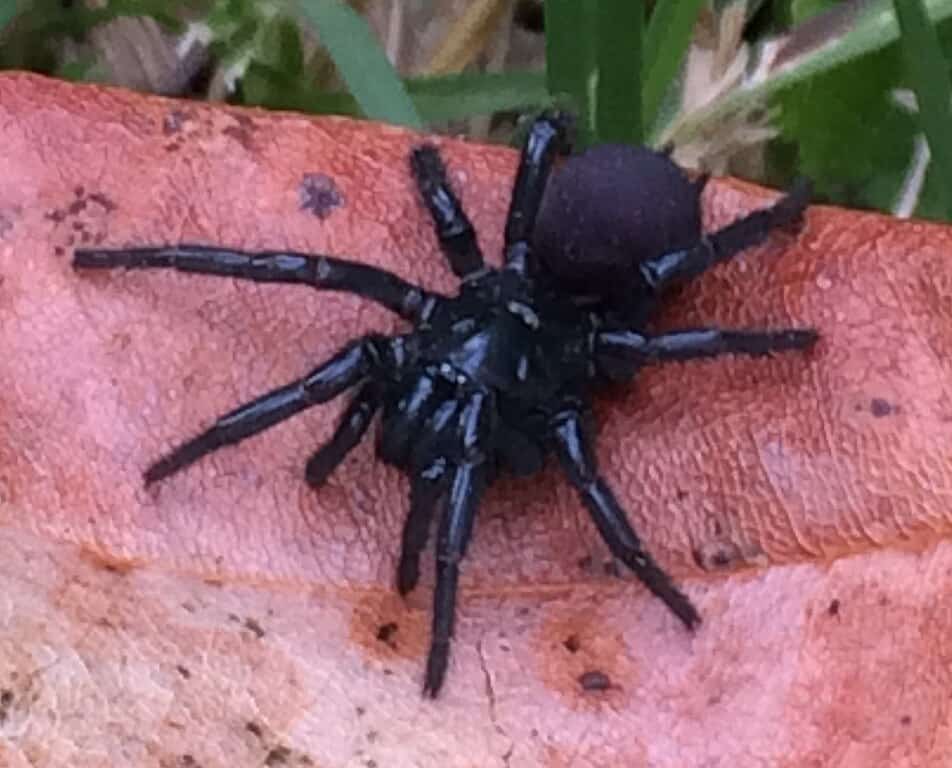
Deadly Reputation: Sydney funnel-web spiders are among the world’s deadliest spiders, with venom capable of killing a human in as little as 15 minutes.
Human Antivenom Success: Thanks to advancements in medical science, there hasn’t been a recorded death from a Sydney funnel-web spider bite since the introduction of antivenom.
Mating Behavior: Male funnel-web spiders become far more active during the mating season, wandering into homes, and increasing the likelihood of human encounters.
Burrow Architects: Funnel-web spiders are named for their silk-lined burrows, which are designed to trap prey efficiently.
Classification into Three Subspecies

Recent studies have revealed that what was once thought to be one species of Sydney funnel-web spider is actually three distinct species. The reclassification sheds light on the remarkable genetic diversity within the funnel-web group and opens new avenues for studying their behavior, venom, and ecological roles and are:
Atrax robustus: The classic Sydney funnel-web spider, primarily found in and around Sydney.
Atrax montanus: A species native to the cooler Blue Mountains region.
Atrax christenseni (Big Boy): The newly discovered giant of the family, found around Newcastle.
Implications for Antivenom Production
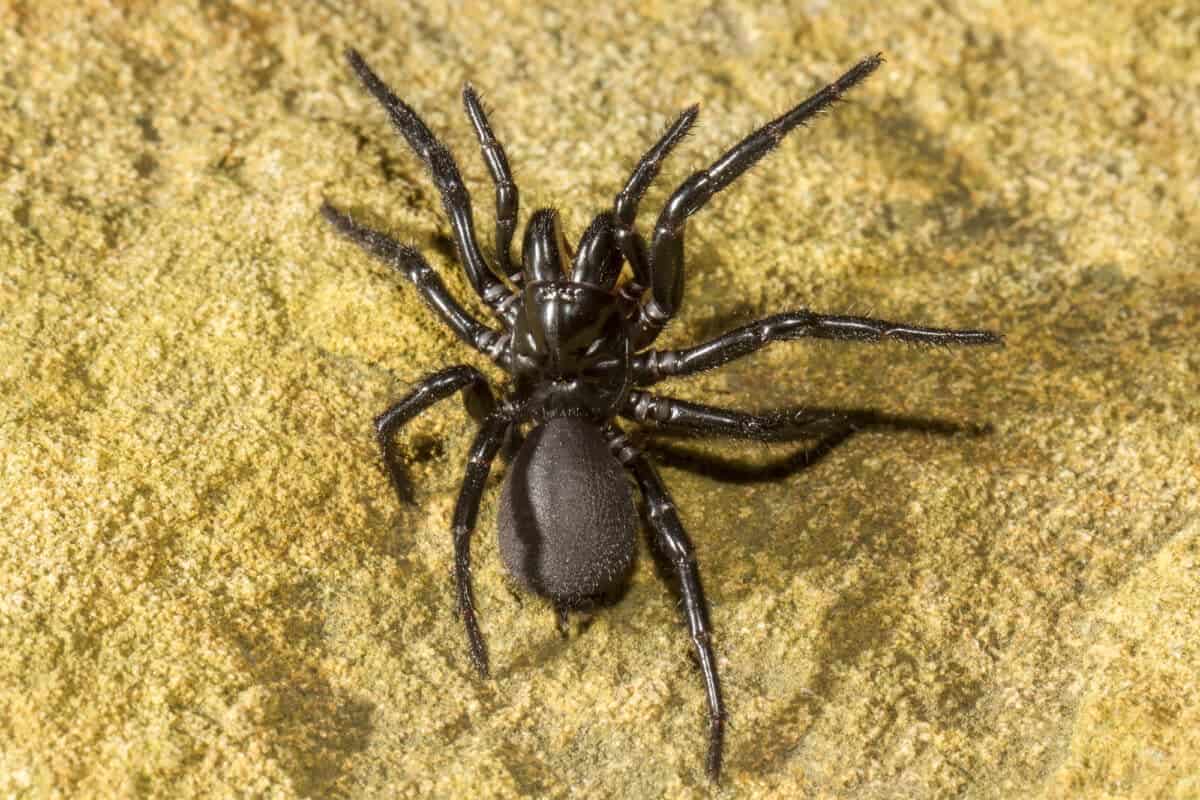
The discovery of Big Boy is not just a scientific milestone but also a potential boon for antivenom production. Larger spiders produce larger quantities of venom, which can be milked and used to create lifesaving antivenoms. As a result, scientists are encouraging public participation in spider donation programs to ensure an ample supply of venom for medical research and treatment.
What to Do if You Are Bitten by a Sydney Funnel-Web Spider
A bite from a Sydney funnel-web spider, including Big Boy, is a medical emergency. Here’s what you need to know:
Symptoms: Initial symptoms may include intense local pain, swelling, tingling, and sweating around the bite site. More severe symptoms can develop rapidly, including difficulty breathing, muscle twitching, and unconsciousness.
First Aid: Apply a pressure immobilization bandage to slow the spread of venom and keep the affected limb as still as possible. Call emergency services immediately.
Treatment: Patients will typically be administered antivenom at the hospital. Most people recover fully if treated promptly.
Conservation
The discovery of Big Boy highlights the incredible biodiversity of Australia and the importance of studying and conserving its unique fauna. Despite their fearsome reputation, funnel-web spiders play a crucial role in controlling insect populations and maintaining ecological balance.
This discovery also underscores the dynamic nature of taxonomy and the need for continued research into the natural world. As we learn more about these creatures, we gain not only scientific knowledge but also a deeper appreciation for the complexity and beauty of life on Earth. Whether you’re fascinated or frightened, there’s no denying that Big Boy is a truly remarkable addition to the arachnid world.

- 10 Land Animals That Can Fly - June 24, 2026
- 15 Most Breathtaking Hiking Trails Around the World - June 24, 2026
- An Octopus Changes Color and Other Extraordinary Ways How Animals Sleep - June 24, 2026