

Camouflage in the animal kingdom often resembles a masterpiece of natural art. This incredible adaptation allows creatures to blend seamlessly into their surroundings, offering them protection from predators or aiding in hunting. Let’s explore seven astonishing animals that have mastered the craft of camouflage, showcasing nature’s ingenuity and diversity.
The Chameleon: Masters of Color Change

When people think of camouflage, chameleons often come to mind. These remarkable reptiles are primarily found in Madagascar and parts of Africa, though some species are also found in parts of Southern Europe and Asia. Chameleons possess specialized cells called chromatophores and iridophores that allow them to change their skin color. While many believe they adapt to match their surroundings, this color change often relates to mood, communication, and temperature regulation. Nonetheless, their ability to visually blend with their environment remains unparalleled.
Peppered Moth: Evolution in Action

The peppered moth is a classic example of natural selection and evolutionary adaptation. Native to the British Isles, these moths became famous during the Industrial Revolution. Originally, the light-colored moths blended well with the lichen-covered trees. Pollution darkened these environments, leading to a rise in dark-colored moths that were less visible to predators. This phenomenon, known as ‘industrial melanism’, showcases the moth’s adaptive camouflage in response to environmental changes.
Leaf-Tailed Gecko: Masters of Disguise

The leaf-tailed gecko, primarily found in Madagascar, is an extraordinary example of camouflage. Their body contours, skin texture, and coloration are eerily similar to dead leaves, complete with spots and frayed edges. These geckos often flatten themselves against tree trunks and foliage, making them virtually invisible to both predators and prey. This art of mimicry ensures their survival in the dense Madagascar forests.
Octopus: The Underwater Illusionist
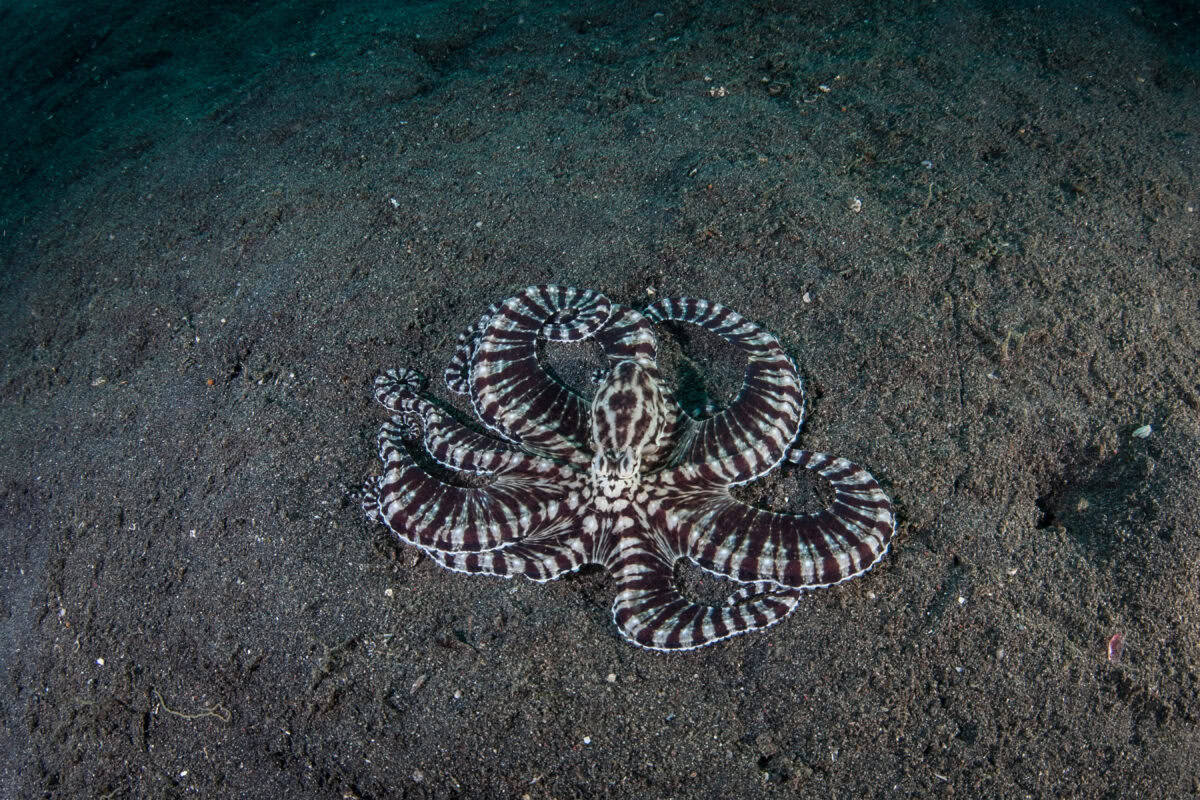
Octopuses are among the most intelligent and adaptable marine animals. With thousands of color-changing chromatophore cells, an octopus can conceal itself by changing color and texture to mimic rocks, sand, and corals within seconds. The common octopus and the mimic octopus are particularly skilled, with the latter being able to imitate the appearance and movements of more than 15 different marine species, eloquently showcasing their survival strategies in the diverse and dynamic ocean worlds.
Polar Bear: Blending with the Arctic

A polar bear’s white fur matches the icy and snowy environment of the Arctic, providing camouflage from both prey and potential threats. This adaptation is crucial for hunting seals, as their stark landscape offers little hide-and-seek opportunities. Beneath their fur, polar bears have black skin that absorbs sunlight effectively, ensuring they remain warm despite the cold climate. Their camouflage is a vital aspect of their survival strategy in the changing Arctic environment.
Dead Leaf Butterfly: A Perfect Deception
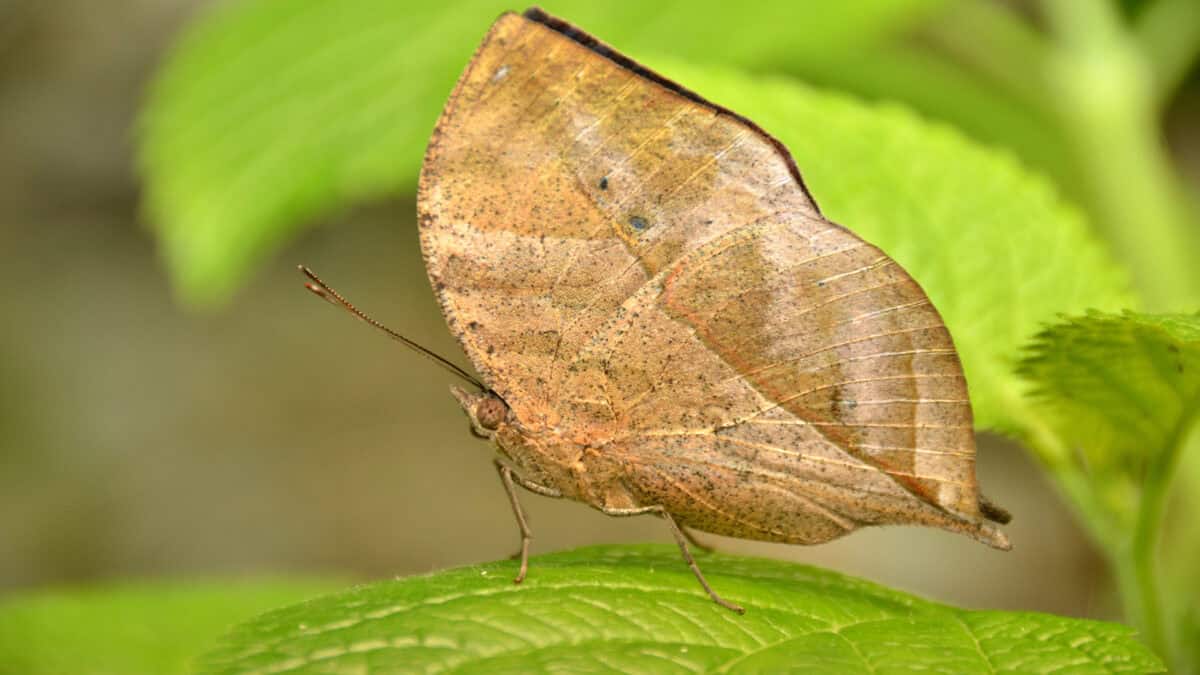
With a closed wingspan resembling a dry, brown leaf, the dead leaf butterfly is a remarkable example of mimicry. Native to the forests of South Asia, these butterflies effectively blend into the forest floor amongst real leaves, eluding predators. When they open their wings, a surprise of vibrant colors and patterns is revealed, distracting threats and showcasing an incredible duality of adaptation for survival in a dense forest ecosystem.
Leaf Insects: Nature’s Own Leaf Replicas
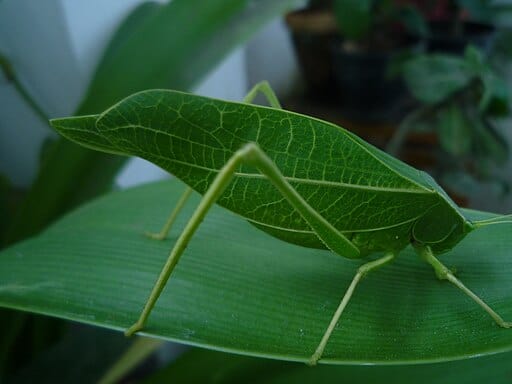
Leaf insects, predominantly found in South and Southeast Asia, are an extraordinary example of convergent evolution. Their bodies have evolved to mimic leaves so authentically that predators often overlook them. What’s more, leaf insects will sway back and forth to imitate a leaf blowing in the wind, further enhancing their deceptive camouflage. This adaptation not only provides protection from predators but allows them to ambush prey effectively.
Conclusion: The Art of Camouflage
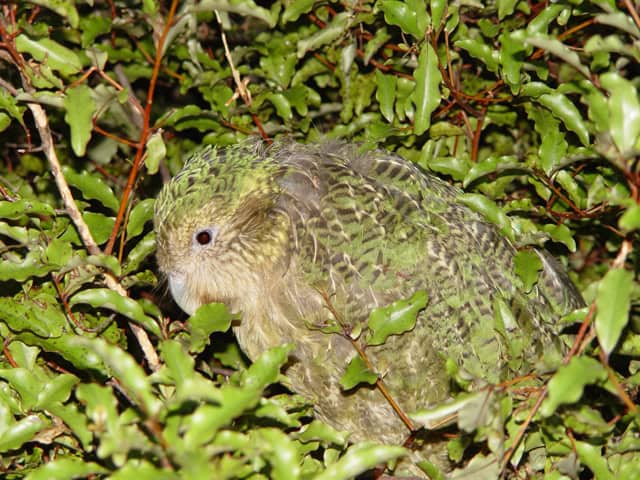
Camouflage is a wondrous depiction of evolutionary design, highlighting how species have adapted to the complexities of their habitats. Whether in the dense forests of Madagascar or the icy expanses of the Arctic, these animals demonstrate the intricate strategies life employs to thrive. Understanding these natural illusionists not only fascinates us but also offers deeper insights into the fragile balance and creativity of ecosystems across the globe.

- The Most Powerful Earthquake Ever Felt in the U.S. - July 19, 2026
- How Rhinoceros Males Compete for Mating Rights in the Wild - July 18, 2026
- 13 Spider Species Thriving in Changing Environments - July 18, 2026