


The chameleon is one of nature’s most fascinating creatures. It is known worldwide for its dazzling ability to change colour seemingly at will, a talent that has intrigued scientists and laypeople alike for generations. While many might assume chameleons change colour solely for camouflage, their colour transformations serve a variety of purposes. This article delves into the biological mechanisms behind this remarkable adaptation and explores the reasons why chameleons change their colours.
The Biological Mechanism Behind Color Change
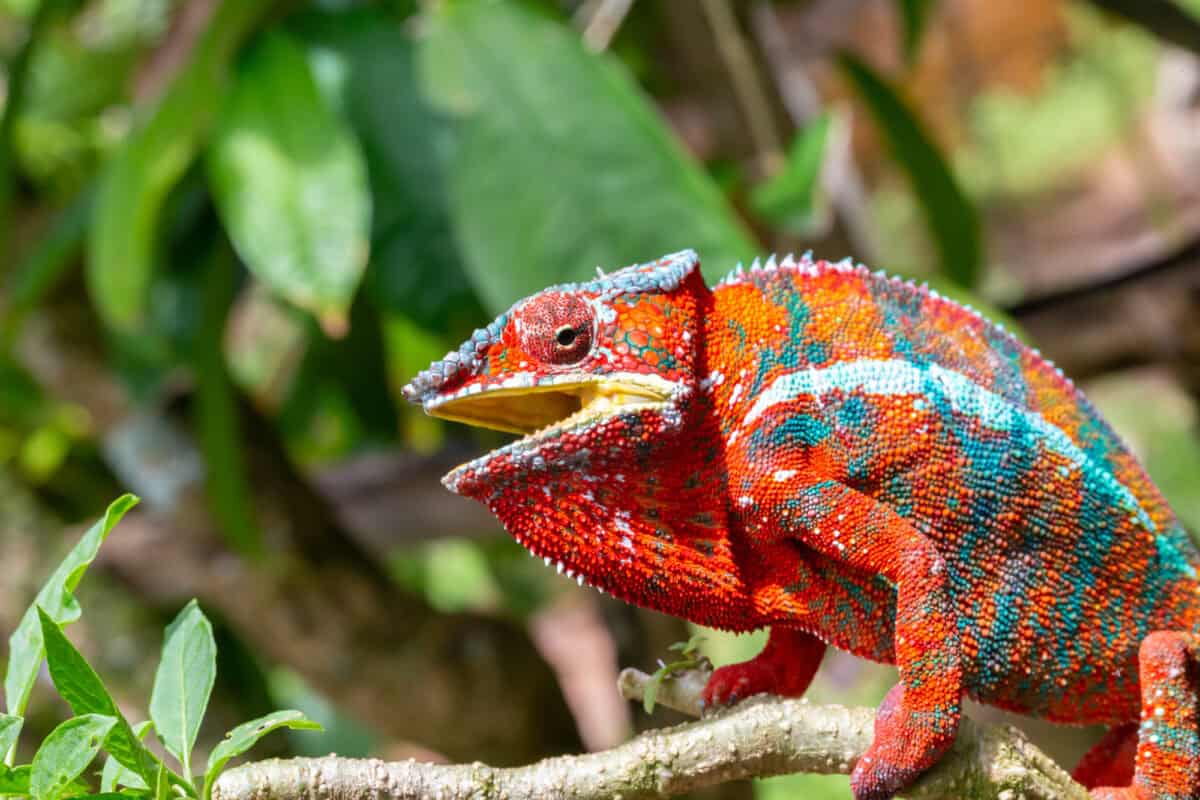
The secret to a chameleon’s colour-changing ability lies in its skin, specifically in specialized cells known as chromatophores. These cells contain different pigments and are layered beneath the chameleon’s transparent outer skin. Chromatophores are responsible for the basic colour schemes seen in many animals, but chameleons take it a step further.
In addition to chromatophores, chameleons have iridophores, which contain microscopic crystals. These crystals reflect and refract light, producing iridescent colours. By altering the spacing of these crystals, chameleons can change the wavelengths of light reflected off their skin, thus altering their visible colour. This complex system allows chameleons to exhibit an impressive range of colours, from the usual greens and browns to vibrant reds, yellows, and blues.
The Role of Color Change in Communication
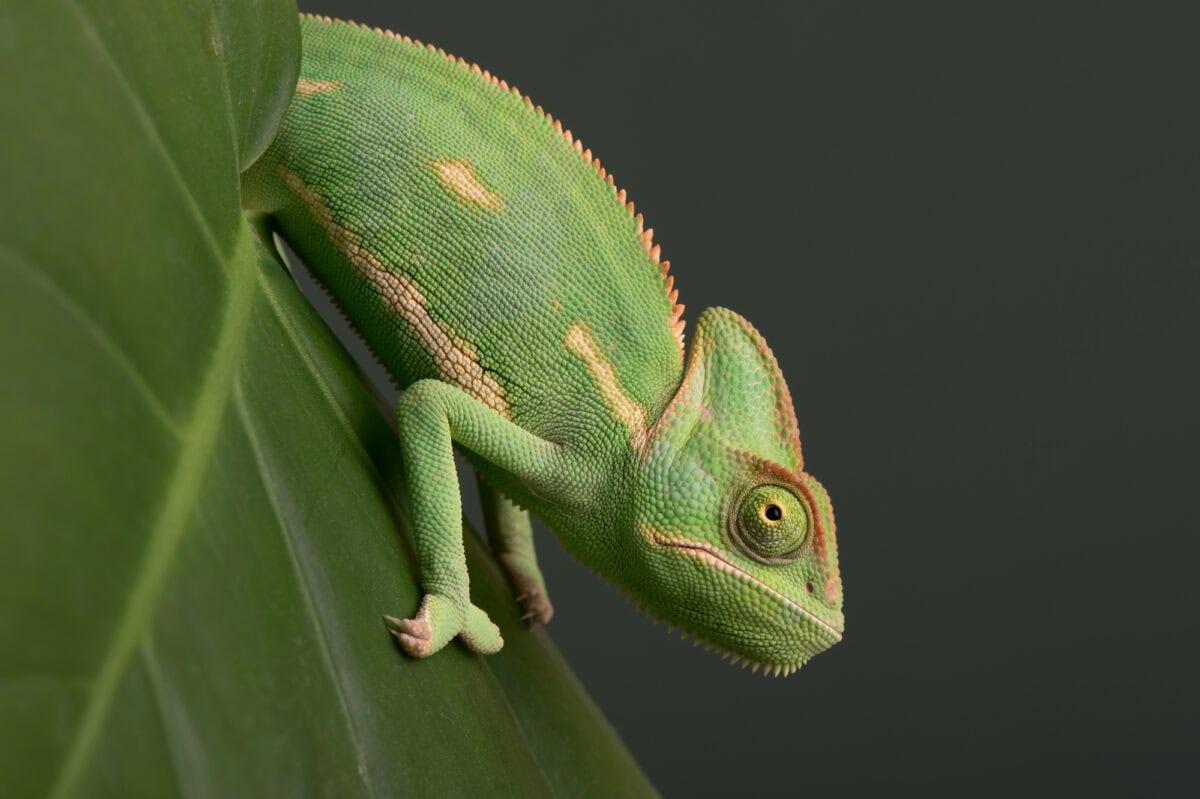
One of the primary reasons chameleons change colour is for communication with other chameleons. These reptiles use their colour-changing abilities as a form of social signalling. For instance, when a male chameleon enters a territory occupied by another male, it may display brighter colours as a show of strength or dominance. Conversely, submissive chameleons might display more muted or darker colours to indicate they are not a threat.
Colour change is also crucial during mating rituals. Males often exhibit bold and vibrant colours to attract females. These displays of colour can convey a lot about the male’s health and fitness, influencing female choice.
Camouflage A Means of Survival
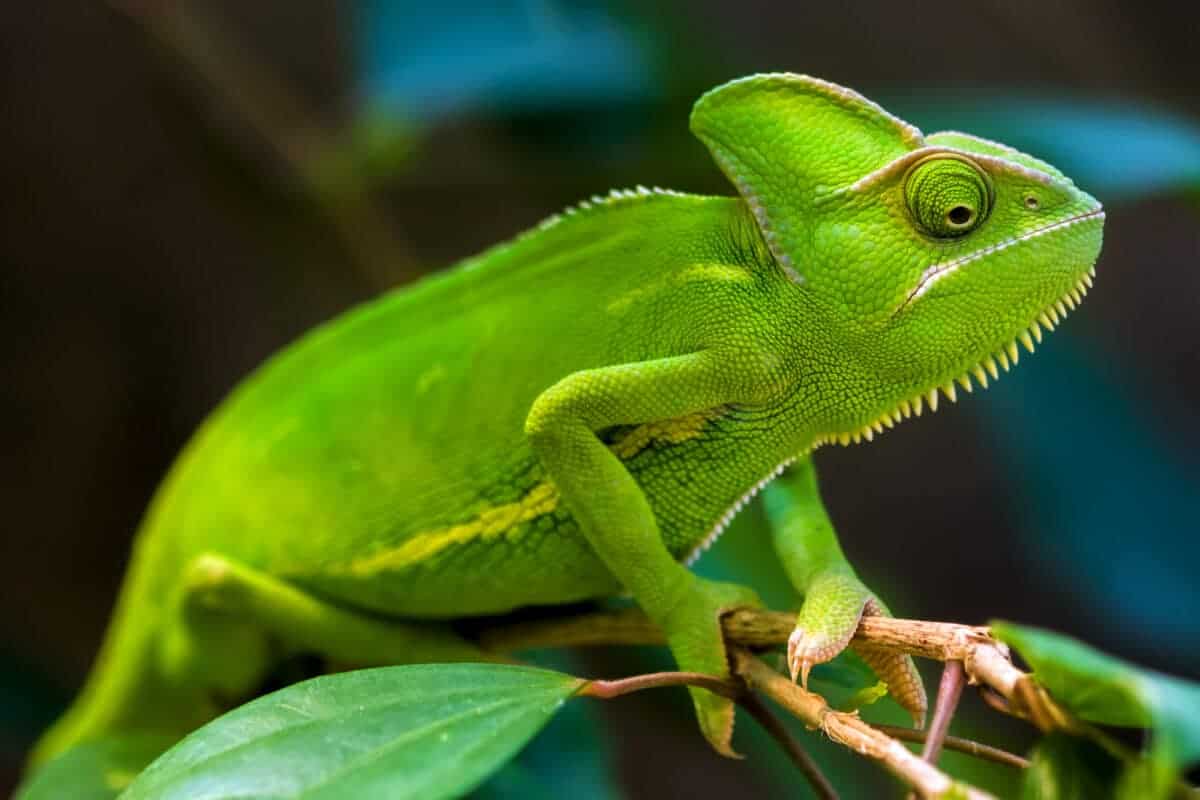
While communication is a significant reason for the colour change, chameleons also use this ability to blend into their environment, a strategy widely known as camouflage. By mimicking the colours and textures surrounding them, chameleons can effectively hide from predators and avoid detection by prey. This adaptability is particularly useful in their natural habitats, which range from rainforests to dry savannahs.
Camouflage is essential for protecting against predators and plays a crucial role in hunting. Chameleons are ambush predators, meaning they rely on stealth to capture their prey, often insects. Blending into their environment allows them to get closer to their prey without being noticed.
Environmental Adaptation and Temperature Regulation
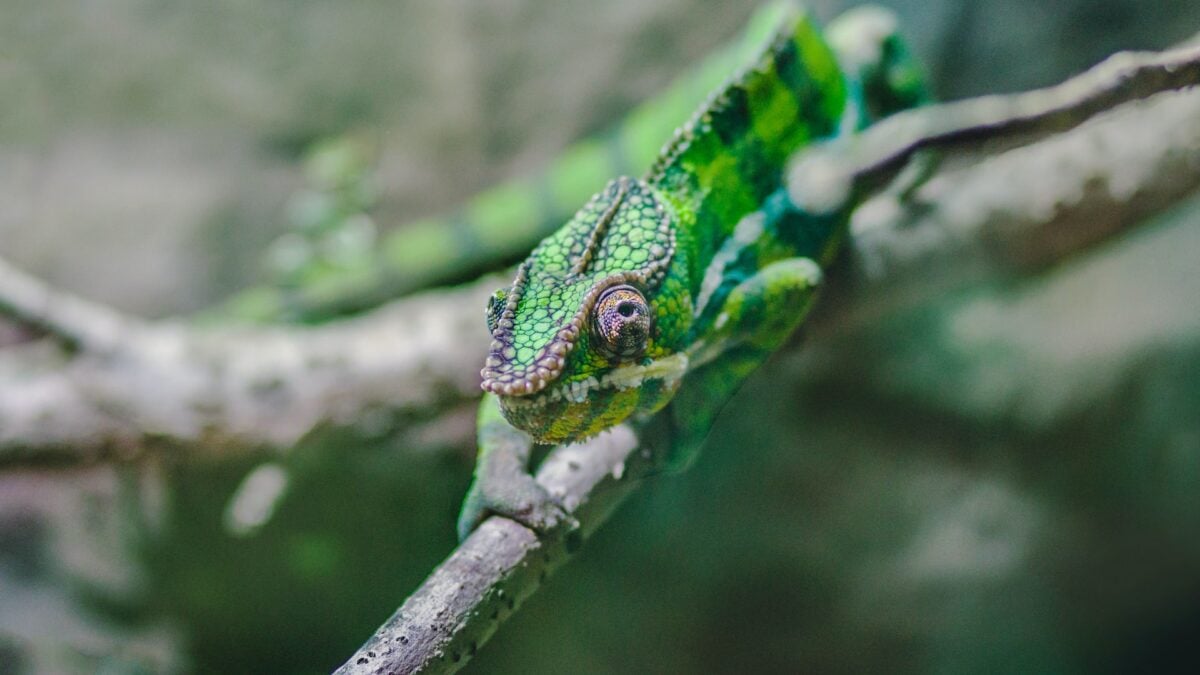
Chameleons also change colour in response to environmental conditions, particularly temperature. These reptiles are ectothermic, meaning they cannot regulate their internal body temperature independently and rely on their surroundings to warm up or cool down. By changing colour, chameleons can effectively manage their body temperature. Darker colours absorb more heat, which is useful in cooler conditions, while lighter colours reflect sunlight, helping them stay cool in warmer climates.
Furthermore, changes in colour can help chameleons adapt to varying levels of light and humidity, providing them with an additional tool to navigate their diverse and changing habitats.
Conclusion: The Multifaceted Nature of Color Change

The ability of chameleons to change colour is a complex and multifaceted adaptation that serves various crucial functions. From social signalling and mating displays to camouflage and temperature regulation, this remarkable trait underscores the chameleon’s adaptability and intelligence. Understanding the intricacies of how and why chameleons change colour not only highlights their unique place in the animal kingdom but also offers insights into the intricate web of interactions and adaptations that characterize the natural world. As research continues, we can expect to learn even more about these enigmatic creatures and their vibrant hues.

From exploring the marine wonders in the Azores and witnessing the vast savannas of Kenya, to delving deep into the rich biodiversity of South Africa and traversing iconic landscapes in Australia and the US like Yellowstone, Chris's experiences are vast.
With a penchant for diving alongside sharks, the ocean holds a special place in his heart.
Through his academic insights, he champions wildlife conservation, striving with 'Animals Around The Globe' to cultivate a profound connection between humans and animals, enhancing our mutual appreciation.
Connect with him at Feedback@animalsaroundtheglobe.com.
- How Some Raptors See Better Than Any Human Technology - August 5, 2026
- This Animal Can Jump 100 Times Its Own Height - August 5, 2026
- Top 10 Animal Stereotypes That Are Totally Wrong (And 3 That Might Be True) - August 5, 2026
Leave a comment
You must be logged in to post a comment.