

In the animal kingdom, the role of parenthood is as diverse as the species themselves. While many animals exhibit nurturing and protective behaviors, some stand out with particularly unusual parenting habits. These practices have evolved to adapt to various environmental pressures and ensure the survival of their offspring. In this article, we’ll explore eight animals with some of the most fascinating and unconventional parenting strategies.
1. Sea Horse: Male Pregnancy
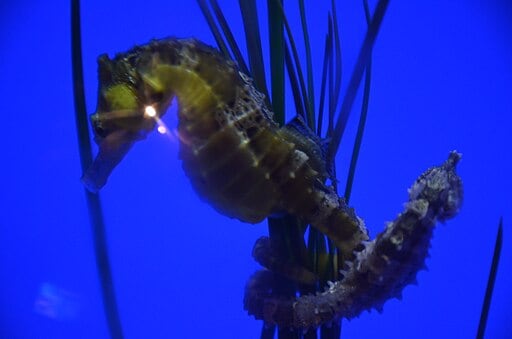
The common sea horse is renowned for its unique approach to parenting, particularly because it is the male that carries the pregnancy. During reproduction, the female sea horse transfers her eggs to the male’s brood pouch. The male then fertilizes the eggs and carries them until they hatch, a process that can take up to six weeks. This unusual reversal of reproductive roles highlights a fascinating strategy for ensuring the safety and development of their young in the early stages of life.
2. Emperor Penguin: The Dedicated Dad

Emperor penguins have captured hearts with their story of devoted parenting in the harsh Antarctic environment. After the female lays a single egg, she passes it to the male to incubate. During the incubation period, which lasts about two months, the male penguin balances the egg on his feet while keeping it warm with his brood pouch. He fasts and braves the freezing temperatures and ferocious winds, losing up to 50% of his body weight. This steadfast dedication ensures the egg’s survival until it hatches, when the female returns to share parenting duties.
3. Cichlid Fish: Mouthbrooding Mothers
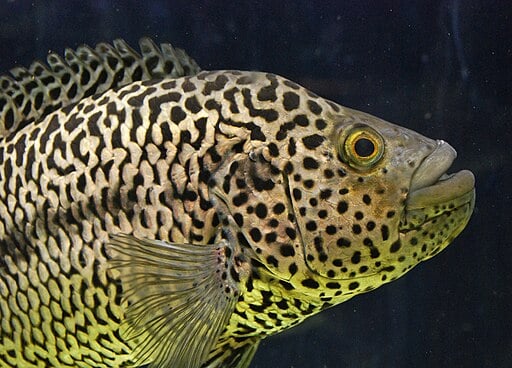
Cichlid fish exhibit an extraordinary form of parental care known as mouthbrooding. After fertilization, the female scoops up the eggs into her mouth, where they develop safely away from predators. During this period, the mother sacrifices her ability to feed, ensuring the developing young have the highest chance of survival. When the fry are capable of swimming on their own, the mother releases them into the water. This protective strategy is a testament to the lengths some species will go to protect their future generations.
4. Giant Water Bug: Nature’s Piggyback

Among insects, the giant water bug stands out for its unusual paternal care. The female lays her eggs on the back of the male, where he diligently protects and nurtures them by keeping them aerated and safe from harm. The male’s commitment involves periodically bringing the eggs to the surface of the water to ensure they receive adequate oxygen. This level of care illustrates a shared responsibility between sexes in the insect world, showcasing an extraordinary example of intensive paternal involvement.
5. Red-Knobbed Hornbill: The Sealed Nest
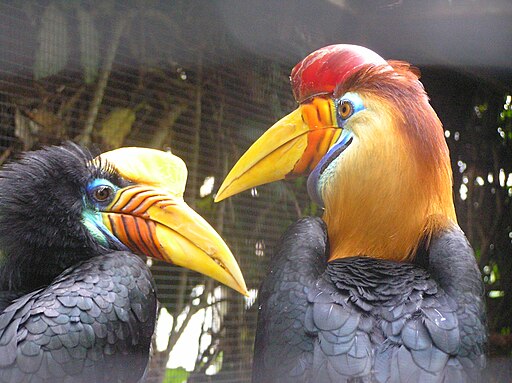
The red-knobbed hornbill takes a unique approach to safeguarding its young from predators. The female seals herself within the nest cavity using a mixture of mud and droppings, leaving only a small slit through which the male feeds her and, eventually, the chicks. This confinement can last for several months, protecting the developing young from threats. Once the chicks are ready to leave the nest, the female breaks out of the enclosure. This remarkable behavior ensures a high level of security during the most vulnerable stage of the hornbill’s life cycle.
6. Alligator: Maternal Vigilance

In the realm of reptiles, the attentive nature of alligator mothers is noteworthy. After laying eggs in a nest built from vegetation, the mother guards it intensely, protecting it from predators and environmental threats. Once the eggs are ready to hatch, she gently helps the hatchlings to the water and stays with them for several months, offering protection and guidance. This level of maternal involvement is unusual among reptiles and demonstrates a significant investment in ensuring the offspring’s survival.
7. Orangutan: Extended Motherhood

Orangutans have one of the longest dependence periods in the animal kingdom, with offspring staying with their mothers for up to eight years. During this extended period, the mother teaches her young vital survival skills, such as how to find food, build nests, and navigate the treetops. This prolonged parental care ensures that the young are well-equipped to thrive in the complex social and environmental landscape of their home. The strong bond between mother and offspring highlights the emphasis on learning and development in their early life stages.
8. Wasp Spider: Sacrificial Parenting

The wasp spider exhibits a form of sacrificial parenting that is as dramatic as it is effective. The female wasp spider lays her eggs and carefully secures them within a silk sac. Once these preparations are complete, the mother seals the sac and soon dies after completion, her body often serving as a source of nutrition for the emerging spiderlings. This ultimate sacrifice ensures that the next generation has both the protection and resources needed to start their lives in the best possible conditions.
Conclusion

The diverse strategies exhibited by these animals reveal the incredible variety of solutions nature has developed to address the challenges of parenting. From male pregnancy and incubation to extreme protective behaviors and sacrificial practices, each method is tailored to maximize the chances of offspring survival. These remarkable animals offer a fascinating glimpse into the diverse and often surprising ways the natural world operates, reminding us of the resilience and adaptability inherent in all forms of life.

- The Most Powerful Earthquake Ever Felt in the U.S. - July 19, 2026
- How Rhinoceros Males Compete for Mating Rights in the Wild - July 18, 2026
- 13 Spider Species Thriving in Changing Environments - July 18, 2026