

In the natural world, where strength and domination are often associated with males, it is fascinating to encounter species where females take the lead. Several animal species boast dominant females who guide, protect, and lead their groups, exhibiting behavior that often challenges our perceptions of gender roles in biology. In this article, we will explore seven species where females wield significant power, highlighting their unique social structures and behaviors.
1. The Spotted Hyena: The Queens of the Savanna
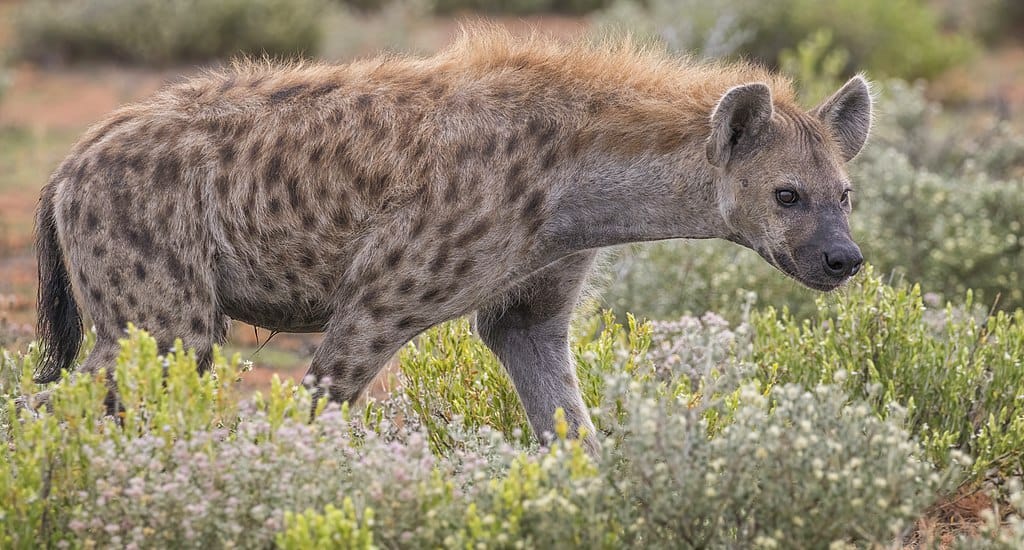
The spotted hyena, known for its distinctive calls and social complexity, has a matriarchal society. Female hyenas are larger, more aggressive, and socially dominant over males. In their clans, lineage is matrilineal, with offspring inheriting their mother’s rank. The matriarch is responsible for leading hunts and mediating conflicts within the group. This strong female dominance is linked to high testosterone levels in females, giving them their formidable status in the savanna.
2. Bonobos: Female Alliances in the Ape World
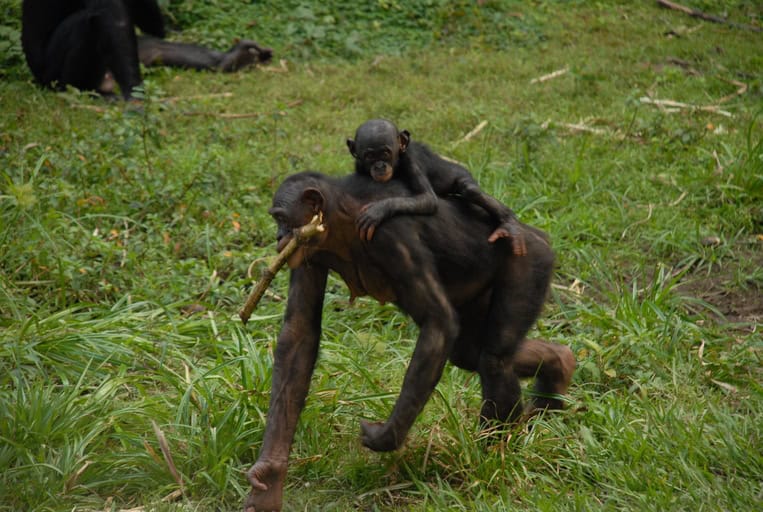
Bonobos, our close genetic relatives, are renowned for their peaceful societies where females form strong alliances. In bonobo communities, females maintain social dominance despite the presence of males. They resolve conflicts through social bonding, grooming, and even sexual behavior, which is a central aspect of their sociopolitical dynamics. Female bonobos often work together to control resources and establish social hierarchy, ensuring a relatively peaceful group structure.
3. Lemurs of Madagascar: Female Dominance in Primates

Among the diverse primates of Madagascar, lemurs exhibit clear female domination. In several lemur species, like the ring-tailed lemur, females have priority access to food and choose their mates, an unusual trait among primates. These matriarchal structures are thought to have evolved due to Madagascar’s challenging environment, where females take charge of resource allocation and group movement.
4. Elephants: Matriarchs of Memory
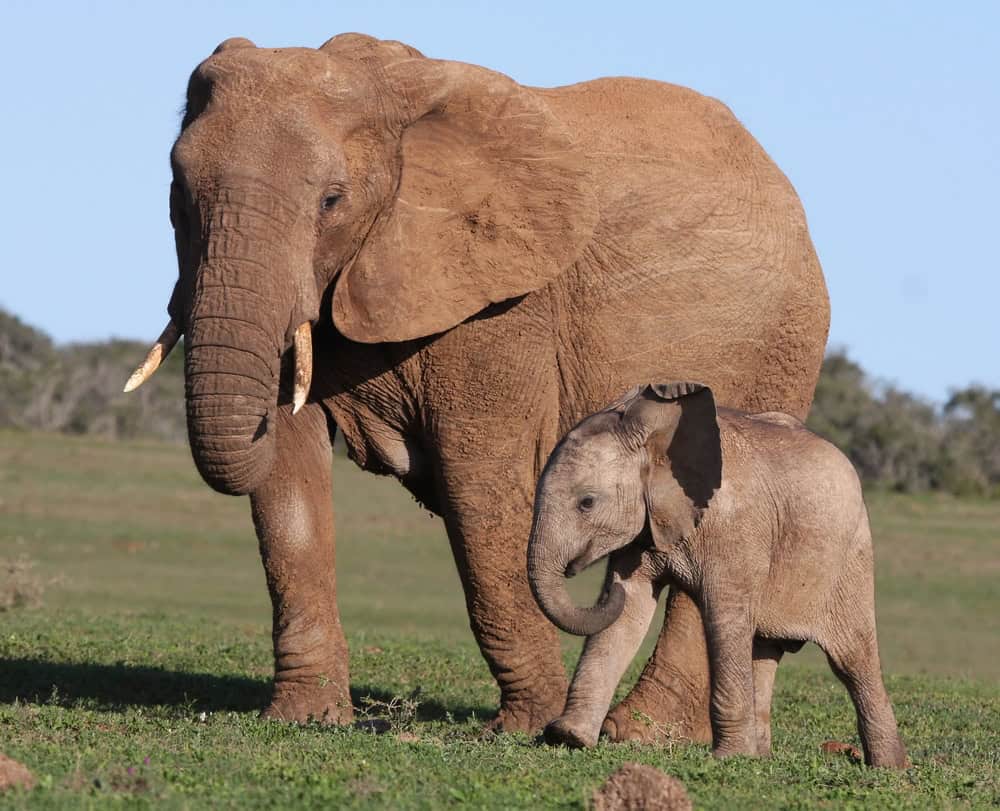
Elephant herds are guided by matriarchs, the oldest and often wisest female in the group. These knowledgeable leaders navigate their herds through vast landscapes in search of food and water. The matriarch’s experience and memory are pivotal in leading the herd, especially in times of drought. Her leadership ensures the survival of the group, and her decisions are rarely questioned by younger members, including males.
5. Meerkats: Female Leadership in the Kalahari

In the tight-knit communities of meerkats, a dominant female leads the group, maintaining her status through assertive behavior. The alpha female is primarily responsible for breeding, often the sole matriarch to reproduce in her group. To maintain her position, she may suppress reproduction in subordinate females by social means or direct aggression. This ensures her offspring have the best chance of survival and access to resources.
6. Orcas: Rulers of the Ocean

Orcas, or killer whales, also live in matrilineal pods. The pod’s social structure revolves around older, experienced females. These matriarchs travel alongside their extended families, teaching hunting techniques and leading the group through the ocean’s vast water highways. Studies show that orca females can have an influence that lasts even after their reproductive years, contributing knowledge and stability to their groups.
7. Naked Mole-Rats: Queens of the Underground
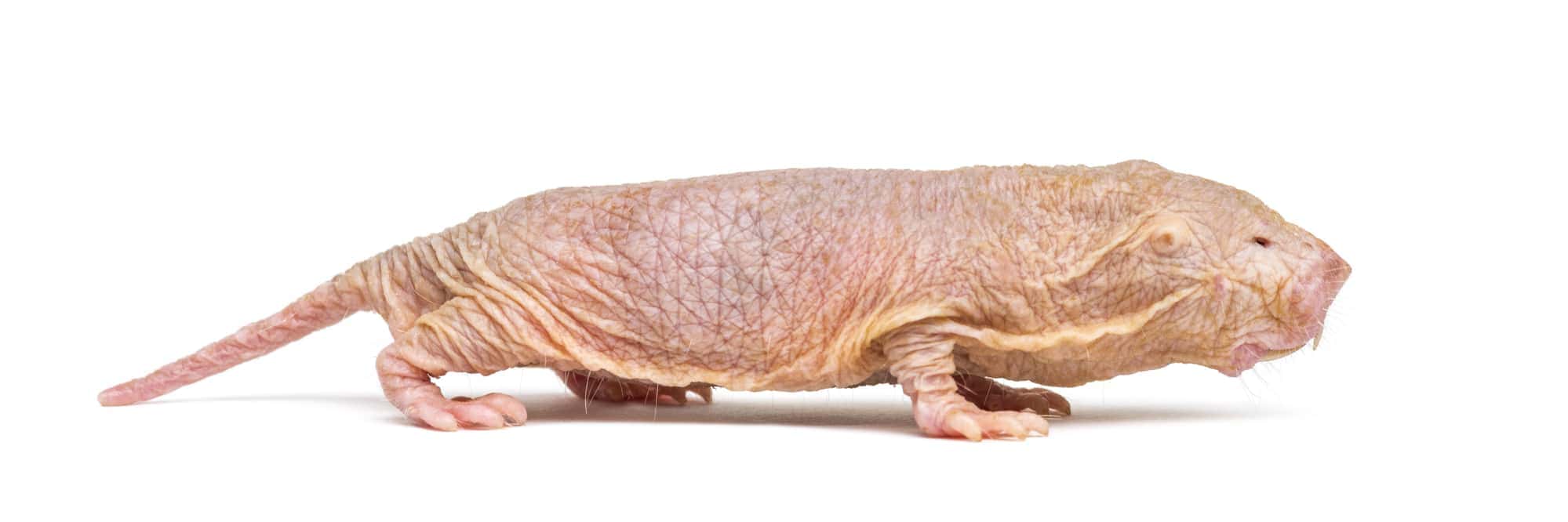
In the subterranean chambers of naked mole-rats, the social structure resembles that of bees, with a single breeding female known as the queen. The queen is dominant and may employ aggressive tactics to maintain her status. Only she breeds, while other females, usually her daughters, assume roles as workers and soldiers. This eusocial structure is rare among mammals and underscores the queen’s dominant role in colony survival and success.
Conclusion: Celebrating Female Leadership in Nature

The existence of female-dominated species sheds light on the diverse adaptations and social structures that have evolved in the animal kingdom. These matriarchal societies underscore that leadership and social organization can thrive under female guidance, challenging our traditional views of gender roles. Studying these species not only broadens our understanding of nature but also enriches our appreciation for the complexities of animal behavior.

Leave a comment
You must be logged in to post a comment.