

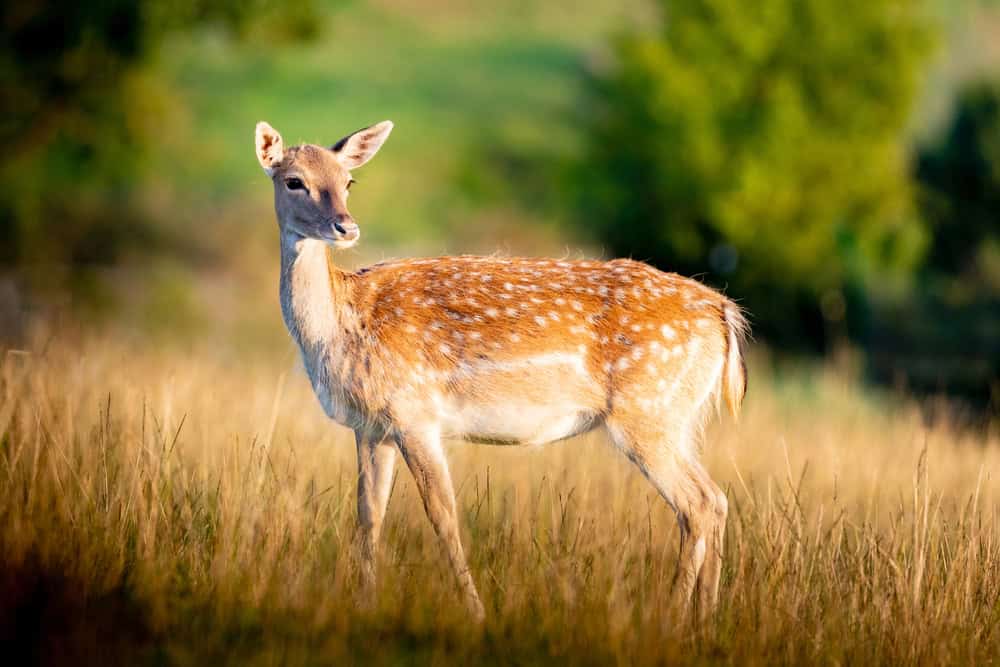
The white-tailed deer is ubiquitous across Virginia’s diverse landscapes, from the coastal plains to the rugged Appalachian Mountains. Known for their graceful appearance, white-tailed deer are easily recognizable by the characteristic white underside of their tails, which they flash when alarmed. They play a crucial ecological role, serving as prey for predators like coyotes and supporting the biodiversity of the region. Though commonly seen along forest edges and fields, these adaptable creatures can be spotted in more urban areas, adapting their diet to include ornamental plants in gardens, much to the gardeners’ chagrin. Virginia’s robust deer population is a testament to the state’s effective wildlife management strategies.
American Black Bear

The American black bear is the only bear species found in Virginia, roaming primarily in the western mountainous regions, though they sometimes venture into more populated areas. These omnivorous bears are known for their intelligence and dexterity, often foraging for berries, nuts, and occasionally carrion. Black bears are a symbol of Virginia’s wild heritage, and their habitats are protected to ensure these majestic animals continue to thrive. Observing a black bear in the wild can be a thrilling experience, but humans need to maintain a respectful distance to prevent conflicts.
Eastern Gray Squirrel
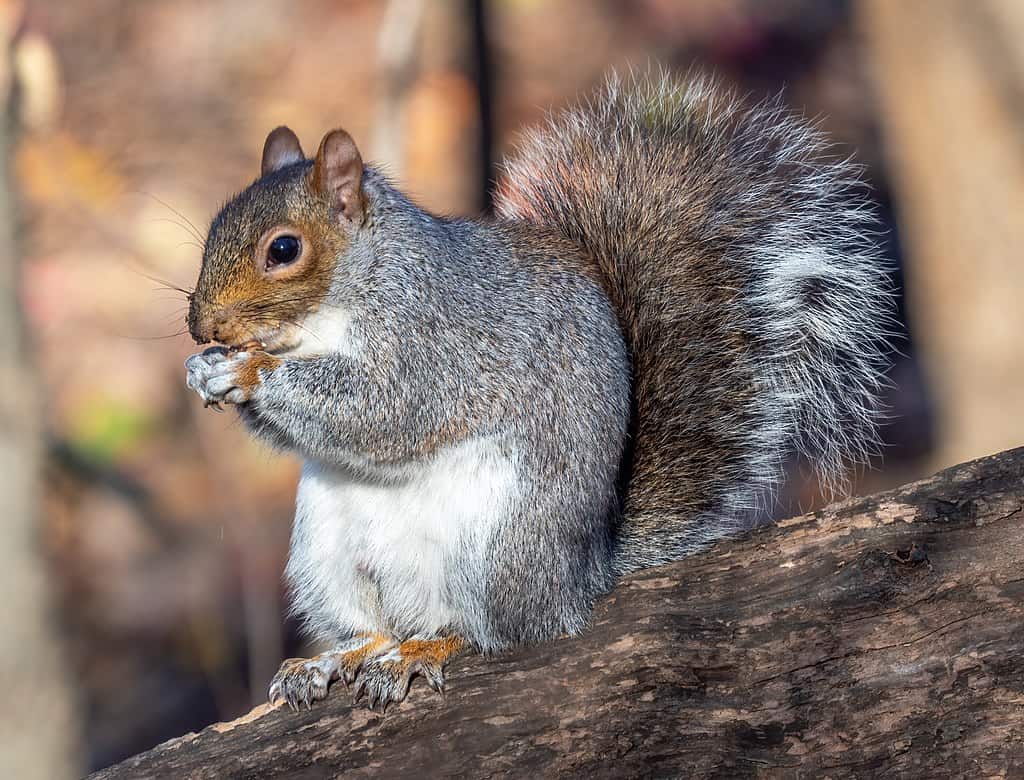
The eastern gray squirrel is a familiar sight in Virginia, scampering across backyards, parks, and forests alike. Known for their bushy tails and agile tree-climbing abilities, these squirrels play a vital role in forest regeneration through their habit of burying nuts, which can grow into new trees. They are an integral part of the food web, with birds of prey and other predators relying on them for sustenance. Despite their ubiquity and sometimes pesky presence near bird feeders, gray squirrels are a beloved feature of Virginia’s natural landscape, offering endless entertainment with their playful antics.
Red Fox

With its striking red fur and bushy tail, the red fox is an iconic species in Virginia. These cunning and adaptable creatures thrive in various habitats, from rural farmlands to suburban neighbourhoods. Red foxes are primarily nocturnal and omnivorous, feeding on small mammals, fruits, and insects. Their ability to adapt to human environments has made them a frequent subject in folklore and tales. Observing a red fox scampering through a meadow at dawn or dusk is a quintessential Virginian wildlife experience, reminding us of nature’s adaptability and resilience.
Virginia Opossum

The Virginia opossum, North America’s only marsupial, is a curious and often misunderstood member of Virginia’s wildlife. Known for their characteristic “playing dead” behaviour when threatened, these nocturnal creatures are efficient scavengers, helping to clean up ecosystems by consuming decaying matter. Their adaptability means they are often seen in suburban contexts, rummaging through garbage or feasting on garden pests. Opossums boast a unique trait: they are largely immune to venom from snakes, making them valuable in controlling venomous snake populations. These fascinating animals contribute significantly to the ecological health of their habitats.
Eastern Box Turtle
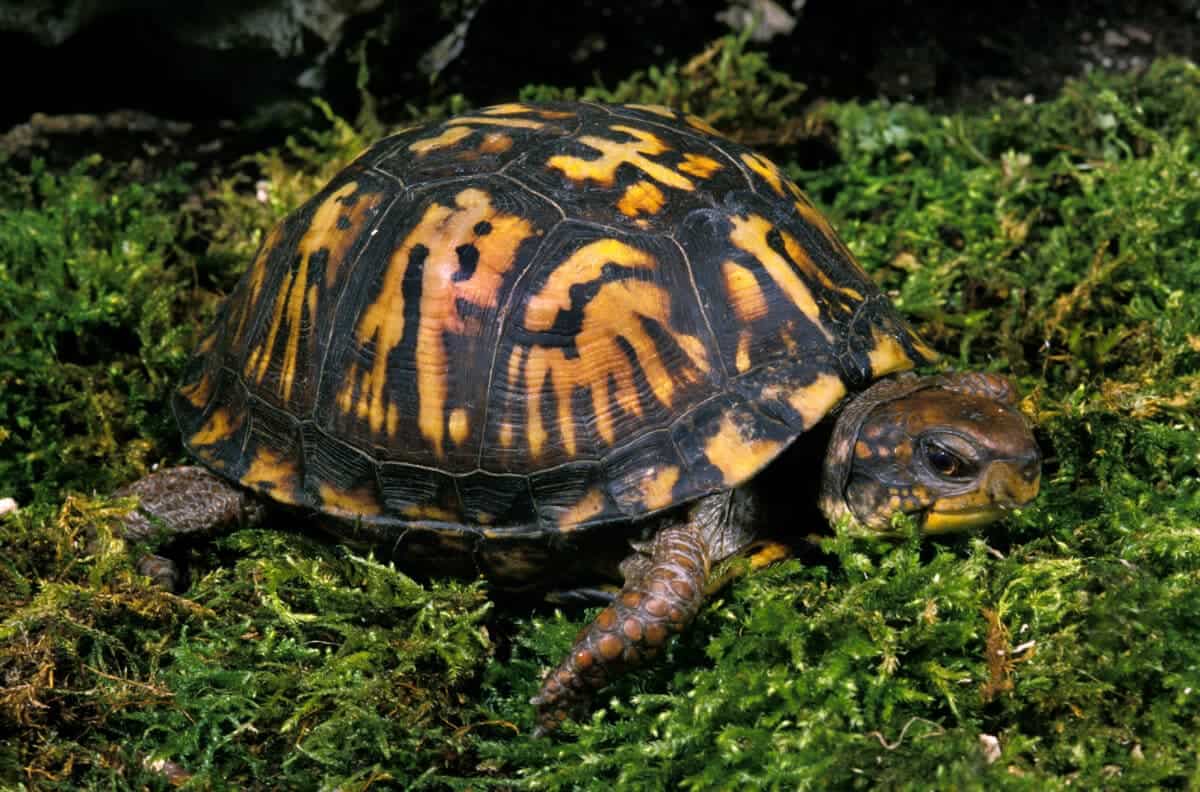
The eastern box turtle, with its distinctive domed shell and colourful markings, is a beloved reptile in Virginia. Found in moist forest floors and meadows, these turtles are known for their longevity, sometimes living for more than a century. As omnivores, they play a role in maintaining a balanced ecosystem by consuming a variety of foods, including insects and fungi. These turtles are often regarded as indicators of environmental health due to their sensitivity to habitat changes. Conservation efforts are crucial for their survival, as they are vulnerable to habitat destruction and road mortality.
Brook Trout

The brook trout, Virginia’s state fish, thrives in the cool, clear streams of the state’s western mountain ranges. Renowned for their stunning appearance, with speckled spots and vibrant colours, brook trout are a favourite among anglers and nature enthusiasts. As sensitive indicators of water quality, their presence reflects the health of freshwater ecosystems. Conservation initiatives in Virginia aim to protect and restore the natural habitats of brook trout, ensuring these beautiful creatures continue to flourish. Anglers are encouraged to practice catch-and-release to sustain their populations for future generations.
Pileated Woodpecker

The pileated woodpecker, known for its striking size and vivid red crest, is one of the largest woodpecker species in North America. In Virginia, these birds inhabit mature forests and are recognized by their distinctive drumming sounds as they forage for insects beneath tree bark. Their role as avian architects is vital; the cavities they create serve as homes for other wildlife, including small birds and mammals. Sighting a pileated woodpecker is a treat for birdwatchers, thanks to their magnificent appearance and important contribution to forest ecosystems.
Bald Eagle

The majestic bald eagle, a symbol of strength and freedom, is a prominent predator in Virginia’s diverse avian fauna. Once nearing extinction due to pesticide use, their populations have rebounded thanks to concerted conservation efforts. These powerful birds are often seen soaring over Virginia’s many rivers, lakes, and coastal areas, hunting for fish. Observing a bald eagle in the wild is an awe-inspiring experience, epitomizing the success of wildlife conservation efforts and an enduring connection to the American spirit. Their presence is a testament to the resilience and recovery of wildlife populations when given a chance.
Loggerhead Sea Turtle

The loggerhead sea turtle is a marine species that frequents the Virginia coastline, especially during the nesting season. These ancient reptiles are known for their large heads and powerful jaws, necessary for crushing their prey. Conservationists monitor loggerhead nesting sites to protect nests from predators and human interference, as they are threatened by habitat loss and pollution. Virginia plays a critical part in the broader efforts to conserve these endangered turtles, whose migratory paths span vast oceanic distances. Protecting loggerhead turtles highlights the interconnectedness of marine ecosystems and the importance of preserving biodiversity.

As a little kid, I fell in love with nature, wildlife, and animals. Living in the USA, South Africa, Italy, China and Germany gave me the opportunity to discover the world's Wildlife. My favorite animals are Mountain Gorillas, Siberian Tigers, and Great White Sharks.
I'm a certified PADI Open Water Diver, went to Everest Base Camp and Trekked Gorillas in Uganda. I hold a Master of Science in Economics and Finance.
Please send any feedback to feedback@animalsaroundtheglobe.com
- The Spiritual Significance of the Eagle as a Spirit Animal - August 2, 2026
- 13 Animals That Changed Science Forever - August 2, 2026
- 8 Things That Draw Sharks In And 3 That Send Them Swimming Away - August 2, 2026