

1. White-tailed Deer

The white-tailed deer is a common sight in Tennessee’s diverse ecosystems, from dense forests to sprawling open fields. Recognizable by the white underside of its tail, this mammal is a beloved game species in the state. They are herbivores, feeding on leaves, fruits, and nuts, and play a crucial role in local food webs. The reintroduction of hunting regulations has helped maintain their population, balancing their numbers with the environment’s carrying capacity.
2. American Black Bear
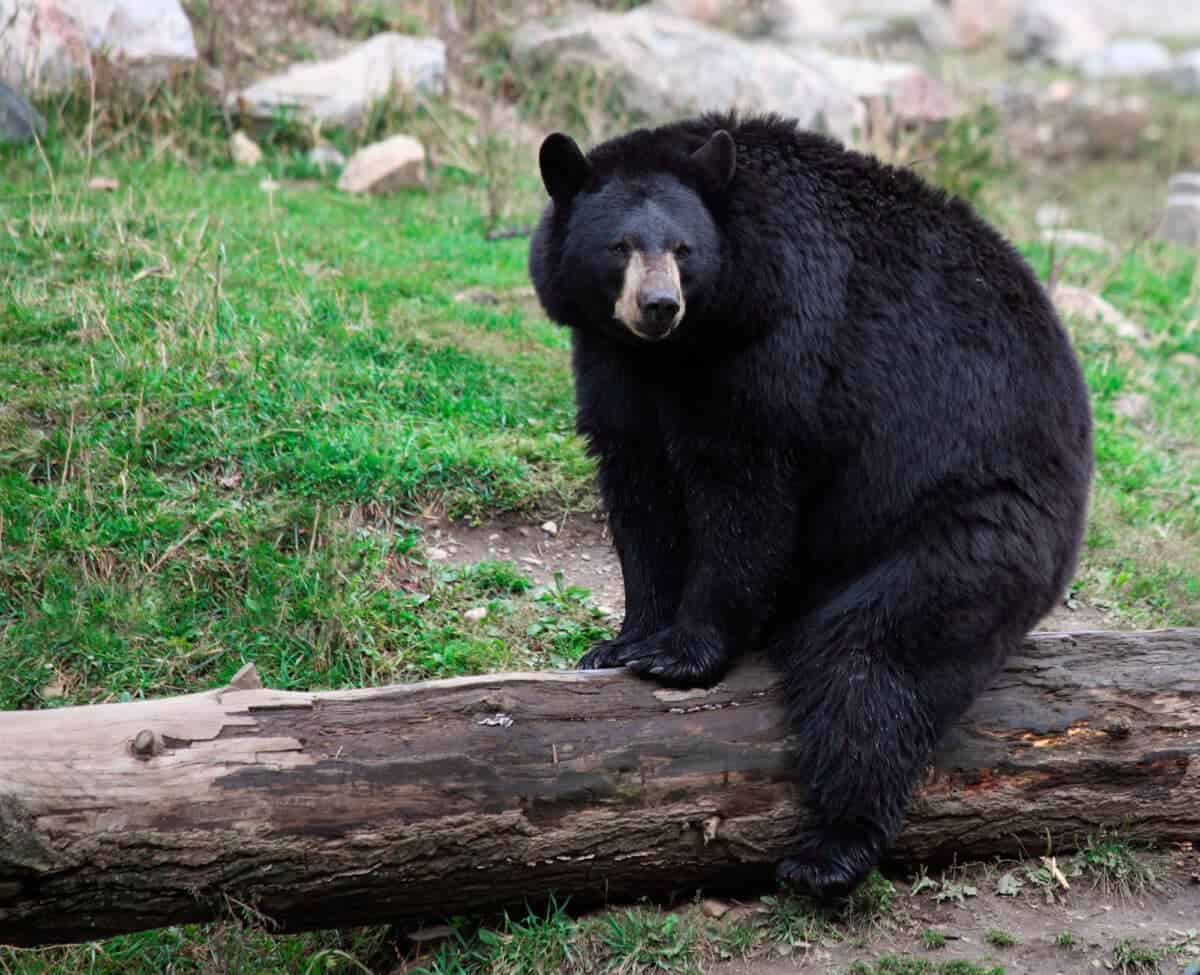
Tennessee is home to a thriving population of American black bears, particularly in the Great Smoky Mountains region. These omnivorous creatures are versatile feeders, consuming everything from berries to small mammals. Black bears hold cultural significance and are often considered symbols of wilderness and resilience. Recent conservation efforts have been pivotal in stabilizing their population, making them a flagship species for local wildlife preservation.
3. Eastern Wild Turkey

The eastern wild turkey is an iconic bird of Tennessee, known for its distinctive gobbling call and majestic appearance. These birds are predominantly found in hardwood and mixed forests across the state. Wild turkeys are opportunistic feeders, often foraging for acorns, seeds, and insects. Their successful conservation story, marked by restoration and habitat management efforts, represents a remarkable comeback from near extinction in the last century.
4. Northern Cardinal
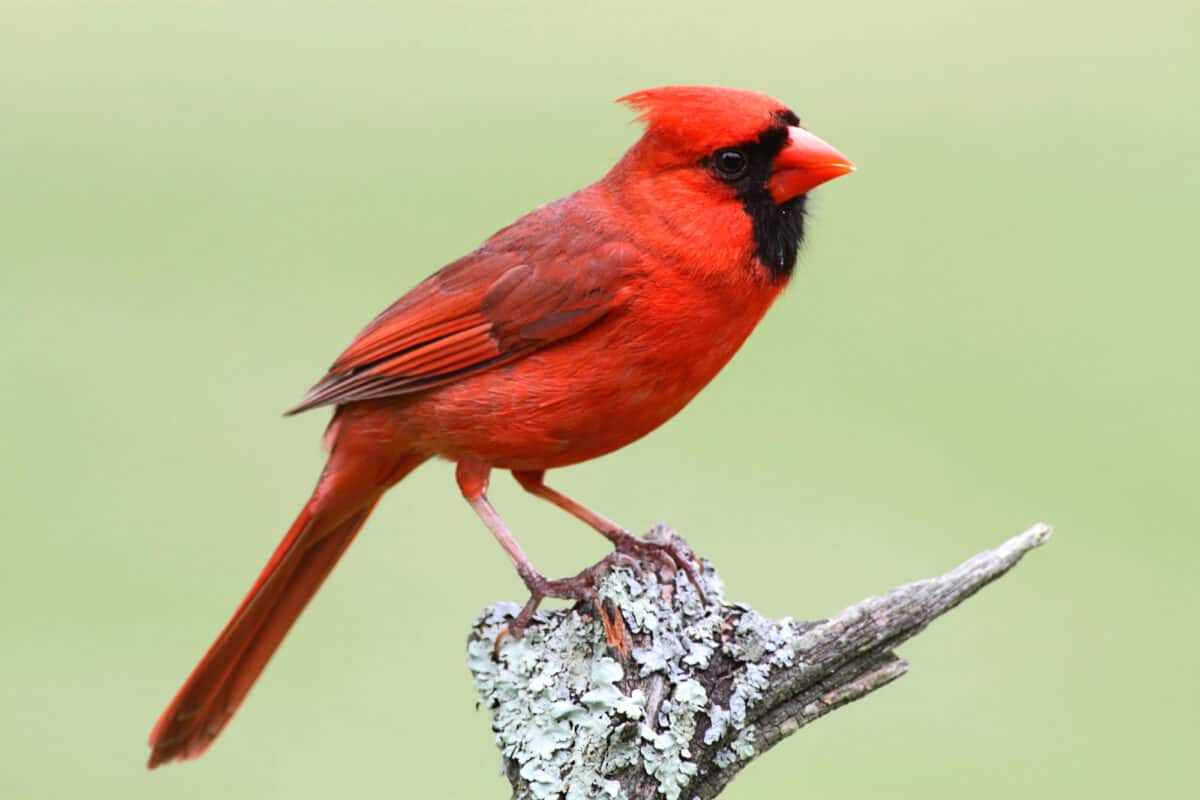
Renowned for its vibrant red plumage, the northern cardinal is a cherished resident bird across Tennessee. Cardinals thrive in diverse habitats, including gardens, woodlands, and wetlands. Their melodic songs make them a favorite among birdwatchers and nature enthusiasts. The northern cardinal is also recognized as the state bird, embodying Tennessee’s natural splendor and biodiversity.
5. River Otter
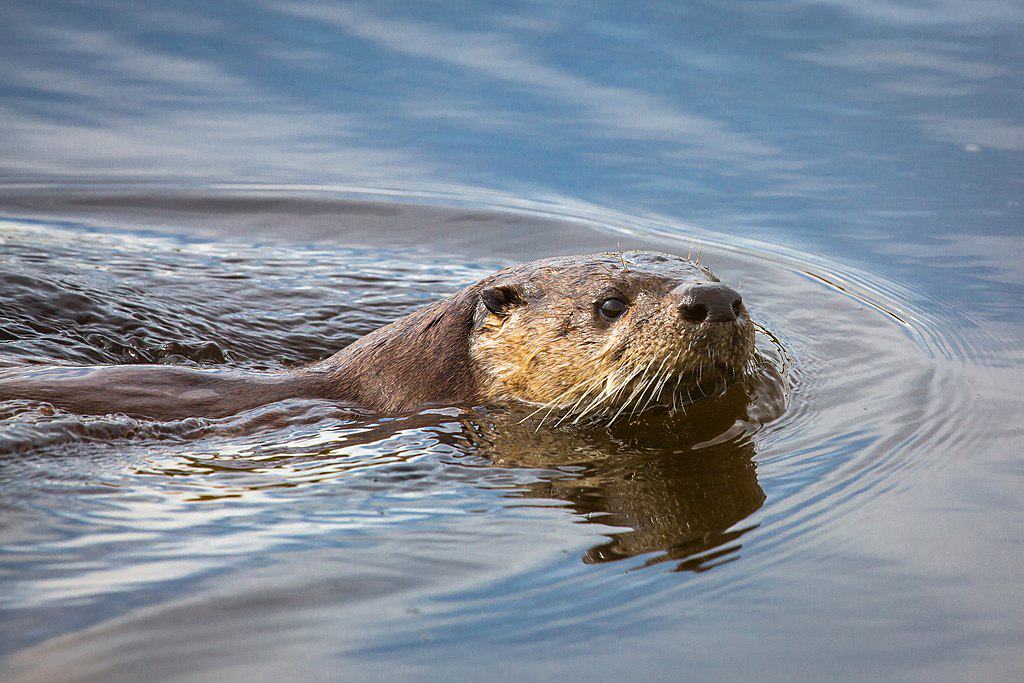
The river otter is a sleek, playful species found in Tennessee’s rivers, lakes, and wetlands. Their semi-aquatic lifestyle and webbed feet make them excellent swimmers. River otters feed primarily on fish and crustaceans, contributing significantly to maintaining a balanced aquatic ecosystem. Conservation initiatives have been successful in re-establishing otter populations, especially in areas from which they had previously disappeared.
6. Eastern Box Turtle
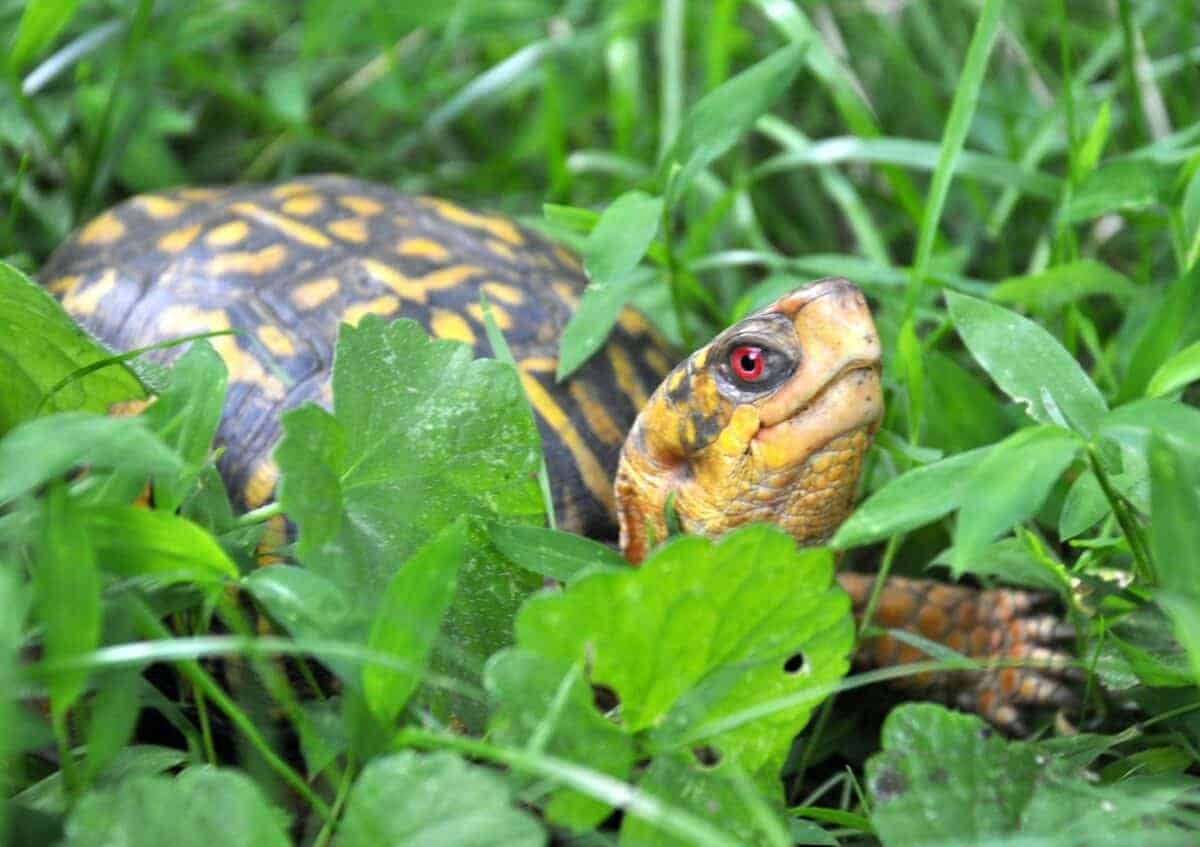
The eastern box turtle is one of Tennessee’s most common terrestrial turtles, easily identifiable by its dome-shaped shell and colorful markings. These turtles inhabit wooded areas, meadows, and marshes. They are omnivorous, enjoying a diet of fruits, mushrooms, and small animals. Although facing threats from habitat loss and road mortality, conservation groups are actively working to protect their habitats and ensure their survival.
7. Red Fox

With their gorgeous red fur and bushy tails, red foxes are a familiar sight in rural and suburban areas of Tennessee. These adaptable creatures are omnivorous, hunting small mammals and birds, and also consuming fruits and berries. Red foxes play an essential role as predators, helping control populations of rodents and maintaining ecological balance. Despite human encroachment, they continue to thrive across various landscapes.
8. Great Horned Owl

The great horned owl, distinguished by its tufted ears and piercing yellow eyes, is a nocturnal predator ubiquitous throughout Tennessee. These owls inhabit forests, swamps, and even urban environments. They have a diverse diet, preying on mammals, birds, reptiles, and insects. Known for their adaptability and fierce hunting skills, great horned owls are vital for the health of local ecosystems, keeping the rodent population in check.
9. Hellbender Salamander

The hellbender salamander, one of the largest salamanders in North America, finds its home in the clear, fast-flowing streams of eastern Tennessee. These fascinating amphibians are fully aquatic and can thrive only in unpolluted water. Hellbenders primarily feed on crayfish and play a crucial role in aquatic food chains. Their decline due to pollution and habitat destruction has prompted conservation efforts focusing on water quality and habitat protection.
10. Bald Eagle

The bald eagle, an emblematic symbol of the United States, has made a notable recovery in Tennessee. These majestic birds of prey are commonly seen near large bodies of water like lakes and rivers where they hunt for fish. Their impressive wingspan and powerful flight make them an awe-inspiring sight for birdwatchers. Conservation measures, such as the banning of harmful pesticides and protection of nesting sites, have been instrumental in safeguarding this iconic species.

- The Most Powerful Earthquake Ever Felt in the U.S. - July 19, 2026
- How Rhinoceros Males Compete for Mating Rights in the Wild - July 18, 2026
- 13 Spider Species Thriving in Changing Environments - July 18, 2026