


For thousands of years, dogs have been our loyal companions, working alongside humans as hunters, herders, guardians, and beloved pets. The domestic dog’s evolution from wolf to the diverse spectrum of breeds we know today represents one of the most remarkable examples of artificial selection. Traditionally, most domesticated dogs were bred for trainability and a desire to please their human companions. However, an interesting shift is occurring in canine evolution: some dog breeds are developing more independent traits. This evolutionary trend reflects changing human lifestyles, shifting environmental pressures, and sometimes deliberate breeding choices. Understanding why and how dogs are becoming more independent offers fascinating insights into the ongoing dance between canine genetics, environment, and human influence.
The Historical Context of Canine Dependency
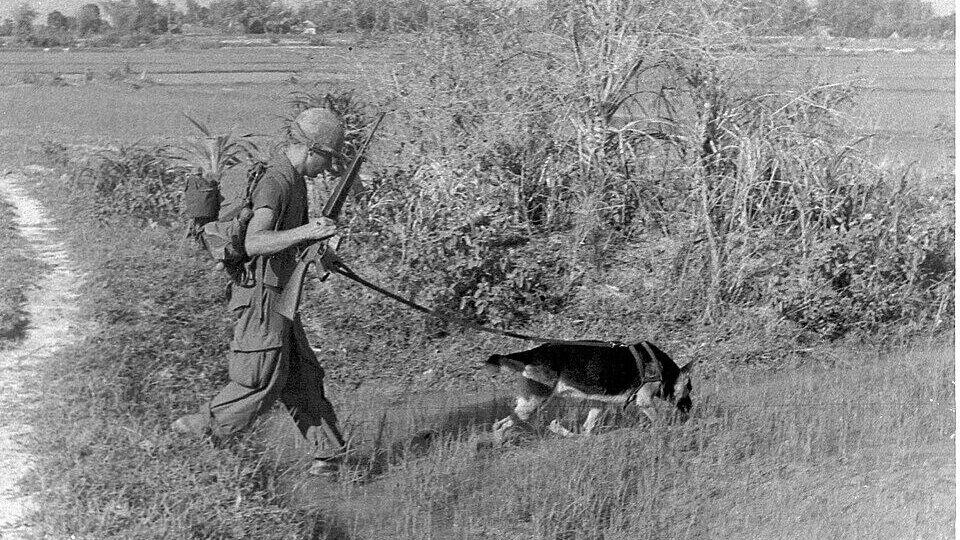
Dogs were the first domesticated animals, with evidence suggesting the process began at least 15,000 years ago. Early domestication likely favored wolves that were less fearful of humans and more willing to cooperate for mutual benefit. These proto-dogs that showed traits like trainability, attentiveness to human cues, and dependency on human direction had survival advantages in human settlements. As domestication progressed, humans selectively bred dogs that displayed high levels of attachment, responsiveness to commands, and eagerness to please. Working dogs especially—like herding breeds and retrievers—were bred to maintain constant visual contact with handlers and follow directions precisely. This human-directed selection created breeds with a genetic predisposition toward dependency, with dogs essentially evolving to read human emotions and respond to our needs in ways no other animal can match.
Defining Canine Independence vs. Dependency

Before exploring why some breeds are becoming more independent, it’s important to understand what canine independence actually means. Independent dogs exhibit several key traits: they’re comfortable spending time alone, capable of making decisions without human input, less concerned with constant human approval, and often show problem-solving abilities when faced with obstacles. These dogs may still form strong bonds with their owners but don’t experience the same level of distress when separated. In contrast, dependent dogs constantly seek human attention and validation, may develop separation anxiety when left alone, look to humans for direction even in familiar situations, and can become visibly distressed when unable to determine what their owner wants. Independence in dogs exists on a spectrum rather than as an absolute quality, with most breeds showing varying degrees of independent and dependent traits depending on the situation, their individual personality, and their specific genetic makeup.
Modern Lifestyle Changes Driving Independence

The evolution of more independent dog breeds partially reflects profound changes in human lifestyles over the past century. Today’s dog owners often live in urban environments, work long hours outside the home, and maintain busy social schedules—creating an environment where extremely dependent dogs might struggle with prolonged separation. Dogs with independent tendencies can better adapt to these modern living arrangements. Research from the University of Helsinki found that dogs left alone for longer periods regularly are gradually developing coping mechanisms that resemble independence. The COVID-19 pandemic and subsequent return to workplaces has further highlighted this issue, with many dogs experiencing separation anxiety after extended periods of constant human companionship. This environmental pressure subtly favors dogs with independent temperaments who can handle alone time without destructive behaviors or emotional distress, potentially influencing both breeding decisions and the natural selection of certain temperamental traits.
Breed-Specific Evolution of Independence
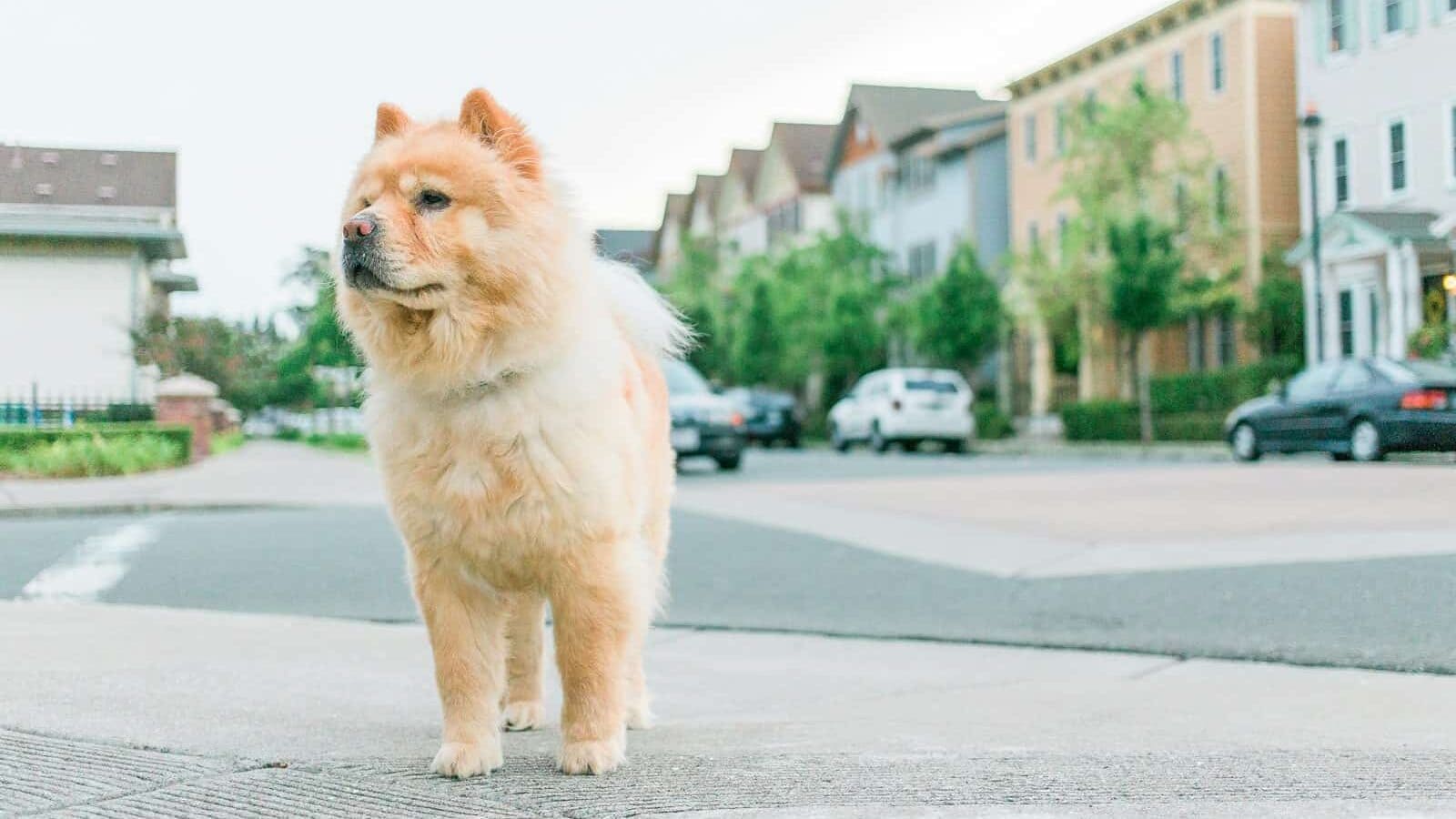
Some dog breeds have historically maintained greater independence due to their original working purposes. Breeds like the Akita, Shiba Inu, Basenji, and Chow Chow were developed for tasks requiring autonomous decision-making without constant human direction. For instance, the Akita was bred to hunt bears in Japan, requiring confidence and independent thinking in dangerous situations. Northern breeds like Siberian Huskies and Alaskan Malamutes evolved to make survival decisions in harsh Arctic conditions where blind obedience could be dangerous. What’s notable is that these historically independent breeds are gaining popularity precisely because of these traits. According to the American Kennel Club registration statistics, breeds with independent characteristics have seen steady increases in registration numbers over the past decade. This rising popularity creates additional selection pressure that reinforces independence, as breeders respond to market demand for dogs that can adapt to contemporary lifestyles.
Genetic Foundations of Canine Independence

The genetic basis for canine independence is complex and involves multiple genes. Research published in the journal Scientific Reports has identified several genetic markers associated with independence-related traits. One significant finding involves variations in genes regulating dopamine and oxytocin receptors—neurotransmitters crucial for social bonding and reward-seeking behaviors. Dogs with certain variations in these genes appear less motivated by human approval and social reinforcement. Another genetic component relates to the hypersociability hypothesis, which suggests domestic dogs have disruptions in genes related to human-directed social behavior. Interestingly, some breeds are now showing variations in these “hypersociability” regions, potentially indicating evolution toward more wolf-like independence. Ongoing genome-wide association studies continue to identify additional genetic factors influencing traits like problem-solving abilities, persistence without human guidance, and tolerance for solitude—all components of the independence phenotype in dogs.
Deliberate Breeding for Independence
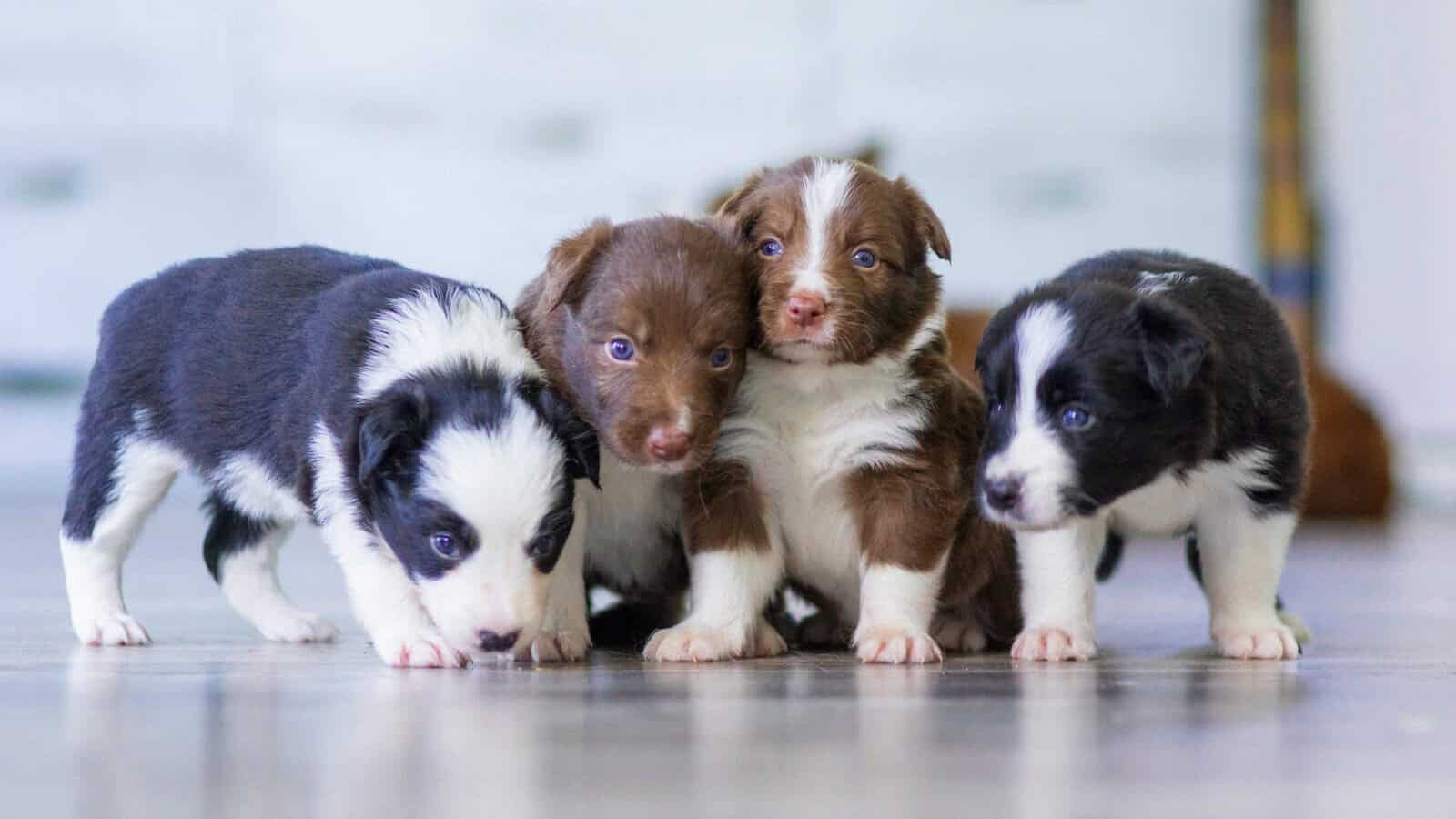
While some aspects of increasing canine independence reflect natural adaptation to changing environments, deliberate breeding practices also play a significant role. Breeders are increasingly selecting for balanced temperaments that combine affection with self-sufficiency. This trend is particularly evident in working dog lines, where extreme dependency can interfere with job performance. For example, modern service dog programs increasingly select for dogs that can make independent decisions when their handler is incapacitated, rather than becoming emotionally distressed. Similarly, search and rescue dog breeders favor animals capable of working at a distance from handlers while making autonomous decisions about search patterns. Even in companion animals, some breeders are specifically selecting for puppies that demonstrate healthy independence during temperament testing. These intentional selection practices accelerate the evolution of independence traits that might otherwise develop more slowly through natural selection alone.
The Role of Early Socialization

While genetics provides the foundation for canine independence, environmental factors—particularly early socialization experiences—significantly influence how these genetic tendencies express themselves. Puppies exposed to appropriate independence-building experiences during critical developmental periods (roughly 3-14 weeks of age) tend to develop more self-sufficient behaviors regardless of breed. Research from veterinary behaviorists suggests that puppies who experience gradual, positive separations from their mothers and littermates, followed by controlled alone time with enrichment activities, develop healthier independence. Conversely, puppies with helicopter-style human raising, where they’re never allowed to solve problems independently, can develop learned helplessness even if genetically predisposed toward independence. This interplay between genetics and environment means that even traditionally dependent breeds can develop greater independence with appropriate early experiences, while naturally independent breeds can become problematically dependent without proper socialization. This environmental factor may be accelerating canine evolution toward independence as modern dog-raising practices increasingly incorporate independence training.
Urban Adaptation and Canine Independence

Urban environments present unique challenges that may be selecting for greater independence in city-dwelling dog populations. Urban dogs must navigate complex social situations, including encounters with numerous strangers and other dogs in parks, streets, and apartment buildings. They must also cope with unpredictable stimuli like traffic, construction noise, and crowds. Research from the Family Dog Project at Eötvös Loránd University found that urban dogs develop different cognitive strategies than their rural counterparts, including more independent problem-solving approaches when faced with obstacles. City dogs also experience more irregular human attention due to work schedules and social commitments, potentially selecting for individuals that can entertain themselves and manage their emotions during alone time. Some researchers suggest that over generations, these urban pressures are creating a subpopulation of dogs with enhanced independence traits specifically adapted to city living—an example of localized evolutionary adaptation occurring in real-time within the domestic dog population.
The Primitive Breed Resurgence
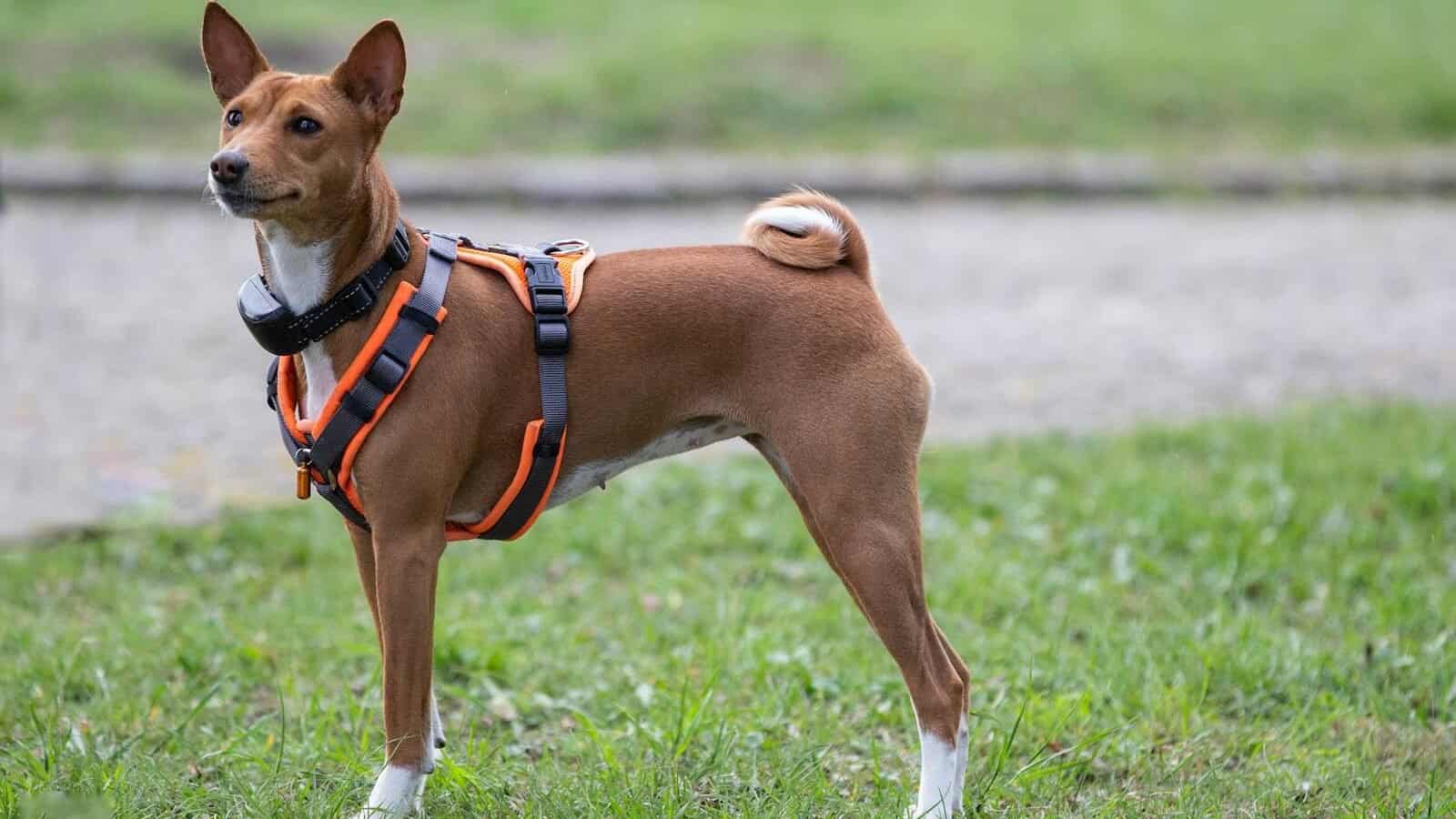
Another factor driving the evolution of canine independence is the growing popularity of primitive or ancient dog breeds—those with genetic profiles more closely resembling wolves than most modern breeds. Breeds like the Basenji, New Guinea Singing Dog, Canaan Dog, and Korean Jindo preserve many ancient canid traits, including marked independence. These primitive breeds typically display more self-sufficient behaviors: they clean themselves like cats, are often quieter, solve problems without human assistance, and maintain stronger prey drives. DNA analysis confirms these breeds diverged earlier in the domestication process, retaining genetic elements lost in more heavily modified breeds. Their rising popularity—the Basenji jumped 26 places in AKC popularity rankings since 2010—suggests a growing subset of owners specifically seeking these independent characteristics. As these primitive breeds gain market share and influence breeding programs through crossbreeding, they introduce independence-associated genetic material back into the broader dog population, potentially accelerating the overall evolutionary trend toward independence.
The Behavioral Spectrum of Independence
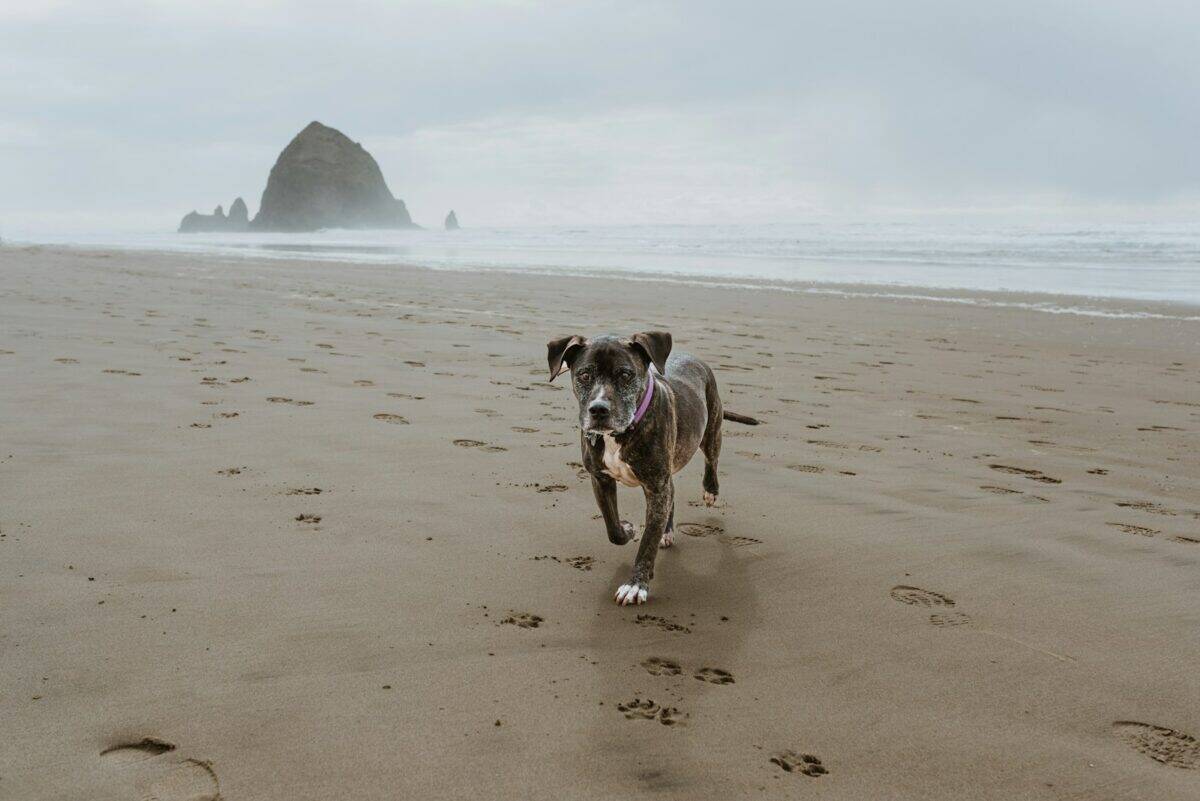
Canine independence manifests in various behavioral patterns that can be observed across breeds experiencing this evolutionary shift. Independent dogs typically display more discriminating responses to commands—they may appear to “consider” whether to comply based on their own assessment of the situation rather than responding with automatic obedience. They often show remarkable problem-solving abilities when motivated, figuring out puzzle toys or environmental challenges without human assistance. These dogs may demonstrate resource self-sufficiency, entertaining themselves with toys or creating their own activities when bored. Territorially, independent breeds tend to establish and maintain boundaries without constant handler intervention. During training, they typically respond better to methods emphasizing choice and cooperation rather than pure compliance, and they often excel in activities requiring autonomous decision-making like barn hunt, tracking, or agility. Understanding these behavioral manifestations helps owners and trainers work effectively with increasingly independent dogs, adapting training approaches to leverage rather than fight against these evolutionary changes.
Independence vs. Trainability Misconceptions
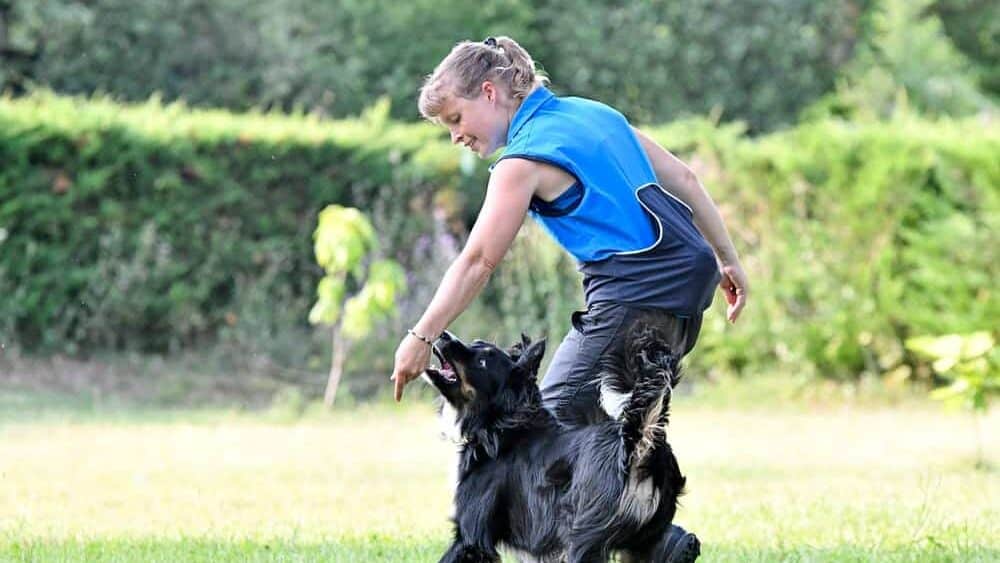
A common misconception is that increasing independence necessarily means decreasing trainability. This oversimplification has led some to view independent breeds as stubborn or unintelligent when they’re actually demonstrating different cognitive approaches. Research from the Clever Dog Lab at the University of Veterinary Medicine Vienna indicates that independent dogs often excel at innovative problem-solving but may appear to “fail” standard obedience assessments that reward dependency. In reality, many independent breeds are highly trainable when training methods align with their cognitive style. While a Labrador Retriever might repeatedly perform an action simply because it pleases the handler, an independent Akita or Shiba Inu requires understanding the purpose and benefit of the behavior. When trained with methods emphasizing cooperative problem-solving rather than compliance-based obedience, independent dogs often demonstrate remarkable learning abilities. The evolution toward independence isn’t reducing canine intelligence or trainability—it’s shifting the type of human-dog relationship from a hierarchical to a more collaborative partnership.
Benefits and Challenges of Canine Independence

The evolutionary trend toward greater independence in some dog breeds presents both advantages and challenges for human-canine relationships. On the positive side, independent dogs typically experience less separation anxiety, adapt more easily to schedule changes, and can better entertain themselves when humans are busy. They often excel at tasks requiring initiative and decision-making and may be less demanding of constant attention. These traits make them well-suited to busy households or working partnerships where constant direction isn’t possible. However, independence also brings challenges. Independent dogs may be less motivated by traditional training rewards like praise, potentially making training more complex. They may test boundaries more persistently and could make unilateral decisions their owners don’t appreciate. When frightened or stressed, independent dogs might default to self-protective responses rather than seeking human guidance. Successfully living with increasingly independent dogs requires owners to develop more sophisticated communication systems, greater mutual respect, and training approaches that emphasize collaboration rather than dominance or pure compliance.
The evolution of greater independence in certain dog breeds represents a fascinating chapter in the ongoing story of dog domestication. This trend reflects the remarkable adaptability of dogs to changing human lifestyles, environmental pressures, and shifting relationships between humans and their canine companions. As we move further into the 21st century, we’re likely to see continuing refinement of this trait, with breeds developing balanced forms of independence that maintain human connection while enabling dogs to thrive in contemporary environments. Rather than viewing this evolution as dogs becoming “less domestic,” we might better understand it as dogs adapting to new forms of partnership with humans—ones based less on dependency and more on mutual cooperation between distinct species. The dogs of tomorrow may be more self-sufficient in some ways, but they’ll still maintain the deep connection with humans that makes the human-canine bond one of the most remarkable interspecies relationships on the planet.

- The Most Powerful Volcanic Eruption Ever in World History - July 20, 2026
- Why Dogs Tilt Their Heads - July 20, 2026
- 12 Most Unexplained Creature Sightings Across the U.S. - July 20, 2026