


There is something universally heartwarming about baby animals. Their innocent demeanor, small size, and often fluffy appearance make them irresistible to many animal lovers. Beyond their adorable appearances, these young creatures also offer intriguing insights into their species’ behaviors and development. This article highlights 15 of the cutest baby animals, delving into their lives and roles within their ecosystems. Let’s dive into the world of these charming young creatures!
Baby Pandas
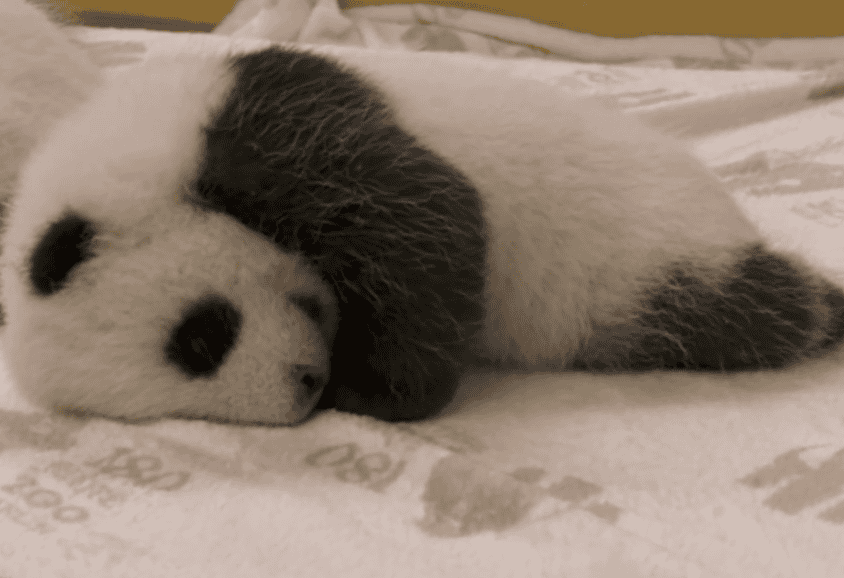
Baby pandas, or cubs, are born remarkably small compared to their mothers, usually weighing only about 100 grams. Covered in white fur, it takes a few weeks for their distinctive black markings to appear. Found primarily in the bamboo forests of China, these vulnerable cubs depend on their mothers for warmth and nourishment until they grow strong enough to explore and play on their own. Their clumsy antics and gentle nature make them irresistibly cute, while conservation efforts work tirelessly to ensure their survival.
Baby Sloths

Often seen lounging upside down in tropical rainforests, baby sloths possess an undeniably adorable charm. With their wide eyes, tiny noses, and gentle smiles, sloth pups cling to their mothers for up to nine months before braving the world independently. Notably slow movers, these mammals use their unique physiology to survive, relying on a specialized diet of leaves that provides limited energy, which keeps their movements leisurely and relaxed.
Ducklings
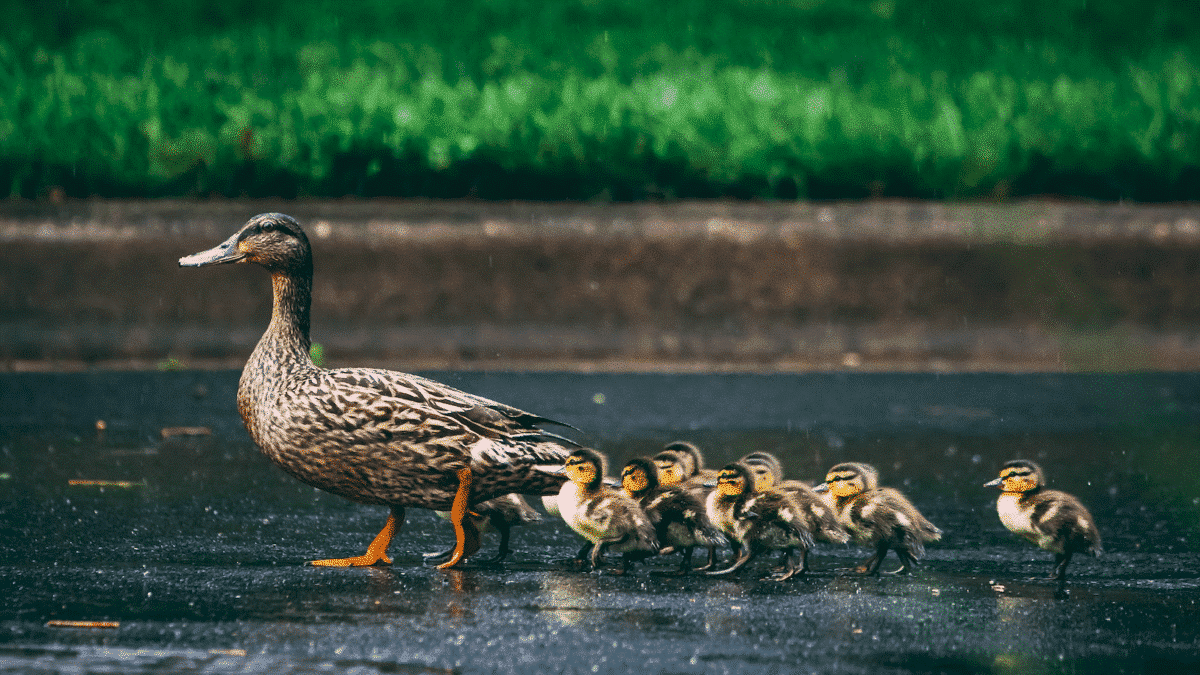
Few sights are as endearing as a line of ducklings waddling behind their mother. These fluffy, yellow-brown babies are adept swimmers, typically learning to navigate water within 24 hours of hatching. Ducklings rely on their mothers for warmth and protection as they learn to forage for food in ponds and rivers. Their playful splashes and unified movements further highlight their cuteness, making them favorites among wildlife observers.
Fawns
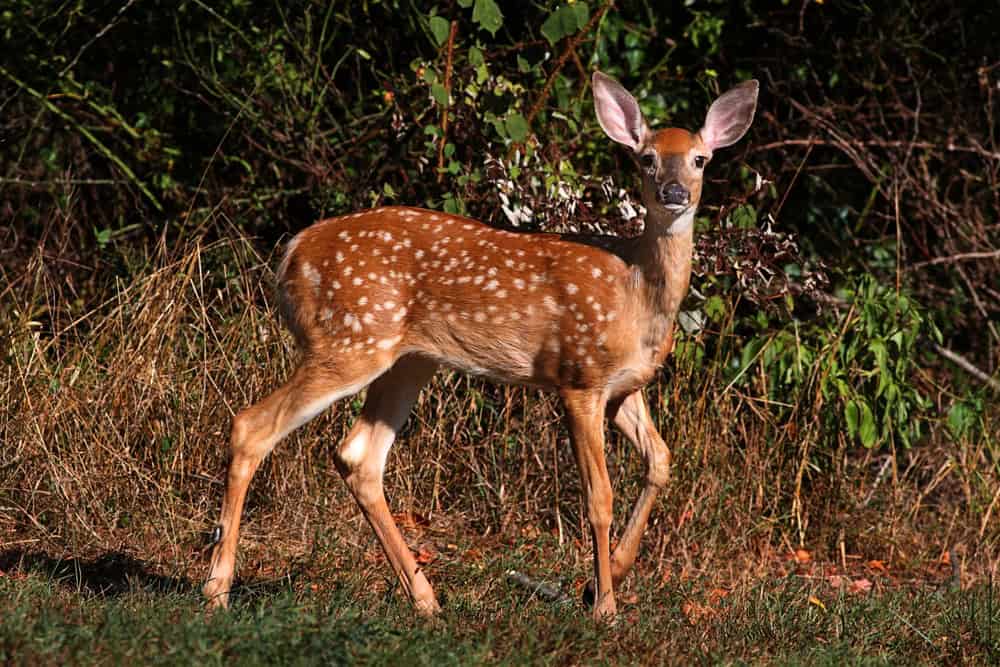
Fawns, or baby deer, are quintessential representations of innocence and gentleness. With their large eyes, long legs, and soft, spotted coats, fawns are well-camouflaged in their woodland habitats. During the first weeks of life, they remain hidden in tall grass or bushes while their mothers forage nearby. This strategic hiding helps protect them from predators. Seeing a fawn’s tentative steps is a magical reminder of nature’s beauty and the curiosity of youth.
Lion Cubs
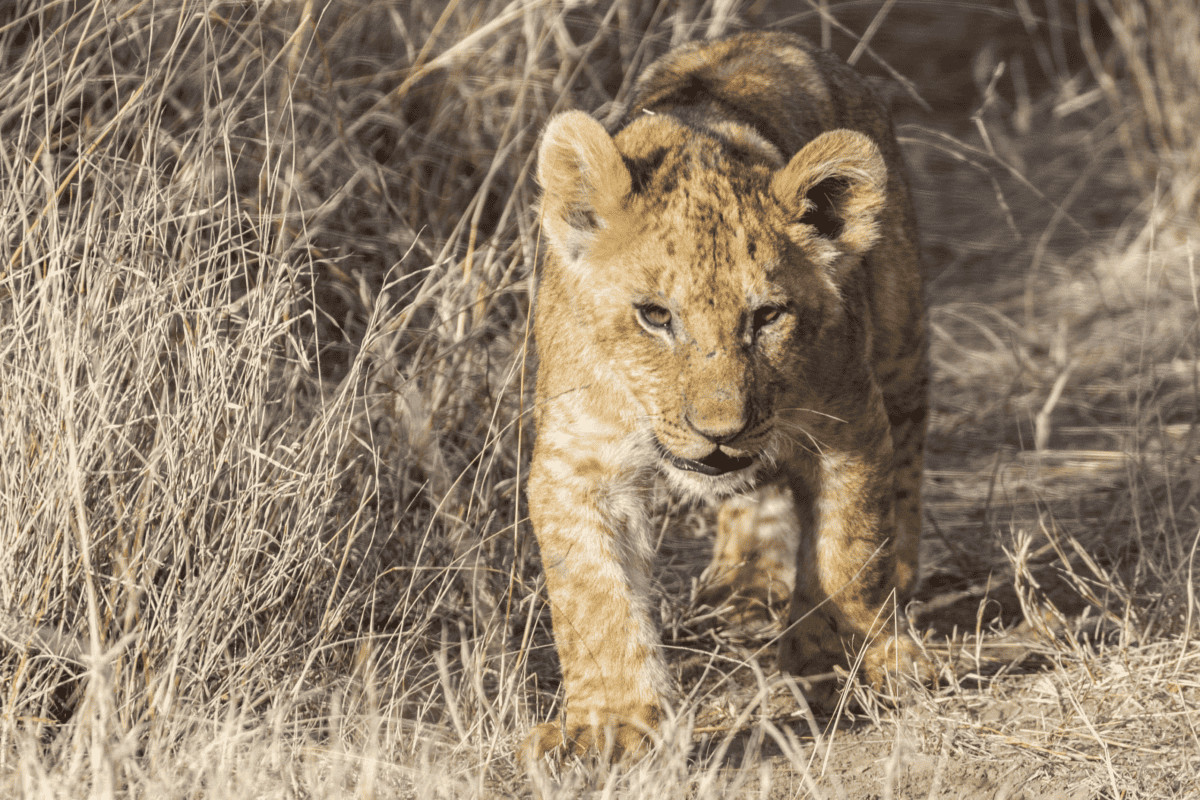
While lions are often praised for their strength and majesty, lion cubs exemplify a softer side of the animal kingdom. Covered in a downy layer of fur with faint spots, these cubs are playful and social, learning essential life skills through interaction with others in their pride. Born blind and helpless, they spend their first few weeks in a den with their mothers before venturing out into the wider world. Their playful tumbles and fierce little roars are an integral part of their formative journey.
Kittens
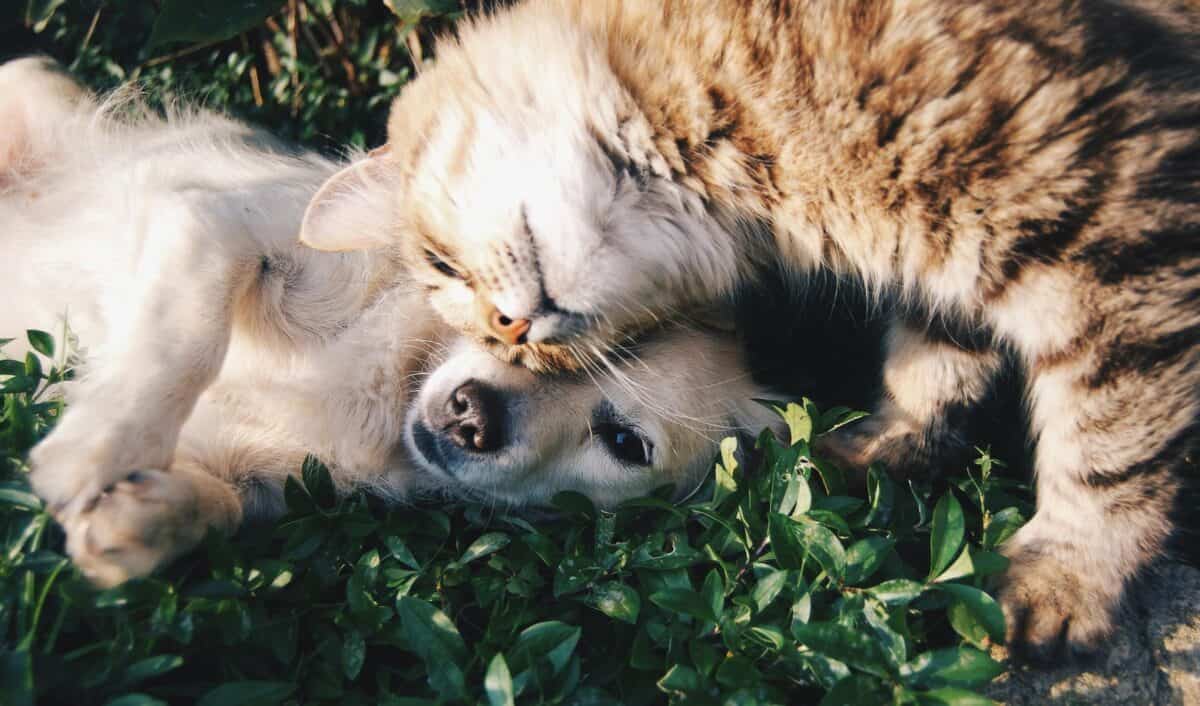
Kittens, whether domestic or wild, embody pure cuddliness with their tiny bodies and playful nature. Born blind and deaf, they develop their sensory abilities over the first few weeks, guided primarily by their mother. Kittens extensively engage in behaviors that mimic hunting and social skills, making play a vital part of their development. Their curiosity, purring, and soft meows make them one of the most popular baby animals worldwide.
Hatchling Sea Turtles
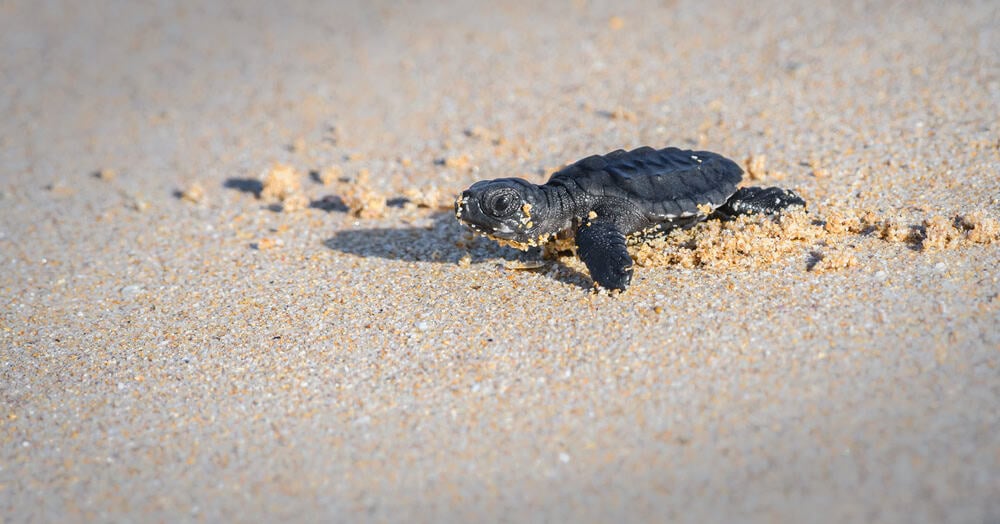
Their journey from nest to sea is a breathtaking spectacle. Hatchling sea turtles are minute but determined, emerging from sandy nests and instinctively heading towards the ocean. This perilous voyage exposes them to numerous predators, yet it is critical for their life cycle. The tiny hatchlings’ tenacity and innate drive symbolize hope and resilience, captivating the hearts of conservation enthusiasts.
Owlets
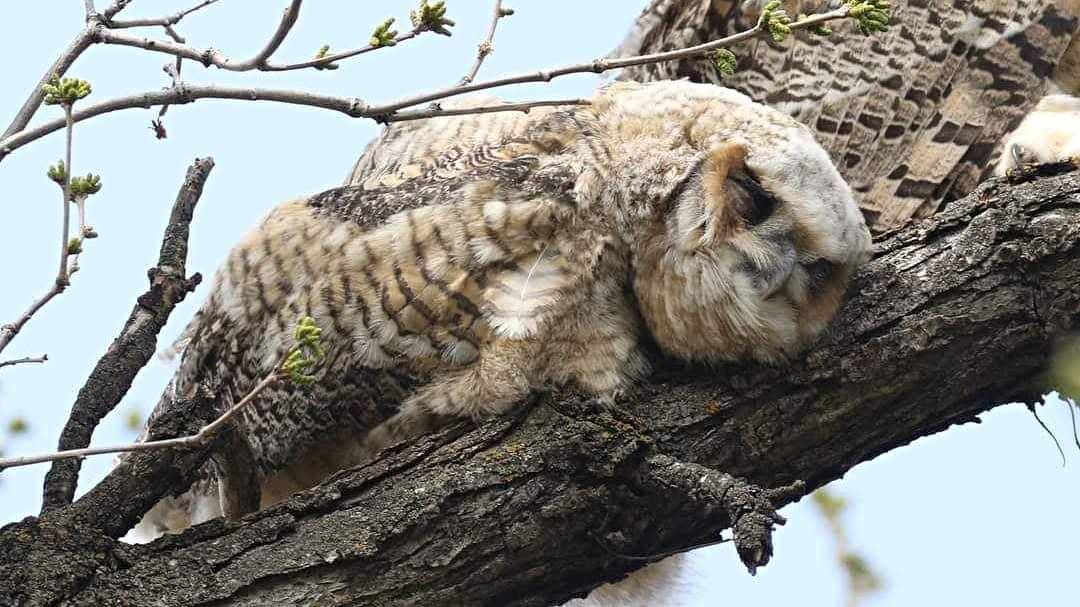
Baby owls, or owlets, captivate with their large, inquiring eyes and soft, downy feathers. Typically born in tree cavities or nests, owlets rely entirely on their parents for food and protection during their initial growth phases. Their quiet hoots and fluttering wings offer a fascinating glimpse into the avian world, showcasing the balance of vulnerability and strength inherent in nature.
Joeys

The term “joey” refers to the young of several marsupials, including kangaroos and koalas. These babies are tiny at birth, spending critical developmental months growing in their mother’s pouch. Kangaroo joeys peek out with curiosity before eventually hopping around, while koala joeys cling to their mother’s backs, exploring eucalyptus trees. Their dependence and gradual exploration of their environments make them exceptionally endearing.
Piglets
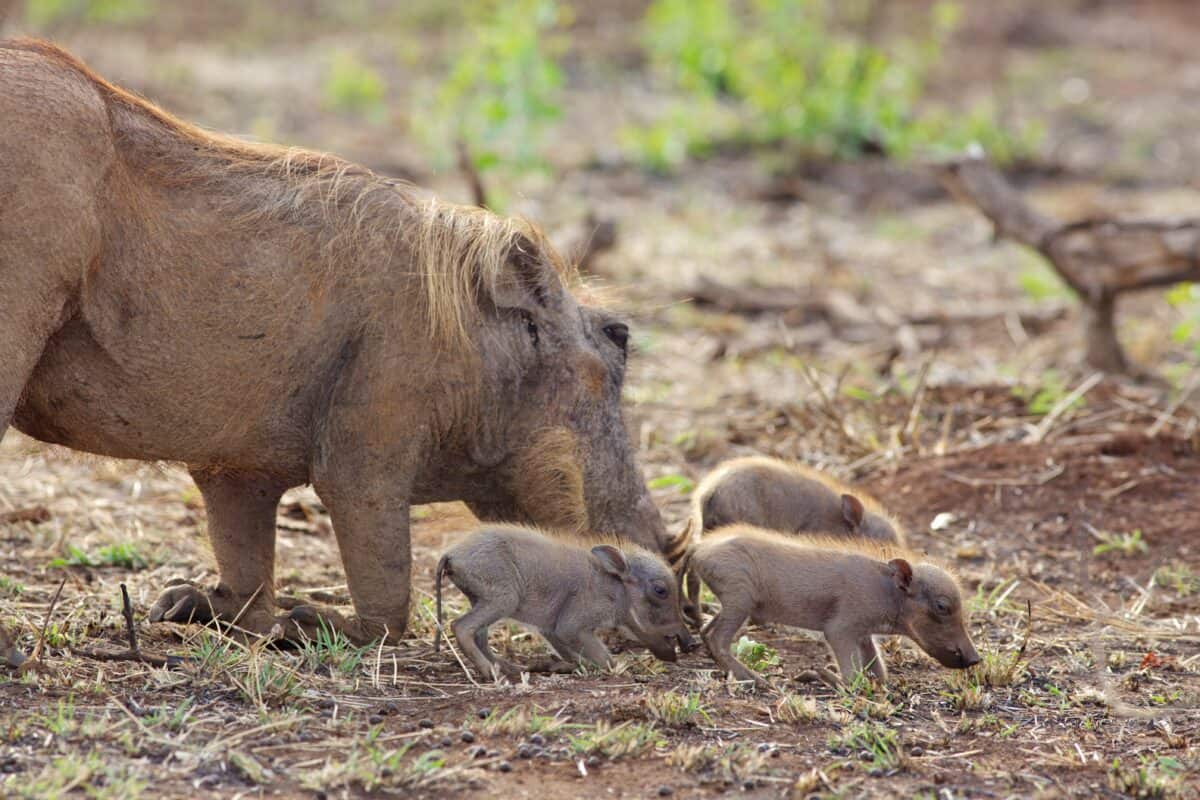
Piglets might not be traditionally considered adorable, but their small size, playful antics, and distinct squeals quickly win over hearts. With their pinkish skin and curly tails, piglets are social and intelligent animals, often seen exploring their surroundings in groups. Their intriguing social structures and behaviors provide insights into the complexity of even the most seemingly humble farm animals.
Polar Bear Cubs

Born in the harshest of climates, polar bear cubs are incredibly resilient yet achingly adorable. With their fluffy white fur and stout bodies, these cubs remain in their dens with their mothers for the first few months of life. As they grow, they begin to navigate the icy landscapes of the Arctic, learning to hunt and survive in one of the world’s most extreme ecosystems.
Elephant Calves
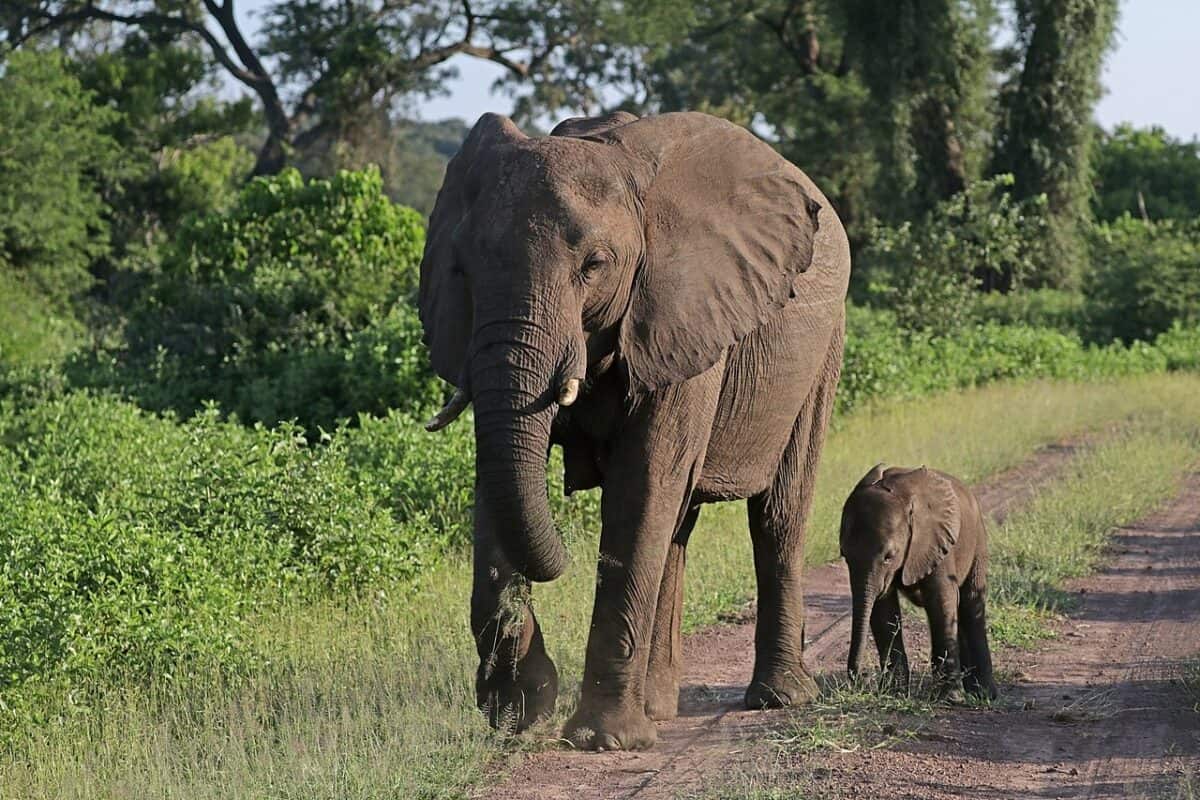
Calves enjoy a unique social upbringing, surrounded by the protection and teaching of their herd. With large ears, inquisitive trunks, and a playful demeanor, elephant calves exhibit complex social behaviors and emotions similar to humans. They play a critical role in their family’s dynamics, learning essential skills through mimicry and communication, emphasizing the importance of family bonds in the animal kingdom.
Goslings
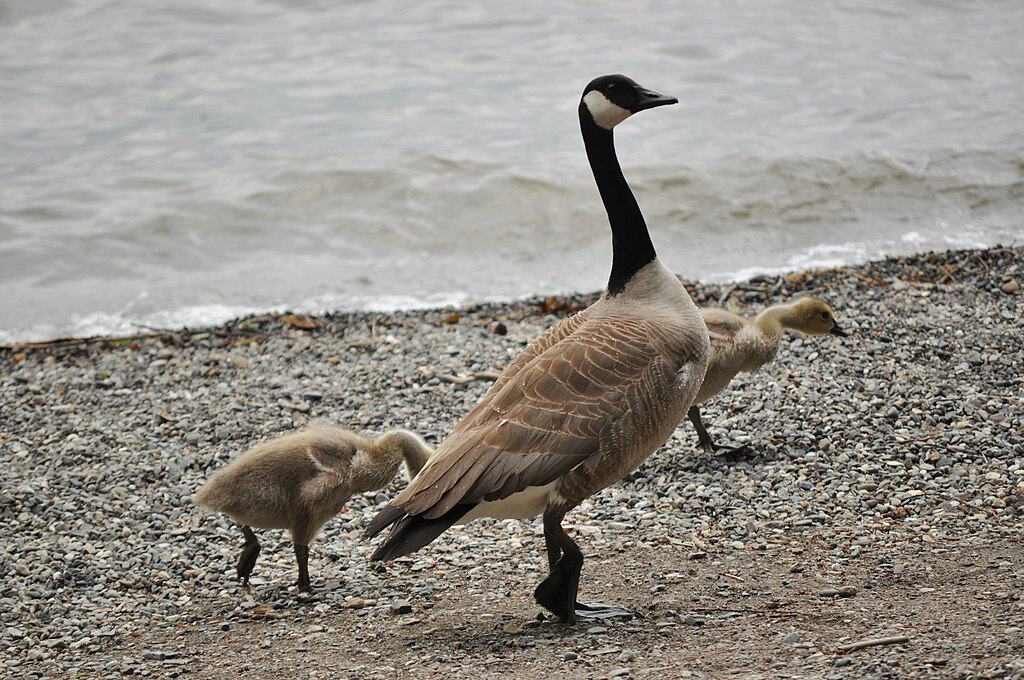
Just like ducklings, goslings exhibit an endearing loyalty as they follow their parents diligently. Covered in insulating down, these small creatures develop rapidly, transitioning from cute, fluffy balls to sleek young geese in a matter of weeks. Their propensity to stick close to family units showcases instinctual survival traits vital for navigating their wetland habitats.
Puppies

Puppies’ boundless energy, floppy ears, and enthusiastic tails make them one of the most beloved baby animals. Whether they’re exploring their environments, bonding with humans, or simply napping adorably, puppies’ behaviors closely mirror their development of necessary survival traits. Offering companionship and joy across cultures, puppies symbolize unconditional love and joy in the animal world.
Conclusion

The animal kingdom is full of young creatures whose charm and innocence capture our hearts. Beyond their adorable appearances, baby animals provide crucial insights into the life cycles and ecological roles of their species. By understanding and appreciating these beings, we not only deepen our connection with nature but also emphasize the importance of preserving their habitats and ensuring their futures. Whether in the wild or our backyards, baby animals remind us of life’s inherent beauty and fragility.

As a little kid, I fell in love with nature, wildlife, and animals. Living in the USA, South Africa, Italy, China and Germany gave me the opportunity to discover the world's Wildlife. My favorite animals are Mountain Gorillas, Siberian Tigers, and Great White Sharks.
I'm a certified PADI Open Water Diver, went to Everest Base Camp and Trekked Gorillas in Uganda. I hold a Master of Science in Economics and Finance.
Please send any feedback to feedback@animalsaroundtheglobe.com
- 14 Native Plants That Thrive in the Worst Corner of Your Yard and Feed Wildlife Too - July 11, 2026
- 13 Aquatic Mammals That Don not Look It - July 10, 2026
- 15 Unlikely Hunters With Killer Instincts - July 10, 2026