


In the diverse tapestry of the natural world, survival often hinges on an animal’s ability to remain unnoticed by predators and prey alike. Camouflage is one of nature’s most fascinating adaptations, evolving over millions of years to offer creatures a means of blending seamlessly with their surroundings. This article explores ten remarkable animals celebrated for their superior camouflage skills, each demonstrating the exquisite artistry of nature.
1. Leaf-Tailed Gecko

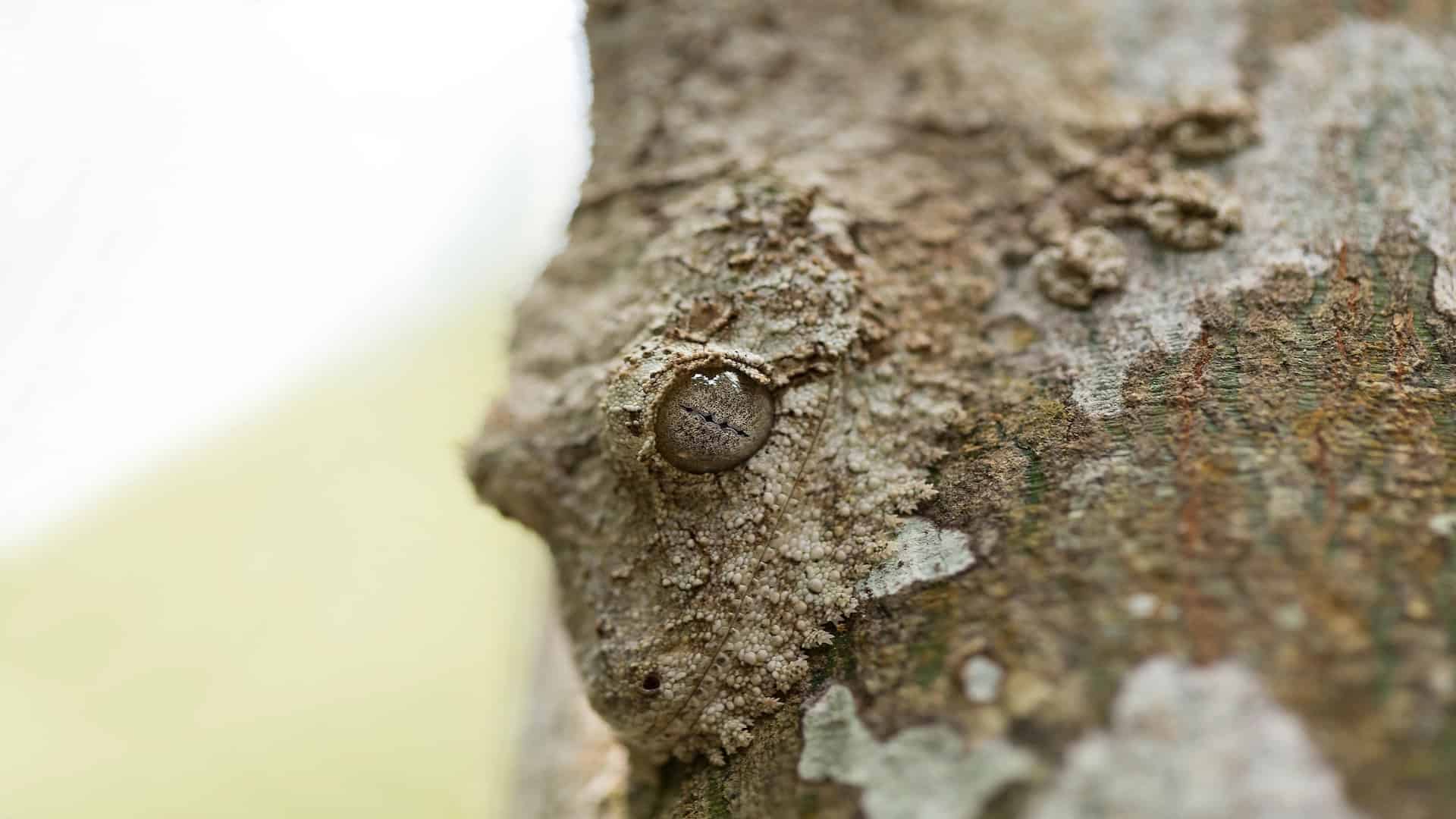
The leaf-tailed gecko is a resident of the lush forests of Madagascar. This reptile’s ability to blend into its surroundings is nothing short of extraordinary. With a tail that resembles a dead leaf, complete with uneven edges, spots, and a vein-like pattern, it camouflages perfectly against tree bark and foliage. This visual deception helps the gecko elude predators while it remains still, hanging from branches like just another leaf.
2. Cuttlefish

Known as the “chameleons of the sea,” cuttlefish are masters of underwater camouflage. These cephalopods can rapidly change their skin color, texture, and pattern to match their surroundings in virtually any marine environment. Their skin contains chromatophores, specialized cells that expand or contract to alter their appearance, allowing them to avoid predators or sneak up on prey with remarkable efficiency.
3. Arctic Fox

Adapted to the freezing habitats of the Arctic, the Arctic fox sports a remarkable seasonal coat change that ensures its camouflage throughout the year. In winter, its fur turns a brilliant white, perfectly matching the snow-covered landscape. As the seasons shift and the snow melts, the coat transforms to a muted brown or gray, echoing the tundra’s summer tones; this allows the fox to stay hidden from predators and prey alike.
4. Eastern Screech Owl
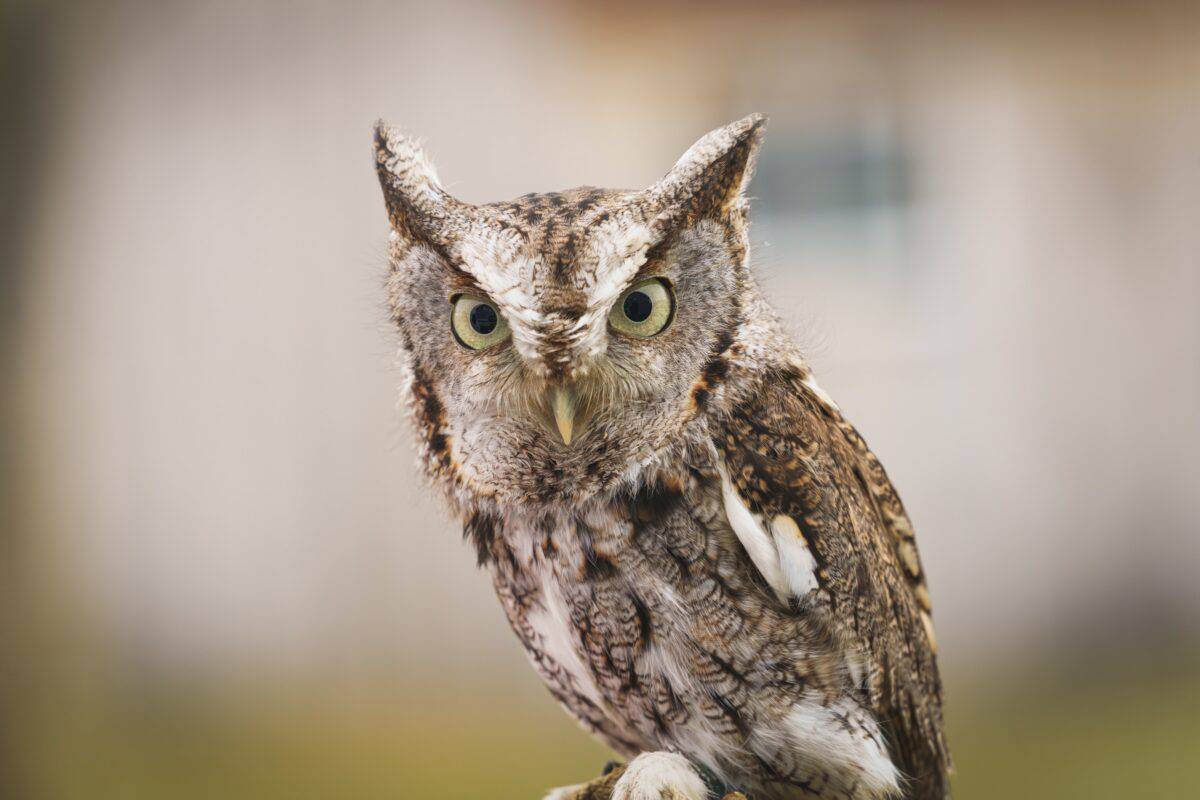
The eastern screech owl’s mottled plumage provides exceptional camouflage, blending seamlessly with the bark of trees. This small owl is a nocturnal hunter, and its cryptic coloration helps it remain undetected during daylight hours. When nestled in tree cavities or branches, the owl’s feathers replicate the texture and coloration of tree bark with striking accuracy.
5. Leaf Insect

Native to South and Southeast Asia, the leaf insect is a masterful mimic of its namesake. Its body structure flawlessly imitates the shape, veins, and even the browning of a real leaf, allowing it to disappear among the foliage. Predators are easily fooled, as even a gentle breeze causes the leaf insect to sway and make an actual leaf, enhancing its disguise.
6. Octopus

Thanks to its chromatophore, octopus is renowned for its ability to change color and texture in the blink of an. This ability extends to imitating other objects in the environment, such as rocks or coral, making Ihiman an adept escape artist in the marine world. The octopus’s mimicry skills are not limited to camouflage but also extend to imitating other animals, adding another layerthe its formidable survival toolkit.
7. Chameleon

Among the most famous camouflage artists, chameleons have an incredible ability to change their skin color. This skill is used not only for undercover but also for communication and temperature regulation. Chameleon skin contains various layers of specialized cells that can reflect light differently, thus changing color to match their environment or convey messages to other chameleons.
8. Peppered Moth

The peppered moth is often cited in studies of natural selection, especially in the context of industrial melanism. In pre-industrial England, the light-colored moths were well camouflaged against lichen-covered trees. However, during the Industrial Revolution, soot-blackened these trees, and the darker-colored moths thrived due to their superior camouflage. This example illustrates how environmental changes can influence the evolution of camouflage.
9. Stonefish
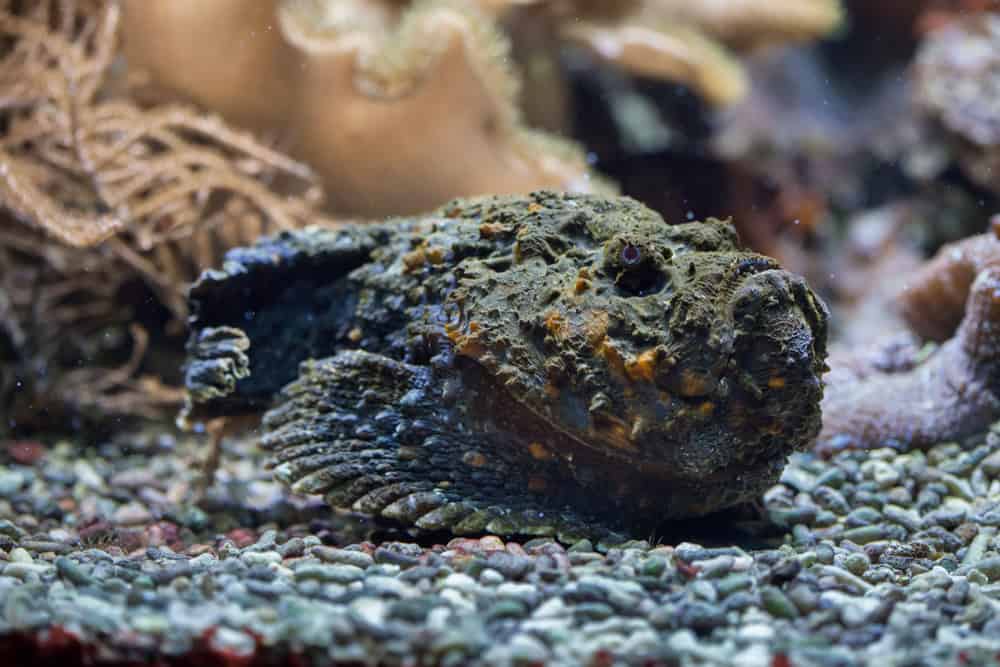
Considered one of the most venomous fish in the world, the stonefish’s camouflage is vital for both predation and protection. Its warty, textured body looks remarkably like an encrusted rock or piece of coral, making it almost invisible on the ocean floor. This disguise enables the stonefish to ambush unsuspecting prey while also deterring predators by blending seamlessly into the vibrant but perilous reef environment.
10. Walking Stick Insect

Possibly one of the most successful insect mimics, the walking stick insect has evolved to look just like a twig or branch. This excellent mimicry allows it to remain undetected on trees and bushes, safe from the scrutiny of predators. Found worldwide, this insect’s protective disguise is enhanced by its slow, deliberate movements, convincingly mimicking the sway of a stick in the breeze.
Conclusion
The art of camouflage is a testament to nature’s adaptive ingenuity. Each animal in this list showcases unique strategies honed over generations, highlighting the intricate relationship between organisms and their environments. As we continue to study these remarkable creatures, understanding their survival techniques enriches our appreciation of biodiversity and the delicate balance of ecosystems.

As a little kid, I fell in love with nature, wildlife, and animals. Living in the USA, South Africa, Italy, China and Germany gave me the opportunity to discover the world's Wildlife. My favorite animals are Mountain Gorillas, Siberian Tigers, and Great White Sharks.
I'm a certified PADI Open Water Diver, went to Everest Base Camp and Trekked Gorillas in Uganda. I hold a Master of Science in Economics and Finance.
Please send any feedback to feedback@animalsaroundtheglobe.com
- 13 Cat Breeds That Get Along with Dogs - July 20, 2026
- The 12 Largest Dog Breeds That Still Love to Cuddle - July 20, 2026
- 12 Pet Habits That Secretly Mean They Love You - July 20, 2026