


The snow leopard, often hailed as the “ghost of the mountains,” roams the rugged mountain landscapes of Central and South Asia. Its scientific name, Panthera uncia, resonates with an aura of mystery, much like the cat itself. Renowned for its elusive nature, the snow leopard employs exceptional stealth to slip through its harsh habitat undetected. Despite its prowess, there’s more to the survival story of this majestic feline than its camouflage and stealth.
Adapting to the Heights Not Just a Stealthy Pursuit

Living at altitudes of between 9,800 to 17,000 feet, snow leopards are perfectly adapted to frigid and rocky landscapes. They boast long, thick fur, and their large nasal cavities warm the cold mountain air before it reaches their lungs. However, stealth alone does not guard against the challenges imposed by their environment. The scarcity of prey in these high terrains demands more than just sneaky tactics.
The snow leopard’s adaptability is crucial. Its ability to hunt efficiently in the daytime, when other predators might falter in visibility, and to successfully traverse steep, snow-covered regions demonstrates its evolutionary finesse. Yet, even with such adaptations, environmental challenges pose significant barriers to their continued survival.
The Circle of Life Ecological Importance

Snow leopards play a significant role in their ecological niche as top predators. They help control the population of herbivores like wild sheep and goats, thus maintaining a balanced ecosystem. This equilibrium is vital for the vegetation of these regions, which in turn supports a variety of other wildlife. The survival of snow leopards sustains this natural order that, if disrupted, could lead to the degradation of the entire ecosystem.
Their stealth allows snow leopards to be efficient hunters, but their ecological role extends far beyond their predatory capabilities. It’s a symbiotic connection that hinges on both their survival and that of the environment they inhabit, illustrating that their continued existence is interwoven with the health of the broader ecosystem.
Threats Beyond the Highland Shadows

Despite their elusive nature, snow leopards face numerous threats that undermine their survival instincts. Human encroachment into their territory has resulted in habitat fragmentation, while climate change is altering the landscapes they depend on. The snow leopard’s stealth cannot shield them from these pervasive threats.
Additionally, they are threatened by poaching, driven by demand for their beautiful fur and bones, which are mistakenly believed to have medicinal properties. Retaliation killings, when locals target leopards to protect their livestock, further exacerbate their plight. These threats illustrate a stark reality where human interaction presents a larger danger to snow leopards than any natural predator ever could.
Conservation Efforts Enlisting Allies for Survival
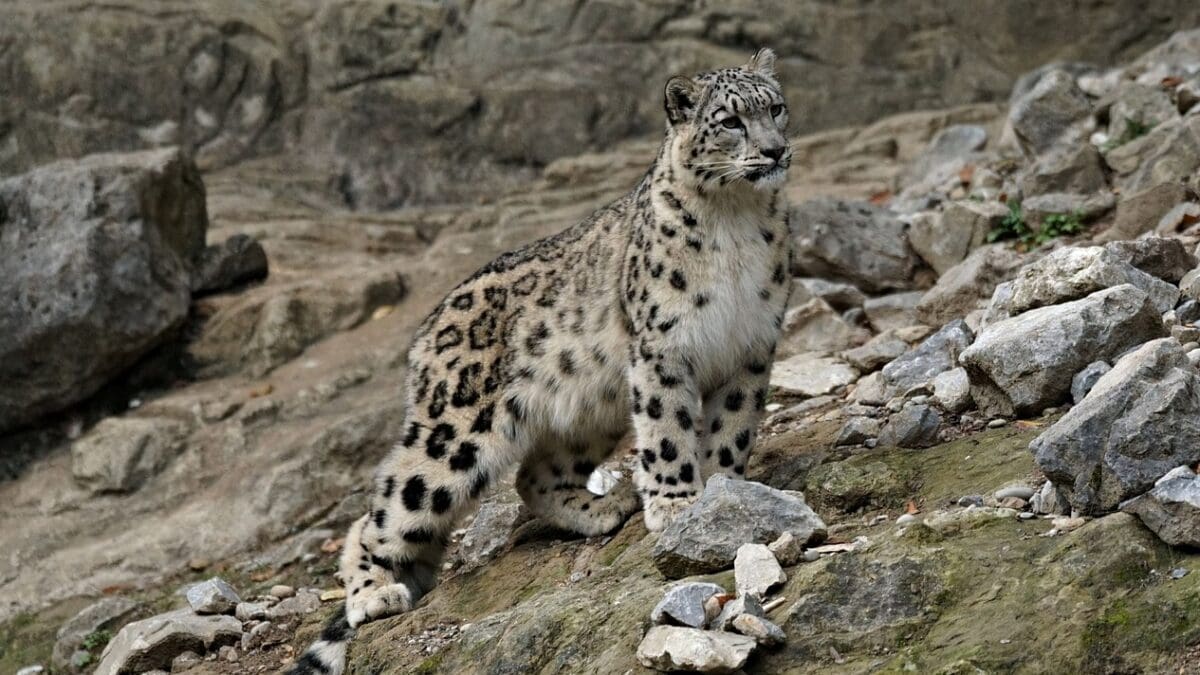
The battle for the survival of the snow leopard extends beyond their cunning abilities. Conservationists and local communities are crucial allies in this fight. Efforts to preserve their habitat through protected areas and implementing sustainable grazing practices are integral to their survival. Raising awareness about their importance and promoting eco-friendly tourism can help support conservation financially and ethically.
Community engagement initiatives strive to mitigate human-snow leopard conflicts. Strategies such as reinforcing livestock enclosures and promoting alternative livelihoods reduce the need for retaliatory killings. By working hand in hand with local communities, conservationists aim to fortify the cooperation between humans and snow leopards.
A Future Dependent on Collective Action
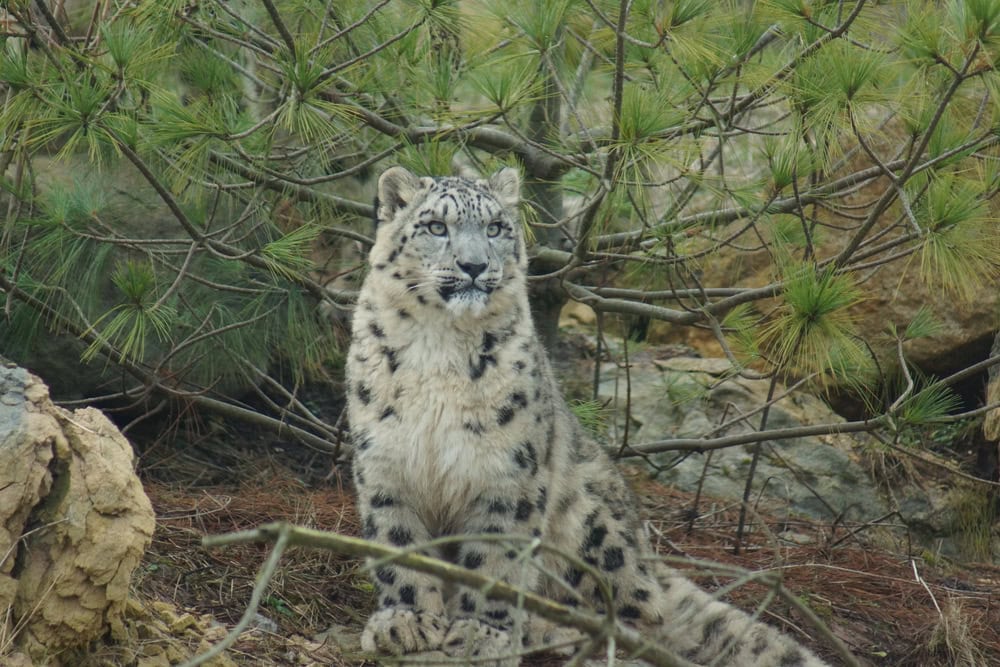
In conclusion, while the snow leopard’s stealth is legendary, it is insufficient to tackle the multifaceted challenges they face. Their survival is a testament to adaptation but hinges greatly on human actions. Conservation strategies that integrate local communities and foster sustainable practices are vital for ensuring that these magnificent creatures continue to grace the heights of the Himalayas and beyond.
Ensuring the future of the snow leopard requires understanding their pivotal role in the ecosystem and recognizing the threats they face. By supporting holistic conservation efforts, we not only secure the snow leopard’s place in the wild but also uphold the integrity of the biodiversity that sustains all life on Earth.

As a little kid, I fell in love with nature, wildlife, and animals. Living in the USA, South Africa, Italy, China and Germany gave me the opportunity to discover the world's Wildlife. My favorite animals are Mountain Gorillas, Siberian Tigers, and Great White Sharks.
I'm a certified PADI Open Water Diver, went to Everest Base Camp and Trekked Gorillas in Uganda. I hold a Master of Science in Economics and Finance.
Please send any feedback to feedback@animalsaroundtheglobe.com
- 15 Gardening Tips That Are a Hummingbird’s Nightmare (— Avoid #4 at All Costs) - July 23, 2026
- 15 Most Misunderstood Dog Breeds - July 23, 2026
- 14 Dog Breeds That Do not Need Much Exercise - July 23, 2026