

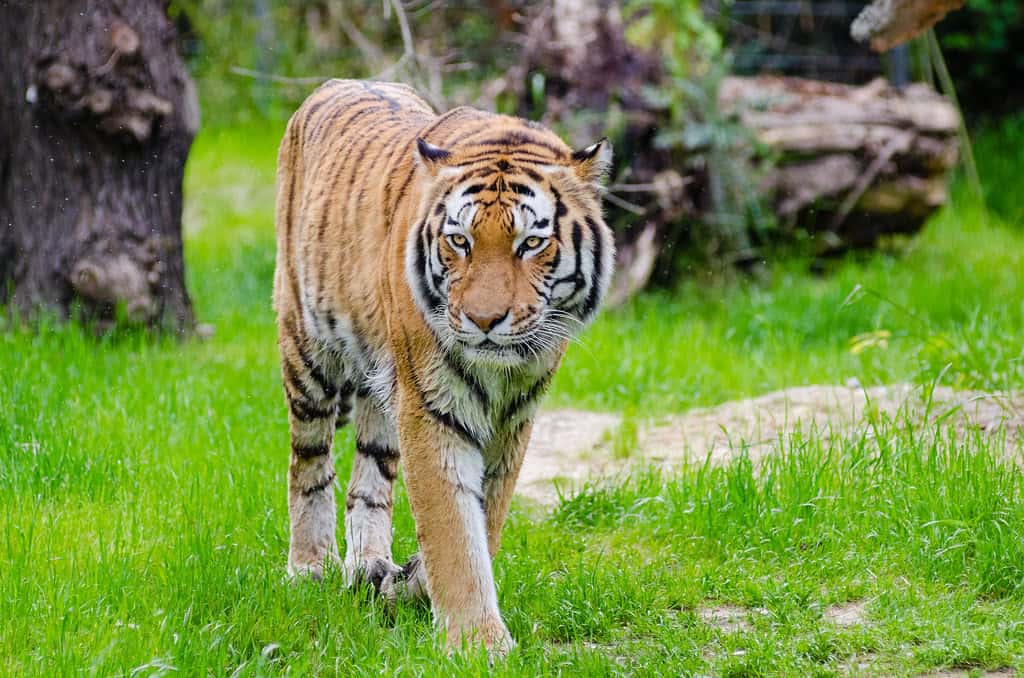
Few wildlife experiences compare to the thrill of seeing a tiger in its natural habitat. These magnificent apex predators—with their distinctive orange coats, black stripes, and powerful builds—represent the pinnacle of wildlife viewing for many nature enthusiasts. However, spotting tigers in the wild requires patience, knowledge, and proper preparation. This comprehensive guide will equip beginners with essential information to maximize their chances of encountering these elusive big cats while respecting wildlife and staying safe.
Understanding Tiger Distribution and Habitat

Tigers historically ranged across vast regions of Asia, from Turkey to eastern Russia and south to Indonesia. Today, wild tigers primarily inhabit fragmented forests across 13 countries: India, Nepal, Bhutan, Bangladesh, Russia, China, Myanmar, Thailand, Malaysia, Indonesia, Cambodia, Laos, and Vietnam. The largest populations exist in India (approximately 3,000 tigers), followed by significant numbers in Russia’s Far East, Nepal, and Bhutan.
Tigers prefer diverse habitats including tropical rainforests, evergreen forests, mangrove swamps, grasslands, and taiga. They require access to water, sufficient prey, and dense vegetation for cover. Understanding these distribution patterns is crucial for planning tiger-spotting expeditions. The most reliable sightings tend to occur in protected areas with established tiger conservation programs and tourism infrastructure.
Choosing the Right Destination

For beginners, certain tiger reserves and national parks offer significantly better viewing opportunities than others. India’s tiger reserves—particularly Ranthambore, Bandhavgarh, Kanha, and Jim Corbett—provide some of the highest success rates for tiger sightings globally. These parks combine healthy tiger populations with open terrain that facilitates viewing. Nepal’s Bardia and Chitwan National Parks offer excellent opportunities with fewer tourists.
For those seeking Siberian (Amur) tigers, Russia’s Durminskoye Reserve provides specialized viewing programs, though sightings are less predictable than in South Asia. Sundarbans mangrove forests spanning Bangladesh and India house a unique population of swimming tigers, though dense vegetation makes sightings challenging. Research seasonal visitation patterns before booking; many parks close during monsoon seasons, and extreme heat can reduce tiger activity. The ideal tiger safari combines good viewing potential with quality guides and accommodation within your budget.
Best Times for Tiger Spotting

Timing your visit correctly dramatically impacts success rates for tiger sightings. Tigers are most active during cooler periods of the day, making early mornings (6:00-9:00 AM) and late afternoons (4:00-6:30 PM) prime viewing times. During the intense midday heat, especially in summer months, tigers typically rest in shade or cool off in water bodies. Seasonally, the hot, dry months from March to June offer the best viewing conditions in the Indian subcontinent as vegetation thins out and tigers concentrate around remaining water sources.
During this period, success rates at premier parks like Ranthambore can exceed 80% per three-day visit. Winter months (November-February) provide comfortable temperatures but denser vegetation. Monsoon season (July-September) generally results in park closures in India but can be excellent for viewing in Nepal. Female tigers with cubs often become more visible when the young are 4-6 months old and beginning to explore. The mating season, typically December to March, may increase activity and vocalization.
Essential Equipment for Tiger Safaris

Proper equipment enhances both your viewing experience and safety during tiger safaris. Binoculars with 8×42 or 10×42 magnification offer the ideal balance of magnification and field of view for wildlife observation. A camera with a telephoto lens (minimum 300mm, ideally 400-600mm) allows for detailed photographs without disturbing the animals. Dress in neutral, earth-toned clothing (avoid bright colors or white) that blends with the environment.
Layer appropriately for temperature variations; mornings can be cool even in tropical regions. A wide-brimmed hat, high-SPF sunscreen, and insect repellent are essential for sun protection and comfort. Bring a water bottle, as safaris can last several hours and dehydration is a risk, especially in hot climates. A small notebook for recording observations enhances your experience and helps with species identification. For serious photographers, consider a beanbag or other camera support that works in safari vehicles. Remember that heavy tripods are often impractical or prohibited on game drives.
Understanding Tiger Behavior and Signs
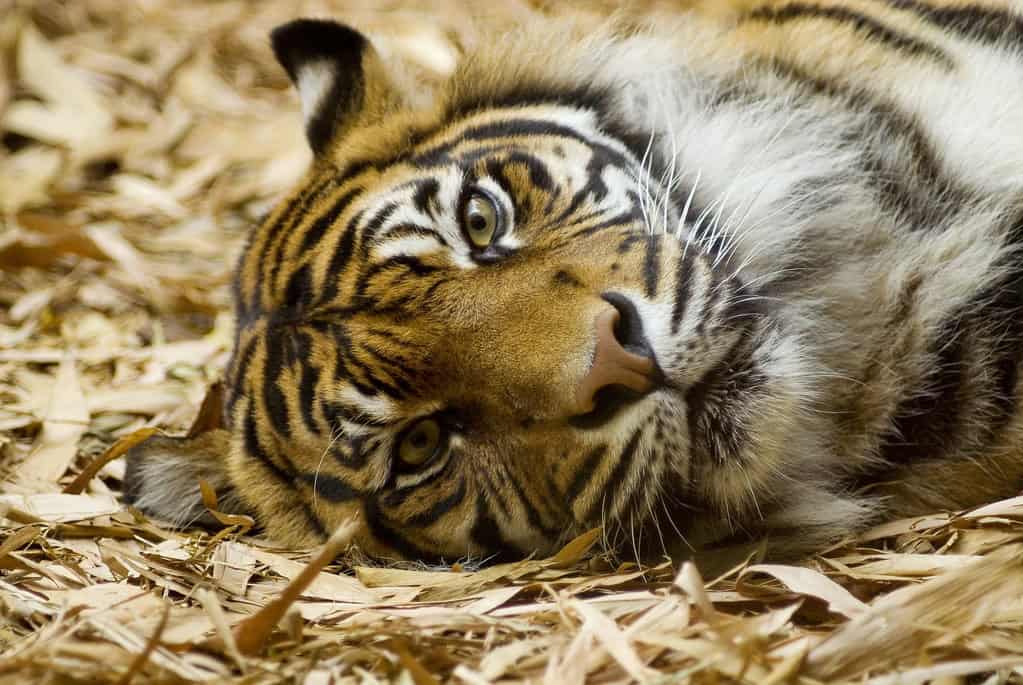
Recognizing tiger behavior patterns and signs significantly improves your chances of successful sightings. Tigers are territorial animals, patrolling and marking specific routes within their territories that can span 20-100 square kilometers. They communicate through scent marking, scratching trees, and leaving scat in prominent locations along these routes. Listen for alarm calls from prey species like deer and monkeys—these often indicate a tiger’s presence nearby.
Fresh pug marks (footprints) in soft ground suggest recent tiger activity; adult tiger prints measure approximately 15-18 cm in length. During hot weather, tigers frequently cool off in water bodies, making lakes and streams productive observation points. Tigers hunt primarily between dusk and dawn, so early morning drives may reveal tigers returning from nocturnal hunts. Females with cubs typically maintain smaller ranges centered around secure denning sites. Experienced guides can interpret subtle environmental cues that indicate tiger presence, making their expertise invaluable.
Safari Etiquette and Safety Protocols

Proper safari etiquette not only increases sighting opportunities but ensures safety for all participants. Always maintain silence during game drives, as human voices can alert tigers to your presence long before visual contact. Keep all body parts inside the safari vehicle at all times—this is a non-negotiable safety rule. Never pressure guides to approach tigers too closely; maintain the minimum distance regulations (usually 20-50 meters) established by park authorities. Flash photography disturbs wildlife and is typically prohibited.
If on foot (only with authorized guides in permitted areas), follow instructions precisely and never attempt to approach tigers for better photographs. Remain seated in vehicles during tiger sightings to avoid triggering defensive responses. Never bring food items with strong odors on safari, as these can attract wildlife to vehicles. If walking in tiger habitat, walk in groups, make noise at intervals to announce your presence, and avoid moving through dense undergrowth where visibility is limited. Remember that tigers typically avoid humans, and attacks are extremely rare when proper protocols are followed.
Choosing Qualified Guides and Tours

The expertise of your guide often makes the difference between successful tiger sightings and disappointing excursions. Research tour operators thoroughly, focusing on those specializing in wildlife or specifically tiger safaris. Look for guides with formal naturalist training and multiple years of experience in tiger habitats. Reviews from previous clients can provide insight into a guide’s knowledge and success rate. Ethical operators prioritize animal welfare over guaranteed sightings and maintain appropriate distances from wildlife.
Local guides often possess invaluable knowledge about individual tigers’ territories and habits that can significantly increase sighting probability. Consider the guide-to-client ratio; smaller groups allow for more personalized attention and quieter approaches. Premium guides combine tracking skills with broader knowledge about ecosystems and conservation, enriching your overall experience. Some renowned operators include Naturetrek, Wildlife Worldwide, and Pugdundee Safaris, though many excellent local guides operate independently or through smaller companies. Book well in advance (6-12 months) for peak season visits to popular tiger reserves.
Differentiating Tigers from Other Big Cats

For beginners, correctly identifying tigers and distinguishing them from other big cats is essential for accurate wildlife observation. Tigers are the largest wild cats, with males weighing 180-260 kg (400-570 lbs) and measuring up to 3 meters (10 feet) in length. Their orange coat with black stripes provides a unique identification marker—no two tigers share identical stripe patterns. Unlike leopards, which have rosettes rather than stripes, tigers have white spots on the backs of their ears and lack spots on their bodies.
Lions, where their ranges historically overlapped with tigers in India, lack stripes entirely and males possess distinctive manes. Tigers have more rounded faces than the other big cats and often appear more heavily built through the shoulders. Their tracks show no claw marks (as their claws are retractable) and are larger than leopard prints. Bengal tigers are the most commonly seen subspecies, while Siberian tigers appear lighter in color with longer, thicker fur. Tigers also move with a distinctive, powerful gait that differs from the stealthy movement of leopards or the confident stride of lions.
Photography Tips for Tiger Safaris

Capturing compelling tiger photographs requires specific techniques and preparation. Before your trip, become thoroughly familiar with your camera settings to avoid fumbling during fleeting sighting opportunities. Use continuous autofocus (AF-C or AI Servo) mode for moving subjects and burst shooting to capture behavioral sequences. For tigers in forest environments, increase your ISO setting (typically 400-1600 depending on conditions) to maintain faster shutter speeds (minimum 1/500s) necessary to freeze action. Position yourself to capture catchlights in the tiger’s eyes, which bring portrait shots to life.
Early morning and late afternoon light provides warm tones that complement the tiger’s orange coat, while midday sun creates harsh shadows and contrast. Rather than just capturing “identification shots,” try to document behavior that tells a story—tigers cooling in water, interacting with cubs, or stalking prey. Include environmental context when possible to show the animal in its habitat. Safari vehicles may shake during excitement, so stabilize your camera against a beanbag or the vehicle frame. Finally, respect distance regulations and never risk an animal’s well-being or your safety for a photograph.
Conservation Challenges and Responsible Tourism

Understanding tiger conservation challenges provides context for your wildlife viewing experience and helps promote responsible tourism practices. Tigers face multiple threats including habitat loss, poaching for traditional medicine markets, human-wildlife conflict, and prey depletion. Current wild tiger populations represent just 7% of their historical numbers, with approximately 4,500 tigers remaining across all subspecies. By choosing parks that reinvest tourism revenue into conservation, you directly support protection efforts. Responsible operators limit vehicle numbers around tiger sightings, maintain appropriate distances, and respect animal behavior patterns.
Never encourage guides to pursue stressed animals or disturb hunting or mating behaviors for better viewing. Support local communities surrounding tiger habitats through patronizing community-owned businesses, as local economic benefits create incentives for conservation. Consider contributing to reputable tiger conservation organizations like the World Wildlife Fund or Wildlife Conservation Society. Be aware that some tourism operations advertise “tiger encounters” with captive animals; these typically involve controversial practices and contribute nothing to conservation of wild populations. The most ethical tiger tourism educates visitors about conservation challenges while providing authentic wilderness experiences.
Alternative Methods for Experiencing Tigers

Beyond traditional game drives, several alternative methods can enhance your tiger-viewing experiences. Walking safaris, permitted in select areas with armed guides, provide intimate connections with tiger habitat and tracking opportunities, though actual sightings are less common than from vehicles. Hides or blinds positioned near water sources or known tiger routes allow for unobtrusive observation and excellent photography opportunities. These typically require sitting quietly for extended periods but may reward patience with close, natural tiger behavior. Night drives, where permitted, offer glimpses into nocturnal activities using specialized spotlights with red filters that don’t disturb wildlife.
Camera trap workshops teach participants to set and monitor trail cameras, potentially capturing images of tigers and other wildlife without human presence. Some reserves offer elephant-back patrols that can access areas inaccessible to vehicles, though ethical considerations regarding elephant welfare should be researched before booking. Volunteer programs with research teams provide deeper engagement with conservation efforts, though these typically involve more habitat work than guaranteed sightings. River safaris in the Sundarbans offer unique opportunities to see the rare swimming tigers of the mangrove forests, though success rates are lower than in drier habitats.
Managing Expectations and Maximizing Enjoyment

Setting realistic expectations is crucial for enjoying tiger safaris, regardless of sighting success. Even in prime tiger habitats with expert guides, sightings are never guaranteed. Multiple game drives (minimum 4-6) significantly increase your chances compared to single excursions. Appreciate the entire ecosystem rather than focusing exclusively on tigers; the habitats supporting these apex predators contain remarkable biodiversity including other mammals, birds, and reptiles. The quality of a tiger sighting matters more than quantity—a brief glimpse of natural behavior often proves more memorable than prolonged viewing of a sleeping animal.
Weather conditions, recent prey movements, and tiger breeding cycles all influence activity patterns in ways that cannot be predicted. Keep a wildlife journal documenting all species encountered, not just tigers. This creates a more holistic safari experience and appreciation for conservation. Many experienced wildlife enthusiasts consider the anticipation and search as rewarding as the sighting itself. If you do encounter a tiger, remain present in the moment rather than focusing exclusively through a camera viewfinder. These rare encounters represent privileged glimpses into the lives of Earth’s most magnificent predators.
Conclusion: The Privilege of Tiger Encounters

Encountering a wild tiger represents one of nature’s most profound privileges—a moment when modern human existence intersects with primordial wildness. By preparing properly, choosing ethical operators, practicing patience, and respecting wildlife, beginners can maximize their chances of successful tiger viewing while contributing to conservation efforts.
Remember that every wild tiger sighting directly supports the economic argument for protecting these magnificent animals and their habitats for future generations. Beyond the immediate thrill of seeing these iconic predators, tiger safaris foster deeper connections with natural systems and understanding of conservation challenges. Whether your first expedition results in intimate tiger encounters or simply new appreciation for wild places, the journey into tiger country promises to transform your perspective on wildlife and wilderness preservation.

From exploring the marine wonders in the Azores and witnessing the vast savannas of Kenya, to delving deep into the rich biodiversity of South Africa and traversing iconic landscapes in Australia and the US like Yellowstone, Chris's experiences are vast.
With a penchant for diving alongside sharks, the ocean holds a special place in his heart.
Through his academic insights, he champions wildlife conservation, striving with 'Animals Around The Globe' to cultivate a profound connection between humans and animals, enhancing our mutual appreciation.
Connect with him at Feedback@animalsaroundtheglobe.com.
- The Sacred Goose of Ancient Rome: Protector of the Capitol - July 21, 2026
- Top 10 Animal Encounters in Europe - July 21, 2026
- The Lizard That Shoots Blood From Its Eyes - July 21, 2026