

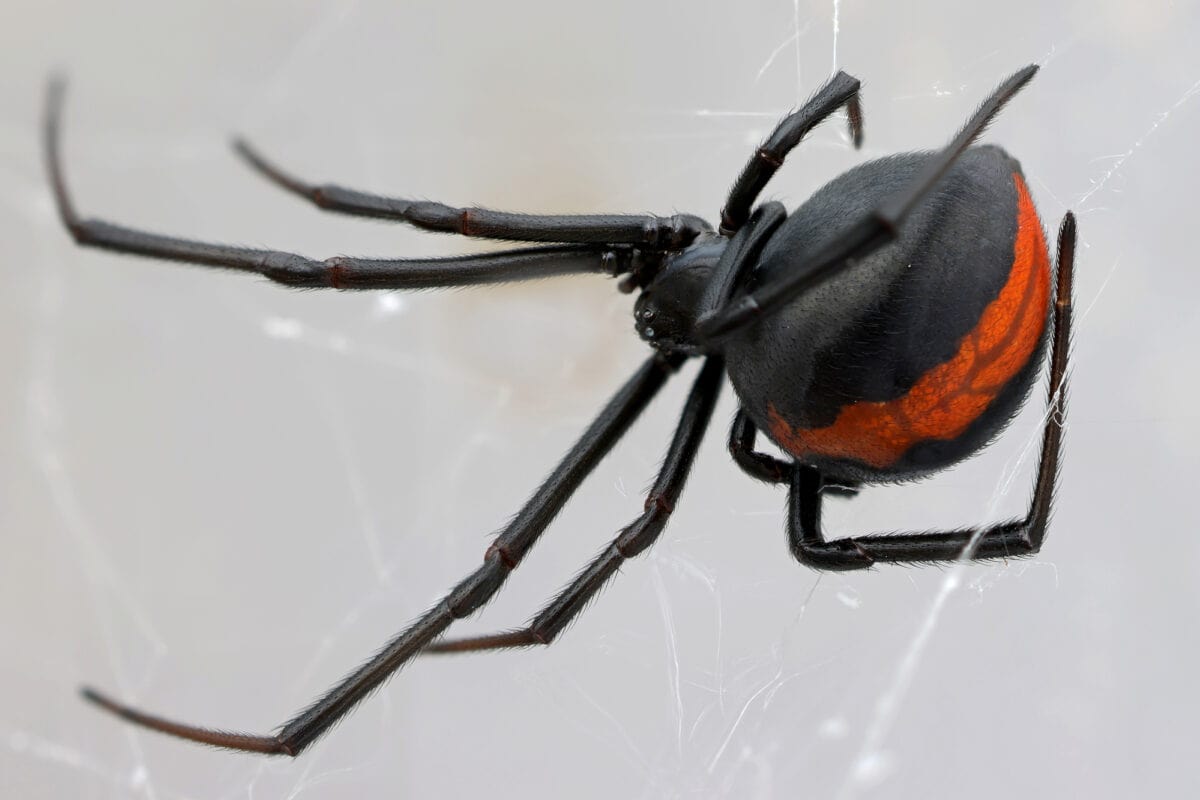
The redback spider (Latrodectus hasselti) is a fascinating arachnid native to Australia, known for its potent venom and distinctive red stripe on its abdomen. However, one of the most intriguing aspects of the redback spider is the male’s unique mating behavior—where self-sacrifice is not just common, but a crucial part of their reproductive strategy. Understanding why and how male redback spiders engage in such ritualistic sacrifice offers insights into the complexities of spider biology and the evolutionary forces that shape their behavior.
The Mating Dance: How and Why It Happens
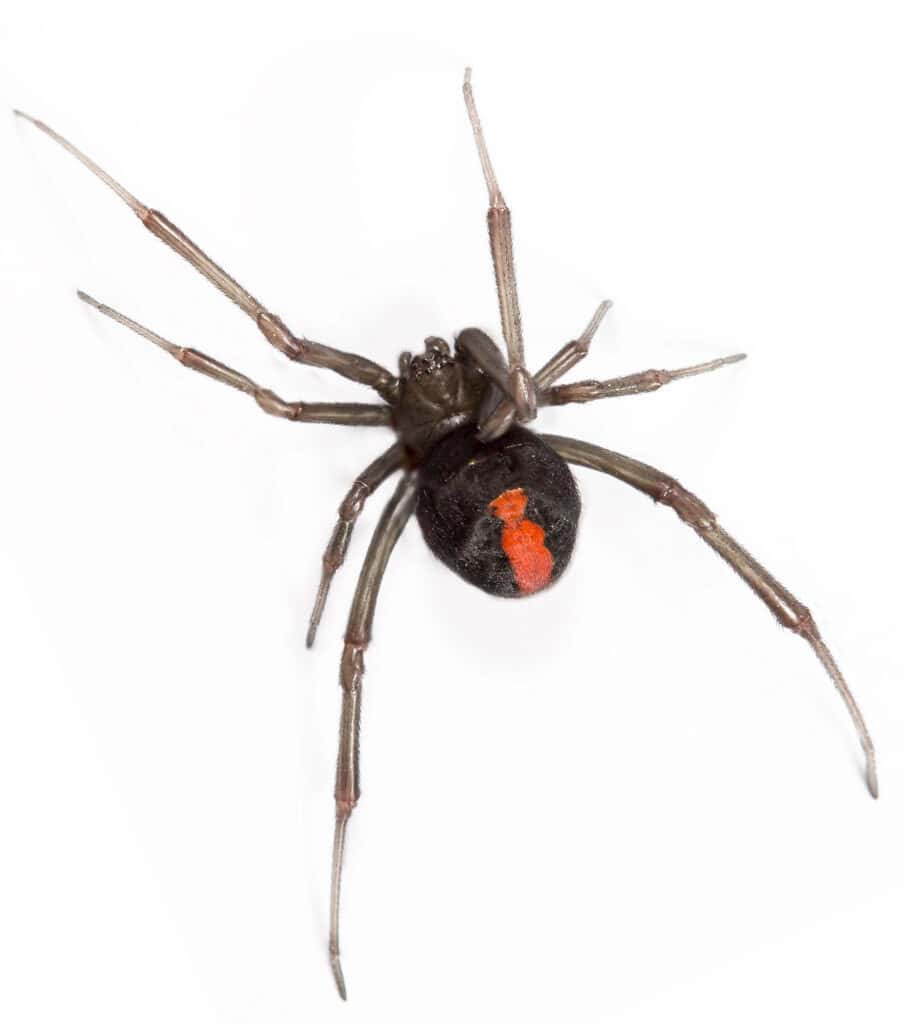
The mating process of the redback spider is a perilous affair, primarily for the male. As the males mature, their singular life goal becomes finding a mate. Once he locates a female, he presents himself with a kind of courtship display, which involves rhythmic movements and silk-laying that serve to reduce the female’s aggression. The aim here is to gain safe access to the female’s reproductive organs, located on the underside of her body.
Interestingly, during the mating process, the male performs a somersault, effectively positioning himself above the female’s jaws. This intentional act increases the likelihood that the female will devour him before the mating concludes. This macabre sacrifice might seem counterintuitive at first glance, but it is a calculated move driven by evolutionary benefits.
Why Do Males Sacrifice Themselves?

The male redback’s self-sacrifice has sparked significant interest and study among biologists. There are several theories to explain this behavior, primarily focused on maximizing reproductive success. Given the relatively short lifespan of male redbacks and their limited opportunities for mating, investing all resources into a single successful mating session can be advantageous.
Firstly, cannibalism by the female increases the likelihood of the male’s sperm fertilizing her eggs. By sacrificing himself, the male may prolong copulation, thereby delivering more sperm and enhancing his chances of fathering offspring. Secondly, this dramatic act can decrease the likelihood of the female mating with another male, making it more probable that only the sacrificial male’s genetic material will be passed on.
The Female Perspective
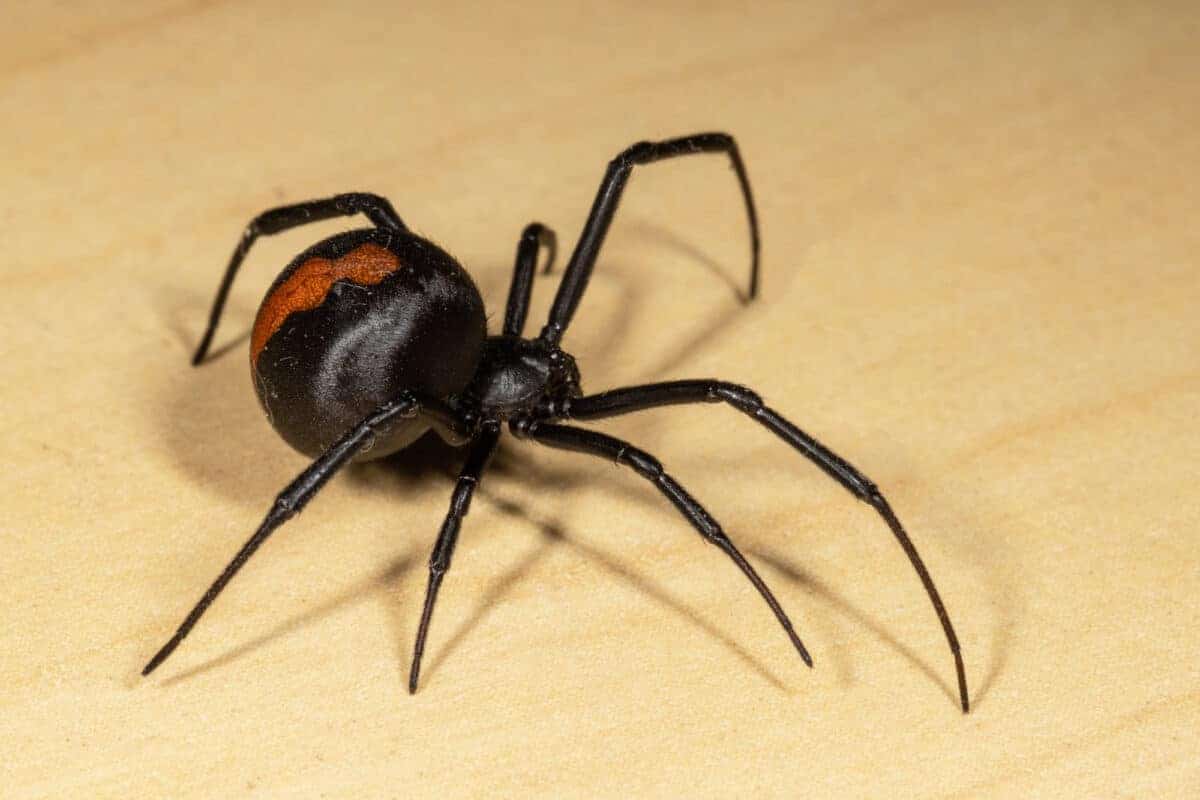
While the male’s sacrifice is crucial, the female plays a pivotal role in this process. Female redback spiders are typically larger and can live for many years, mating multiple times. From their perspective, consuming a mate not only provides a nutritious meal but also contributes to higher reproductive output. By consuming the male, the female gains additional resources that she can invest in her eggs, potentially increasing the viability of her offspring.
However, it’s important to note that not all males succumb to cannibalism. Some manage to escape post-mating, although these individuals often exhibit lower reproductive success compared to their sacrificial counterparts. This dynamic highlights the intricate balance of survival and reproductive strategies within this species.
Evolutionary Implications and Research Insights
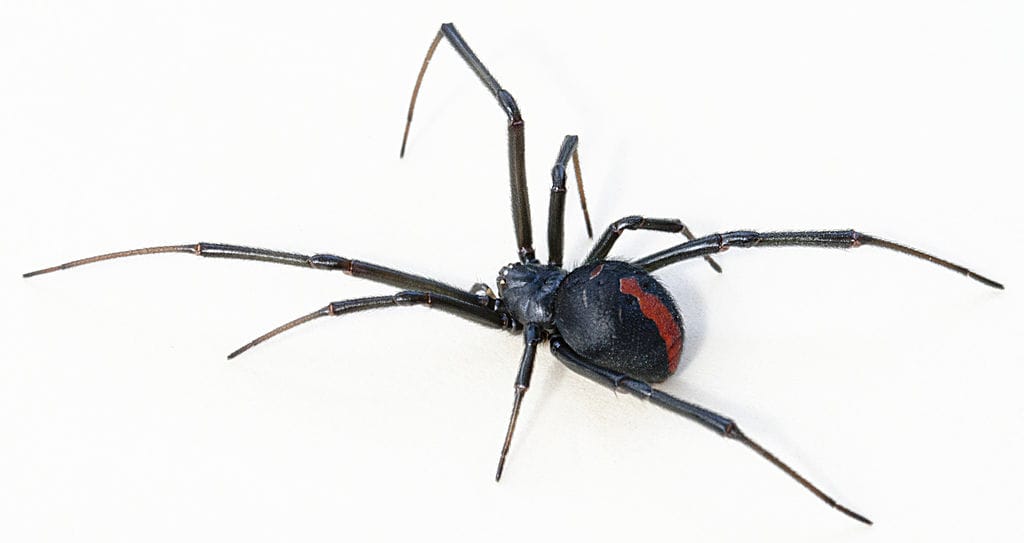
The self-sacrificial behavior of male redbacks exemplifies the concept of sexual cannibalism and provides insightful case studies into sexual selection and evolutionary biology. Research into this peculiar mating system reveals how extreme behaviors can evolve when they offer a reproductive advantage. The redback spider’s mating dynamics challenge our perceptions of natural selection, as they demonstrate that, in some environments, reproductive success can outweigh individual survival.
Continued research on redback spiders not only adds to our understanding of arachnid biology but also enriches our knowledge about the diversity of life strategies across the animal kingdom. Such insights could even inform ecological management and conservation strategies for other species displaying complex mating behaviors.
Conclusion: The Complexity of Nature
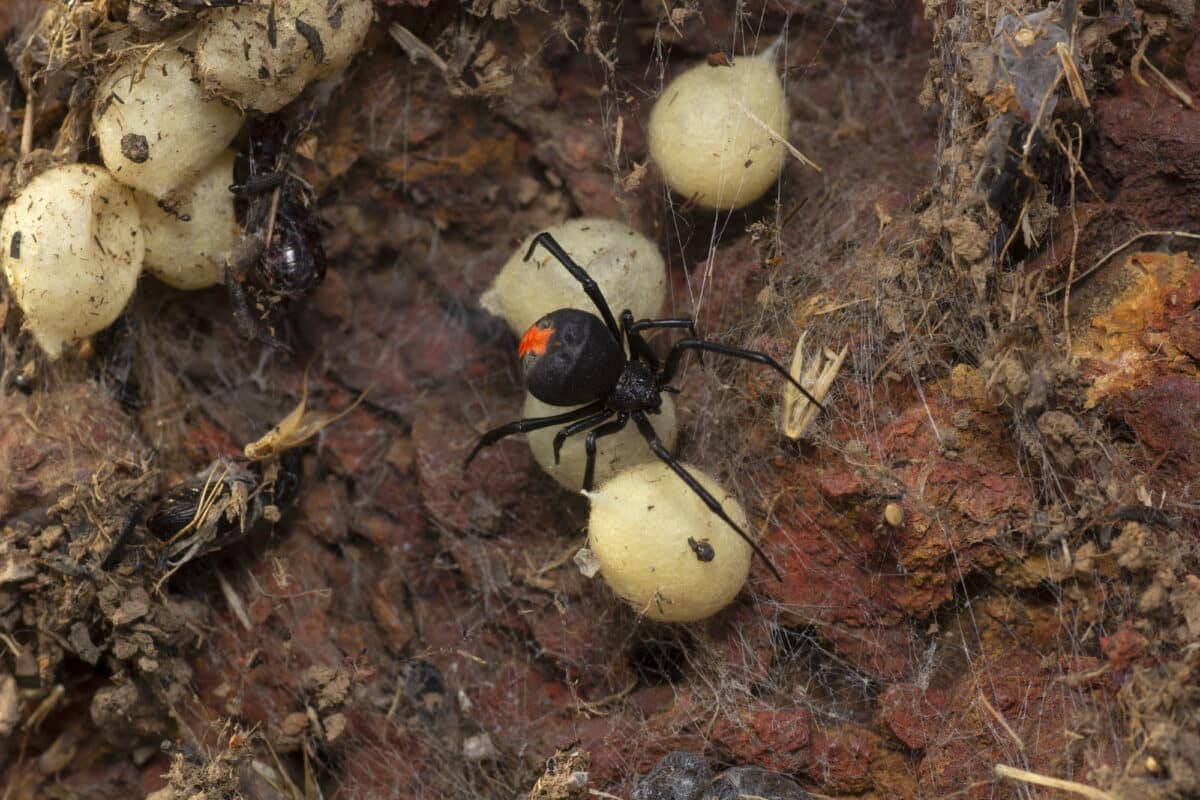
The saga of the male redback spider’s self-sacrifice is a testament to the intricate and sometimes astonishing strategies developed through evolution. While seemingly grim, this behavior serves as a critical adaptation for maximizing reproductive success in a competitive and harsh environment. As we delve deeper into the lives of these small yet complex creatures, we continue to uncover the vast and varied tapestry of the natural world, providing a profound appreciation for the adaptability and resilience of life.

From exploring the marine wonders in the Azores and witnessing the vast savannas of Kenya, to delving deep into the rich biodiversity of South Africa and traversing iconic landscapes in Australia and the US like Yellowstone, Chris's experiences are vast.
With a penchant for diving alongside sharks, the ocean holds a special place in his heart.
Through his academic insights, he champions wildlife conservation, striving with 'Animals Around The Globe' to cultivate a profound connection between humans and animals, enhancing our mutual appreciation.
Connect with him at Feedback@animalsaroundtheglobe.com.
- Could Elephants Really Mourn Their Dead? - July 20, 2026
- How Some Animals Survive on Almost No Food for Months - July 20, 2026
- A Bear Journey Through The USA: 18 Best Bear Photos from 18 US States - July 19, 2026