
Camouflage is a vital survival technique that many animals have honed over time to blend into their surroundings, evade predators, or stealthily hunt for prey. Through evolutionary adaptations, these remarkable creatures have developed astoundingly effective methods of concealment. In this article, we’ll explore six animals that have truly mastered the art of camouflage, delving into the unique features and strategies each employs to navigate their environment.
1. The Leaf-Tailed Gecko

The leaf-tailed gecko, native to the rainforests of Madagascar, is an extraordinary example of camouflage. Resembling a decaying leaf, this reptile’s flat body and fringed skin edges blur its outline, hiding it effectively among twigs and leaves. Its skin’s mottled brown and green tones further enhance its resemblance to its leafy habitat. This camouflage skills not only protect it from predators but also help it ambush unsuspecting insects for meals.
2. The Mimic Octopus
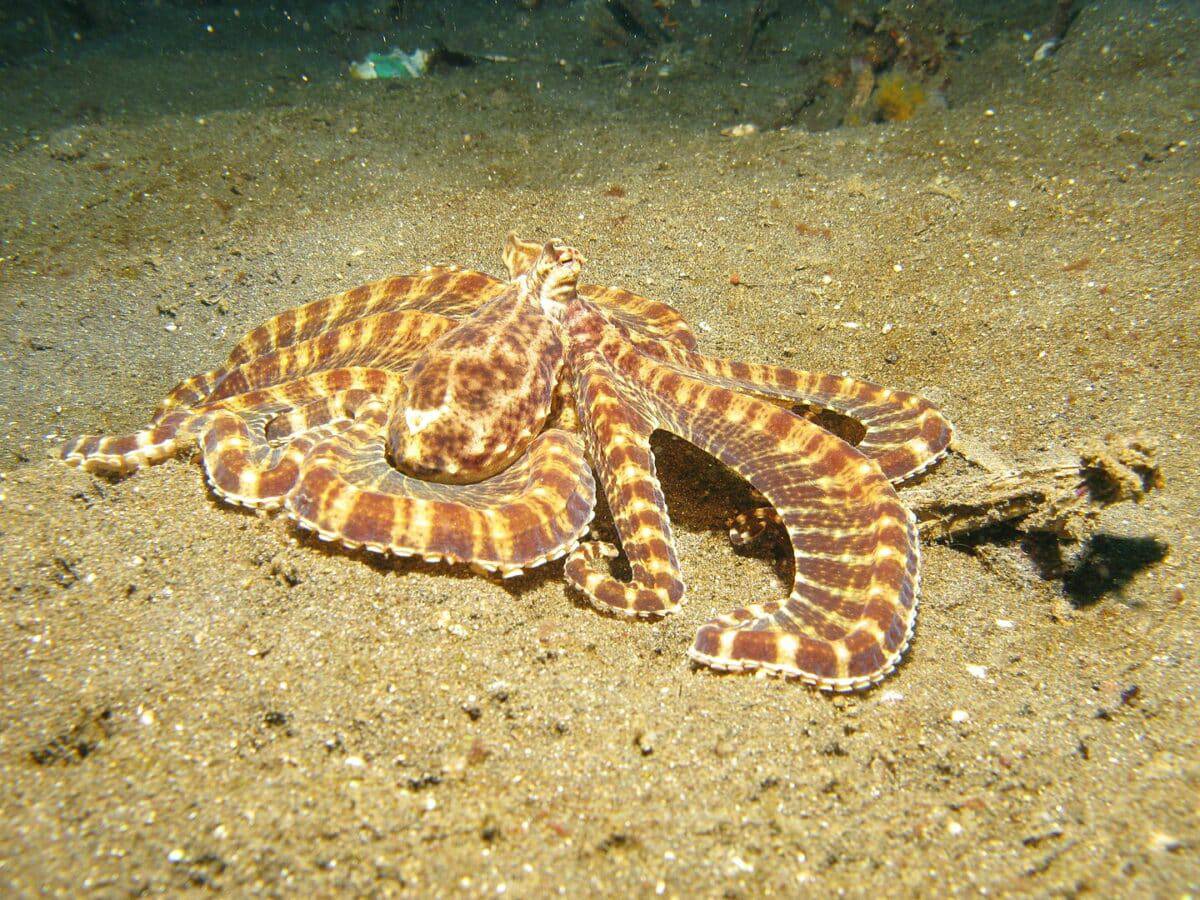
The mimic octopus, found in the shallow waters of Indonesia and Malaysia, can imitate the appearance and movements of over 15 marine species. This includes similarly adaptive sea creatures such as lionfish, flatfish, and even sea snakes. Through rapid changes in skin color and texture, the octopus confuses predators and prey alike. Its ability to morph its body and behavior makes it one of the most versatile creatures in the ocean.
3. The Arctic Hare

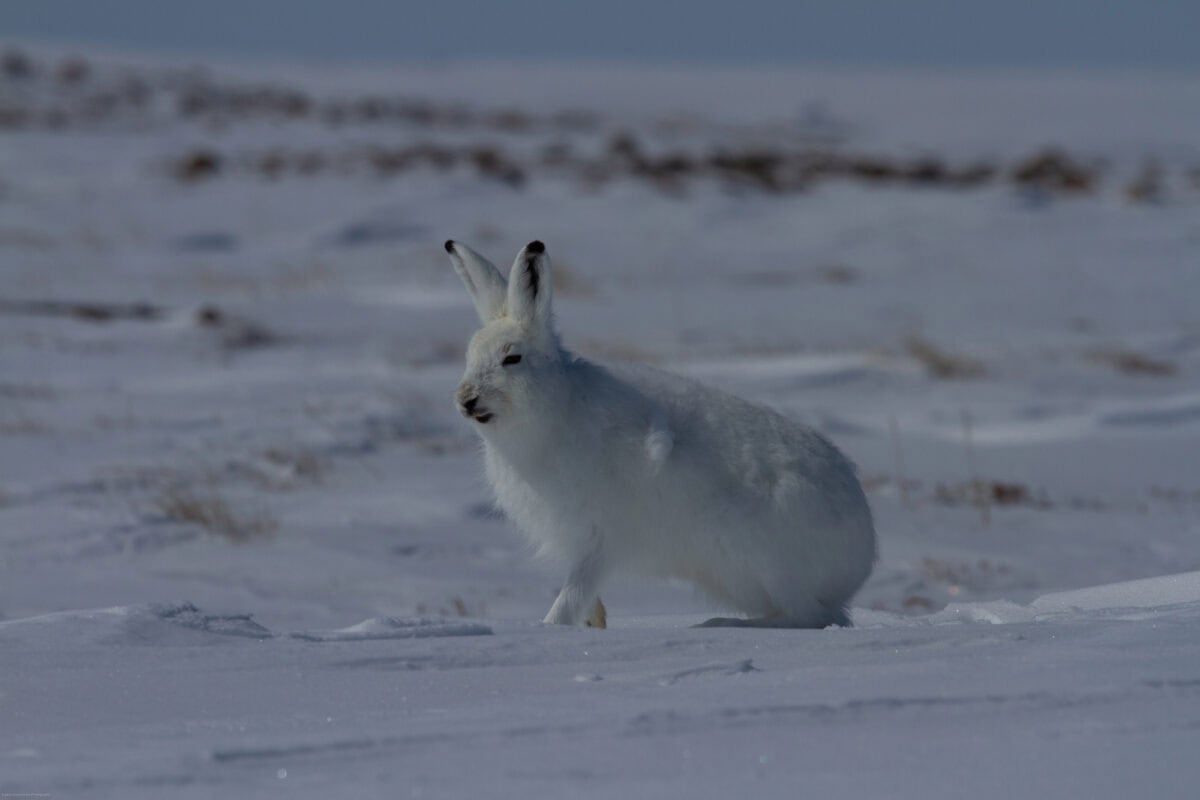
Residing in the snowy tundras of the Arctic, the arctic hare exhibits exceptional seasonal camouflage. During the winter, it sports a pure white coat, blending seamlessly with the snow-covered landscapes. As the seasons change and snow recedes, the hare’s fur transitions to shades of gray and brown, aligning with the earthier tones of summer terrain. This adaptability helps the arctic hare avoid predators such as foxes and lynxes year-round.
4. The Cuttlefish

The cuttlefish, a relative of the octopus and squid, is known for its incredible ability to alter its appearance in an instant. Through specialized skin cells called chromatophores, cuttlefish can change color, pattern, and even skin texture at will. This ability serves various purposes: from communication and mating displays to confounding predators and sneaking up on prey. The dynamics of its camouflage tactics are a subject of much scientific research, underscoring its complexity and effectiveness.
5. The Dead Leaf Moth
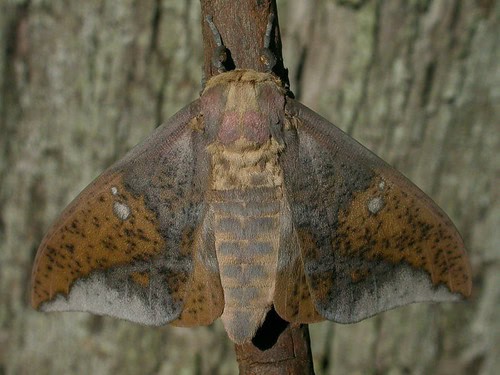
The dead leaf moth, found in the forests of Southeast Asia, takes mimicry to a whole new level. When at rest, it curls its wings and aligns itself to resemble a dead leaf, complete with markings that mimic veins and natural leaf decay. This convincing appearance keeps it safe from predators that overlook it as mere detritus on the forest floor. The dead leaf moth’s survival strategy showcases nature’s artistic brilliance in evolution.
6. The Pygmy Seahorse
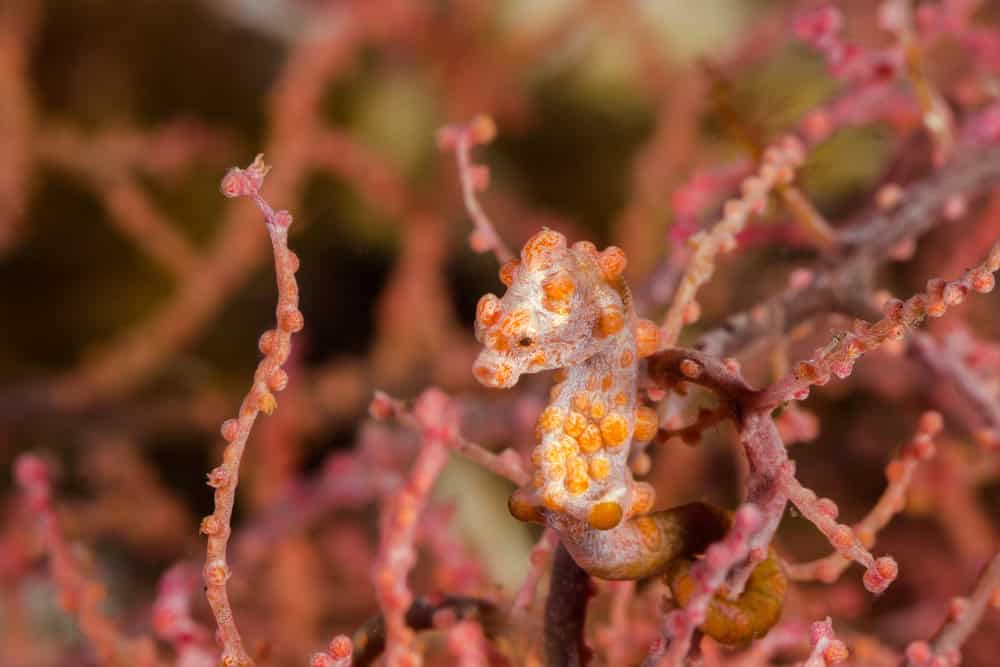
The pygmy seahorse, inhabiting the coral reefs of the Indo-Pacific, has an uncanny ability to resemble the coral it lives amongst. Its tiny body matches the colors and textures of the surrounding coral branches, making it nearly invisible to both predators and divers. Notably, the seahorse’s adaptations include growths that mimic the polyps on coral. This level of camouflage not only provides security but also underscores the intricate relationships within marine ecosystems.
The Marvel of Evolutionary Adaptation
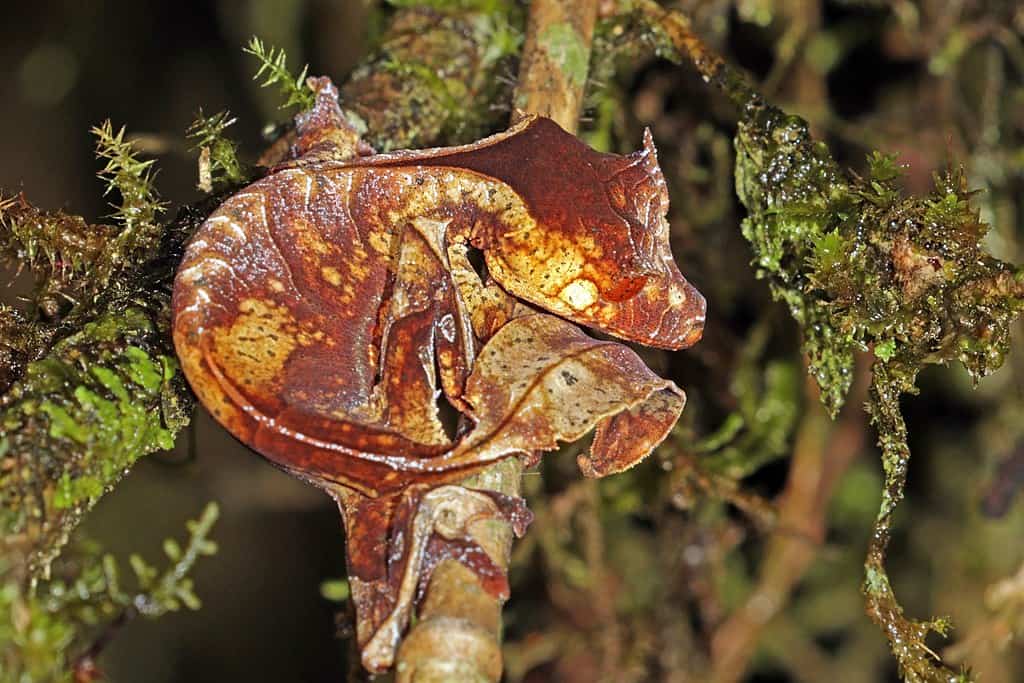
Camouflage is a testament to the incredible ingenuity of evolution, enabling creatures to survive and thrive in diverse environments. The leaf-tailed gecko, mimic octopus, arctic hare, cuttlefish, dead leaf moth, and pygmy seahorse each demonstrate unique strategies to blend with their surroundings. These masters of disguise serve as fascinating examples of nature’s adaptation, inviting us to look closer and appreciate the hidden wonders of the animal world.

- 12 Surprising Facts About Reindeer - July 30, 2026
- 10 Common Bird Feeder Mistakes That Could Harm Your Backyard Visitors - July 30, 2026
- How Beavers Are Naturally Restoring Wetlands and Preventing Flooding - July 30, 2026