


In the mysterious world of the night, a variety of animals have evolved to thrive when the sun goes down. These fascinating creatures, known as nocturnal animals, possess unique adaptations that allow them to navigate the darkness with remarkable precision. From enhanced senses to special physical features, each nocturnal animal has its method of conquering the night. Let’s explore the intriguing lives of 12 nocturnal animals and uncover the secrets behind their nighttime prowess.
Owls Masters of Silent Flight

Owls are iconic nocturnal predators known for their impressive hunting abilities. Their large, forward-facing eyes provide excellent night vision, while their facial discs help direct sound to their ears, enhancing their sense of hearing. Owls also possess specialized feathers that enable silent flight, allowing them to surprise their prey in complete darkness.
Bats Navigating with Echolocation

Bats have a unique method of navigating the night sky called echolocation. By emitting high-frequency sounds and listening for the echoes that bounce back, bats can create a mental map of their surroundings. This skill allows them to detect obstacles and locate prey with incredible accuracy, even in complete darkness.
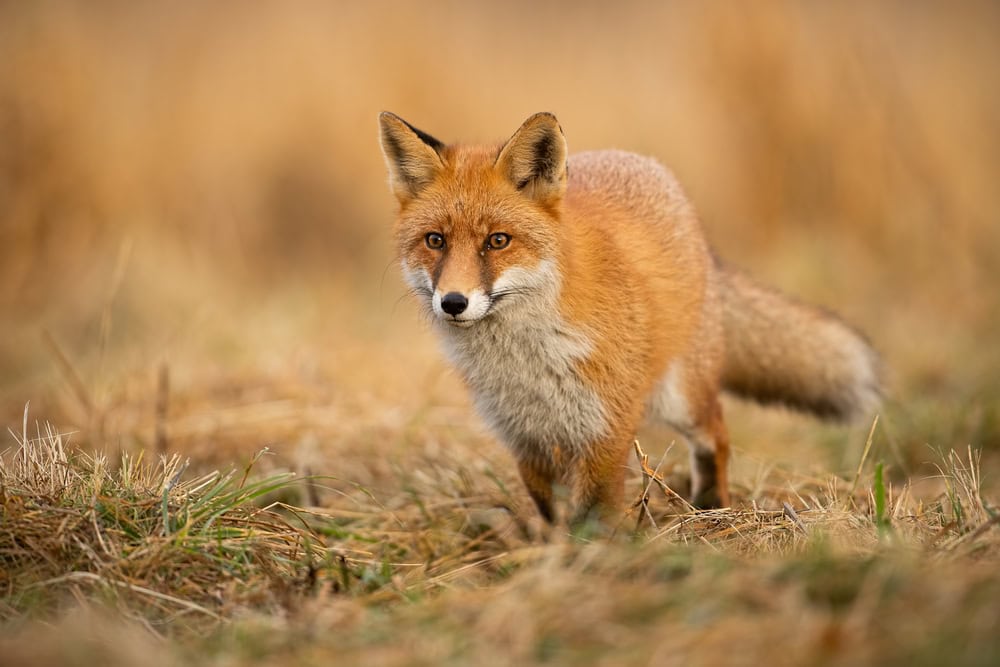
Foxes Using All the Senses

Foxes hunt at night using their keen sense of hearing and sharp eyesight. They can detect the faintest sounds of small mammals moving beneath the snow or ground cover. Additionally, their exceptional agility and swift movements make them efficient nocturnal hunters.
Leopards Stealthy and Silent
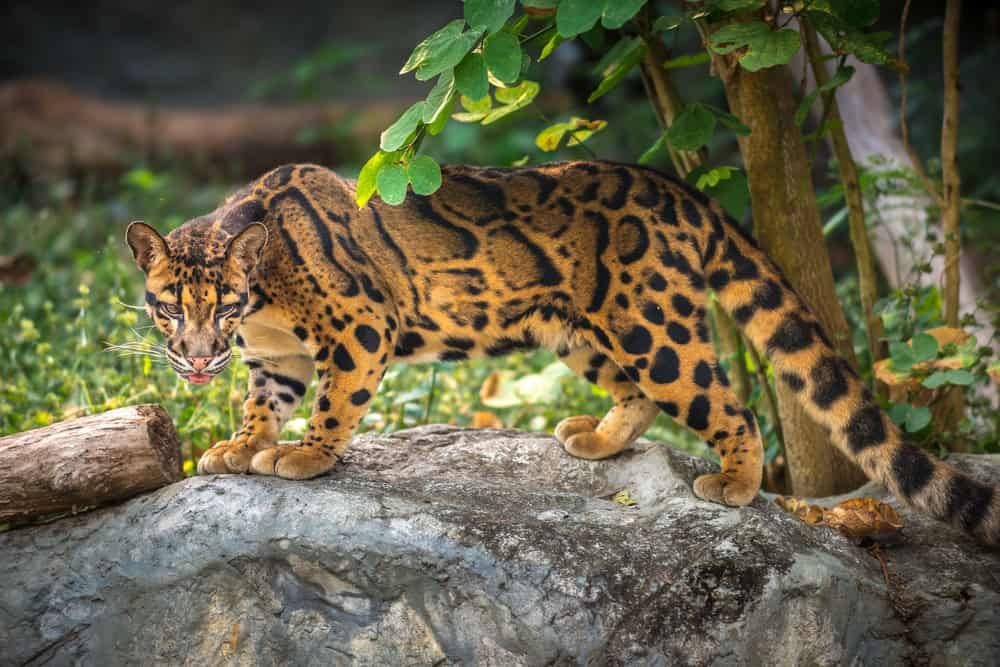
Leopards are solitary big cats that are most active at night. Their enhanced night vision allows them to spot prey from a distance, while their padded paws let them move silently. Leopards also have a strong sense of smell, which aids them in tracking down meals in the darkness.
Raccoons The Nighttime Opportunists
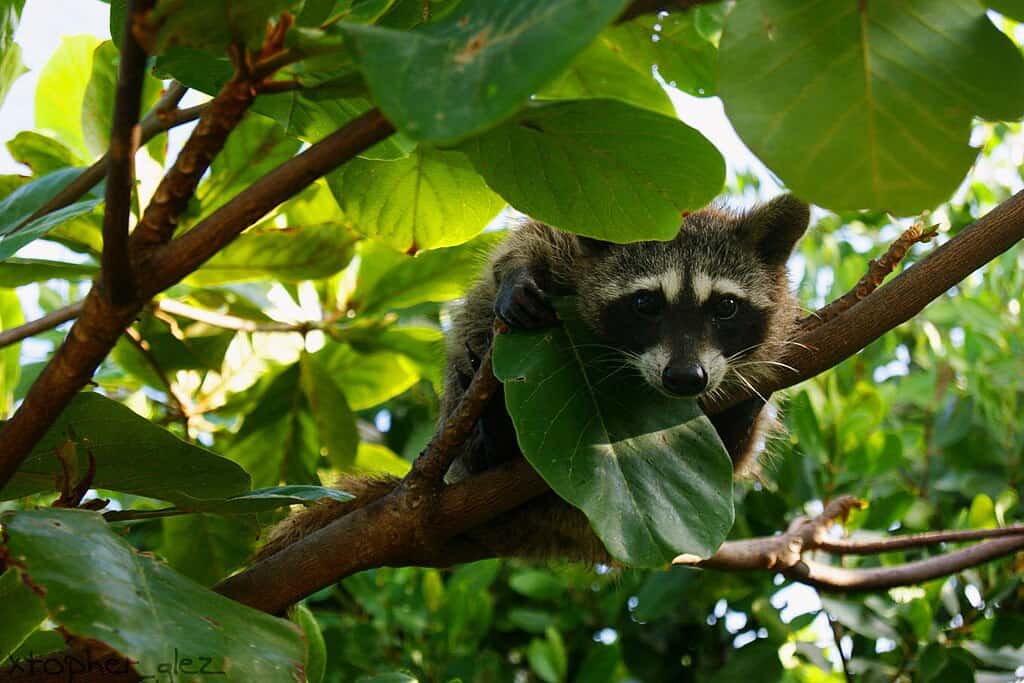
Raccoons are renowned for their adaptability and intelligence. Their tactile front paws and keen sense of touch help them identify objects and search for food in dark or murky environments. Raccoons also exhibit excellent night vision, allowing them to forage nocturnally in both urban and natural settings.
Hedgehogs Relying on Sense of Smell and Hearing

Hedgehogs are small mammals that primarily depend on smell and hearing to survive the night. Although their eyesight is limited, they have an acute sense of smell that helps them locate insects and other invertebrates. Additionally, their ability to hear the subtle movements of prey aids in successful nighttime foraging.
Opossums Nightly Foragers

As nighttime scavengers, opossums use their acute sense of smell to locate food. They are not particularly fast but rely on their keen senses and formidable climbing skills to search for sustenance. Their nocturnal habits help them avoid many predators and allow them to thrive in diverse environments.
Tarsiers Small but Mighty Hunters

Tarsiers, small primates found in Southeast Asia, have remarkable adaptations for nocturnal living. Their large eyes, which are disproportionately huge compared to their body size, provide excellent night vision. Additionally, their ability to rotate their head nearly 180 degrees gives them a wide field of view to spot potential prey in the dark.
Aye-Ayes Unique Foraging Techniques
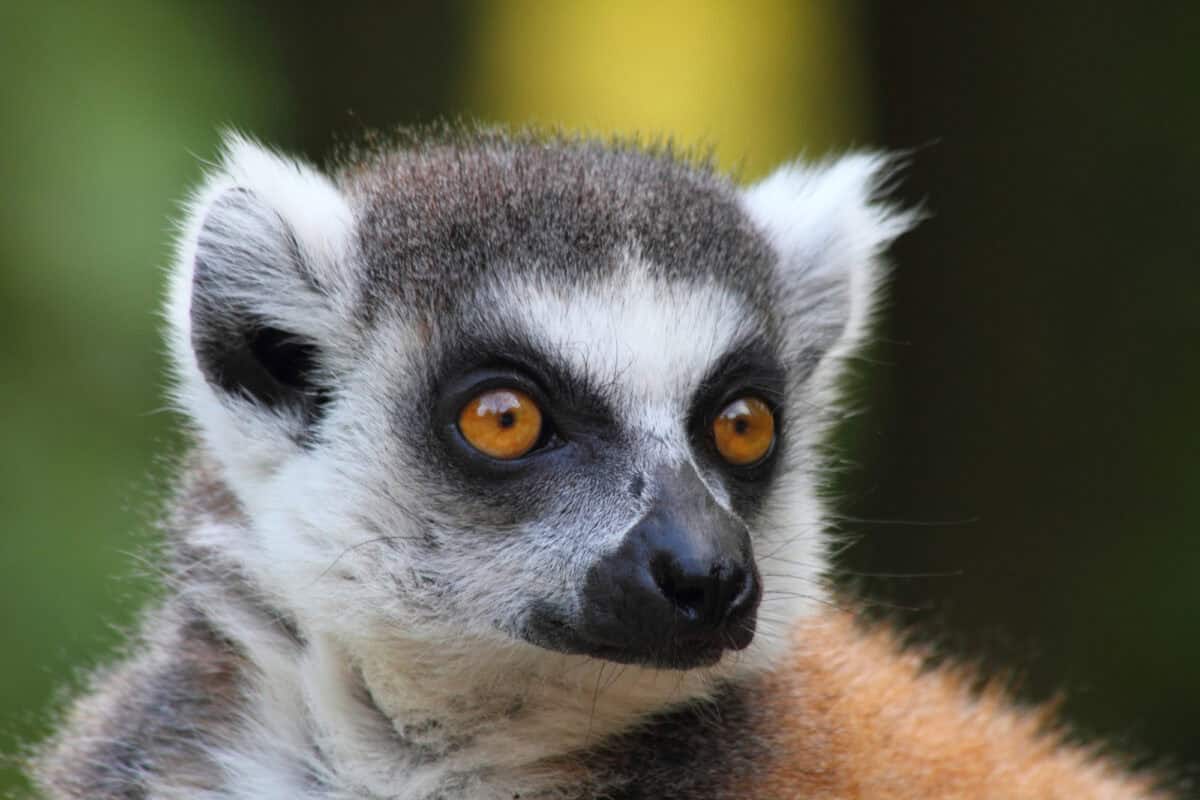
The Aye-aye, a lemur native to Madagascar, has evolved specialized adaptations for nocturnal foraging. It utilizes percussive foraging, tapping on wood to locate insect larvae hiding inside. Its elongated middle finger is used to extract the larvae, combining tactile and auditory clues to thrive in its nighttime habitat.
Scorpions Sensing Vibrations
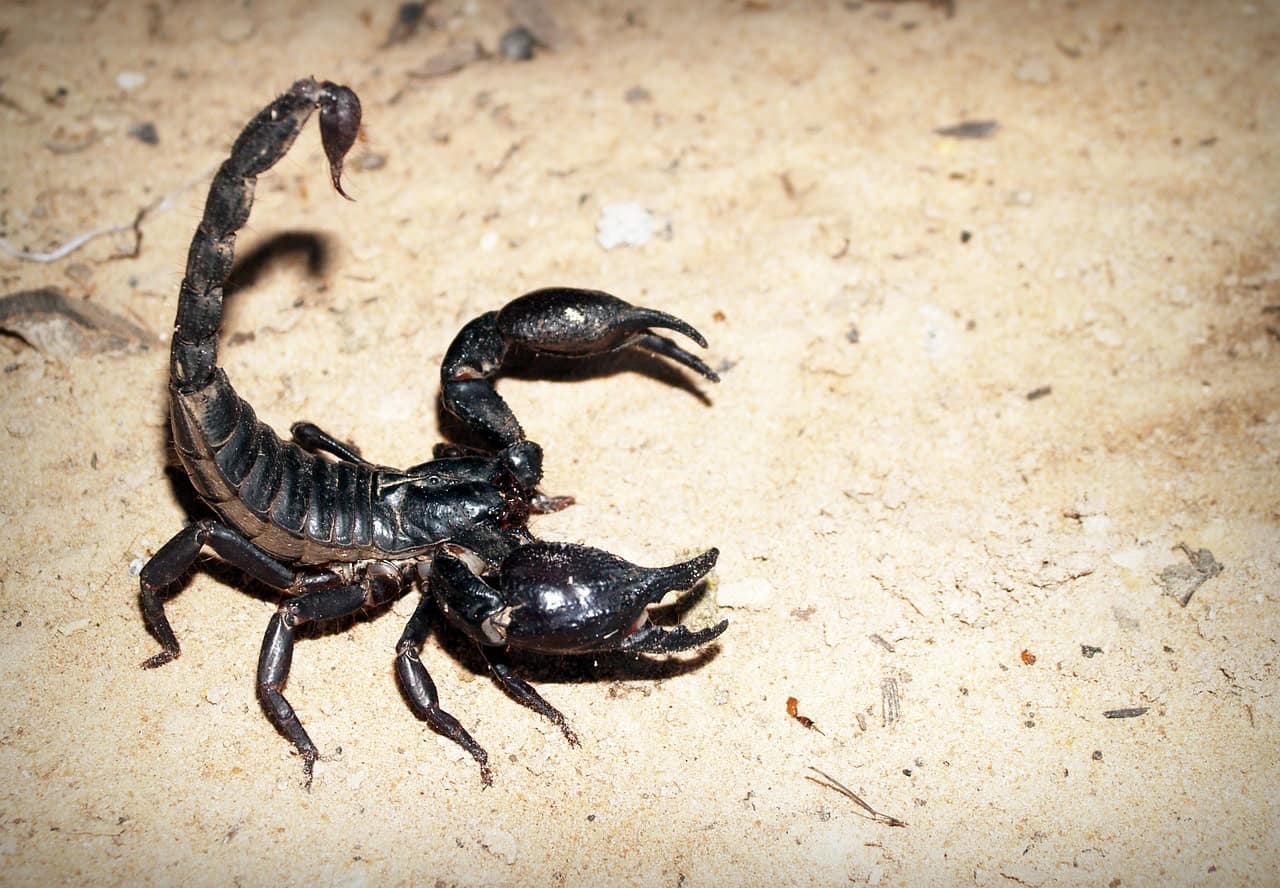
Scorpions, often associated with nighttime hunting, have developed a unique way of detecting prey through vibrations. Small sensory hairs on their legs pick up vibrations in the ground, alerting them to approaching prey. This adaptation, along with their ability to detect minute changes in humidity and temperature, makes them formidable nocturnal predators.
Porcupines Protected Nightly Wanderers

Porcupines, equipped with armor-like quills, are primarily active at night. While they do not possess extraordinary night vision, their quills provide a defence mechanism against predators in the dark. Their slow, steady movements and varied diet make them successful nocturnal foragers.
Lesser Bushbabies Leaping Through the Night
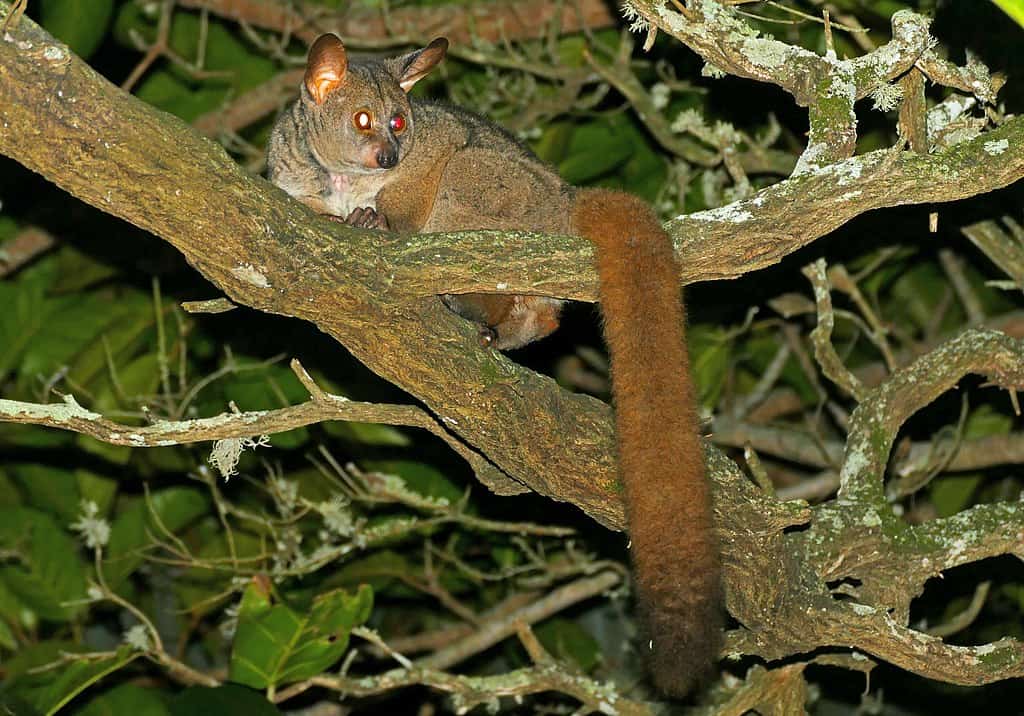
Lesser Bushbabies, or Galagos, are small primates with remarkable nocturnal adaptations. They have large eyes for excellent night vision and strong hind limbs that enable impressive leaping abilities. This combination allows them to navigate the dense forest canopy efficiently while searching for food.
Conclusion: Nature’s Nighttime Navigators
The diverse array of adaptations in nocturnal animals showcases the incredible ingenuity of nature. Each species has developed its unique strategies to overcome the challenges of nighttime living, from echolocation and amplified hearing to enhanced night vision and specialized foraging techniques. These remarkable creatures remind us of the vast complexity and wonder of the animal kingdom, particularly in the dark hours when many of them come to life.

As a little kid, I fell in love with nature, wildlife, and animals. Living in the USA, South Africa, Italy, China and Germany gave me the opportunity to discover the world's Wildlife. My favorite animals are Mountain Gorillas, Siberian Tigers, and Great White Sharks.
I'm a certified PADI Open Water Diver, went to Everest Base Camp and Trekked Gorillas in Uganda. I hold a Master of Science in Economics and Finance.
Please send any feedback to feedback@animalsaroundtheglobe.com
- 13 Cat Breeds That Get Along with Dogs - July 20, 2026
- The 12 Largest Dog Breeds That Still Love to Cuddle - July 20, 2026
- 12 Pet Habits That Secretly Mean They Love You - July 20, 2026