


Earth is home to some truly bizarre creatures that seem more suited to a distant planet than our own. From deep-sea dwellers with gelatinous bodies to microscopic organisms that can survive in space, nature has crafted some astonishingly alien-like beings. In this article, we’ll explore ten of the strangest animals that defy expectations with their unusual features and remarkable adaptations.
1. Axolotl

The axolotl, known as the “Mexican walking fish,” is a unique amphibian that looks like a creature from another world. Native to the lake complex of Xochimilco near Mexico City, the axolotl defies typical amphibian development by retaining its larval features throughout its life—a phenomenon known as neoteny. Its frilled, feathery gills, permanently smiling appearance, and ability to regenerate limbs and even parts of its brain make it a subject of great interest in scientific studies.
2. Blobfish

The blobfish, often called Earth’s ugliest animal, lives in the deep waters off the coasts of Australia and New Zealand. Its gelatinous body adapts to the high-pressure environment of the deep sea, giving it a saggy appearance when brought to the surface. Despite its unattractive reputation, the blobfish plays a significant role in marine ecosystems by maintaining balance in its food chain.
3. Tardigrade

The tardigrade, or “water bear,” is a microscopic organism known for its incredible ability to survive extreme conditions, including space. Resembling a tiny bear under a microscope, these resilient creatures can withstand extreme temperatures, high radiation, and years without water, earning them a reputation as one of Earth’s hardiest organisms. Their unique characteristics have intrigued scientists exploring life’s boundaries on Earth and beyond.
4. Star-Nosed Mole

The star-nosed mole is a small, burrowing mammal native to North America. Its most distinctive feature is its snout, which has 22 fleshy appendages resembling a star. This extraordinary nose is one of the most sensitive touch organs among mammals, allowing the mole to detect prey with remarkable speed. Its appearance is otherworldly, and its sensory abilities are unparalleled among terrestrial animals.
5. Leafy Sea Dragon

The leafy sea dragon, related to the seahorse, looks like an intricate piece of underwater foliage. Found along the southern and western coasts of Australia, its leaf-like appendages provide excellent camouflage among seaweed and kelp. Their elegant and alien-like appearance makes leafy sea dragons a favorite among marine biology enthusiasts and conservationists working to protect their habitats.
6. Aye-Aye
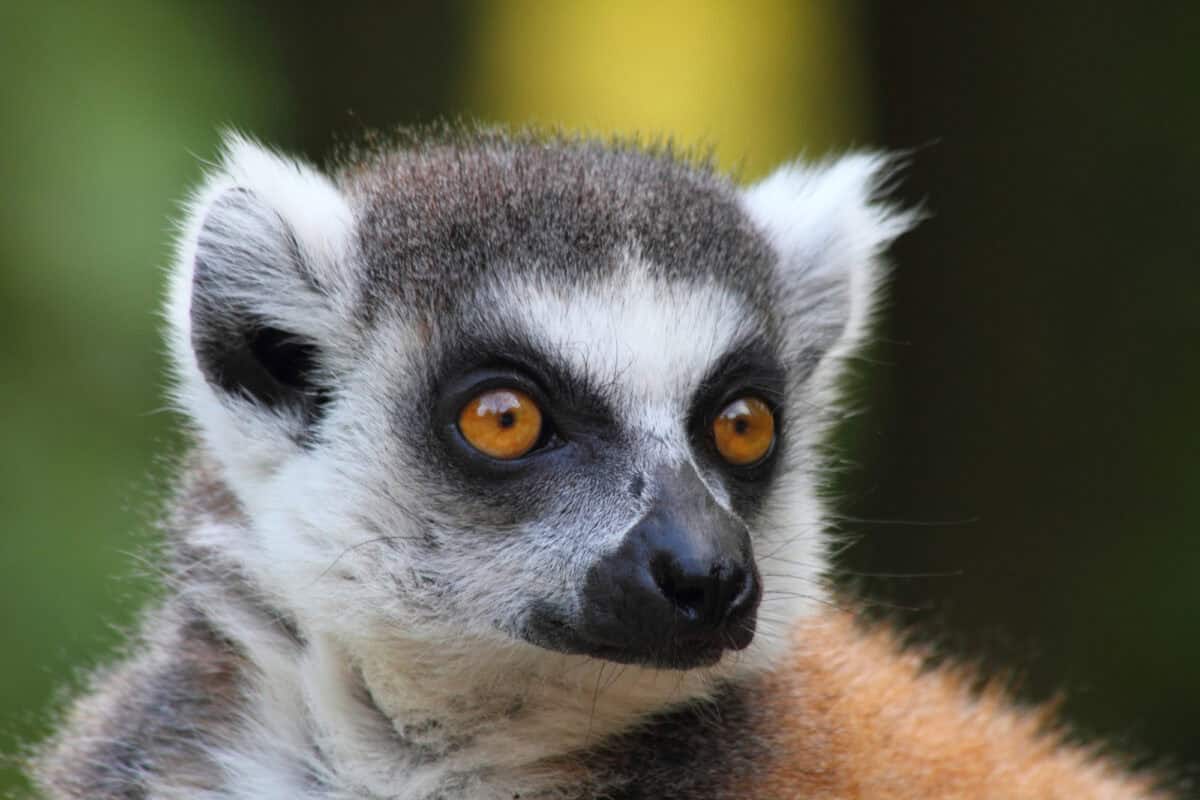
The aye-aye, the world’s largest nocturnal primate, is native to Madagascar. Its bizarre appearance, characterized by large eyes, bat-like ears, and a long, bony middle finger, might remind one of a creature from a science fiction movie. The aye-aye uses its unique finger to tap on trees and locate grubs, a hunting technique known as percussive foraging, highlighting its unique adaptability.
7. Glass Frog

The glass frog, hailing primarily from Central and South America’s rainforests, is notable for its translucent skin. This transparency displays its internal organs, creating an ethereal effect as though the frog is made of glass. This adaptation likely aids in camouflage, and their beauty, combined with scientific intrigue, has made them subjects of ongoing research on skin transparency and its evolutionary benefits.
8. Dumbo Octopus
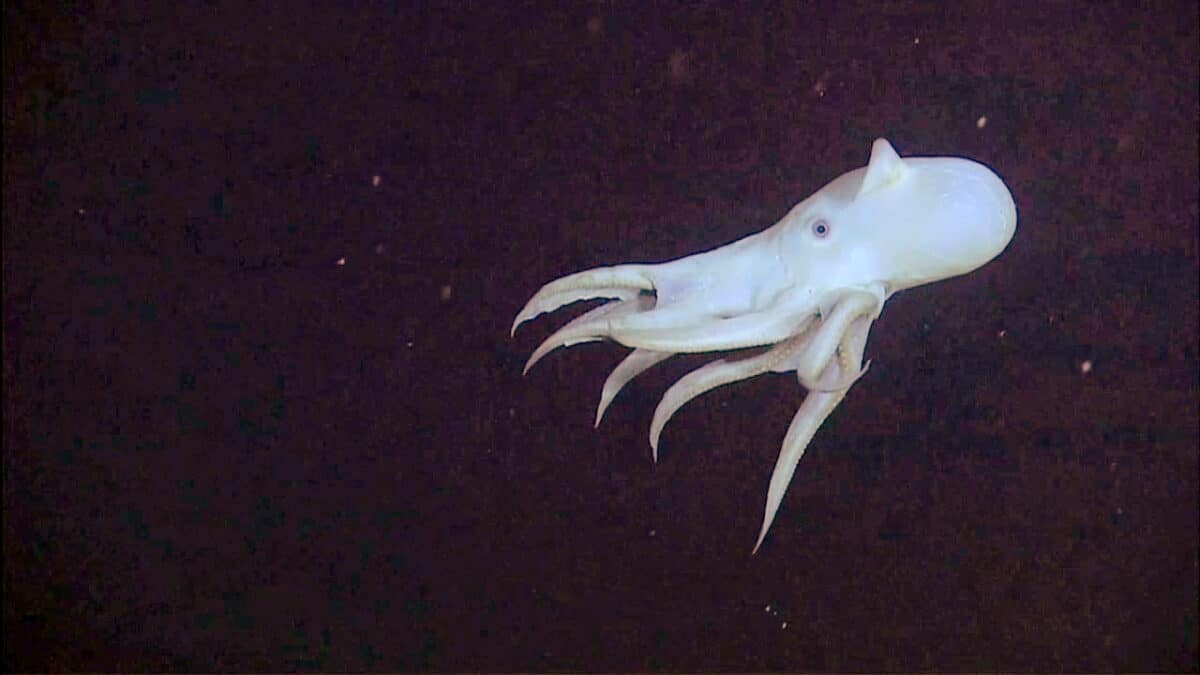
Named after Disney’s Dumbo due to its ear-like fins, the Dumbo octopus inhabits the ocean’s deepest realms. These endearing creatures are known for their ability to “fly” through the water with their wing-like fins. Living at depths of up to 13,000 feet, their environment is as alien to us as the octopuses themselves, providing a glimpse into the mysterious and largely unexplored deep-sea world.
9. Blue Dragon
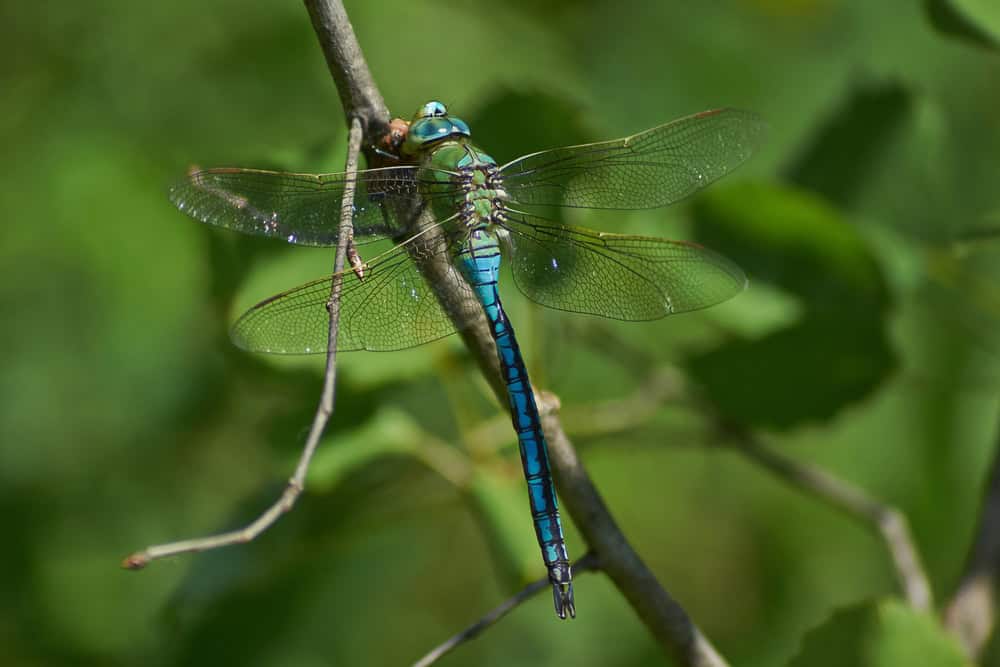
The blue dragon, or Glaucus atlanticus, is a type of nudibranch, a soft-bodied marine gastropod. Its striking blue and silver coloration serves both as dazzling camouflage among the ocean waves and a warning to predators. Though small in size, this creature packs a powerful sting, absorbed from its prey—Portuguese man o’ war—making it a formidable creature of the tides with an appearance out of a fantasy novel.
10. Saiga Antelope
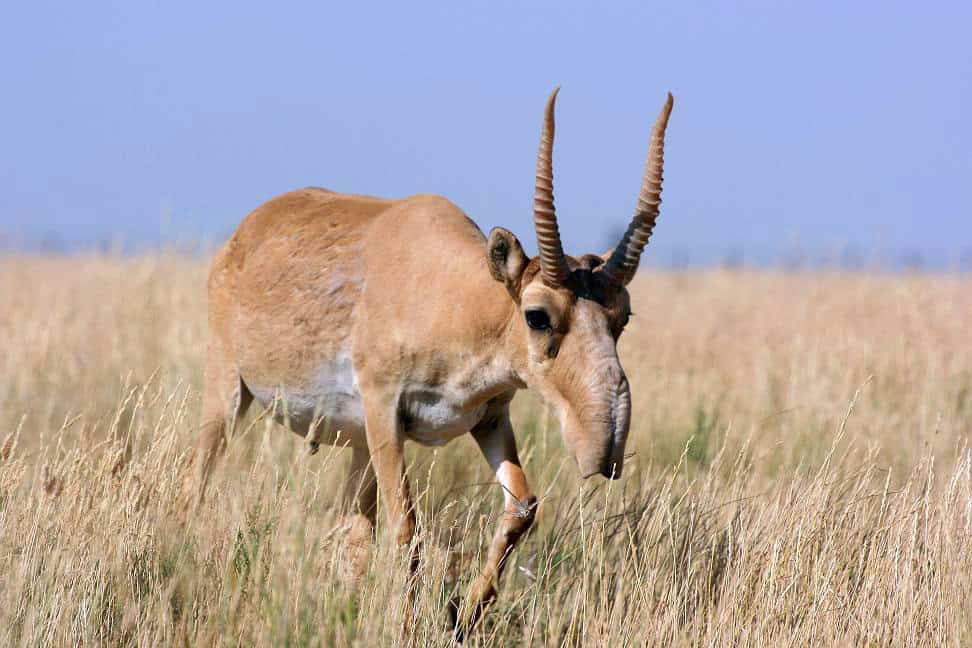
With its oversized, bulbous nose, the saiga antelope looks like a terrestrial alien. Native to the Eurasian steppes, its distinct nose serves a practical purpose: warming and cleaning the air during cold winters and filtering dust during dry summers. The saiga’s uniqueness and its tragic decline due to hunting and disease outbreaks highlight the urgent need for conservation efforts to protect this bizarre and fascinating species.
From the depths of the ocean to remote forests and plains, these extraordinary creatures share our world, offering endless fascination and reminding us of the planet’s incredible biodiversity. Their survival challenges and extraordinary adaptations continue to inspire and captivate scientists and nature enthusiasts alike.

As a little kid, I fell in love with nature, wildlife, and animals. Living in the USA, South Africa, Italy, China and Germany gave me the opportunity to discover the world's Wildlife. My favorite animals are Mountain Gorillas, Siberian Tigers, and Great White Sharks.
I'm a certified PADI Open Water Diver, went to Everest Base Camp and Trekked Gorillas in Uganda. I hold a Master of Science in Economics and Finance.
Please send any feedback to feedback@animalsaroundtheglobe.com
- 13 Cat Breeds That Get Along with Dogs - July 20, 2026
- The 12 Largest Dog Breeds That Still Love to Cuddle - July 20, 2026
- 12 Pet Habits That Secretly Mean They Love You - July 20, 2026