


In our modern world, outdoor lighting plays a crucial role in ensuring safety and security, enhancing the aesthetic appeal of urban spaces, and supporting nighttime activities. Streetlights illuminate roads, guiding drivers and pedestrians safely, while decorative lighting makes public areas more inviting after dark. However, this artificial illumination has consequences that extend far beyond human convenience, affecting the intricate ecosystems and delicate balance within animal communities.
Light Pollution An Emerging Environmental Concern
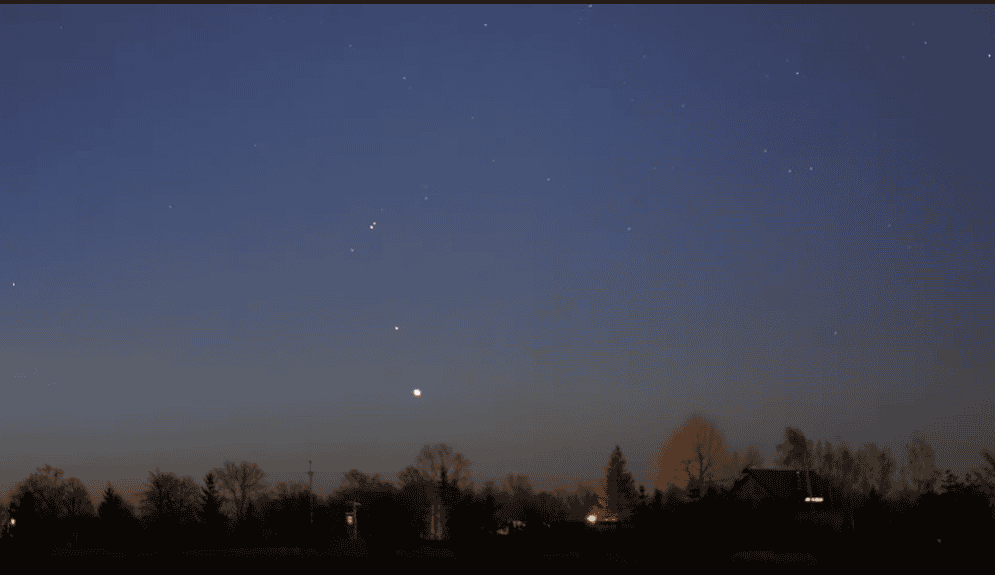
The term “light pollution” refers to the excessive, misdirected, or obtrusive artificial light produced by human activity. This phenomenon disrupts natural patterns of light and dark, particularly affecting nocturnal species that have adapted to living in environments dominated by natural cycles of sunlight and moonlight. The prevalence of artificial lighting in urban, suburban, and even some rural areas has created a phenomenon where darkness is becoming increasingly rare, with significant repercussions for wildlife.
Impact on Circadian Rhythms and Behavior
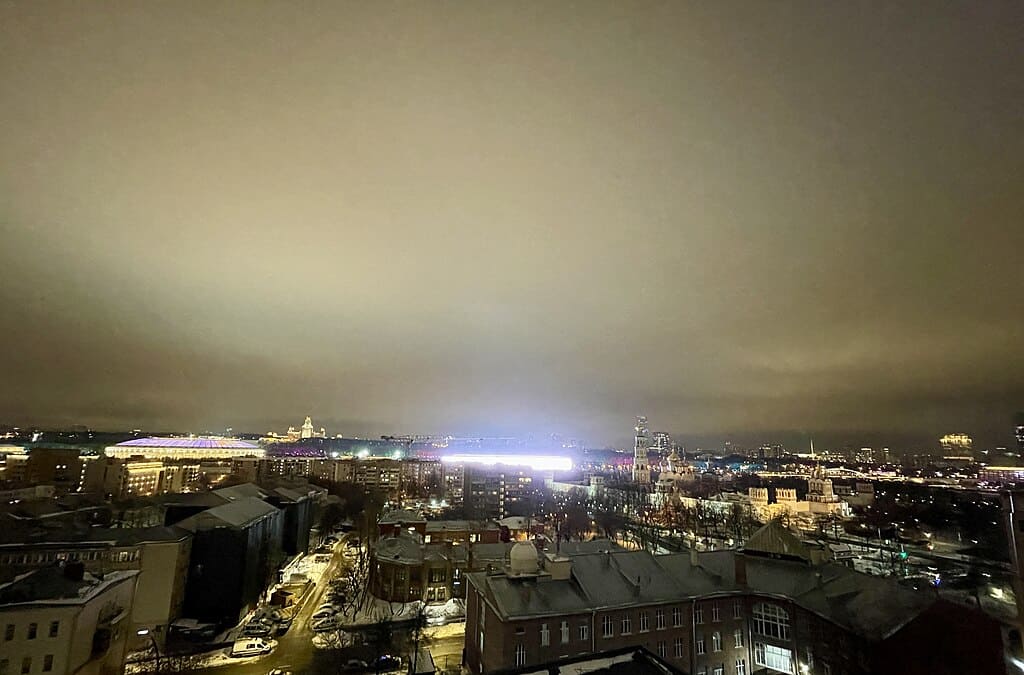
Many animals rely on the natural cycles of light and dark to regulate their behaviors, including feeding, mating, and migration. These daily patterns, known as circadian rhythms, are finely tuned to their environment. However, artificial lighting can disrupt these rhythms, leading to adverse effects. For instance, migratory birds that use the stars for navigation can become disoriented by artificial lights, potentially leading to collisions with buildings. Additionally, bright lights near waterways can confuse sea turtle hatchlings, drawing them away from the sea and increasing mortality rates.
Effects on Nocturnal Species
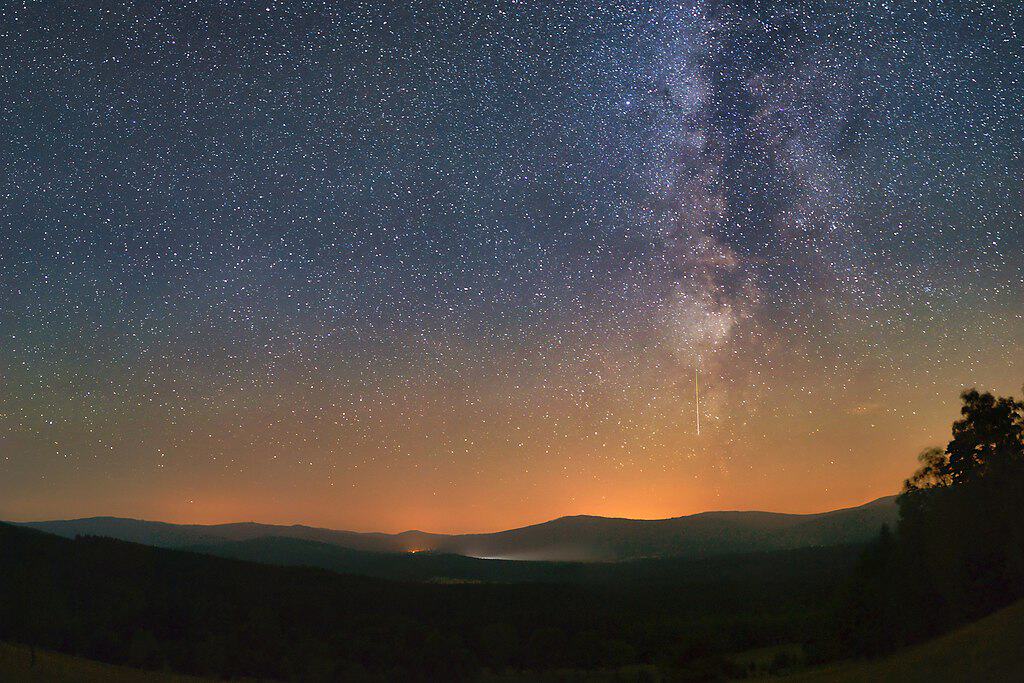
Nocturnal animals are particularly vulnerable to the effects of light pollution. Predators that hunt under the cover of darkness may find it harder to locate prey, while prey species become more visible to their predators. This alteration in the prey-predator dynamic can have cascading effects throughout the ecosystem. For example, some bats avoid well-lit areas altogether, limiting their feeding grounds and potentially reducing their insect prey populations, which are crucial for maintaining balanced ecosystems.
Consequences for Reproductive and Developmental Cycles
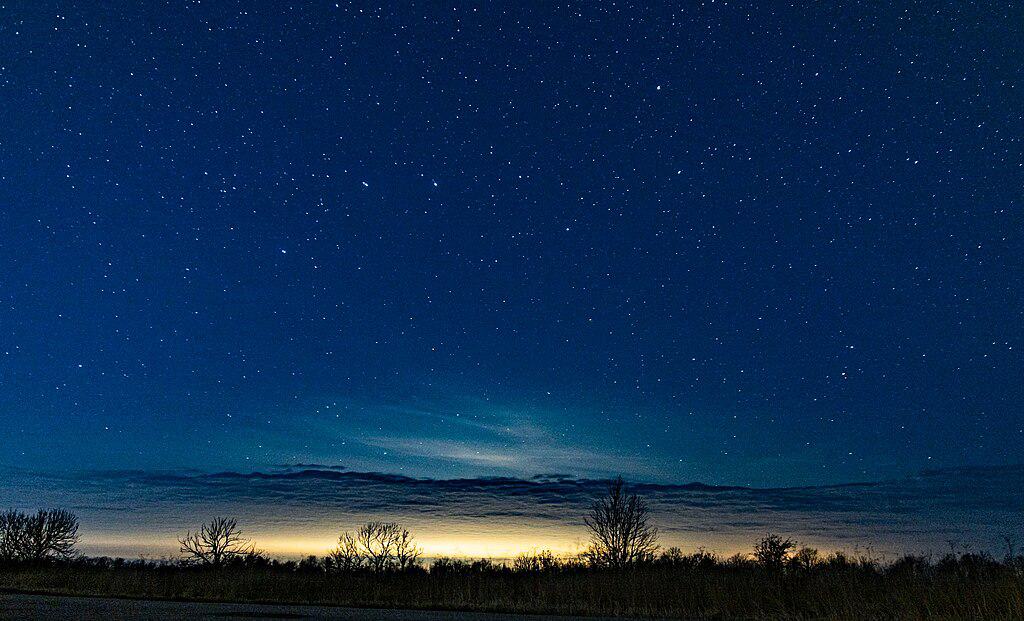
Reproduction in many species is closely tied to light, as changes in day length trigger certain hormonal processes. Artificial lighting can interfere with these processes, leading to changes in reproductive timing and success. Amphibians, which are already experiencing global population declines, are particularly susceptible. Light pollution can alter breeding behaviors, reduce mating calls, and impact the development of amphibian larvae, putting further pressure on these vulnerable populations.
Potential Solutions and Mitigation Strategies
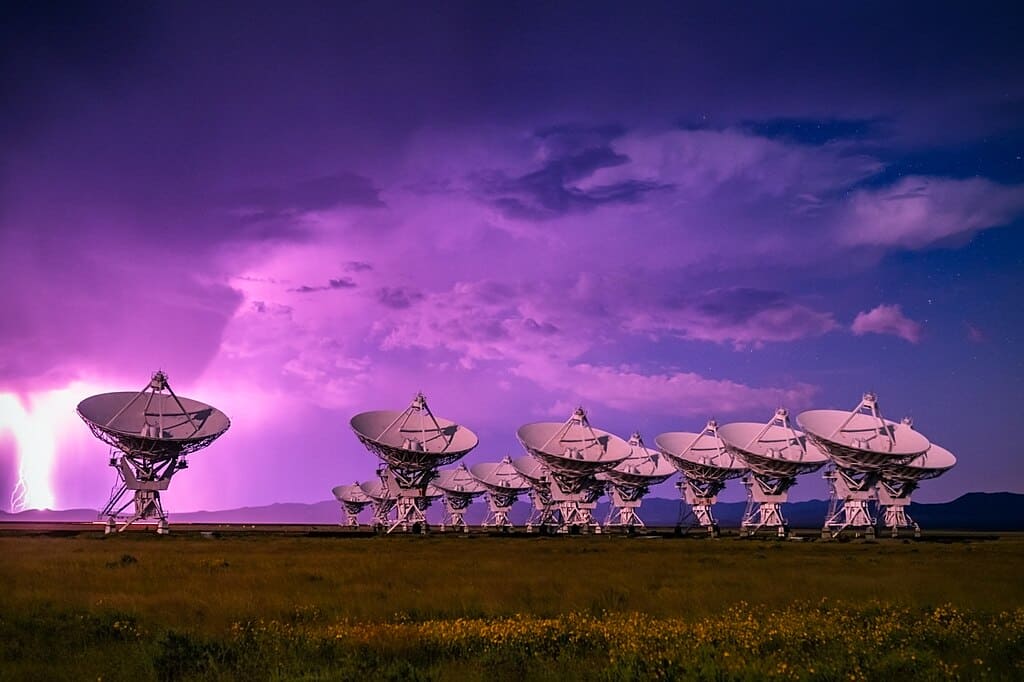
Despite these challenges, several strategies can mitigate the impacts of outdoor lighting on wildlife. Implementing motion-activated lights, using lights with red or amber spectra instead of white or blue, and directing lights downward can minimize ecological disruption. Additionally, the development of “dark sky” initiatives and regulations can help preserve natural dark habitats, giving wildlife a better chance to thrive.
The Role of Individuals and Communities
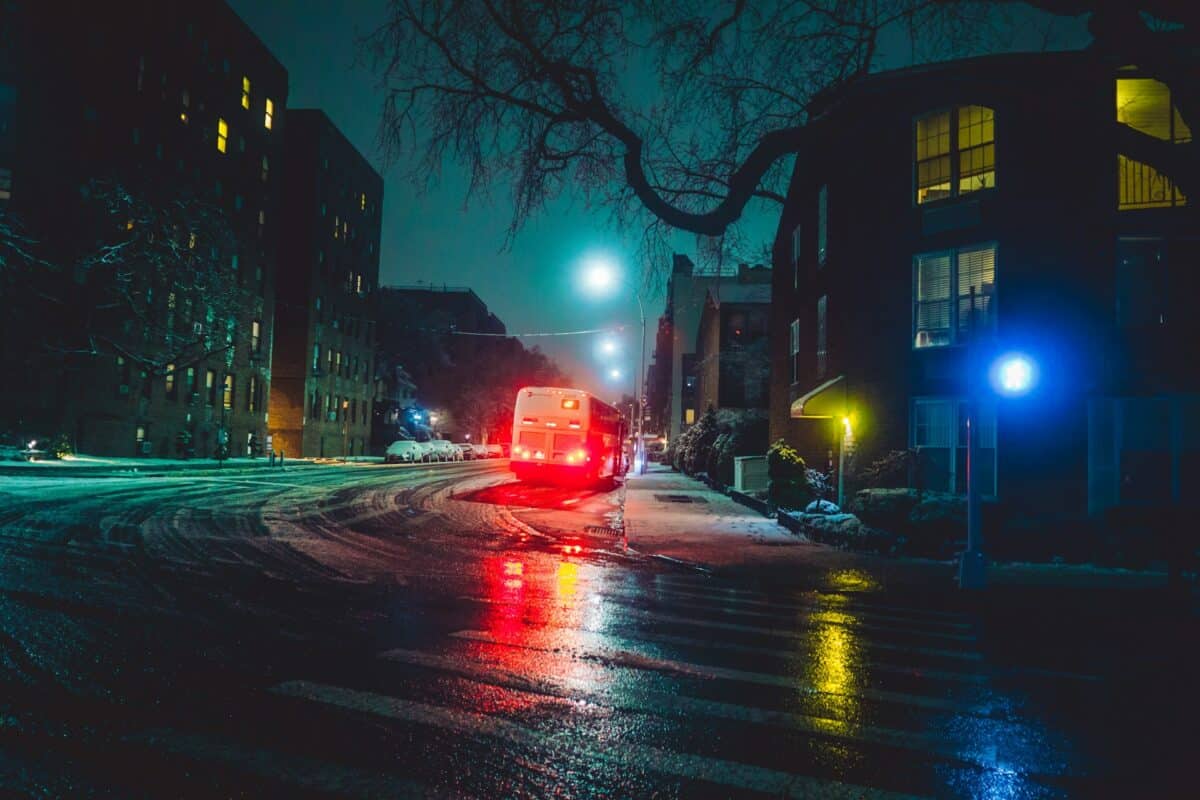
Individual actions can also make a significant difference. By adjusting outdoor lighting at home – such as using low-intensity bulbs, placing timers on lights, and shielding them to reduce skyglow – we can collectively reduce light pollution’s impact on wildlife. Community efforts to support wildlife-friendly lighting policies, along with increased awareness and education about light pollution’s effects, can foster a more harmonious coexistence between human activity and natural ecosystems.
Conclusion: Striking a Balance

As we continue to explore and expand our understanding of how outdoor lighting affects animals, it becomes increasingly clear that careful consideration and management of our lighting practices are vital. By striking a balance between our needs and those of the surrounding wildlife, we can ensure that our outdoor spaces remain vibrant and secure while respecting and preserving the natural behaviors and life cycles of the animals with whom we share this planet.

As a little kid, I fell in love with nature, wildlife, and animals. Living in the USA, South Africa, Italy, China and Germany gave me the opportunity to discover the world's Wildlife. My favorite animals are Mountain Gorillas, Siberian Tigers, and Great White Sharks.
I'm a certified PADI Open Water Diver, went to Everest Base Camp and Trekked Gorillas in Uganda. I hold a Master of Science in Economics and Finance.
Please send any feedback to feedback@animalsaroundtheglobe.com
- 11 Most Endangered Insects Buzzing in America Today - July 22, 2026
- 10 Most Frequently Googled Animal Birth Facts - July 22, 2026
- 10 Incredible Migration Journeys in the Animal Kingdom - July 22, 2026