

One evening you glance out the window and spot a masked face peering back from the shadows. The next night the same visitor returns, then another, until the pattern feels deliberate rather than random. That steady presence raises quiet questions about what draws the animal back again and again.
Reliable Food Sources Nearby

Raccoons are opportunistic feeders that quickly learn where meals appear without much effort. Pet food left on porches, unsecured trash bins, or fallen fruit from trees can turn a single backyard into a dependable buffet. Once a raccoon discovers this easy supply it tends to mark the location in its memory and return on a regular schedule.
Over time the animal may even adjust its arrival time to coincide with when scraps are most likely to be available. This behavior reflects simple survival logic rather than any special attachment to the property itself. Homeowners who notice consistent visits often trace the pattern back to one or two overlooked food items that keep the cycle going.
Access to Fresh Water

Water can prove just as attractive as food, especially during dry spells or in urban areas where natural sources are scarce. Birdbaths, dripping hoses, or shallow dishes left outside provide convenient drinking spots that require little energy to reach. A raccoon that finds both food and water in the same location has every reason to treat the yard as part of its regular route.
These visits often increase when temperatures rise or when natural streams nearby run low. The animal may linger longer on such nights, exploring the area thoroughly before moving on. Tracking when the raccoon appears can sometimes reveal whether water plays a larger role than food in the repeated stops.
Suitable Shelter Options
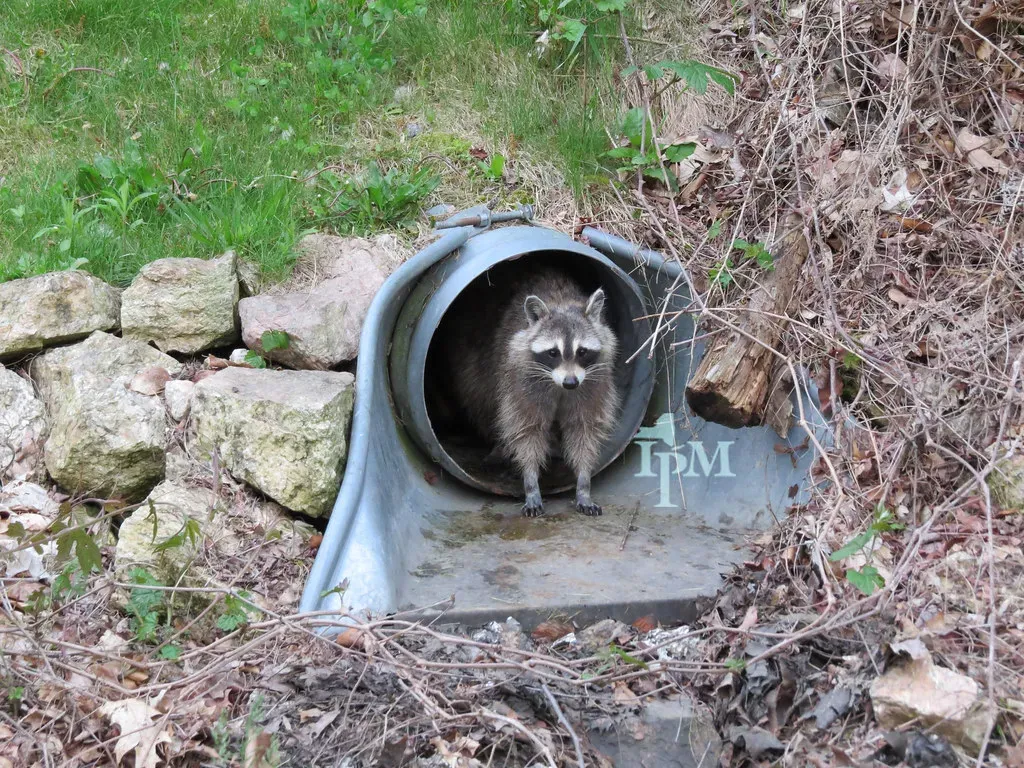
Backyards that offer quiet corners, dense shrubs, or access to attics and crawl spaces give raccoons a place to rest during the day. Once a raccoon identifies a secure daytime hideout it may center its nighttime foraging around that spot. The same individual can therefore appear night after night simply because the location meets multiple needs at once.
Structural features like woodpiles or unused sheds add extra appeal by shielding the animal from weather and predators. Over several weeks the raccoon may refine its path until the entire property feels familiar and low risk. This combination of shelter and resources explains many persistent visits that seem puzzling at first glance.
Established Routines and Familiarity
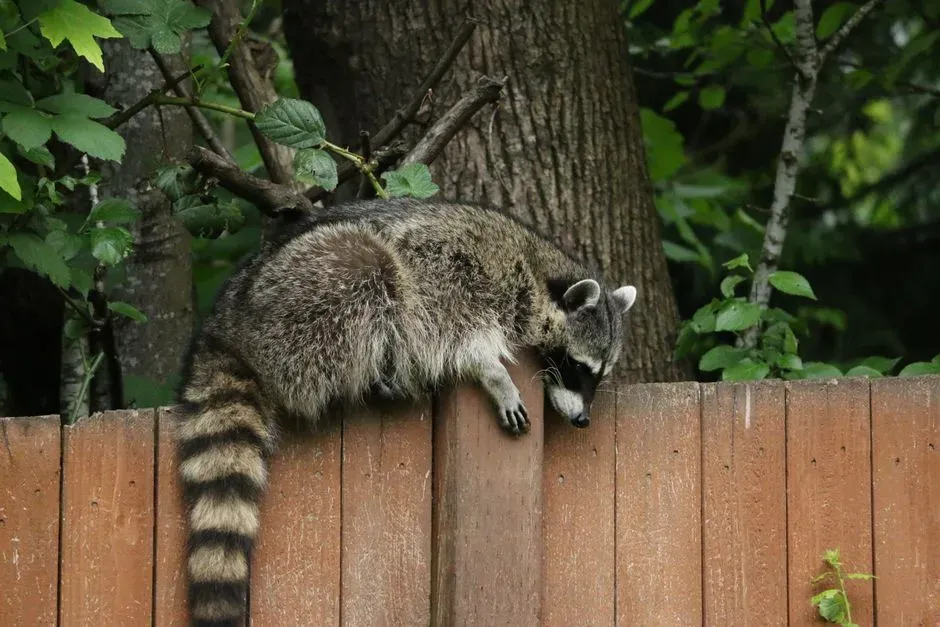
Raccoons possess strong spatial memory and quickly map out territories that deliver consistent rewards. After a few successful nights the animal incorporates the backyard into its established circuit, treating it much like a regular stop on a delivery route. The repetition stems from habit rather than curiosity or affection.
Young raccoons learn these patterns from their mothers and may continue the same routes into adulthood. Human activity that remains predictable, such as lights turning off at the same hour, can further reinforce the sense of safety. Over months the visits become part of the animal’s normal rhythm instead of random events.
Influence of Weather and Seasons
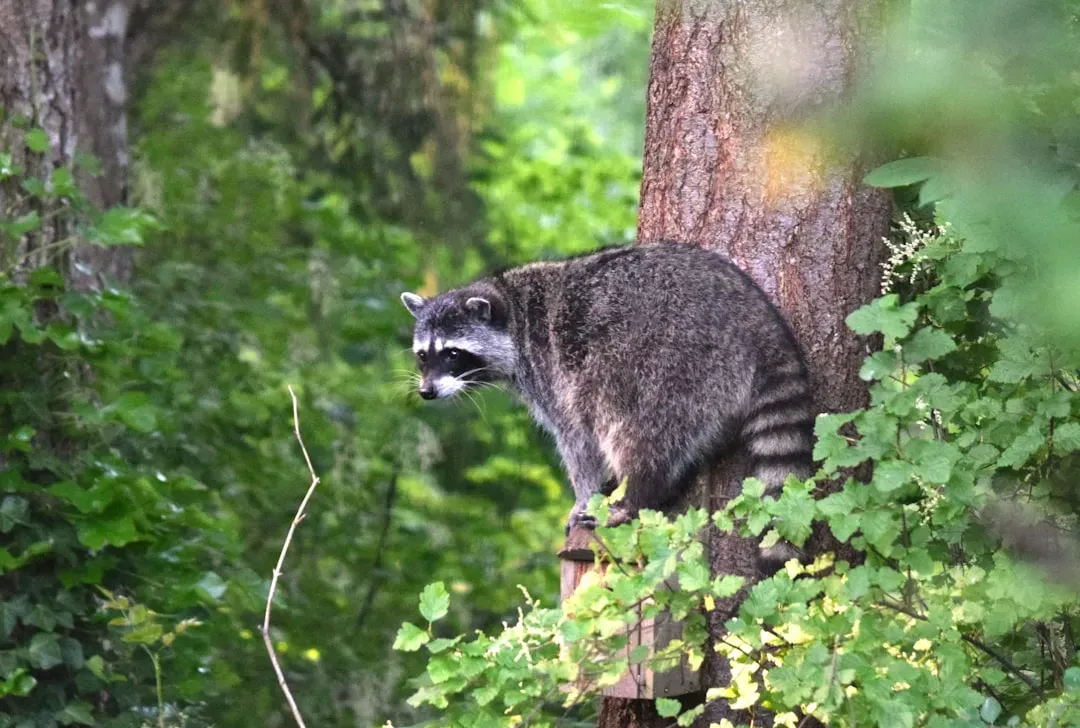
Seasonal changes often shift raccoon behavior in noticeable ways. In late summer and early fall the animals focus on building fat reserves, which can intensify searches for calorie rich scraps. Mild winter nights may still bring visits if food remains accessible, while heavy snow or extreme cold tends to reduce activity.
Breeding season in early spring can also increase movement as females seek extra nutrition. Weather patterns that limit natural forage push more raccoons toward residential areas where human leftovers fill the gap. Observing whether visits spike during certain months helps clarify how much the calendar drives the pattern.
Signs of a Larger Population

A single persistent visitor sometimes signals that several raccoons share the same territory. Family groups or neighboring individuals may take turns using the same reliable resources, creating the impression of one dedicated animal. Multiple sets of tracks or scat in the yard can indicate a small local population rather than a lone wanderer.
Urban and suburban growth has brought raccoons into closer contact with people, and stable food sources support higher densities than in wild settings. When one raccoon succeeds in a backyard others may follow its example. This social dynamic explains why sightings can increase gradually rather than appear suddenly.
Balancing Human and Wildlife Needs

Repeated raccoon visits rarely indicate anything dramatic or threatening on their own. They usually point to practical advantages the yard offers, from food and water to shelter and routine. Understanding these drivers allows homeowners to make small adjustments that reduce unwanted encounters without harming the animals.
Simple steps such as securing trash, removing pet food at night, and trimming dense cover near the house often shift the pattern over time. At the same time, recognizing that raccoons are simply navigating a changing landscape encourages a measured approach rather than alarm. In the end the backyard becomes one small piece of a larger shared environment where both people and wildlife find ways to coexist.

- 14 Quiet Signs Your Dog Knows Its Time Is Near and Wants You Close - July 22, 2026
- 10 Falcon Facts That Will Blow Your Mind - July 22, 2026
- 5 Incredible Migratory Journeys Animals Make Every Year - July 22, 2026