


From the cobwebs that drape the corners of our basements to the webs spun gracefully in our gardens, spiders are ubiquitous creatures often entangled in a web of fear and fascination. While most of the over 3,500 spider species in the United States are harmless to humans, a select few possess venom potent enough to pose medical concerns. This article explores sixteen of the most notable poisonous spiders found across the nation, delving into their habitats, behaviours, and the potential risks they pose.
16. Black Widow Spider
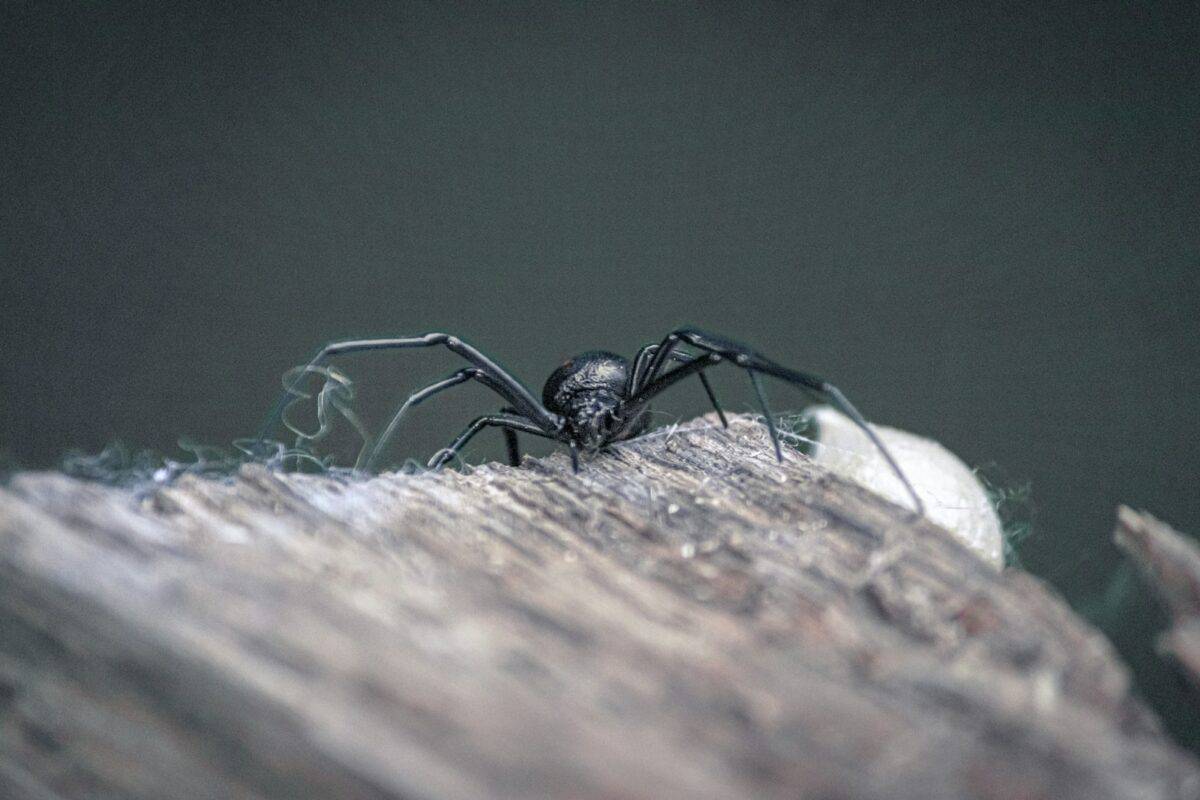
The black widow is perhaps the most infamous poisonous spider in the U.S. Noted for its glossy black body and the red hourglass marking on its abdomen, the black widow can be found in warm, dark outdoor locations. The venom of the black widow contains a neurotoxin that causes severe systemic reactions but is rarely fatal due to advancements in medical treatment.
15. Brown Recluse Spider
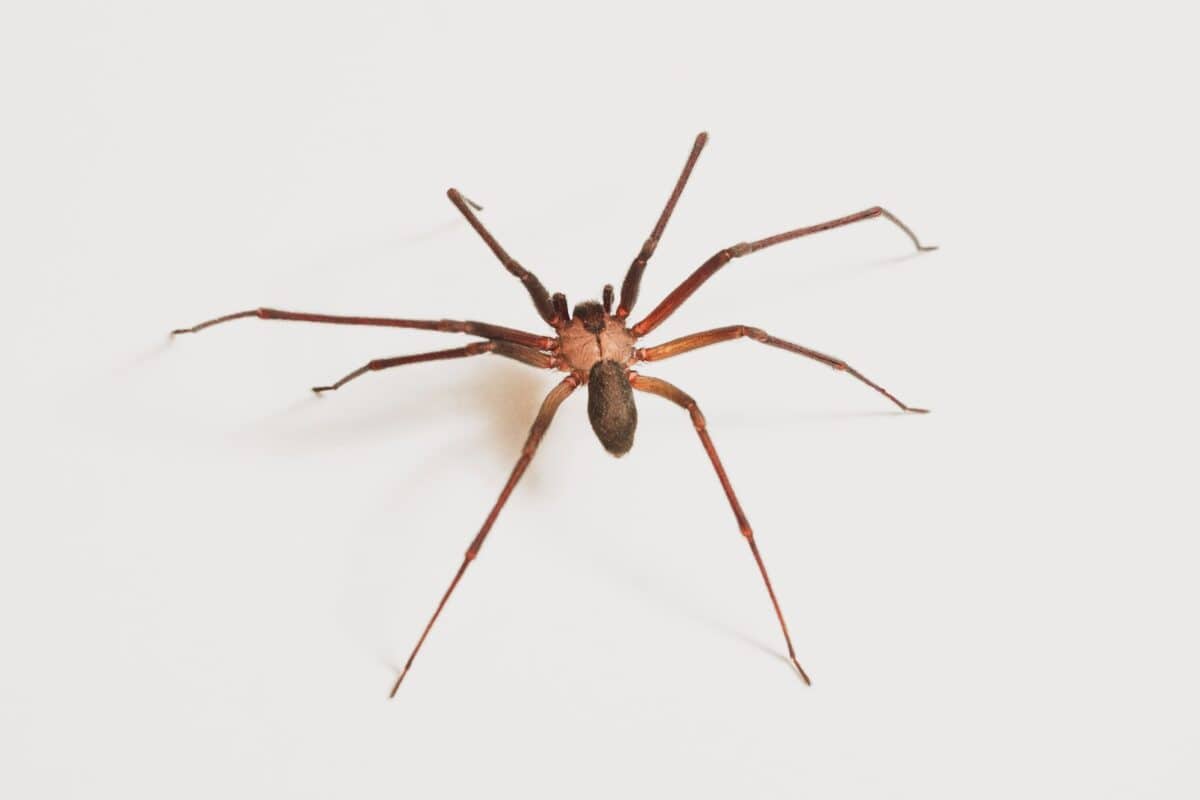
Brown recluse spiders prefer secluded, undisturbed areas such as attics and closets. Known for their violin-shaped marking on the back, they can deliver a bite that leads to necrotizing wounds. Early recognition and medical intervention are crucial to minimizing damage.
14. Hobo Spider

The hobo spider is commonly misidentified but can be a concern in Northwestern states. Its bite may lead to symptoms ranging from mild irritation to a more serious systemic condition. They typically dwell in low-lying vegetation and basement-level web structures.
13. Yellow Sac Spider

Yellow sac spiders are often found indoors, making their homes in crevices and along ceilings. These spiders are recognized by their pale yellow color and have venom that can induce painful, ulcerative lesions. Despite their small size and seemingly unassuming appearance, their bites can be uncomfortable.
12. Red Widow Spider

Primarily located in the sandy scrublands of Florida, the red widow is less encountered by humans but carries venom that affects the nervous system. Recognized by their red-hued bodies and black legs, these spiders contribute to the biodiversity in their natural habitat.
11. Brown Widow Spider

Cousin to the more notorious black widow, the brown widow has similar characteristics with a tan or brown body and an orange hourglass marking. Although its venom is less potent, they are increasingly common in urban areas and should be avoided.
10. Sydney Funnel-Web Spider

While the Sydney funnel-web spider, native to Australia, occasionally finds its way into the U.S. through produce and shipping containers. Known for its aggressive nature and potent venom, encounters are rare but can inspire concern in regions like California and Florida.
9. Wolf Spider

Wolf spiders are large and fast, easily spotted due to their hairy bodies and swift movements. They are not aggressive and their venom is typically harmless, causing only temporary discomfort and swelling at the site of the bite.
8. Tarantula
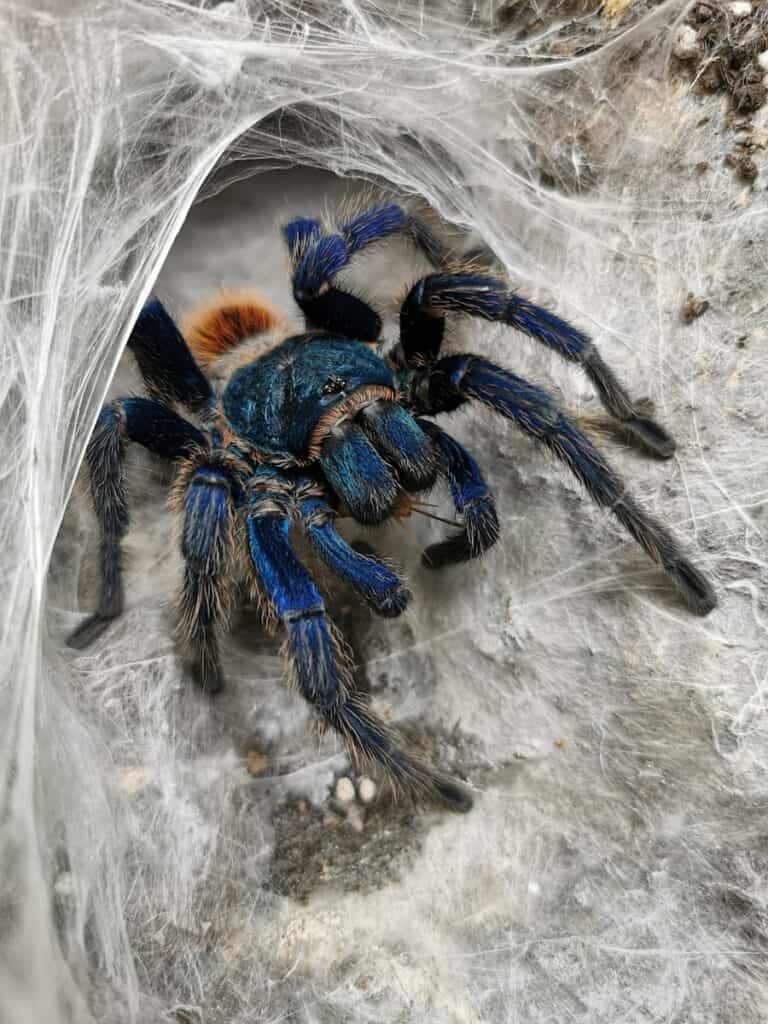
While often feared for their imposing size, North American tarantulas have venom that is comparable to a bee sting. Found mostly in Southwestern states, these spiders are more of a visual deterrent rather than a threat to human health.
7. Mouse Spider

With large fang-bearing jaws, mouse spiders can deliver a painful bite. Although their venom is powerful, resembling that of the funnel-web, they are less aggressive and less commonly encountered in the U.S., typically found in drier regions.
6. Black House Spider

Native to Australia but sometimes found in the U.S., black house spiders are stout and quick to defend their territory with a bite that is mildly venomous. Known for their dense, messy webs, they prefer secluded corners of buildings.
5. False Widow Spider

The development of global trade has introduced the false widow to American shores. Known for their resemblance to the black widow, their venom is milder with effects similar to that of a wasp sting. Vigilance is advised if you’re handling one.
4. Arrow-Shaped Micrathena
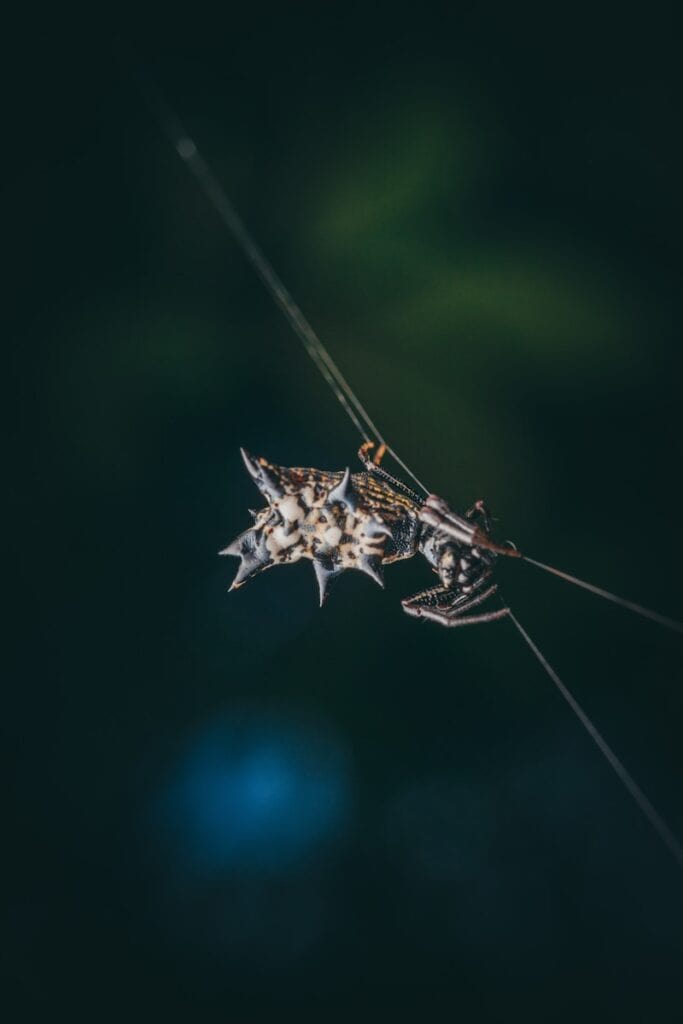
Though less harmful, the arrow-shaped micrathena’s unique morphology with its spiny abdomen might startle outdoor enthusiasts. Found primarily in the eastern United States, their venom poses little threat, causing only minor irritation.
3. Long-Legged Sac Spider
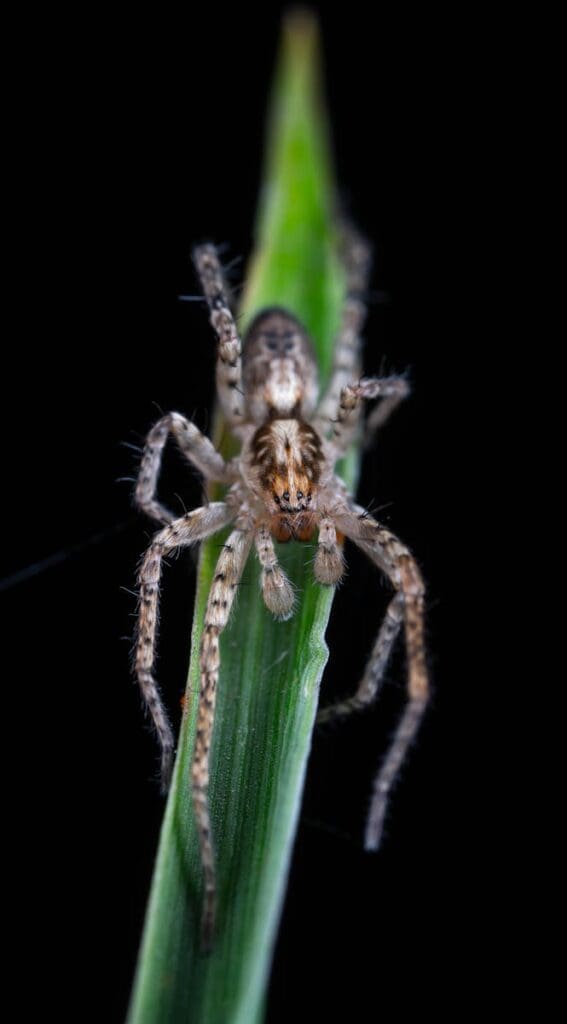
These light-colored spiders, known for their slightly elongated and delicate limbs, are often found both indoors and outdoors throughout the U.S. Their bite is painful and can cause blistering but is not life-threatening.
2. Green Lynx Spider

The vibrant green lynx spider, prevalent in the southern states, is more beneficial than harmful due to its insectivorous habits. While its bite can be painful, it generally results in only mild irritation and redness.
1. Garden Orb-Weaver Spider

Garden orb-weaver spiders are recognized for their intricate webs and colorful bodies. Though not dangerous, their bite can deliver mild venom effects similar to a bee sting, making them a low-risk species.
While some of the spiders featured in this list possess venom that can result in painful or medically significant bites, it’s essential to remember that fatal encounters are extremely rare. In fact, these spiders play a vital role in controlling insect populations and maintaining ecological balance. As with many wildlife species, the best approach is respectful coexistence, using caution and awareness to prevent negative encounters.

- How Crickets Chirp Using Their Wings - July 20, 2026
- The Largest Sea Turtle Ever Rescued Off North Carolina - July 20, 2026
- The Ocean’s Escape Artist: Why Octopuses Outsmart Us All - July 20, 2026