


Teaching your dog basic commands is an essential foundational step in establishing a well-behaved and happy pet. Commands like “sit,” “stay,” and “come” are not only practical for everyday interactions but also crucial for your dog’s safety. By learning these commands, your dog can enjoy more freedom as they become more reliable off-leash, and you’ll foster a stronger, more trusting bond between you both. Training sessions can be fun and rewarding, enhancing communication and reducing behavioral issues.
Preparation: What You Need to Get Started

Before diving into training, gather all necessary materials. Essential items include treats for rewards, a leash for control and focus, and a quiet, distraction-free environment to train effectively. Treats should be small, tasty, and easy for your dog to consume quickly. Consider clicker training, which uses a distinctive sound as a marker to indicate the correct behavior at the moment it occurs, followed by a treat. This method aids in faster learning and solidifies the association between the behavior and reward.
Mastering the “Sit” Command

Start with the “sit” command, as it is often the simplest for dogs to learn. Hold a treat close to your dog’s nose, then slowly move it upwards and slightly over their head. As the dog’s nose follows the treat, their bottom should naturally lower to the ground. As soon as they sit, say “sit” clearly, and offer the treat along with praise. Repeat this practice until your dog consistently follows the command without needing the hand gesture.
Perfecting the “Stay” Command

The “stay” command is useful for ensuring your dog remains in place, particularly in potentially dangerous situations. With your dog already in a sitting position, place your hand in front of them, palm facing outwards, and say “stay.” Take a few steps back, maintaining eye contact. If the dog stays, return to them, rewarding them with a treat and praise. Gradually increase the distance and duration, but always return to your dog to reward them for staying put. Consistency is key to mastering this command.
Introducing the “Come” Command

The “come” command is vital for recalling your dog back to you, especially outdoors. Start with your dog on a leash, using it to guide them towards you as you say “come.” Use an enthusiastic tone and reward them once they reach you. Practice calling your dog from varying distances, always rewarding them for coming to you. This command is particularly effective when combined with the “stay” command, adding to the obedience repertoire.
Troubleshooting Common Challenges
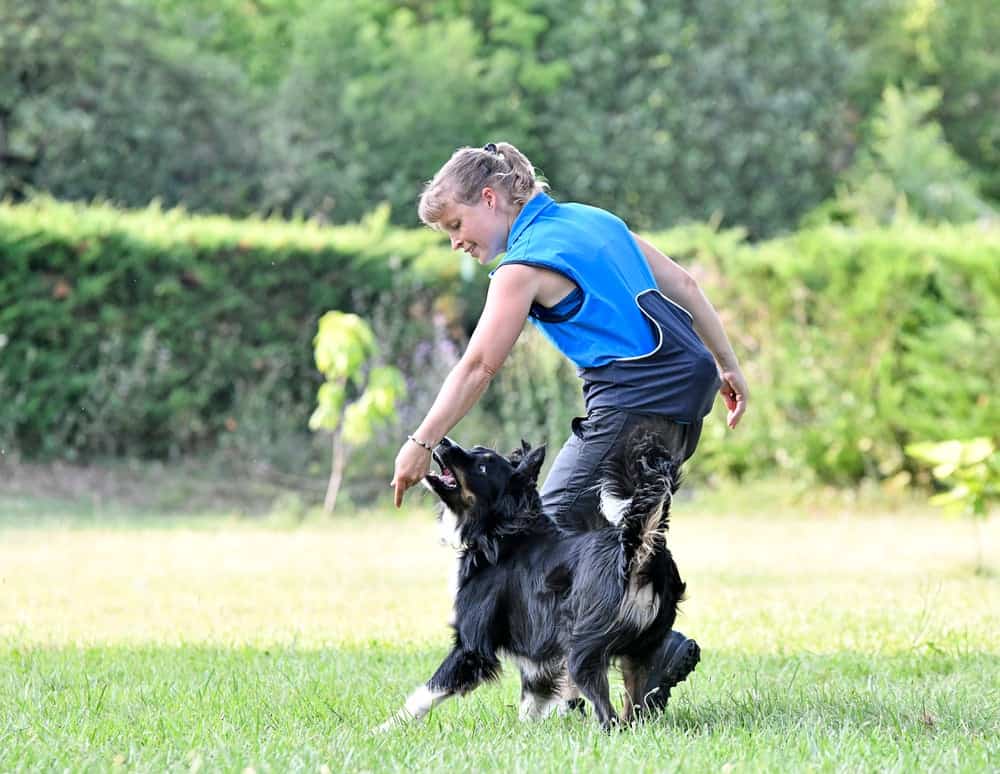
While teaching basic commands, you may encounter some difficulties. If your dog isn’t responding, ensure you’re using high-value treats and a distraction-free environment. Patience is critical; some dogs take longer to learn due to breed traits or past experiences. If frustration builds, take a break and try again later. Keep training sessions short, ideally 5-10 minutes each, to maintain your dog’s focus and enthusiasm.
Reward and Reinforcement

Positive reinforcement is the most effective training method. Reward your dog with treats, praise, or playtime whenever they successfully follow a command. Over time, you can gradually reduce treats, substituting with verbal praise, to ensure the behavior remains consistent even without the promise of food. Reinforcing good behavior strengthens your dog’s confidence and eagerness to comply.
The Importance of Consistency and Patience
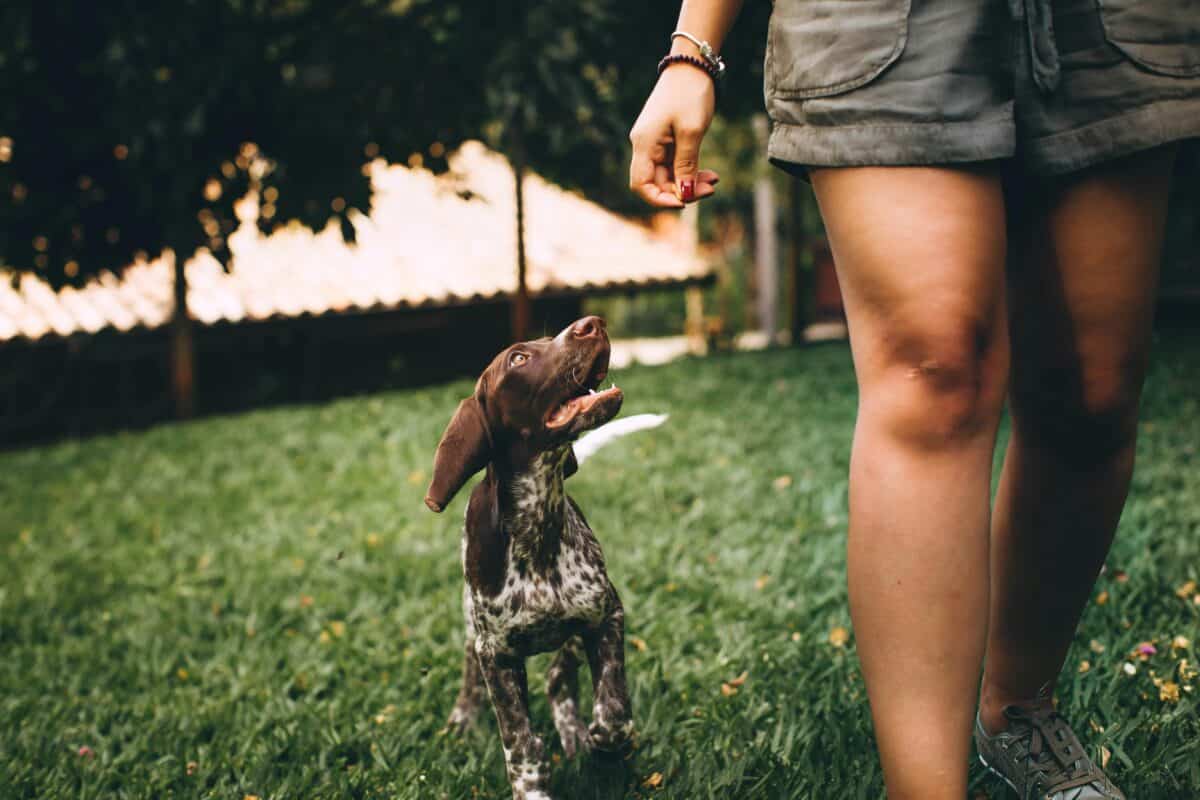
Consistency and patience are the cornerstones of successful dog training. Use the same commands and cues each time, and be consistent with rewards. A structured routine helps reinforce learning, embedding the desired behaviors in your dog’s mind. Remember, training is not instant. Some dogs may take weeks or even months to fully master certain commands, so patience is crucial to avoid frustration for both you and your pet.
Conclusion: Building a Lifelong Bond
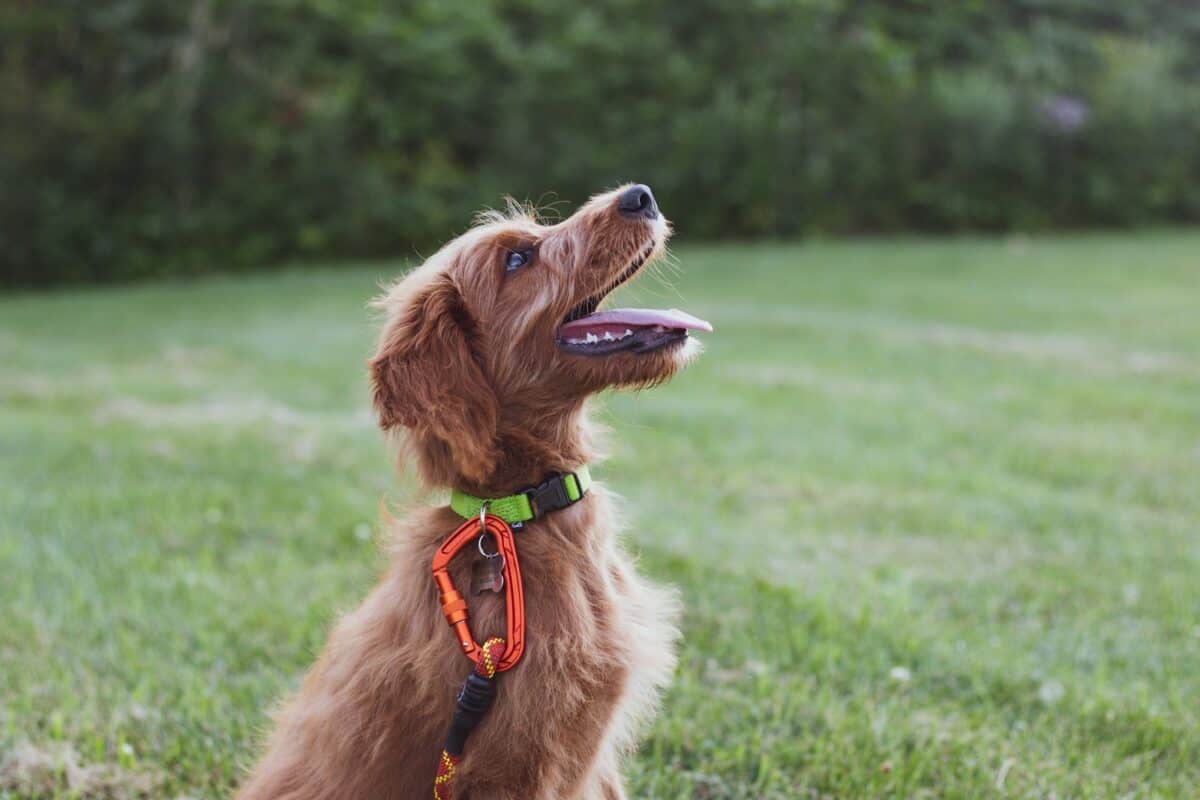
Teaching your dog basic commands is an investment in your pet’s well-being and your quality of life. Through a blend of preparation, consistency, and positive reinforcement, you’ll guide your dog through learning essential behaviors that ensure safety and enhance your bond. The process not only results in a well-behaved pet but also strengthens the love and trust between you and your furry companion, paving the way for a rewarding and harmonious life together.

From exploring the marine wonders in the Azores and witnessing the vast savannas of Kenya, to delving deep into the rich biodiversity of South Africa and traversing iconic landscapes in Australia and the US like Yellowstone, Chris's experiences are vast.
With a penchant for diving alongside sharks, the ocean holds a special place in his heart.
Through his academic insights, he champions wildlife conservation, striving with 'Animals Around The Globe' to cultivate a profound connection between humans and animals, enhancing our mutual appreciation.
Connect with him at Feedback@animalsaroundtheglobe.com.
- Diving with Tiger Sharks - August 1, 2026
- How the Stars Guide Your Spirit Animal - August 1, 2026
- The Bear as Ancestor: Indigenous Legends from North America and Siberia - August 1, 2026