


Creating a pet-friendly herb garden is a rewarding endeavor that can enhance both your home and your furry companions’ lives. Herbs offer delightful aromas, flavors, and functional benefits, many of which are safe and beneficial for pets. Designing a garden that caters to the safety and curiosity of pets involves selecting non-toxic plants, understanding the needs of both the plants and the animals, and creating a harmonious environment. Whether you’re a seasoned gardener or a beginner, this guide will help you craft a thriving herb garden that is considerate of your pets.
Why Choose a Pet-Friendly Herb Garden?
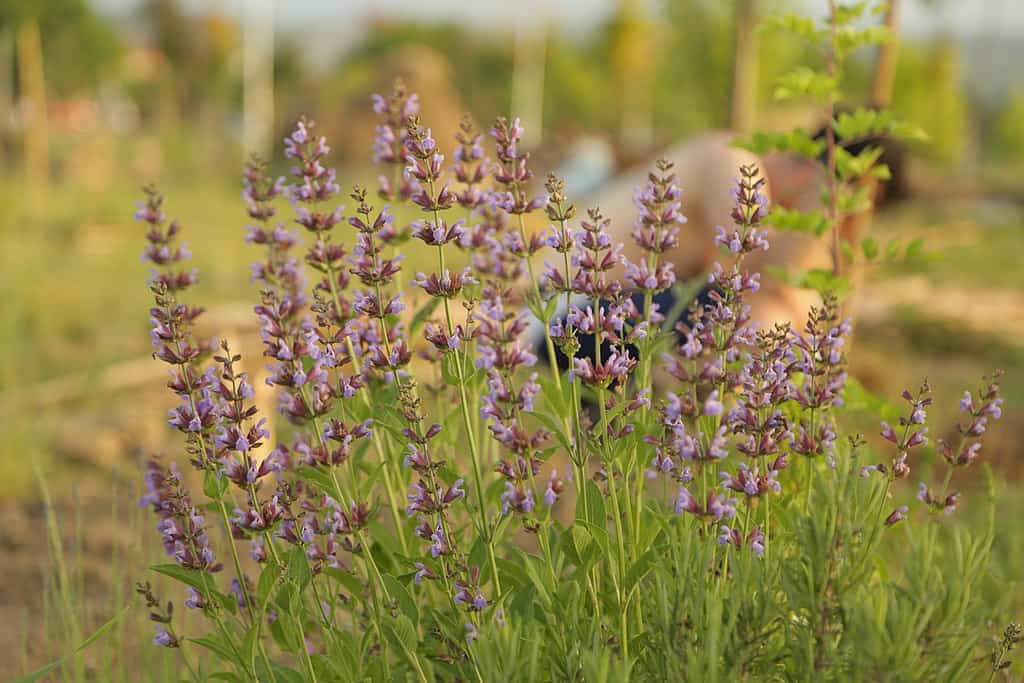
Pets, especially cats and dogs, often like to explore their surroundings, and gardens present a playground of scents and textures. However, safety is paramount as not all herbs are safe for consumption or exposure. By consciously choosing non-toxic herbs, you can ensure your pet’s safety while enhancing your home with fresh, natural ingredients that can also benefit your pet’s well-being. Furthermore, many herbs can help repel pests naturally, fostering a healthier environment for both your pets and plants.
Selecting Safe Herbs for Pets
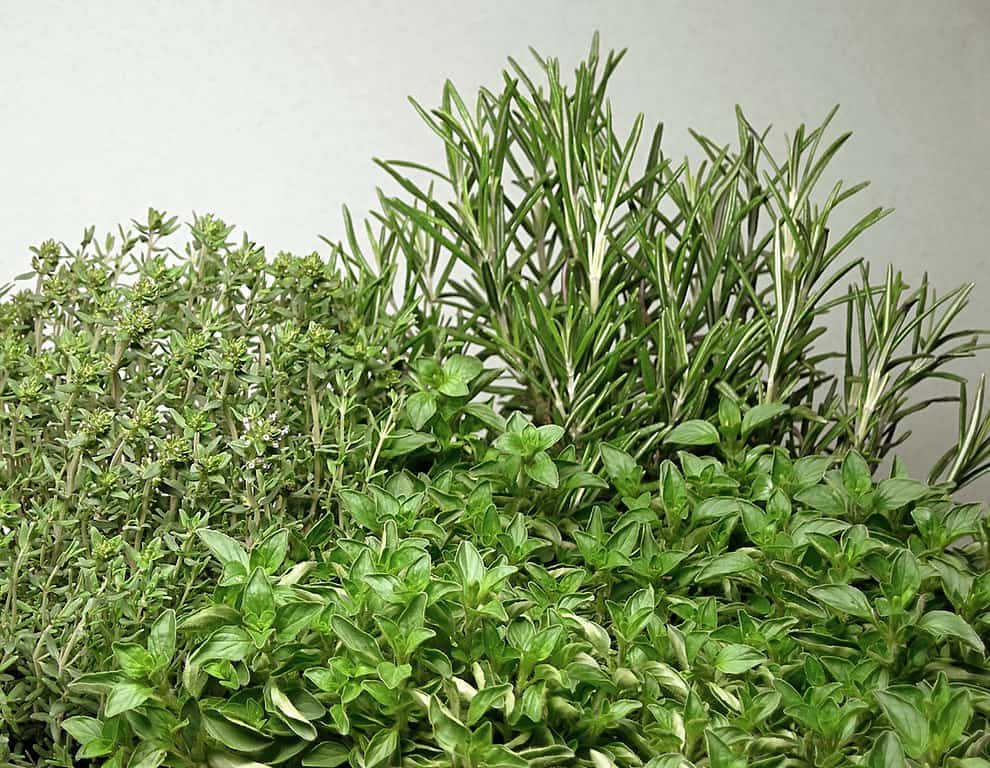
Selecting herbs that are non-toxic and potentially beneficial to pets is crucial. Here are some safe herb options:
– Basil: With its aromatic leaves, basil is non-toxic to both cats and dogs. It’s a versatile culinary herb and deters pests like mosquitoes.
– Thyme: Known for its antibacterial properties, thyme is safe for pets and can help promote oral health when included in pet diets in moderation.
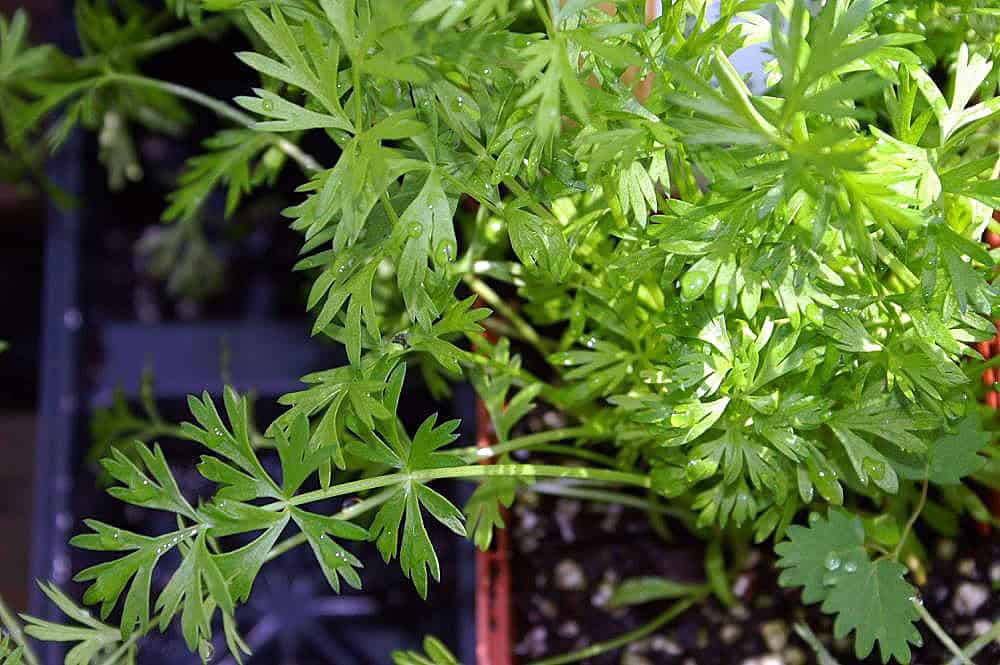
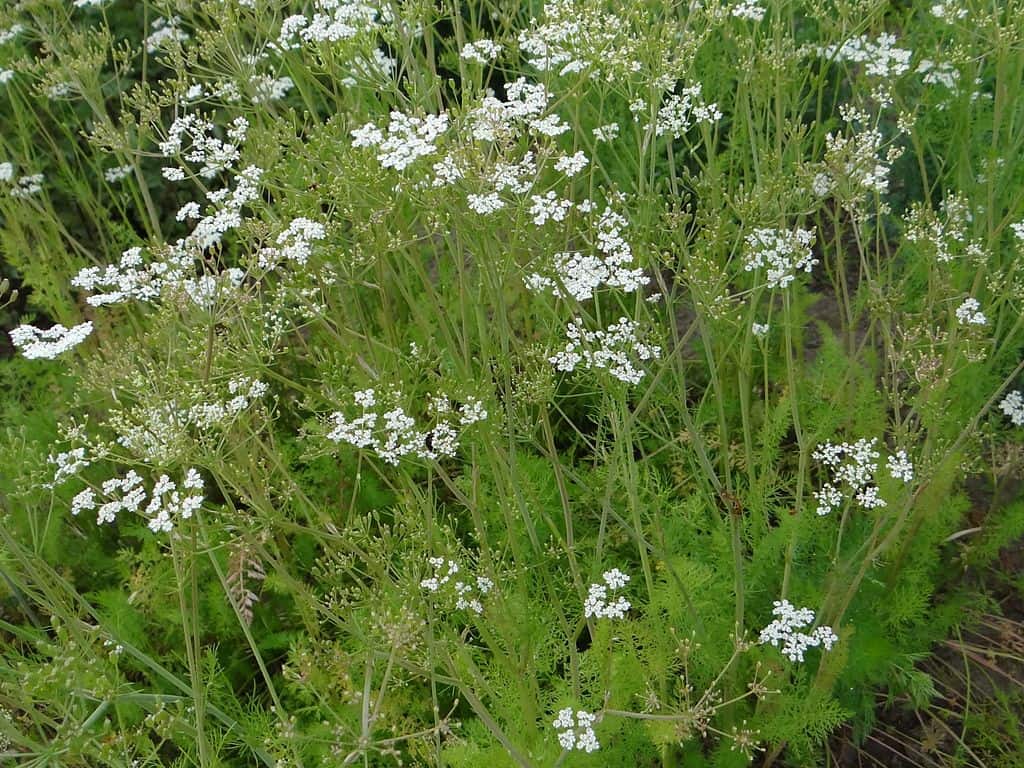
– Cilantro (Coriander): Cilantro is safe for pets and provides key vitamins and minerals.
– Parsley: Rich in antioxidants and vitamins, parsley can help freshen your pet’s breath and support overall health.
– Rosemary: This resilient herb is safe for most pets and offers a refreshing scent, along with natural pest-repelling properties.
– Dill: Both cats and dogs can safely enjoy dill, which can aid digestion and provide antioxidants.
Avoid planting potentially toxic herbs like chives, garlic, and any variety containing essential oils that may be harmful, such as some mint species.
Designing the Garden with Pets in Mind
Once you’ve chosen your herbs, the next step is to design a garden layout that accommodates your pets’ natural behaviors. Here are some tips:
– Raised Beds or Containers: Consider using raised beds or large containers for your herbs. This setup can keep plants out of the immediate reach of curious pets and protect them from destructive digging.
– Clear Pathways: Designate clear paths for your pets to navigate the garden without trampling your herbs. This can be achieved using ground coverings like mulch or gravel.
– Interactive Features: Incorporate elements like pet-safe water features or play areas with toys and scratching posts to divert your pets’ attention from the plants.
Maintenance Tips for a Thriving Pet-Friendly Herb Garden
Maintaining a pet-friendly herb garden requires regular care and attention. Here are some maintenance tips:
– Regular Monitoring: Keep an eye on your plants and pets. Look for signs of chewing or plant distress that might indicate issues such as infestations or over-exposure to pets.
– Organic Gardening Practices: Use organic soil, fertilizers, and pest control methods. Avoid using harsh chemicals that could harm pets if ingested or contacted.
– Appropriate Watering: Ensure your herbs get the appropriate amount of water without over-soaking the soil to prevent root rot.
– Pruning and Harvesting: Prune your herbs regularly to encourage healthy growth and periodically harvest to keep the plants bushy and productive.
Incorporating Harvested Herbs into Your Pet’s Routine

Once your garden matures, you can introduce these fresh herbs into your pet’s routine in safe, moderate amounts:
– Dietary Supplements: Mix small quantities of fresh herbs like parsley or basil into your pet’s food to provide nutritional benefits.
– Herbal Baths or Rinses: Use rosemary or thyme-infused water for pet baths to take advantage of their natural properties for coat health and flea prevention.
– Aromatherapy and Enrichment: Utilize dried herbs or herbal sachets around your pet’s sleeping areas to create calming and enriching environments.
Conclusion

Growing a pet-friendly herb garden offers a multifaceted experience, enhancing your home aesthetics, improving your culinary endeavors, and enriching your pet’s life. By choosing safe herbs, designing pet-conscious garden spaces, and maintaining them with care, you create a vibrant and sustainable environment. Embrace the blend of utility and beauty in your garden while ensuring that your beloved pets can enjoy and explore without risk. With thoughtful planning and routine care, your pet-friendly herb garden will thrive as a true sanctuary for both flora and fauna.

As a little kid, I fell in love with nature, wildlife, and animals. Living in the USA, South Africa, Italy, China and Germany gave me the opportunity to discover the world's Wildlife. My favorite animals are Mountain Gorillas, Siberian Tigers, and Great White Sharks.
I'm a certified PADI Open Water Diver, went to Everest Base Camp and Trekked Gorillas in Uganda. I hold a Master of Science in Economics and Finance.
Please send any feedback to feedback@animalsaroundtheglobe.com
- 13 Cat Breeds That Get Along with Dogs - July 20, 2026
- The 12 Largest Dog Breeds That Still Love to Cuddle - July 20, 2026
- 12 Pet Habits That Secretly Mean They Love You - July 20, 2026