


African elephants, the largest land mammals on Earth, are remarkable creatures known not only for their intelligence and social structures but also for their unique hygiene routines. Maintaining cleanliness is crucial for these gentle giants as it influences their health, aids in thermoregulation, and plays a role in social bonding within their herds.
Understanding the African Elephant’s Skin

The skin of an African elephant is thick and rugged—up to 2.5 cm (about an inch) in some places. Despite this tough exterior, their skin is sensitive and requires regular care to prevent cracking and infections. The unique texture, with deep grooves and cracks, not only adds to the majestic appearance of these animals but also serves practical purposes by retaining moisture and protecting them from harmful parasites.
Dust Bathing Nature’s Sunscreen

One of the most observable hygiene behaviors in African elephants is dust bathing. After a mud bath, elephants frequently cover themselves with dirt or dust using their trunks. This seemingly simple action serves multiple functions: it acts as a natural sunscreen, shielding the elephant’s sensitive skin from the harsh African sun, and serves as an insect repellent, deterring parasites and providing relief from insect bites.
Mud Baths Cool Down and Cleanse
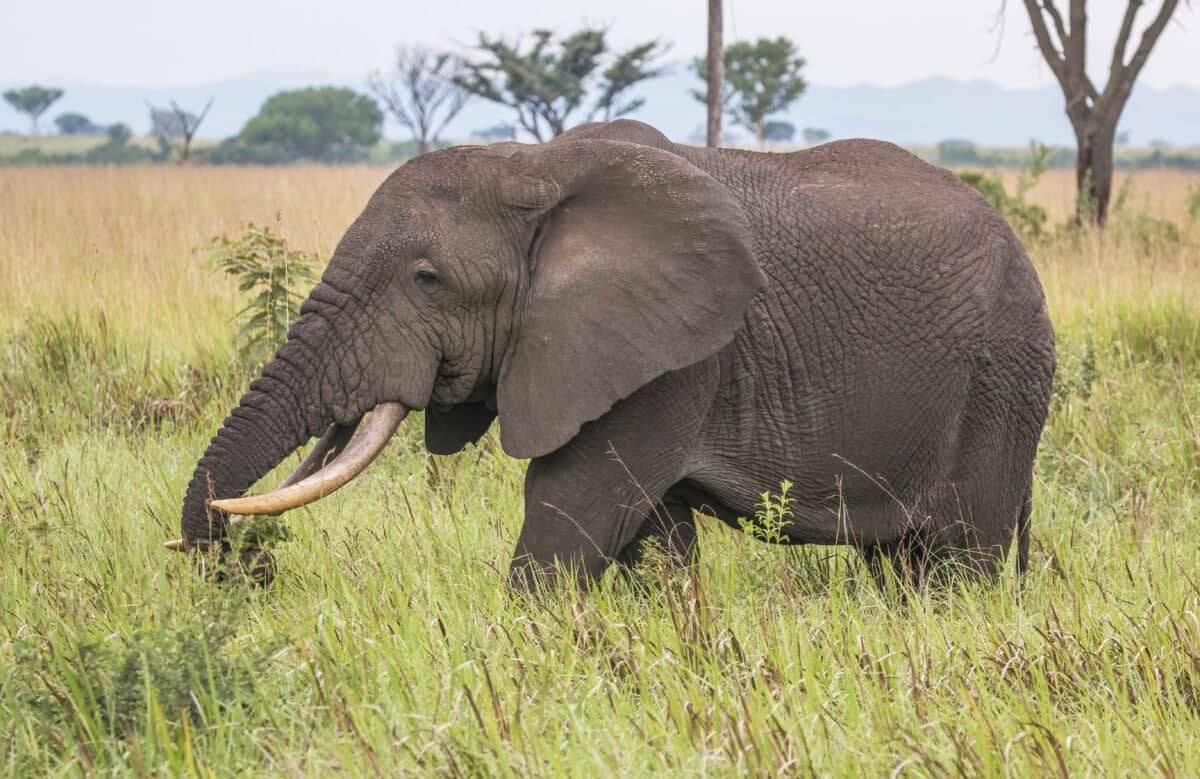
Bathing in mud is another essential component of an elephant’s hygiene routine. Elephants often indulge in mud baths by rolling in mud pools. This habit not only helps in cooling them down during hot weather but also aids in cleaning off loose skin and pesky parasites. As the mud dries, it creates a crust that can be rubbed off against trees, removing unwanted parasites and dead skin.
Watering Holes A Community Affair

The importance of water in an elephant’s hygiene cannot be overstated. African elephants are frequent visitors to watering holes, where they engage in activities like drinking, swimming, and spraying. Elephants have a particular affinity for water, using their trunks to spray themselves or other members of the herd, a behavior that reinforces social bonds. This also effectively washes away dust, mud, and small parasites.
Skin Care through Scratching
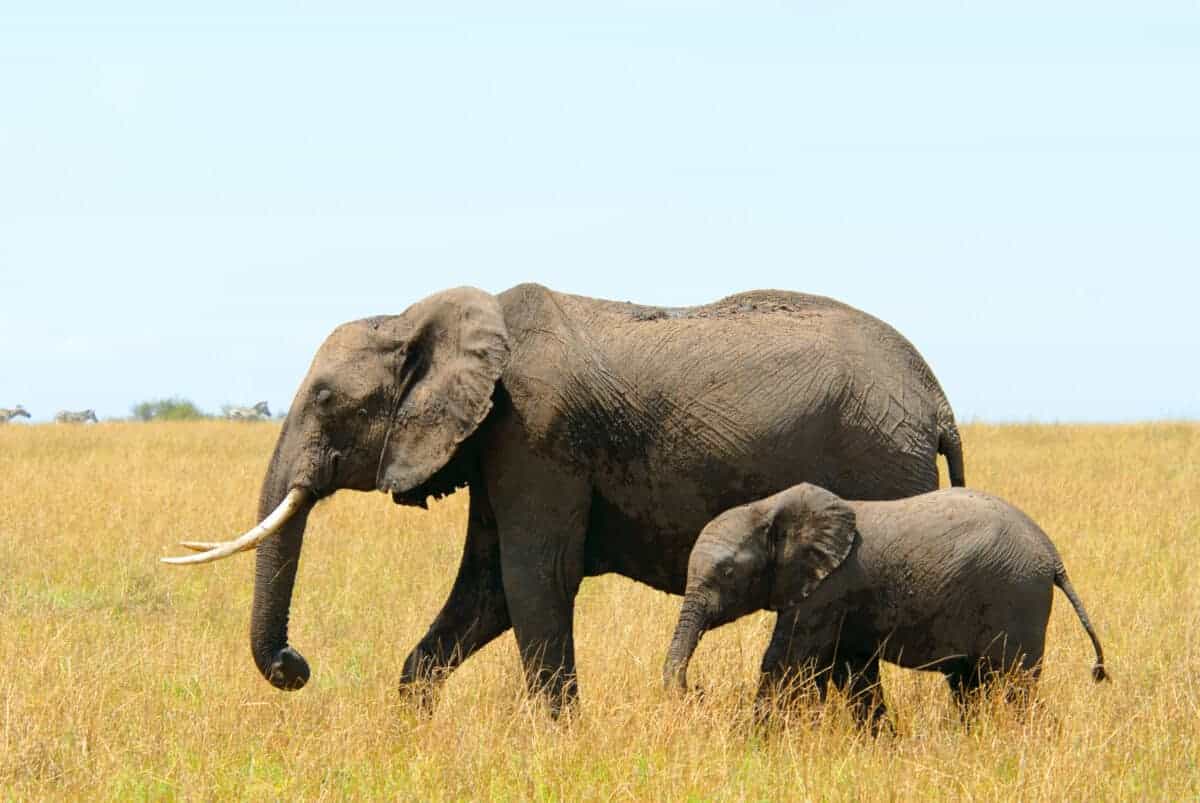
Additionally, elephants employ various natural objects, such as trees or rocks, to scratch themselves. This behavior serves as an important aspect of their hygiene, as it helps remove dead skin cells, dried mud, and any parasites that may have attached to them. A good scratching session is not only practical but also appears to be quite enjoyable for the elephants, indicative of the intertwined nature of functional and pleasurable behaviors in their hygiene practices.
Social Grooming and Bonding

In African elephants, social grooming is a significant activity, often observed in breeding herds. By using their trunks, elephants delicately remove debris and parasites from each other’s heads and backs. Although not as common as in primates, this behavior still plays a crucial role in maintaining cleanliness and fostering strong social bonds within the herd. These interactions are critical for maintaining peace and cooperation among the group members.
Conclusion: Hygiene as a Multifaceted Practice

The hygienic practices of African elephants are multifaceted and integral to their survival and social structure. Through dust and mud baths, the use of water, scratching, and social grooming, elephants maintain their health and strengthen their social connections. These behaviors illustrate the complexity of their ecology and highlight the importance of conserving their natural habitats, which provide the resources necessary for maintaining their hygiene and overall well-being.

As a little kid, I fell in love with nature, wildlife, and animals. Living in the USA, South Africa, Italy, China and Germany gave me the opportunity to discover the world's Wildlife. My favorite animals are Mountain Gorillas, Siberian Tigers, and Great White Sharks.
I'm a certified PADI Open Water Diver, went to Everest Base Camp and Trekked Gorillas in Uganda. I hold a Master of Science in Economics and Finance.
Please send any feedback to feedback@animalsaroundtheglobe.com
- The 17 Favorite Pets In The US - August 15, 2026
- 18 Strange Ways Snakes Use Their Tongues - August 15, 2026
- Top 4 Colors That Attract Sharks - August 15, 2026