


When we think of climate change solutions, our minds often jump to renewable energy, reforestation, and carbon capture technology. But did you know that some animals are naturally helping us combat climate change every day?
From whales that boost ocean carbon storage to beavers that create wetlands and wolves that regulate ecosystems, these creatures play a crucial role in maintaining carbon sinks, preventing wildfires, and restoring degraded habitats.
In this blog, we’ll explore 11 incredible animals that are helping fight climate change in ways you may never have imagined. Their survival isn’t just important for biodiversity—it’s essential for the health of our planet.
Let’s take a closer look at these natural climate warriors and the surprising roles they play.
1. Whales – The Ocean’s Secret Weapon Against Climate Change

Whales are more than just majestic giants of the sea—they play a crucial role in fighting climate change by helping regulate carbon levels in the ocean and atmosphere.
Whales as Carbon Sinks
- Throughout their lifespans, great whales can sequester around 33 tons of CO₂ each—far more than most trees.
- In contrast, an average tree absorbs only 48 pounds of CO₂ per year, meaning a single whale’s impact outmatches thousands of trees over its lifetime.
- When whales die, their bodies sink to the ocean floor, trapping that stored carbon for centuries and preventing it from re-entering the atmosphere.
Phytoplankton Fertilizers
- Whale movements and nutrient-rich feces stimulate the growth of phytoplankton, microscopic plants that capture about 40% of the CO₂ produced annually—equivalent to what 1.7 trillion trees absorb.
- By feeding at deep levels and excreting near the surface, whales redistribute essential nutrients, making ocean ecosystems more productive and increasing phytoplankton’s ability to pull carbon from the air.
With their massive role in carbon sequestration and ocean productivity, whales are some of the most powerful climate allies we have—showing that conservation isn’t just about saving species, but also saving the planet.
2. Beavers – Nature’s Engineers and Carbon Guardians
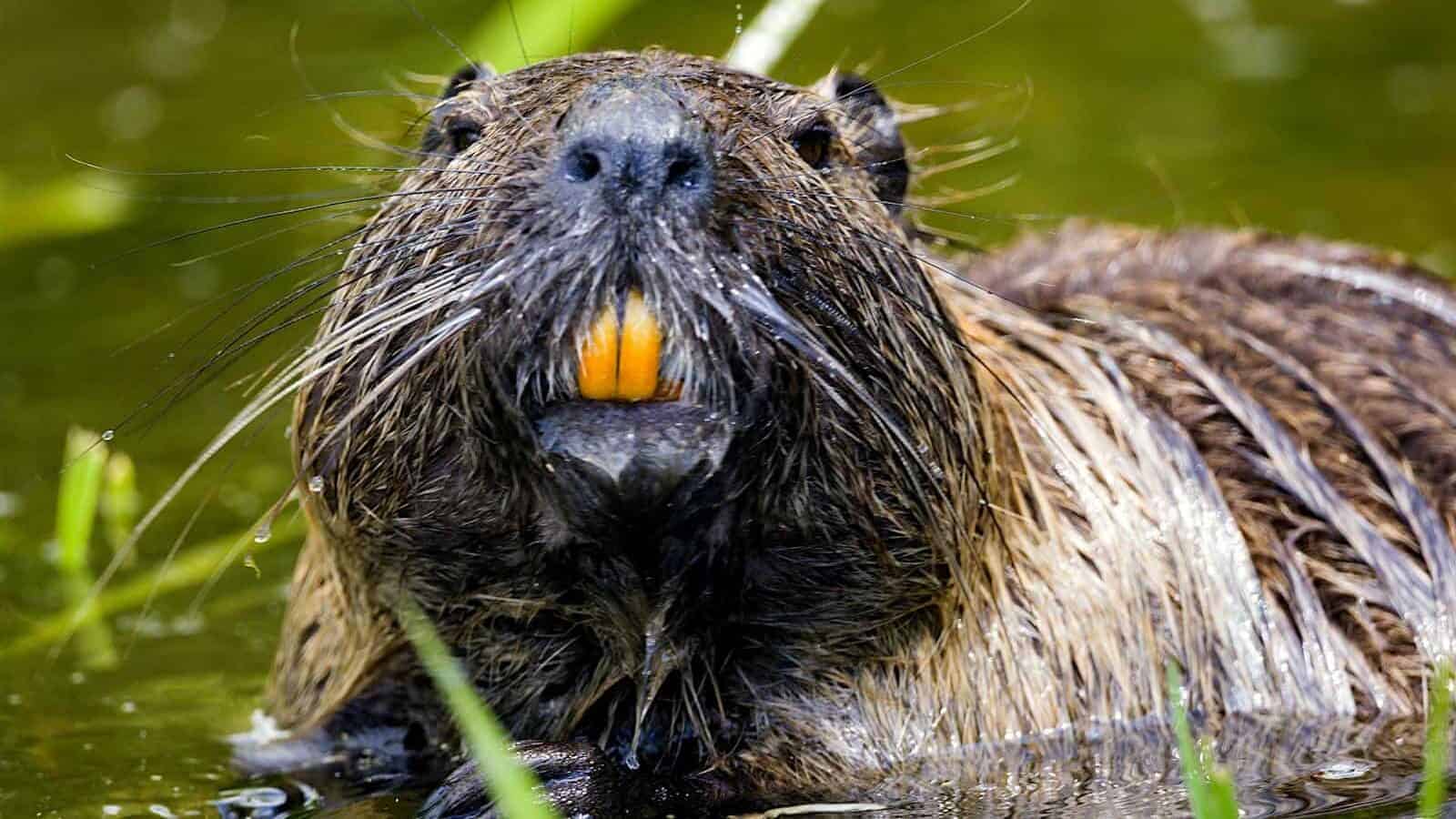
Beavers aren’t just busy builders—they’re also helping to fight climate change by creating wetlands that store carbon, prevent floods, and even reduce wildfire damage.
Beaver Wetlands as Carbon Storage
- When beavers build dams, they slow down water flow, creating wetlands that accumulate organic material over time.
- These wetlands act as natural carbon sinks, trapping carbon in mud, plants, and decaying material instead of releasing it into the atmosphere.
- While global carbon storage figures for beaver wetlands are still being studied, their impact is undeniable in preserving organic carbon.
Flood and Fire Mitigation
- Slowing down water flow reduces the risk of extreme flooding, helping ecosystems adapt to heavier rainfall and changing climate patterns.
- Beaver-created wetlands act as natural firebreaks, maintaining moist landscapes that prevent wildfires from spreading and destroying carbon-storing forests.
By reshaping their environments, beavers don’t just benefit themselves—they provide crucial climate resilience for entire ecosystems, proving that sometimes, the best climate engineers are the ones with buck teeth and a love for building dams.
3. Wildebeest – Grassland Managers and Climate Defenders
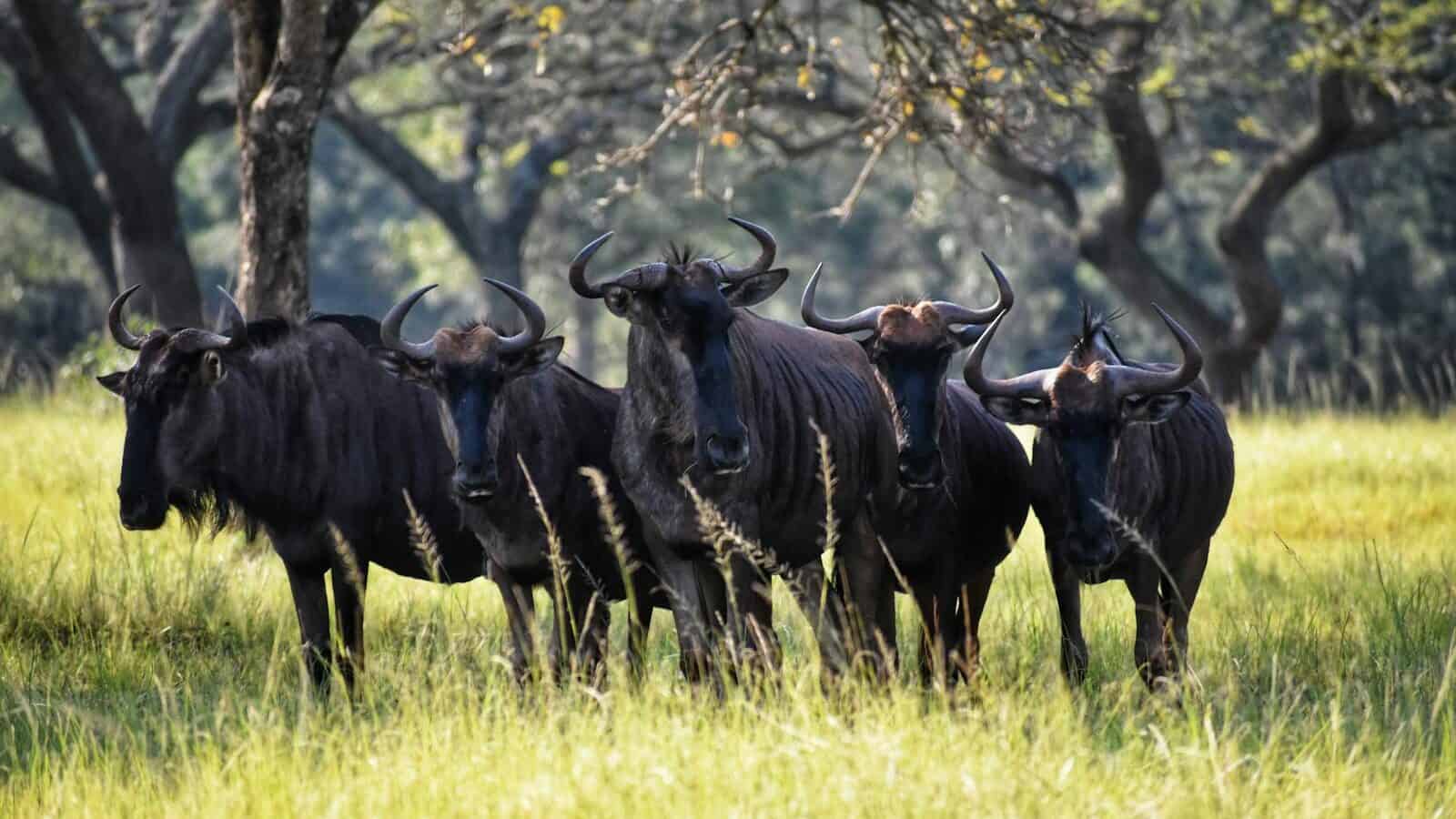
Wildebeest (Connochaetes) may not be the first animals that come to mind in the fight against climate change, but their impact on grassland ecosystems is profound. By grazing and maintaining balance in the Serengeti, these hoofed mammals help reduce wildfires and promote carbon storage.
Grassland Management and Fire Prevention
- When wildebeest populations declined in the 1950s, uncontrolled grass growth led to frequent and intense wildfires, burning up to 80% of the Serengeti’s grassland each year.
- These fires released massive amounts of CO₂, turning the ecosystem into a net carbon source rather than a carbon sink.
- As wildebeest populations recovered to over 1 million today, their grazing has kept grasslands shorter, significantly reducing wildfire frequency and intensity.
Carbon Sequestration in the Serengeti
- By preventing unchecked grass growth, wildebeest help create conditions where soils and vegetation can absorb and store carbon efficiently.
- The Serengeti has shifted back into a carbon sink, meaning it captures more CO₂ than it emits, thanks in part to wildebeest grazing patterns.
Climate Challenges for Wildebeest
- Climate change threatens traditional migration routes, as altered rainfall patterns disrupt the availability of fresh grazing land and water.
- If migration patterns are severely impacted, wildebeest numbers could decline, leading to increased fire risks and reduced carbon sequestration in the Serengeti.
By simply following their natural grazing behaviors, wildebeest help keep one of Africa’s most iconic landscapes resilient against climate change—proving that even the largest migrations on Earth have a direct impact on the planet’s carbon balance.
4. African Forest Elephants – Giant Gardeners Fighting Climate Change
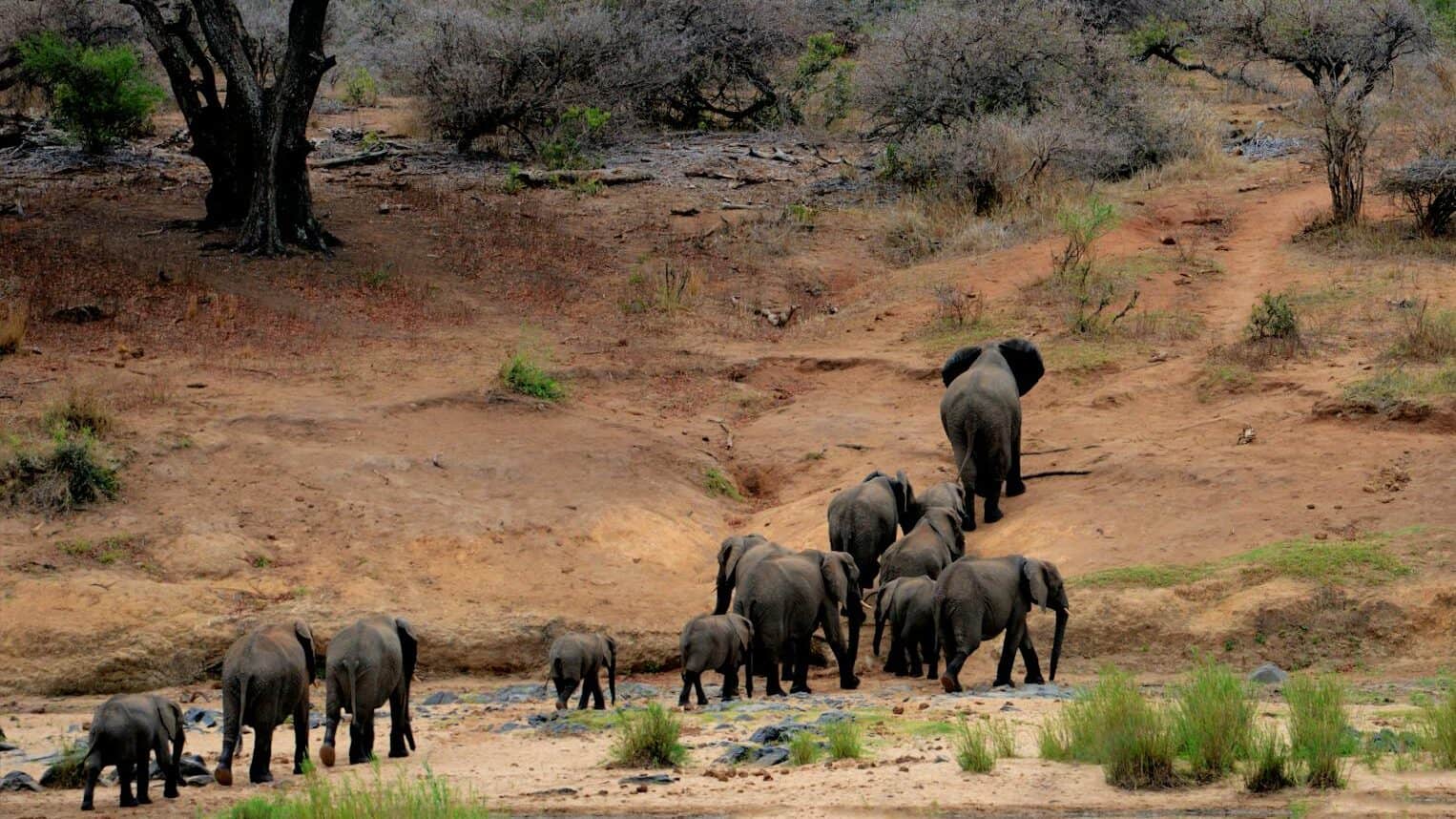
African forest elephants (Loxodonta cyclotis) do far more than roam the dense jungles of Central and West Africa—they play a vital role in maintaining forest ecosystems and boosting carbon sequestration.
How Elephants Enhance Carbon Storage
- As they forage and trample smaller vegetation, elephants thin out dense forests, allowing larger trees more access to sunlight, water, and nutrients.
- Bigger trees store more carbon than smaller plants, making forests more effective at capturing CO₂.
- It’s estimated that elephants can increase carbon capture by over 6,000 metric tons of CO₂ per square kilometer—an enormous climate benefit.
Seed Dispersal – Nature’s Reforestation Experts
- Forest elephants consume a wide variety of fruits and plants and disperse seeds over vast areas through their dung.
- This encourages plant diversity, helping forests regenerate and absorb even more carbon.
- Some tree species rely almost entirely on elephants for seed dispersal, making them crucial for maintaining healthy ecosystems.
The Urgent Need for Conservation
- Over the past 30 years, African forest elephant populations have declined by more than 86% due to poaching and habitat destruction.
- Their loss not only threatens biodiversity but reduces the carbon sequestration capacity of tropical forests, making climate change even worse.
Protecting these “ecosystem engineers” isn’t just about saving a species—it’s about preserving the lungs of the planet and ensuring forests continue to fight climate change for generations to come.
5. Bees – Small Pollinators with a Big Climate Impact
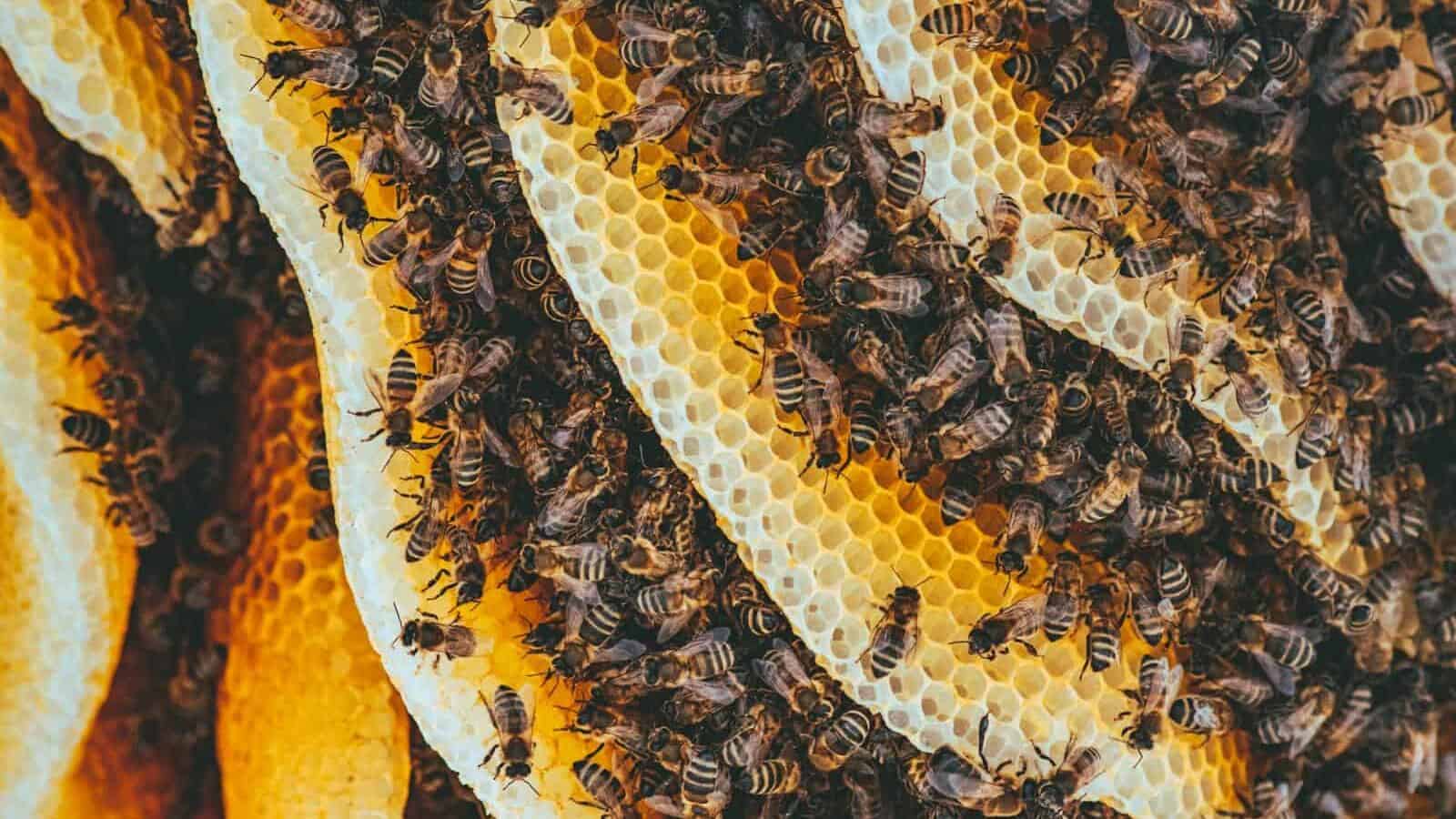
Bees may be tiny, but their role in fighting climate change is massive. As key pollinators, they support the growth of plants that absorb and store carbon, making them essential to both agriculture and natural ecosystems.
Pollination and Carbon Sequestration
- Bees help pollinate about 75% of global food crops, ensuring the growth of forests, grasslands, and agricultural plants that pull CO₂ from the atmosphere.
- By enabling plants to produce seeds and reproduce, bees enhance plant biomass, leading to greater carbon storage in soil and vegetation.
Beyond Food Crops – Supporting Wild Ecosystems
- Bees don’t just help farms—they also pollinate wildflowers, shrubs, and trees, which contribute to natural carbon sequestration.
- Healthy, pollinator-supported ecosystems prevent desertification, keeping soil rich, plant life thriving, and carbon locked away.
Without bees, plant populations would decline, reducing the planet’s ability to absorb carbon and worsening climate change. By protecting bees, we’re not just saving pollinators—we’re protecting one of nature’s most effective carbon-fighting systems.
6. Tigers – Protectors of Carbon-Storing Forests
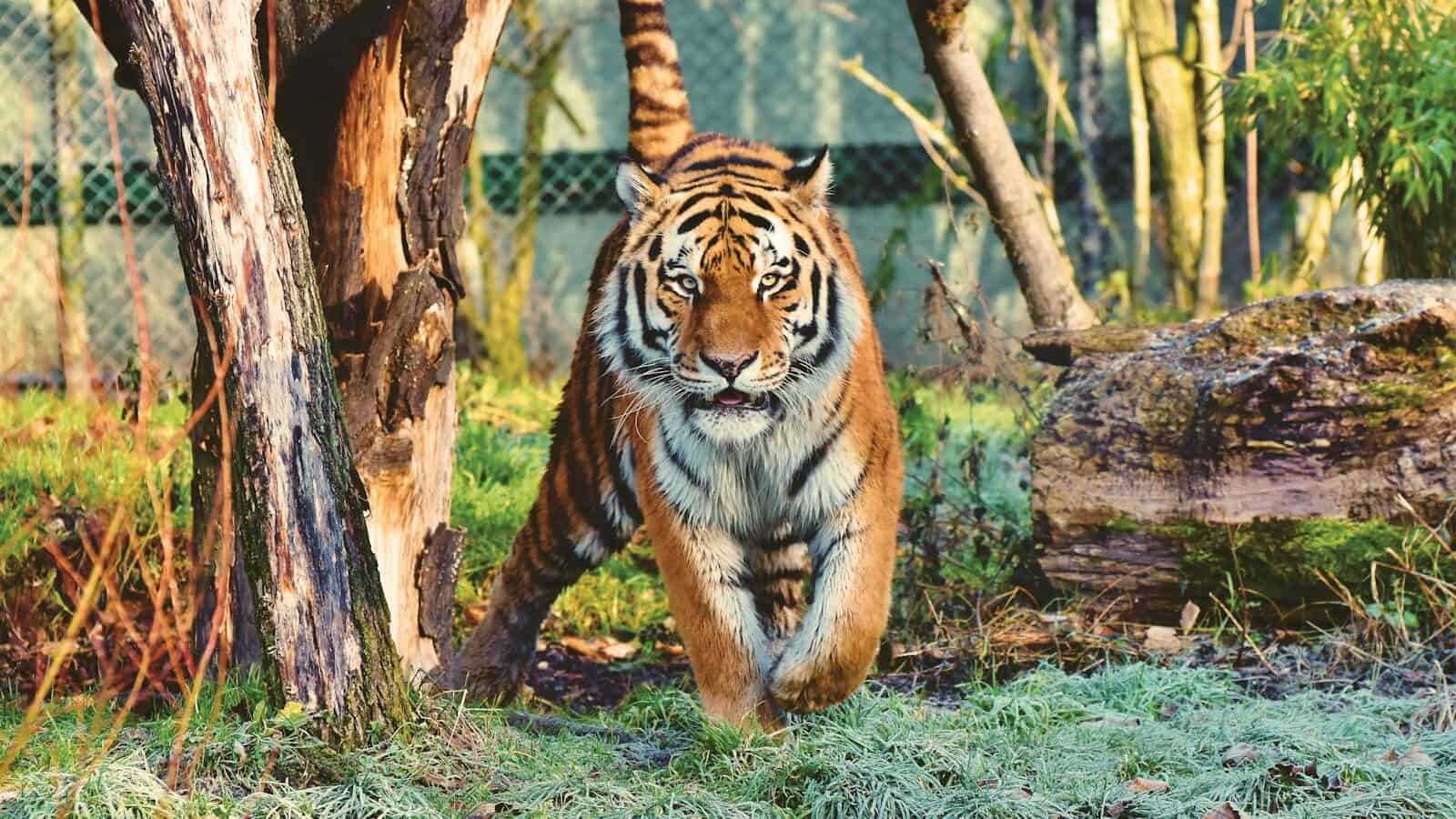
Tigers aren’t just top predators—they’re key players in maintaining healthy forests, which serve as massive carbon sinks. By keeping ecosystems in balance, tigers help ensure that forests remain rich, biodiverse, and effective at absorbing CO₂.
How Tigers Help Forests Store Carbon
- As apex predators, tigers control populations of herbivores like deer and wild boar.
- Without tigers, herbivore populations can explode, leading to overgrazing and forest degradation.
- Healthy forests store more carbon, preventing it from re-entering the atmosphere.
The Carbon Power of Tiger Habitats
- The forests of the Russian Far East, home to Amur tigers, store a staggering 950 million tons of carbon.
- Preserving tiger habitats isn’t just about saving a species—it’s about protecting massive carbon sinks that help regulate the global climate.
By protecting tigers, we’re not just saving an iconic species—we’re safeguarding the forests that act as natural climate warriors, proving that predators are just as crucial to climate health as trees themselves.
7. Wolves – Nature’s Carbon-Conscious Predators

Wolves are more than just apex predators—they play a critical role in maintaining healthy ecosystems that support carbon sequestration. By keeping herbivore populations in check, they help prevent overgrazing, which allows forests and grasslands to thrive and store carbon more effectively.
Regulating Herbivore Populations
- Without wolves, deer and elk populations can explode, leading to overgrazing that strips vegetation, depletes soil nutrients, and reduces carbon absorption.
- By preying on these herbivores, wolves keep plant life healthy, allowing trees and grasses to sequester more CO₂.
Wolves Create Wetlands – Unexpected Carbon Sinks
- Wolves don’t just control populations—they alter herbivore behavior by discouraging them from lingering in one area for too long.
- This gives vegetation a chance to recover, sometimes leading to the formation of wetlands and wet meadows, which are powerful carbon sinks.
- These ecosystems store massive amounts of carbon, filtering water and supporting biodiversity in the process.
By keeping ecosystems balanced, wolves contribute to carbon sequestration and habitat restoration, proving that predators play a vital role in the fight against climate change.
8. Tapirs – The Gardeners of the Rainforest

Tapirs are forest architects, playing a crucial role in seed dispersal and reforestation. Their movements help restore degraded forests, making them a key species for carbon sequestration and climate resilience.
Seed Dispersal and Forest Regeneration
- Tapirs consume fruits and transport seeds across large areas, effectively replanting forests as they roam.
- These seeds grow into carbon-absorbing trees, increasing the long-term storage of CO₂ in tropical ecosystems.
- Because tapirs travel long distances, they help spread biodiversity and support tree species that might not survive otherwise.
Restoring Degraded Forests
- Research shows that tapirs spend more time in degraded forests, where their seed dispersal efforts accelerate natural reforestation.
- By helping forests recover, tapirs increase carbon storage capacity, making them one of nature’s most efficient rewilding agents.
Protecting tapirs doesn’t just preserve a species—it supports forest health, ensuring that rainforests continue absorbing carbon and mitigating climate change.
9. Pangolins – Nature’s Pest Control and Soil Engineers

Pangolins may be best known for their armored scales, but their real superpower lies in controlling insect populations and improving soil health, both of which help combat climate change.
Pest Control for Carbon Sequestration
- A single pangolin can consume up to 70 million ants and termites per year.
- By keeping termite populations in check, pangolins prevent excessive damage to trees and vegetation, ensuring these plants continue absorbing CO₂ efficiently.
Soil Aeration and Nutrient Cycling
- While foraging, pangolins dig burrows and overturn soil, improving aeration and nutrient distribution.
- This process stimulates plant growth, increasing the ecosystem’s ability to sequester carbon.
- Their burrows also create shelters for other small species, contributing to overall biodiversity.
Though heavily trafficked for the illegal wildlife trade, protecting pangolins means protecting ecosystems that store carbon and maintain environmental balance.
10. Rhinos – The Landscape Architects of the Savanna
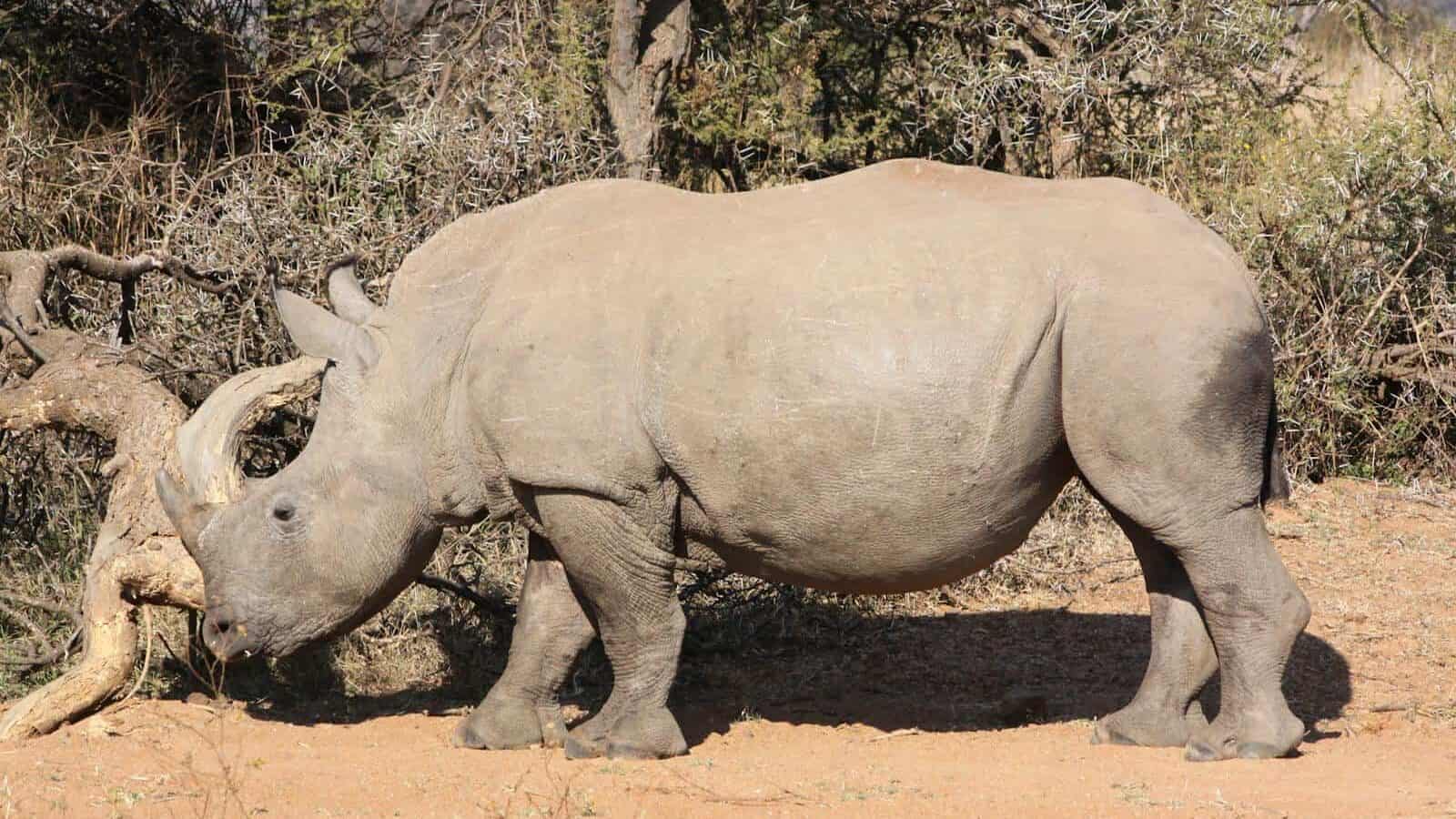
Rhinos are megaherbivores that shape entire ecosystems with their grazing and wallowing behaviors, ensuring grasslands remain some of the most effective carbon sinks on Earth.
Savanna Maintenance and Carbon Storage
- Rhinos graze selectively, keeping grasslands open and preventing woody plant encroachment, which enhances the savanna’s ability to absorb CO₂.
- These maintained ecosystems support carbon-sequestering plant life while providing food for other herbivores.
Creating Water Sources for Climate Resilience
- Rhinos wallow in mud, forming waterholes that sustain a wide range of species.
- These water sources support vegetation that captures and stores carbon, contributing to a balanced and resilient ecosystem.
With poaching and habitat destruction threatening their survival, conserving rhinos is essential for protecting savannas as effective carbon sinks.
11. Giraffes – Silent Climate Guardians of the Forest

Giraffes aren’t just towering icons of Africa—they play a key role in tree regeneration, pollination, and soil enrichment, all of which enhance carbon sequestration.
Pollination and Seed Dispersal
- Thanks to their height, giraffes feed on treetops that other herbivores can’t reach, aiding in pollination and seed dispersal.
- This promotes the growth of new trees, increasing forest cover and carbon storage.
Soil Fertilization for Stronger Ecosystems
- Giraffe dung is rich in nutrients, acting as a natural fertilizer that enhances soil health and plant growth.
- Stronger, healthier vegetation absorbs more CO₂, making giraffes an important part of the carbon cycle.
By maintaining tree diversity and enriching the land, giraffes help ensure that African ecosystems continue absorbing carbon and mitigating climate change.
Final Thoughts – Protecting Nature’s Climate Warriors
From whales fertilizing ocean ecosystems to beavers engineering wetlands and wolves keeping forests green, these animals are unsung defenders against climate change. Their survival helps maintain the balance of nature, ensuring we don’t lose crucial carbon sinks and biodiverse habitats.
However, most of these species are under threat—from poaching to habitat loss, from pollution to a warming planet. If we fail to protect them, we also fail to protect the natural processes that help stabilize our climate. Simply put: saving these animals is saving ourselves and the ecosystems that keep us all alive.
So, the next time you marvel at a breaching whale or witness a beaver dam, remember: they’re not just majestic or industrious. They’re among our greatest allies in the fight against climate change. Let’s give them the respect, space, and protection they deserve.
Which animal’s climate contribution surprised you the most? Share your thoughts below! And if you know a friend who thinks only solar panels can save the planet, send them this blog—these critters just might change their mind.

- The Mammal With the Most Unusual Fur Texture - July 8, 2026
- The Biggest Catfish Ever Caught – A True River Monster - July 5, 2026
- The Legendary Camargue Horses of France – Born to Run Free - July 5, 2026