

In the vast tapestry of life that covers our planet, there are countless creatures that defy the imagination with their charm and uniqueness. Often overshadowed by more familiar faces like dogs, cats, and elephants, there exists a multitude of lesser-known, yet incredibly cute animals that are waiting to be discovered. Join us on an exciting exploration as we unveil 30 of the cutest animals you probably didn’t know existed. From the forests of Madagascar to the depths of the Pacific Ocean, each one of these fascinating creatures has its own story to tell.
Tarsier The Tiny Primate with Big Eyes

The tarsier, a small primate native to Southeast Asia, is most notable for its enormous eyes, which are fixed in its skull. This enables the tarsier to have excellent night vision, a vital adaptation for its nocturnal lifestyle. Despite their small size, tarsiers are fierce predators of insects and small vertebrates, launching themselves from branch to branch with agility and precision.
Quokka The Happiest Animal on Earth

Native to a small area of southwestern Australia, the quokka is often referred to as the happiest animal on Earth due to its friendly, seemingly smiling face. These herbivorous marsupials are known for their approachable nature, frequently engaging with human visitors on Rottnest Island. Quokkas live in family groups and highly value social structure, using a combination of vocal signals and body language to communicate.
Axolotl The Mexican Walking Fish

The axolotl is not actually a fish but a type of salamander that’s capable of remarkable regenerative abilities, being able to regrow entire limbs, parts of their heart, and even sections of their brain. Inhabiting the lake complex of Xochimilco near Mexico City, these aquatic creatures retain their larval features throughout adulthood, a phenomenon known as neoteny, which includes their cute feathery gills.
Pika The Alpine Cuddler

The pika, a small mammal found in Asia and North America’s mountain ecosystems, resembles a rabbit but is actually more closely related to the hare. Known for their “ee-ee” vocalizations, pikas are industrious creatures, collecting and storing hay piles to sustain themselves through harsh winters. Their fluffy bodies and endearing calls have cemented their status as one of nature’s cutest creatures.
Sea Otter The Tool-Using Marine Mammal
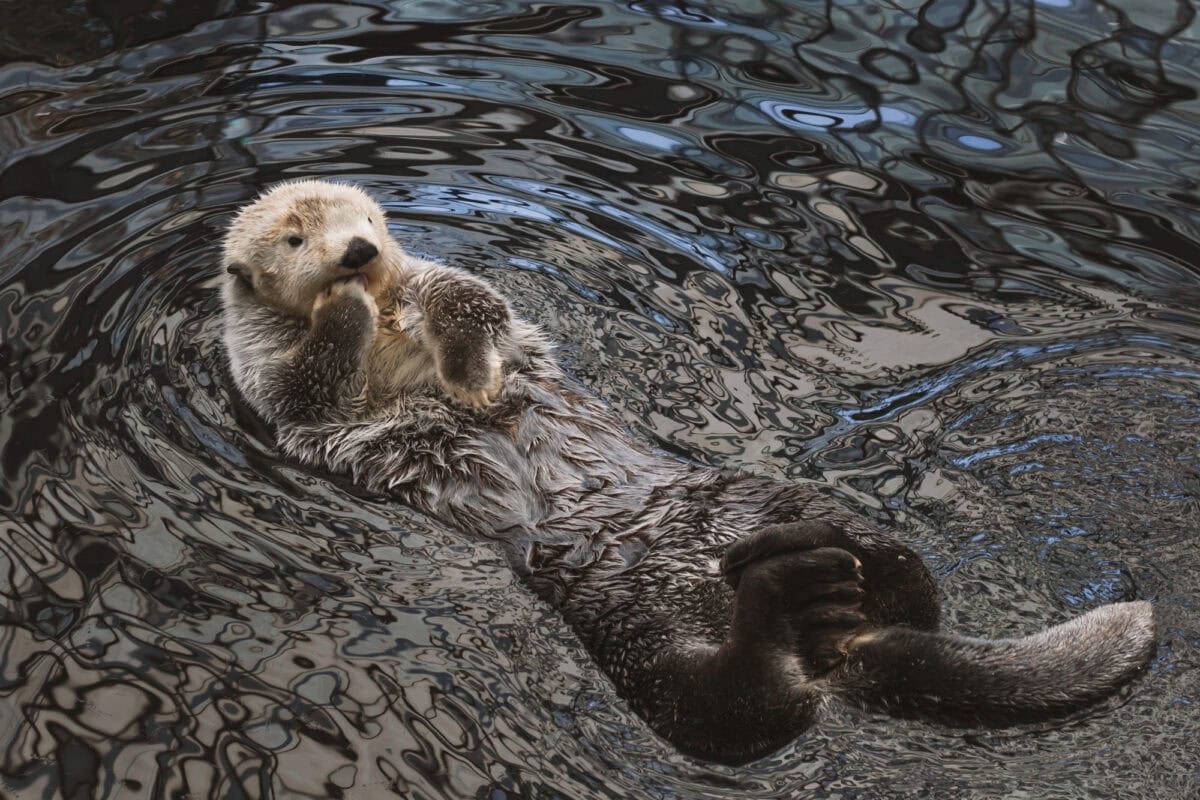
These buoyant brown-furred animals, found along the coasts of the Pacific Ocean, are incredibly resourceful. They use rocks as tools to break open shellfish, a testament to their remarkable intelligence. Sea otters are not only cute but play a critical role in their ecosystems by maintaining the balance of kelp forest environments.
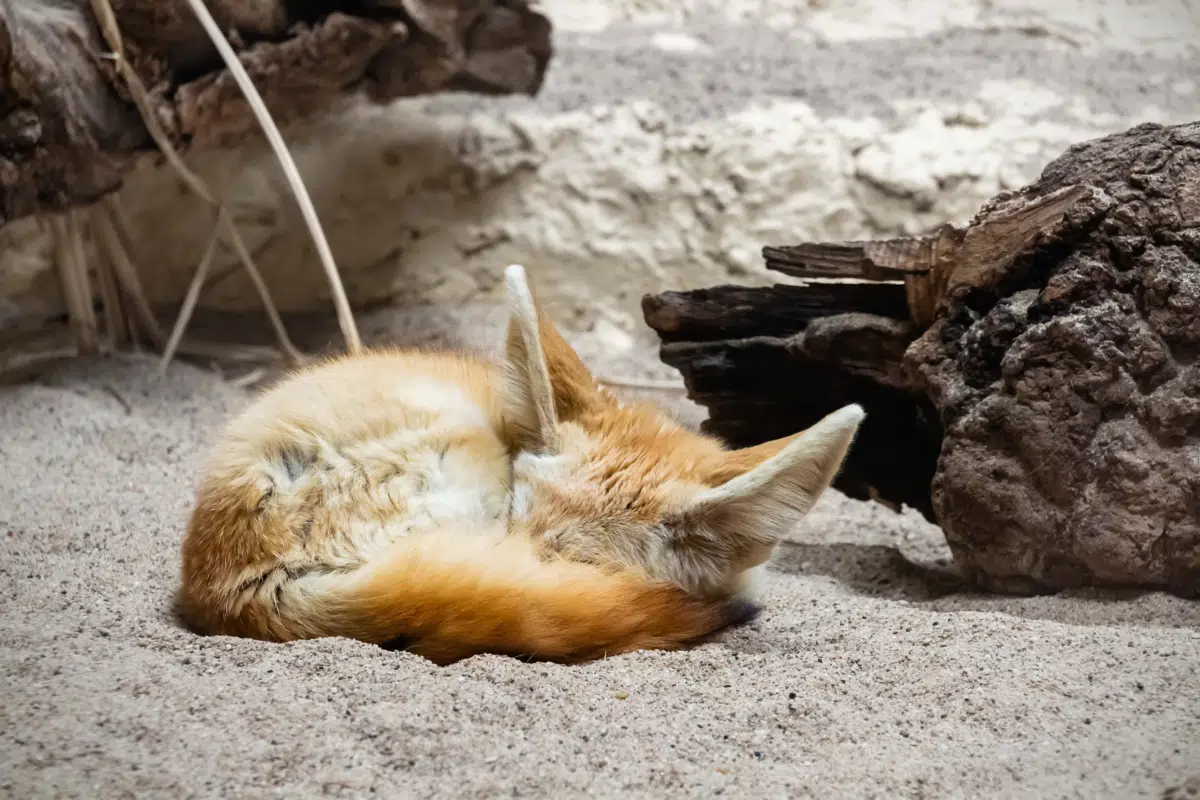
Fennec Fox The Desert Dweller with Huge Ears

The fennec fox, native to the sandy expanses of the Sahara Desert, is easily recognizable by its large ears, which help to dissipate heat and locate prey underground. These nocturnal hunters are well adapted to desert life, needing only small amounts of water and utilizing their dense fur to provide insulation against the intense sun and cold nights.
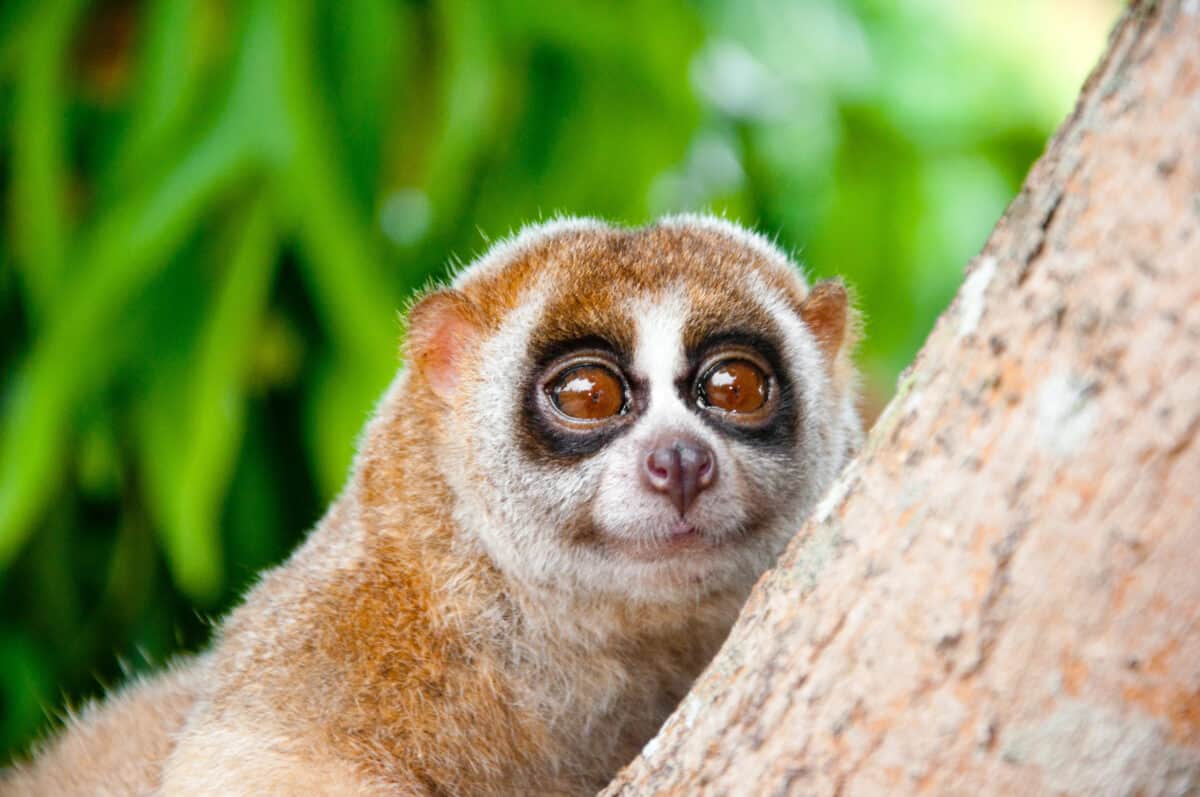
Slow Loris The Venomous Primate
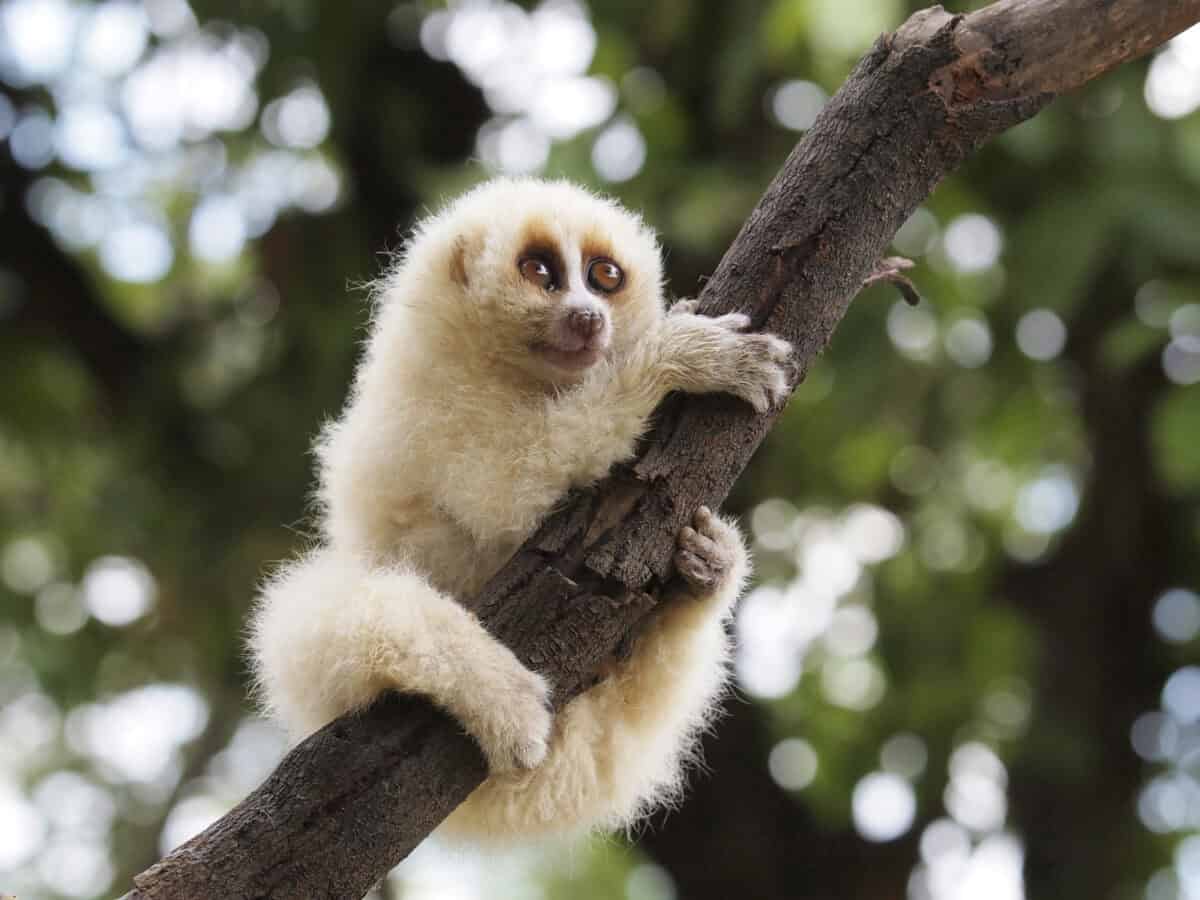
Don’t let the slow loris’s adorable eyes fool you; this seemingly benign creature is one of the few venomous mammals. Native to Southeast Asia, its elbow glands secrete a toxin used for defense and to incapacitate prey. Unfortunately, this has led to an increase in illegal pet trade, presenting a significant conservation challenge.
Red Panda The Original Panda

Long before the giant panda became a global icon, the red panda roamed the eastern Himalayas and southwestern China. This small, arboreal mammal shares a name but not a family with the giant panda. Known for their reddish-brown fur and bushy tails, red pandas primarily feed on bamboo, complementing their diet with fruits, acorns, and roots.
Binturong The Bearcat with a Popcorn Smell

The binturong, or bearcat, is neither bear nor cat but is related to civets and fossas. Found in the forests of Southeast Asia, it is famous for emitting a scent reminiscent of buttered popcorn, due to a compound in its urine. This arboreal creature uses its prehensile tail as a fifth limb, expertly maneuvering through the treetops.
Marine Iguana The Swimming Lizard
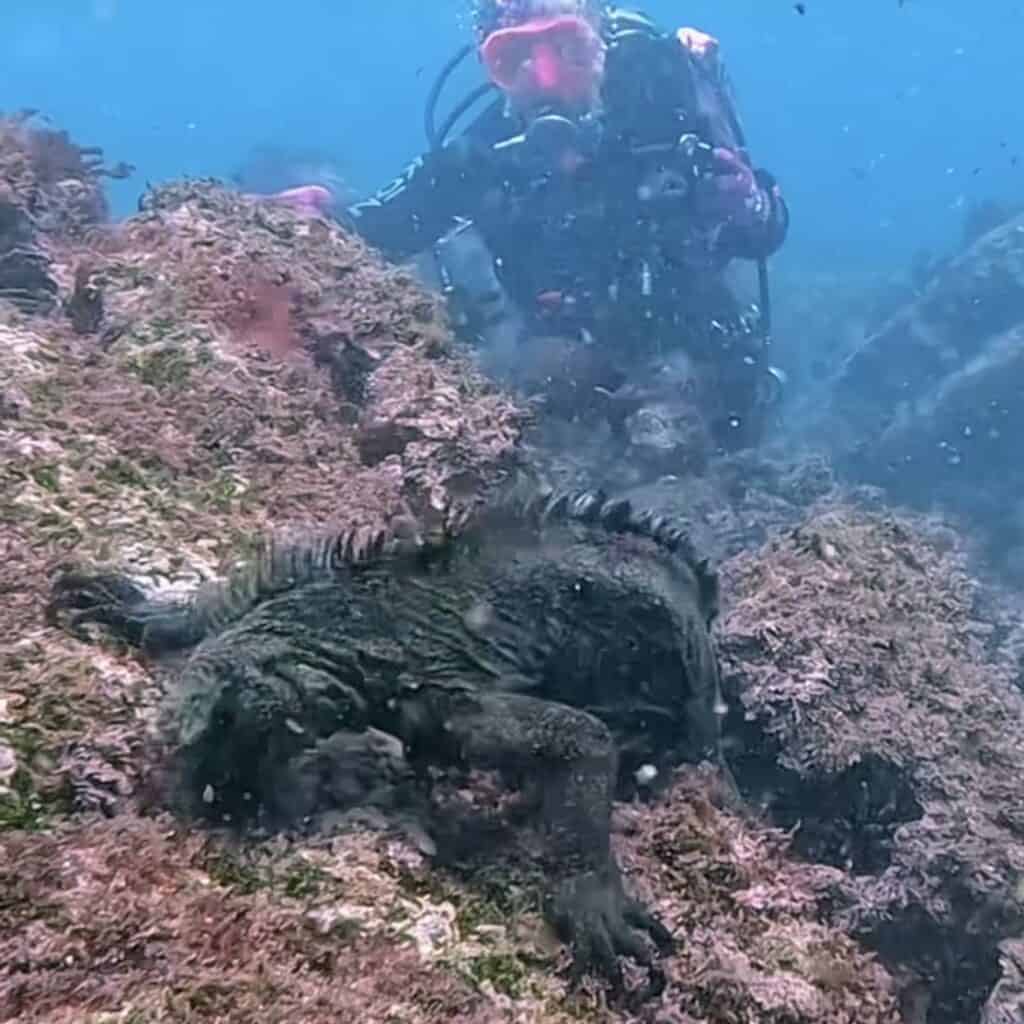
Found only on the Galápagos Islands, the marine iguana is the only known lizard to forage in the sea. Its diet consists mostly of algae, and it has developed specialized physical traits to thrive in its environment, including flattened tails for swimming and glands to eject salt from its body. Their dark coloration aids in absorbing heat from the sun, crucial for thermoregulation.
Pudu The World Smallest Deer

Pudus are diminutive deer residing in South America’s temperate rainforests. Their small size allows them to navigate dense underbrush with ease. Despite their diminutive stature, pudus are remarkable jumpers and strong swimmers, proving resilience in their rugged habitat. Their furtive nature and nocturnal lifestyle often keep them out of the spotlight.
Macaroni Penguin The Rockhopper Cousin
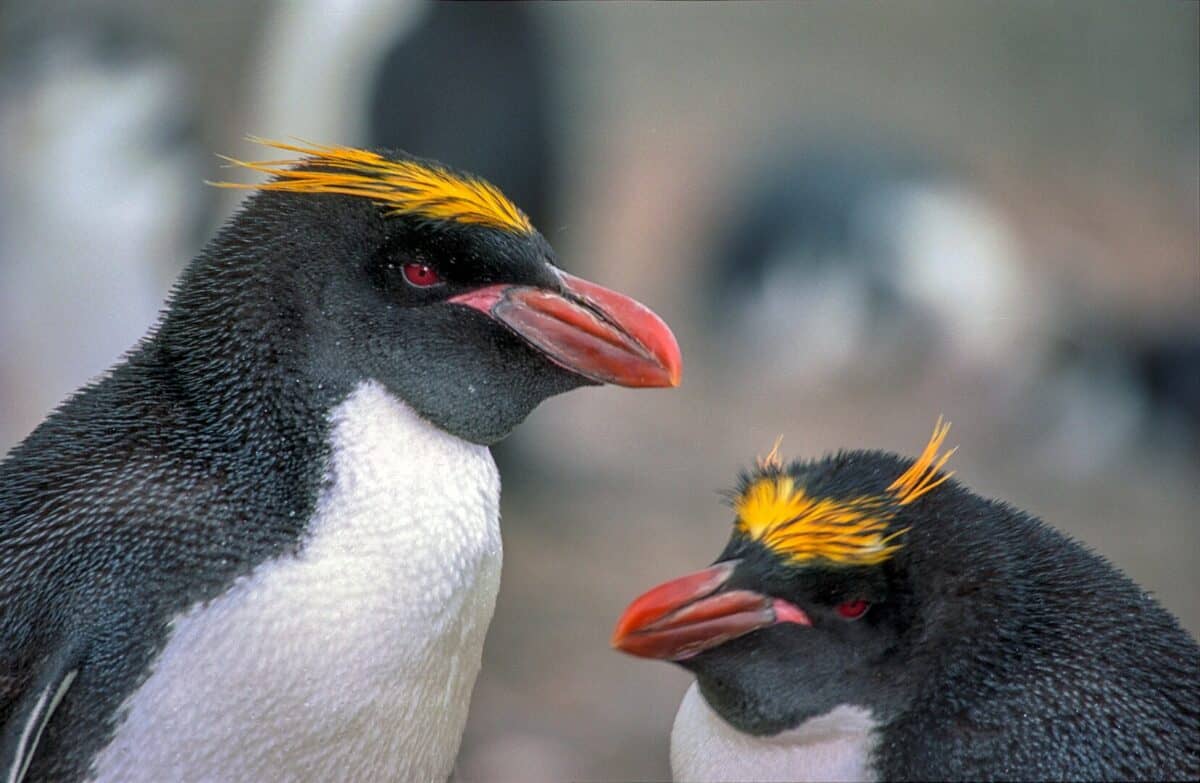
With their striking orange crests, macaroni penguins are one of the most numerous penguin species. They inhabit icy waters from the Subantarctic to the Antarctic Peninsula and are closely related to rockhopper penguins. These social birds are known for their loud caws and extensive breeding colonies, which can number in the millions.
Conclusion
The planet’s tapestry of life is woven from the most delightful and unexpected threads, each creature displaying unique traits and adaptations that speak to the wonder of evolution. From deserts to rainforests to the depths of the ocean, these 30 cute animals showcase a diverse range of life. The joy of discovering these adorable animals brings a sense of wonder about the world we inhabit and the responsibility we share to protect their habitats for future generations to appreciate.

As a little kid, I fell in love with nature, wildlife, and animals. Living in the USA, South Africa, Italy, China and Germany gave me the opportunity to discover the world's Wildlife. My favorite animals are Mountain Gorillas, Siberian Tigers, and Great White Sharks.
I'm a certified PADI Open Water Diver, went to Everest Base Camp and Trekked Gorillas in Uganda. I hold a Master of Science in Economics and Finance.
Please send any feedback to feedback@animalsaroundtheglobe.com
- 11 Most Endangered Insects Buzzing in America Today - July 22, 2026
- 10 Most Frequently Googled Animal Birth Facts - July 22, 2026
- 10 Incredible Migration Journeys in the Animal Kingdom - July 22, 2026