
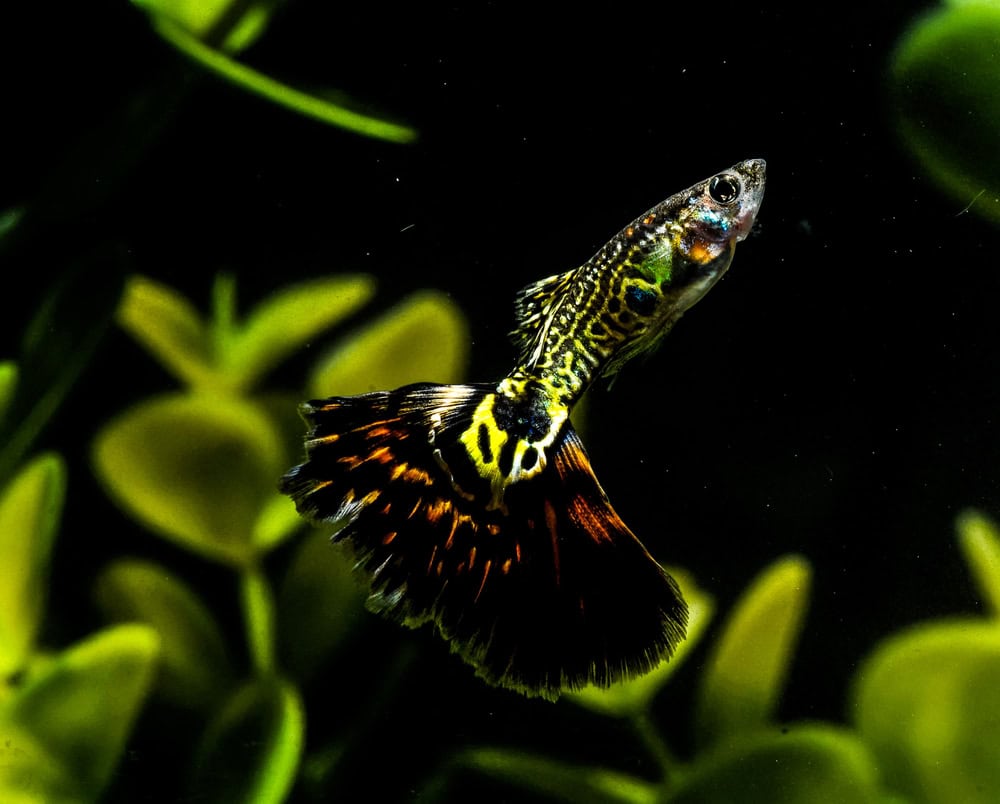
The vibrant world of aquatic life is often exemplified by the dazzling courtship rituals of male guppies. These small, colorful fish are fascinating not only due to their beauty but also because of the elaborate dance they perform to win the hearts of females. This captivating display offers insight into the complexities of mating behaviors in the animal kingdom and highlights the evolutionary pressures that shape such intricate behaviors.
The Guppy’s Radiant Appeal
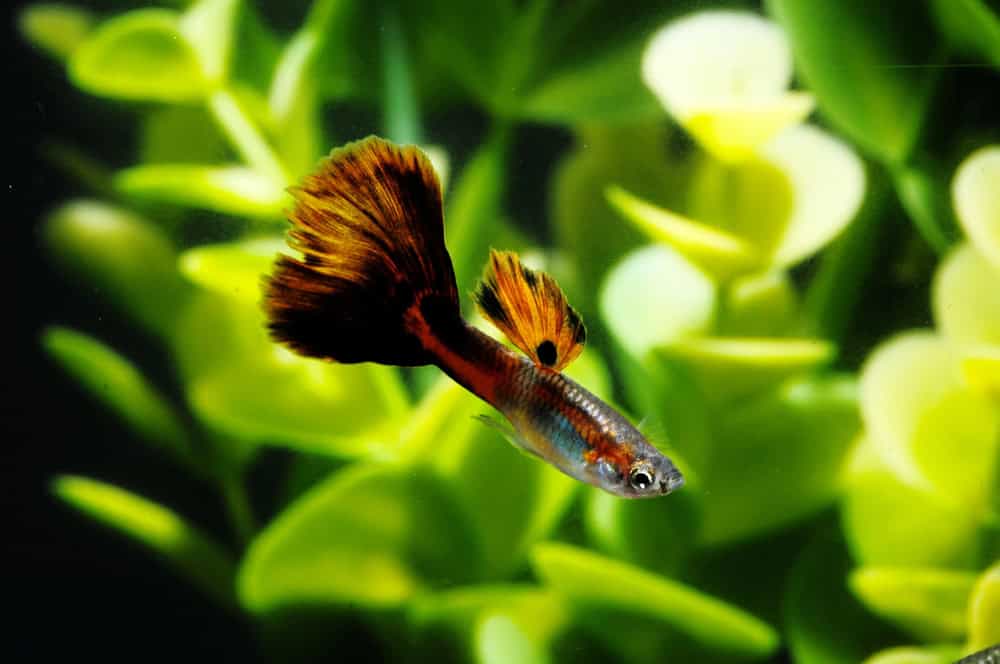
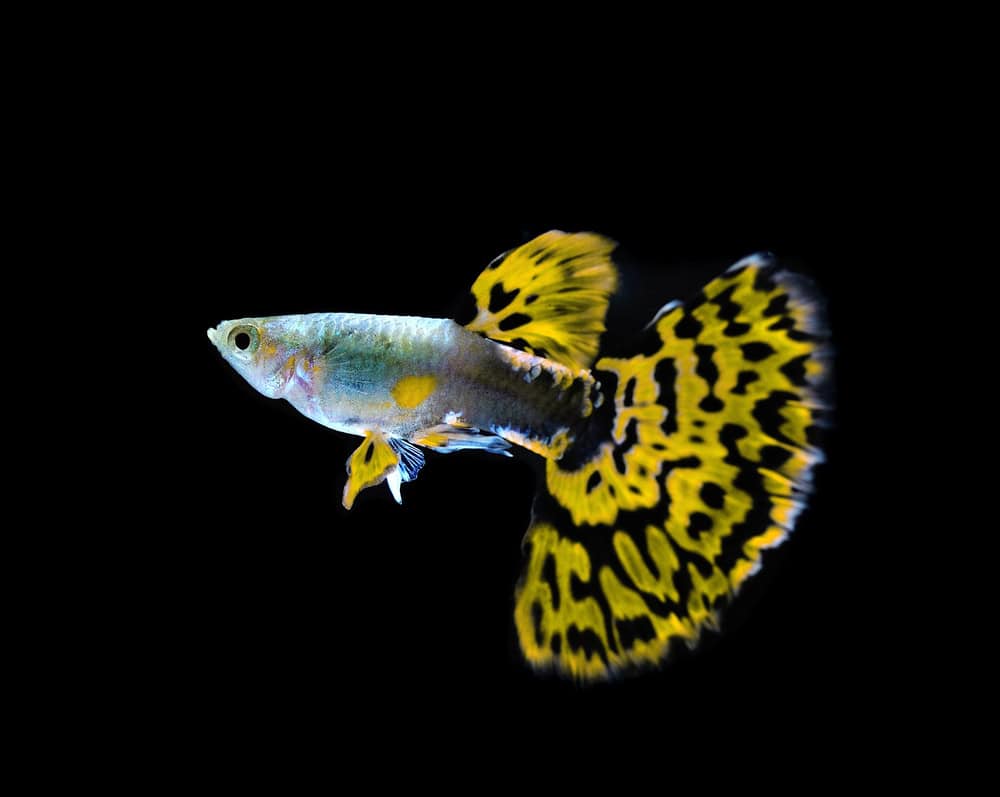
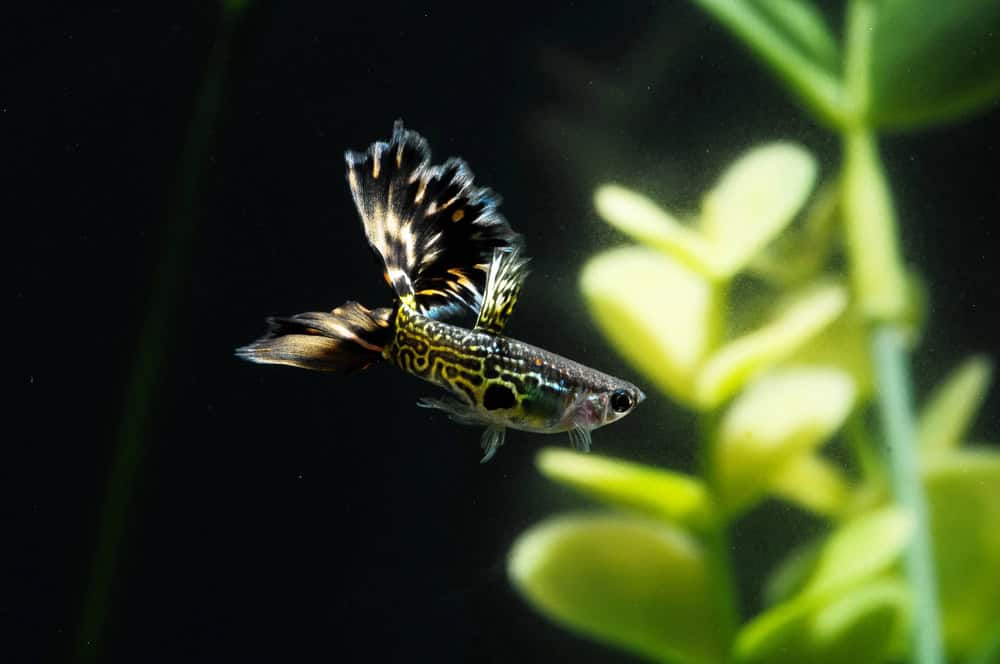
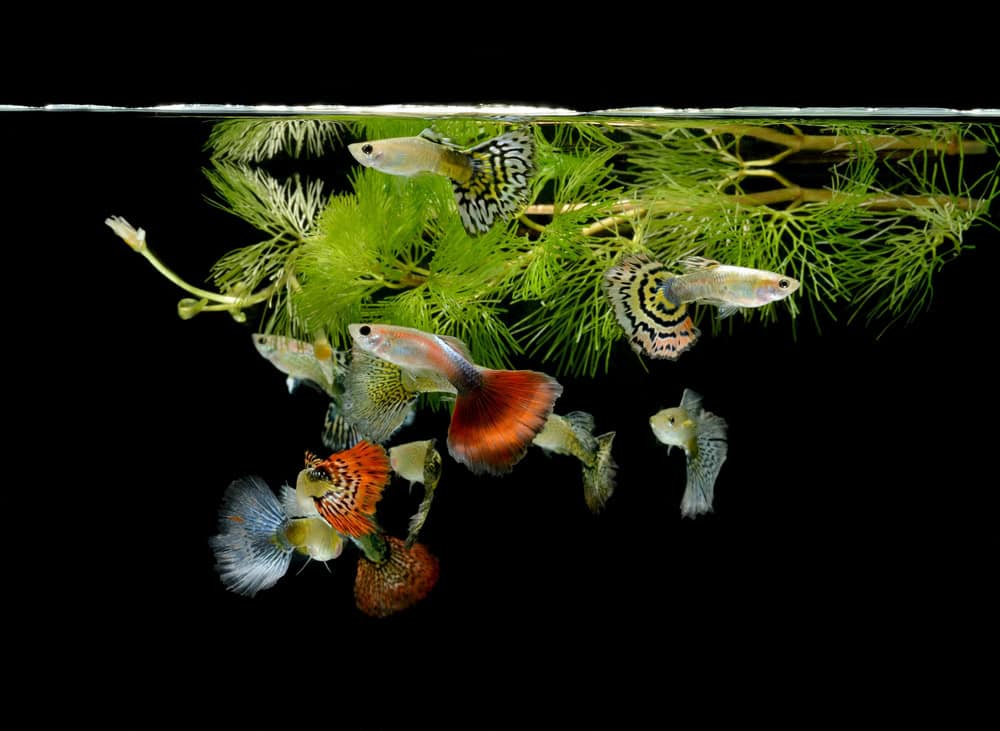
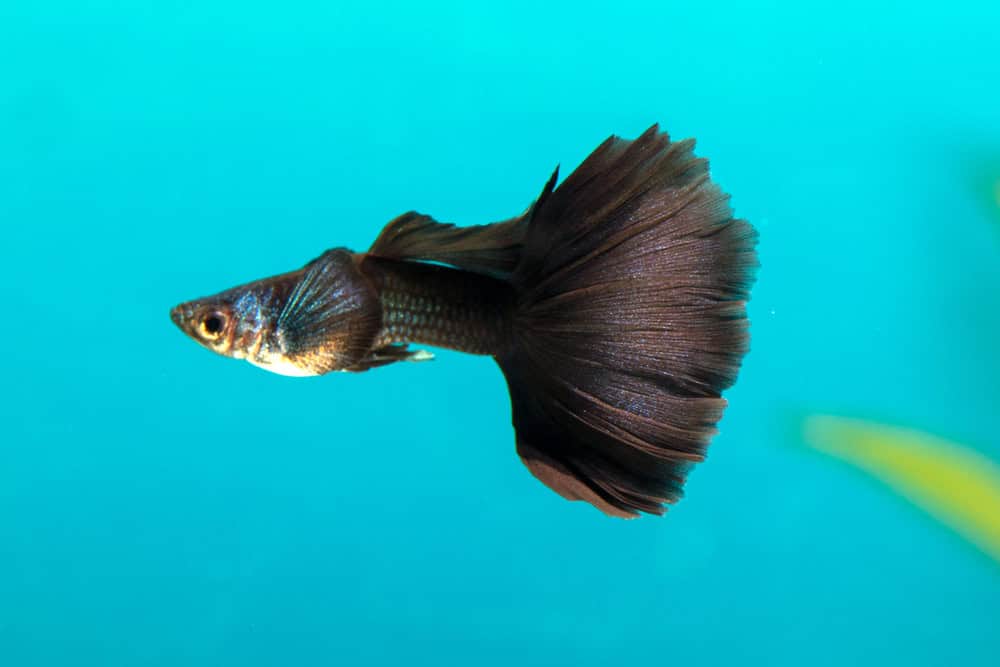
Guppies, scientifically known as *Poecilia reticulata*, are among the most popular freshwater fish for aquariums worldwide. Their bright colors and diverse patterns make them a favorite for both hobbyists and researchers. Male guppies are particularly renowned for their spectacular and varied appearances, which play a crucial role in attracting females. The evolution of these bright colors is largely driven by sexual selection, as females tend to prefer more vividly colored males.
The Science Behind Guppy Colors
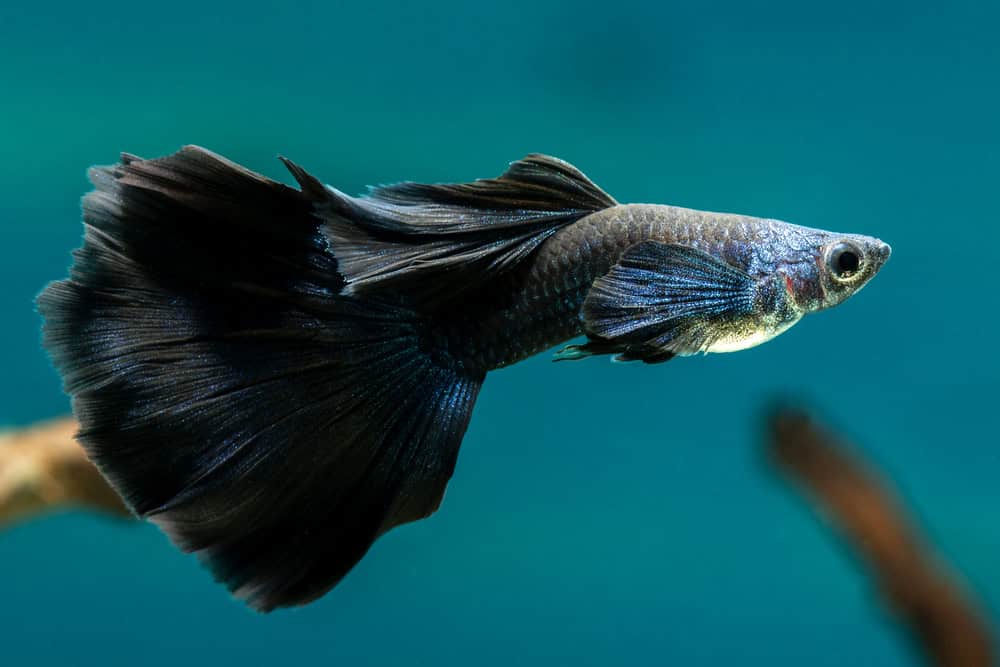
The brilliant colors of male guppies are the result of a combination of genetics and environmental factors. Guppies boast a spectrum of colors ranging from fiery reds to deep blues. These colors are produced through a combination of pigments and structural coloration, which reflects light in ways that create vivid hues. The interplay between genetics and environmental factors like diet ensures that each guppy is a unique spectacle of coloration.
Understanding Guppy Mating Behavior
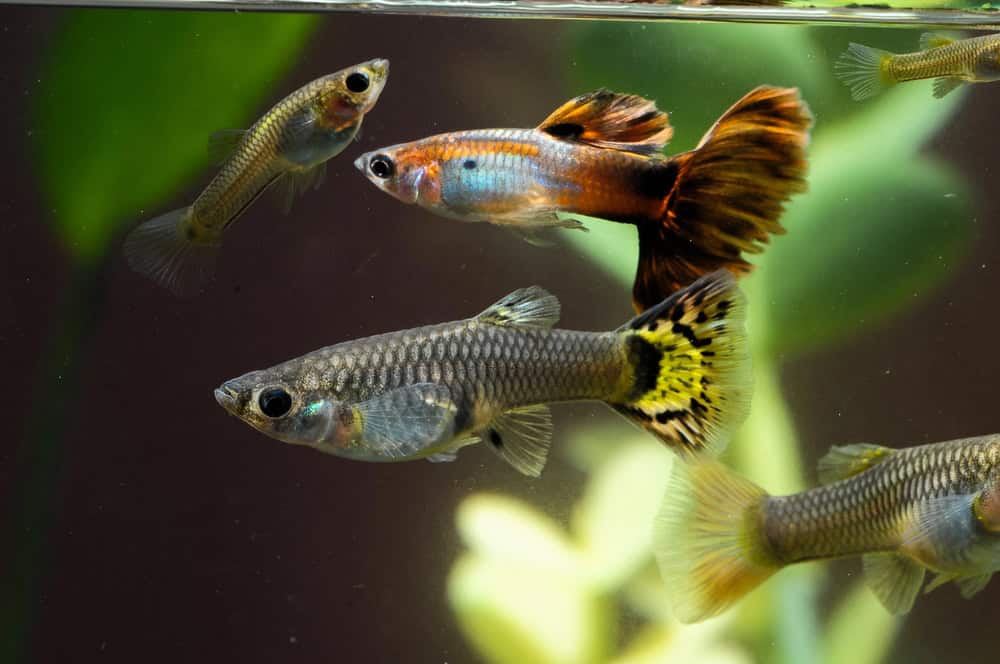
Mating behaviors in guppies are complex and multifaceted, involving visual, olfactory, and behavioral cues. Males engage in elaborate displays that include side displays and sigmoid dances, which are gyrating movements that showcase their vivid fins and bodies. These displays are not just about beauty, but also about conveying the male’s fitness and genetic quality to potential mates.
The Role of Female Choice
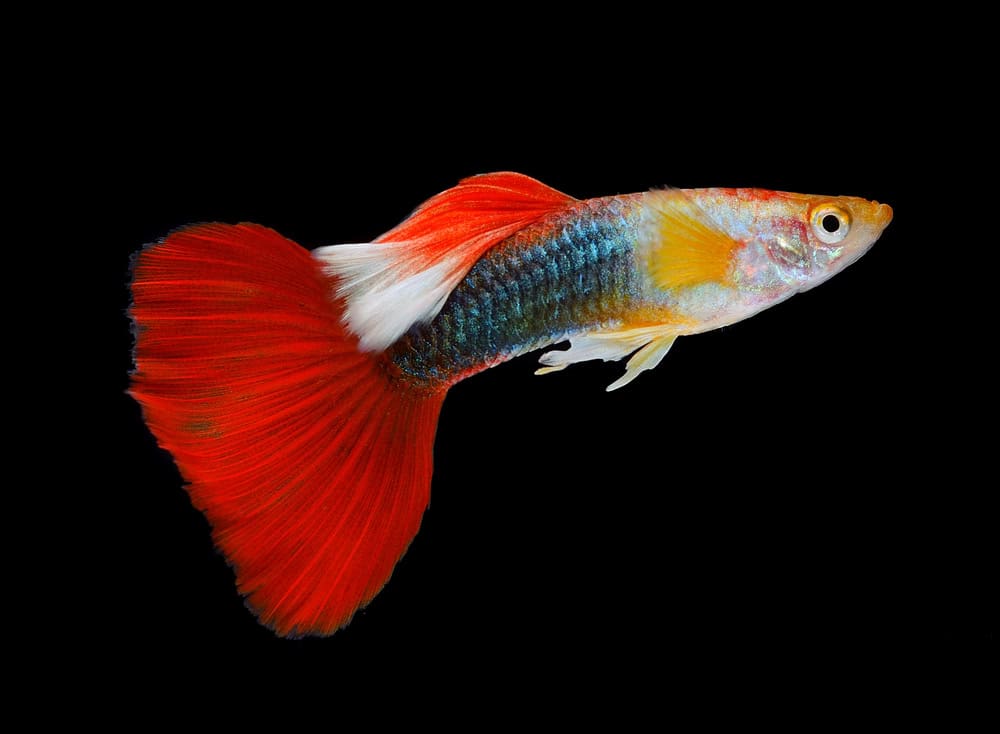
In guppy reproduction, females exercise significant choice over their mates. They are discerning, often preferring males with more vivid colors and more vigorous displays. This preference is believed to be linked to the health and vitality of the males; brighter, more active males are often healthier and carry genes that may benefit the offspring. Female choice can thus heavily influence the evolution of male traits within a population.
The Risk of Predation
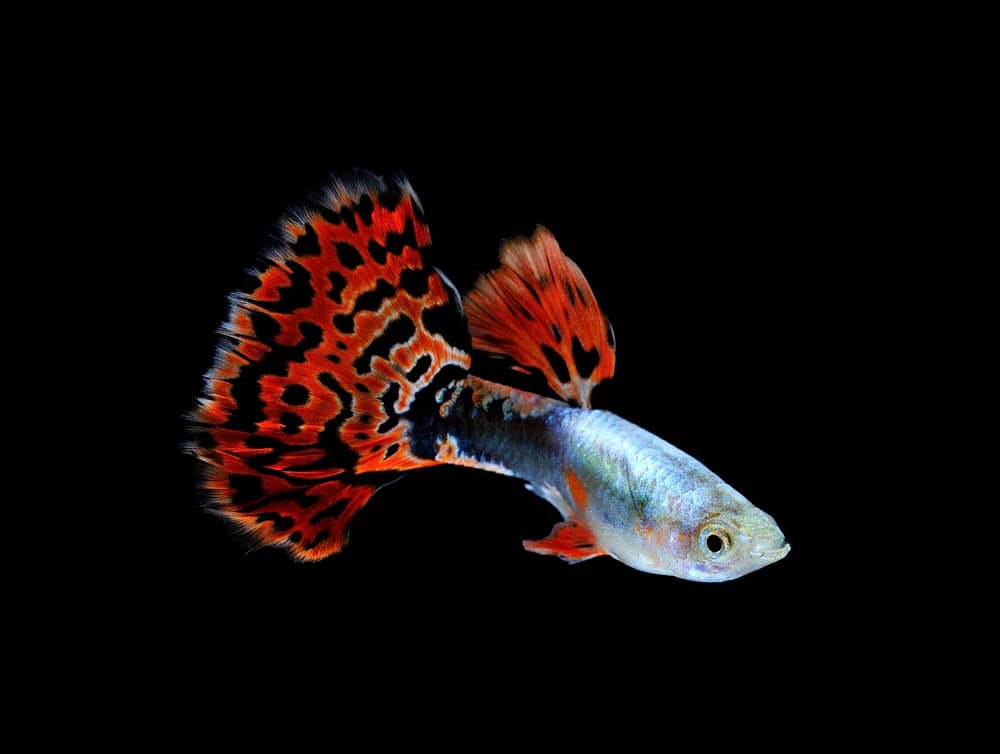
While bright colors and flashy displays can attract females, they also increase the risk of predation. Male guppies face the constant threat of being spotted by predators due to their conspicuous colors. This predator-prey dynamic creates an evolutionary trade-off, where males must balance attractiveness with survival. The ability to modulate their displays based on environmental cues and perceived risks is key to their survival.
The Ecological Impact of Guppy Courtship
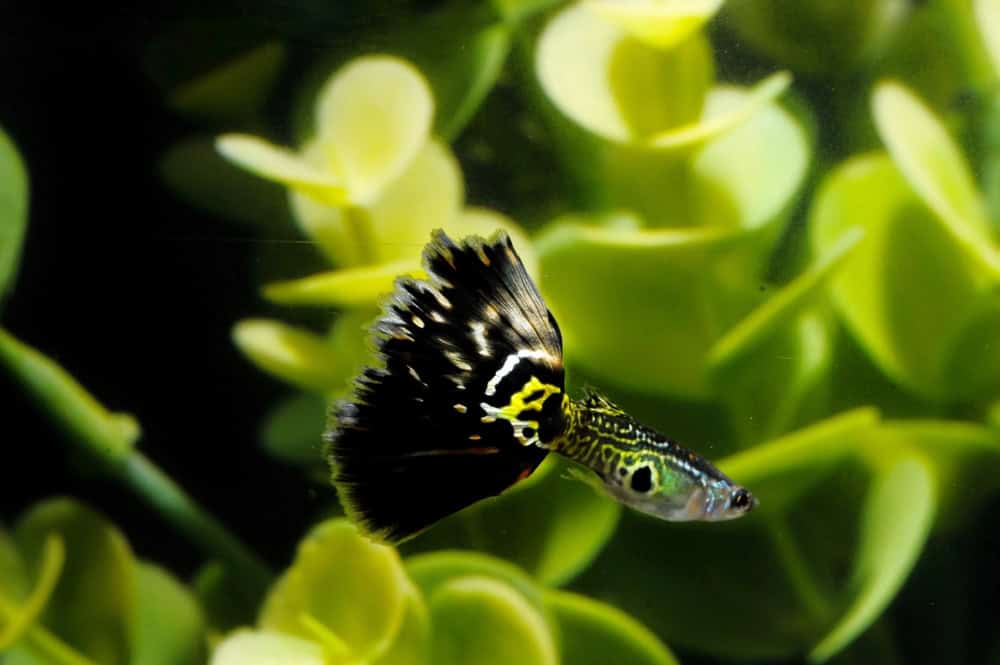
Guppy courtship behaviors have far-reaching effects beyond individual reproduction. These behaviors can influence guppy population genetics, ecosystem dynamics, and even interspecies interactions. For instance, the presence of predators and the availability of resources can shape the intensity of courtship and the evolution of guppy traits, demonstrating the interconnectedness of genetics and ecology.
Research Insights into Guppy Courtship
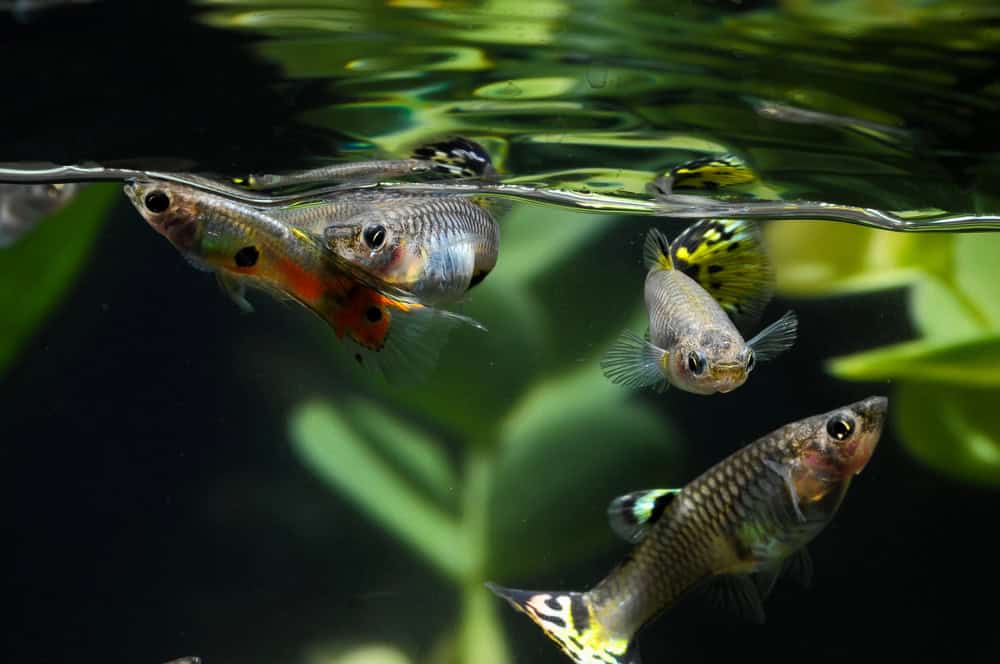
Scientific research into guppy mating behaviors provides valuable insights into evolutionary biology and animal behavior. Studies have shown that guppies are capable of learning and adapting their courtship strategies based on past experiences and environmental changes. This adaptability highlights the cognitive abilities of these small fish, challenging perceptions of simplicity in fish behavior.
The Influence of Environmental Factors
The environments where guppies inhabit play a crucial role in shaping their behavior. Factors such as water clarity, vegetation, and the presence of predators all impact the way males display themselves. These environmental pressures can lead to variations in behavior and appearance, as guppies adapt to maximize their mating success and minimize risks.
Human Impact on Guppy Populations
Human activities can significantly affect guppy populations and their courtship behaviors. Pollution, habitat destruction, and climate change are notable factors that disrupt guppy habitats. These disruptions can lead to changes in population dynamics and a reduction in the diversity of coloration and mating behaviors, ultimately impacting the long-term survival of guppy populations.
Guppy Courtship: A Model for Education
Guppies are often utilized as a model species for educational purposes in schools and universities. Their modest size, ease of breeding, and vibrant displays make them ideal for studying evolutionary biology and ecology. By observing guppy courtship, students and researchers can gain a better understanding of natural selection and sexual selection in a controlled and observable manner.
Conservation Efforts and Guppies
As popular inhabitants of home aquariums and ecosystems worldwide, conservation efforts are important to ensure their long-term survival. Protecting natural habitats and promoting sustainable practices in the aquarium trade can help maintain healthy guppy populations. Public awareness and education on the importance of biodiversity and conservation can further support these efforts.
Creating an Ideal Environment for Guppies
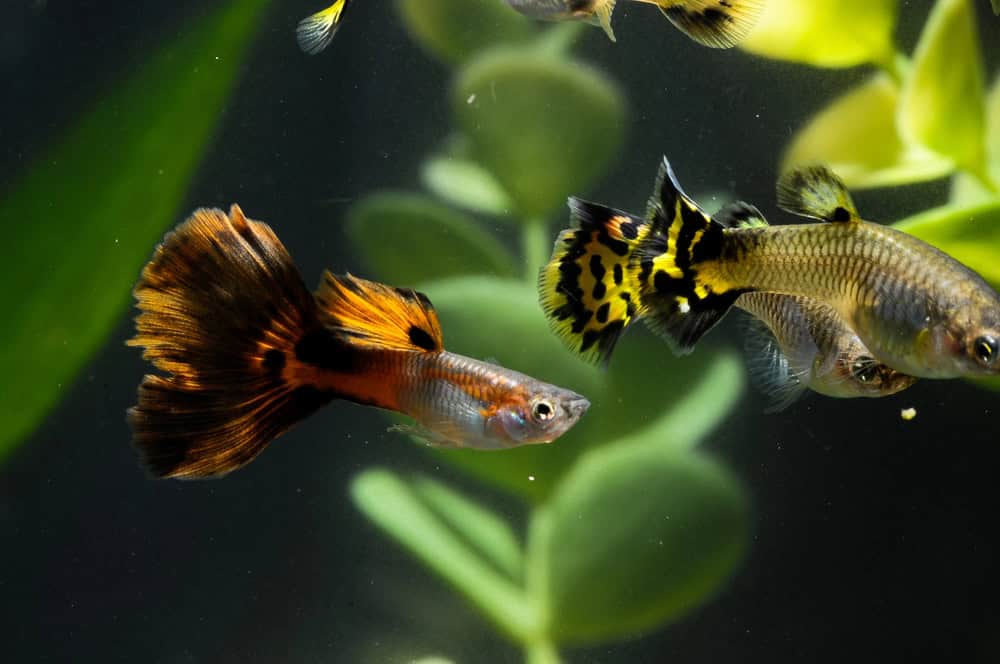
For aquarium enthusiasts, understanding guppies’ natural behaviors and environmental needs can enhance their well-being in captivity. Providing a diverse and stimulating environment miming natural conditions can promote healthy behaviors, including courtship displays. Clean water, appropriate tank mates, and adequate space are crucial for supporting the vibrant lives of these captivating fish.
In conclusion, the colorful courtship of male guppies is a testament to the wonders of evolution and natural selection. Their dazzling displays, which balance the lure of attraction with the risk of predation, offer an intriguing glimpse into the complexities of animal behavior. By appreciating and studying these small yet remarkable creatures, we gain a greater understanding of the dynamic interactions that shape the natural world.

- Could the Tasmanian Tiger Be Brought Back to Life? - July 21, 2026
- Why You Should Never Approach a Sleeping Hippo - July 21, 2026
- The Truth About Hyena Intelligence and Social Power - July 21, 2026