
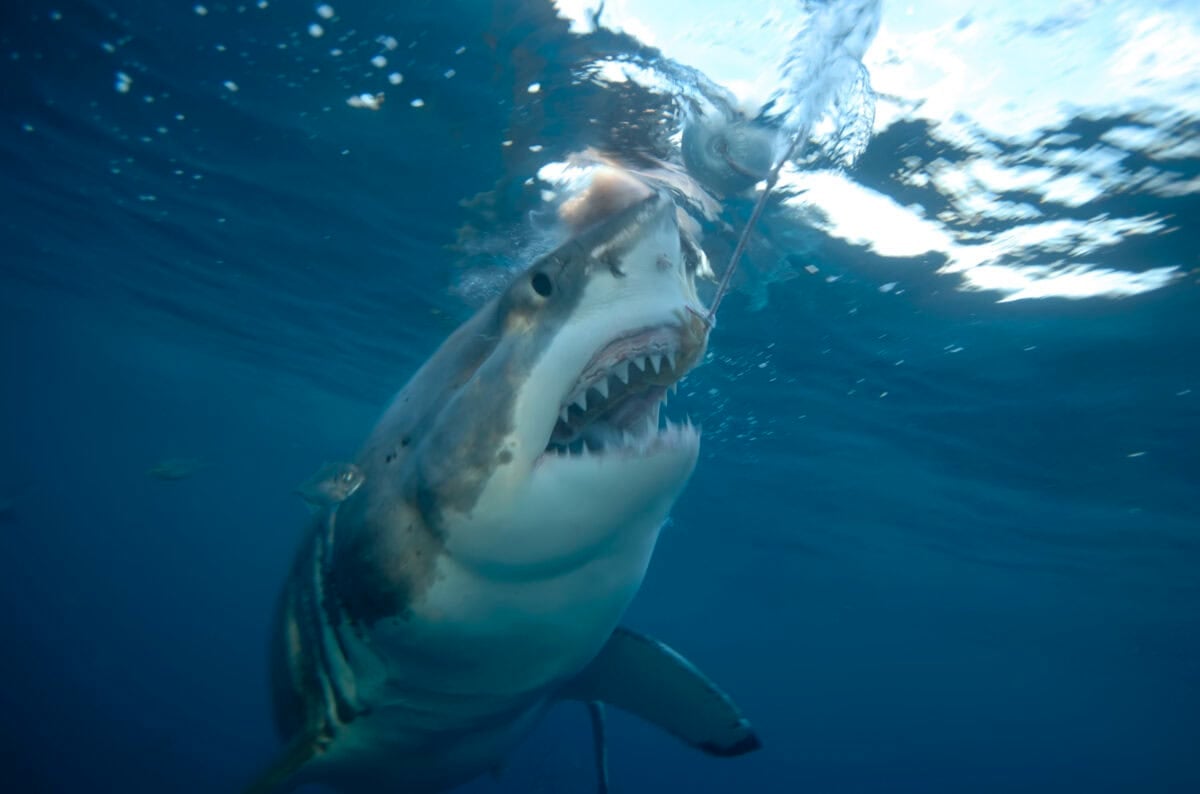
Spotting a shark while swimming, diving, or sailing in the Atlantic Ocean can be both thrilling and daunting. As majestic creatures of the deep, sharks are integral to marine ecosystems, but their presence can provoke fear and uncertainty. By equipping yourself with the right knowledge, you can handle shark encounters calmly and safely. This guide explores how to respond if you come face to face with a shark, underscoring the importance of respecting marine life.
Understand Shark Behavior

To effectively handle a shark encounter, it’s essential to understand shark behavior. Sharks are curious by nature and may approach individuals to investigate. Most species are not aggressive unless provoked. Realizing that sharks typically do not consider humans as prey can help you stay calm during an encounter.
Stay Calm and Assess the Situation
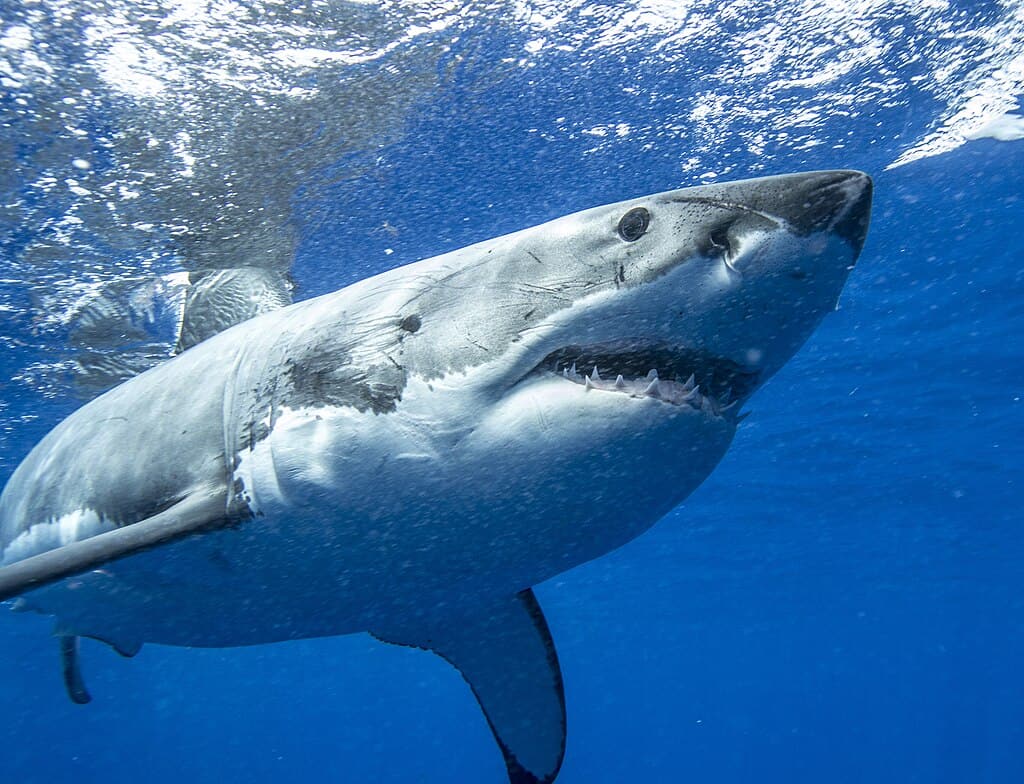
When you spot a shark, the first step is to remain calm. Panicking can provoke a defensive reaction from the shark. Instead, take several deep breaths to maintain composure. Assess the shark’s behavior from a distance without making any sudden movements.
Back Away Slowly

If you’re swimming or snorkeling, begin to slowly back away from the shark without turning your back on it. This non-aggressive movement signals that you are not a threat. Maintain eye contact with the shark, and keep it within your field of vision as you calmly move towards the shore or boat.
Avoid Splashing

It’s crucial to avoid any excessive splashing. Splashing can attract a shark’s attention and might be misinterpreted as the movements of prey. By minimizing noise and movement, you’re less likely to provoke the shark’s interest.
Reduce Your Profile

Try to decrease your silhouette when in the water. Keeping a low profile can make you seem less imposing. If you’re snorkeling or diving, floating horizontally instead of vertically reduces your apparent size and minimizes the chance of being perceived as a threat.
Do Not Make Eye Contact

While maintaining awareness of the shark’s location, avoid direct eye contact. Direct gaze can be interpreted by sharks as a challenge. Instead, observe the shark’s movements peripherally to be prepared for any behavior changes.
Create Distance

Always seek to increase the distance between yourself and the shark. As you move away, aim for a trajectory that gives the shark plenty of room to pass by or retreat. Ensuring a buffer space reaffirms to the shark that you are not a threat.
If Threatened, Defend Yourself
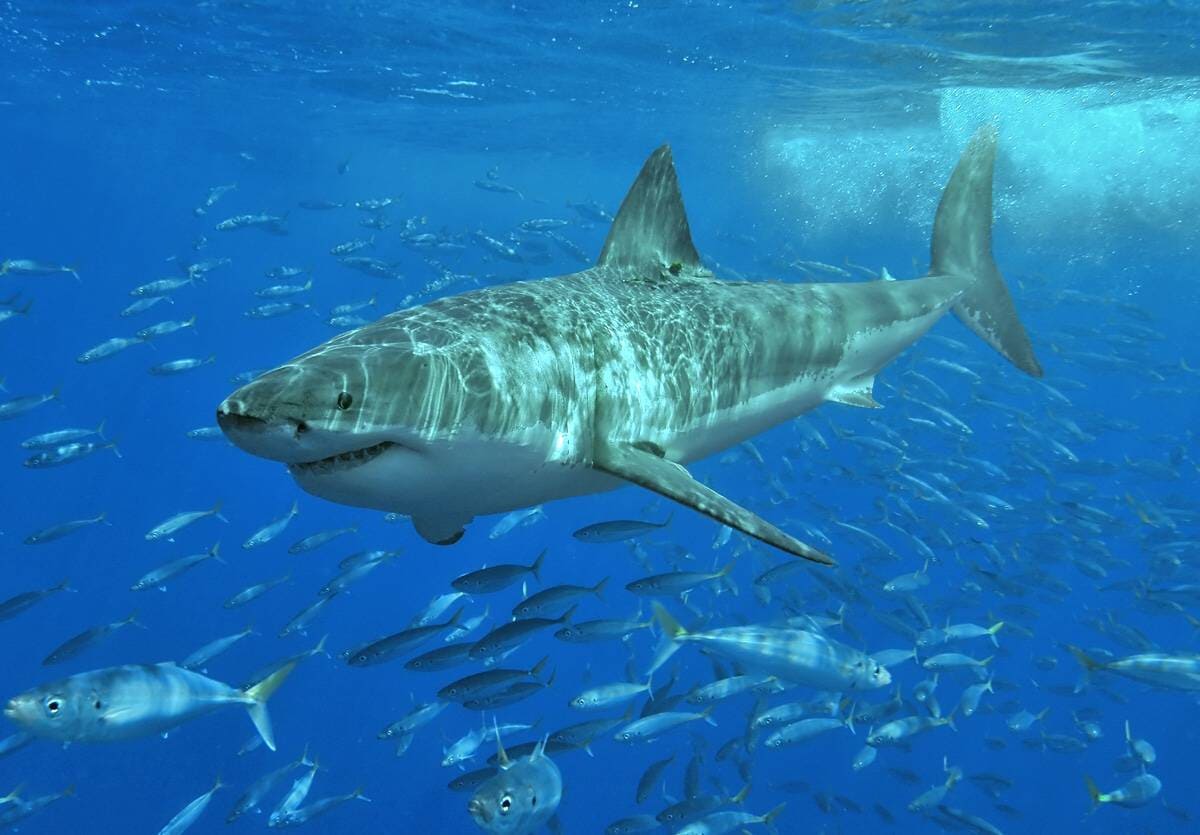
In rare cases where a shark acts aggressively, be prepared to defend yourself. Aim for the shark’s sensitive areas, such as the gills, eyes, and snout. These areas can deter the shark when struck defensively. Keep in mind that such confrontations are extremely rare.
Seek Safety Out of the Water

Prioritize exiting the water safely and calmly. Whether swimming to shore or climbing onto a boat, ensure your move is controlled to prevent unnecessary attention. Once out of the water, remain vigilant and alert others to potential danger.
Avoid Entering the Water at Dusk and Dawn

Sharks are often more active during early mornings and late evenings. Avoid swimming or diving during these times to reduce the likelihood of an encounter. If you must enter the water, remain extra cautious and aware of your surroundings.
Avoid Blood and Bright Colors

Refrain from entering the water with any open wounds, as blood can attract sharks. Additionally, avoid wearing bright or contrasting swimwear that could catch a shark’s eye. Opting for muted clothing can help you blend into the environment and decrease your visibility.
Education and Respect for Marine Life

An informed approach fosters respect for these magnificent creatures and the ecosystems they inhabit. Engaging with educational resources and experiences can enrich your understanding, emphasizing the importance of conserving marine biodiversity and promoting peaceful coexistence.
In conclusion, while encountering a shark in the Atlantic Ocean can be an exhilarating experience, it doesn’t have to be a fearful one. By maintaining calm, respecting shark behavior, and following the outlined steps, you can ensure your safety and theirs. Demonstrating respect and understanding towards these ocean dwellers is not only essential for safety but also for the conservation of these vital marine species.

- The Mammal That Can Hold Its Breath the Longest - July 31, 2026
- What Happens If Humans Disappear From a Forest Ecosystem? - July 31, 2026
- How Do Sharks Survive in Oxygen-Deprived Waters? - July 31, 2026