


When researchers developed an advanced AI capable of decoding animal emotions, they unlocked a revolutionary way to understand the minds of creatures big and small. This cutting-edge technology bridges the gap between humans and animals, offering insights that were once unimaginable. With the ability to interpret emotions from multiple species, this AI is reshaping how we interact with the animal world.
Decoding Emotions Like Never Before
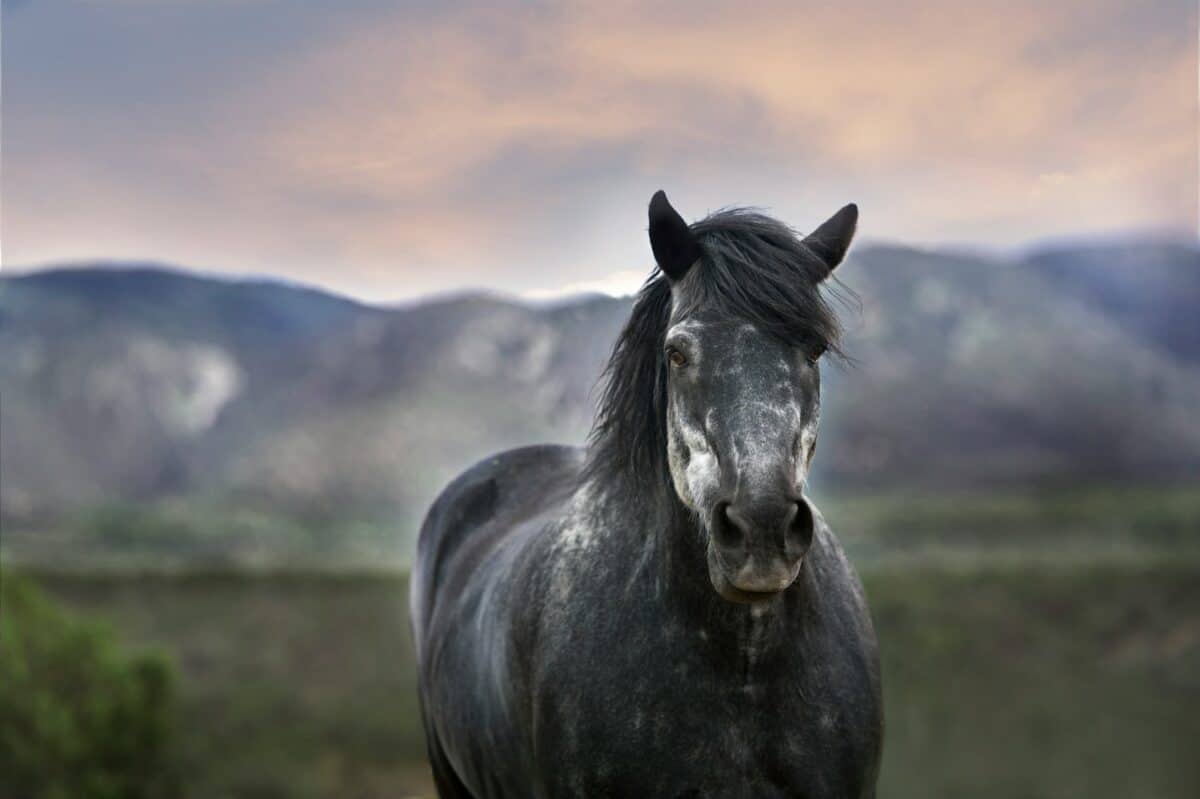
The AI’s journey began with a simple yet ambitious goal: to translate the emotional expressions of animals into human-understandable data. Scientists trained the system on thousands of vocalizations and body language cues, helping it distinguish between emotions like joy, distress, and curiosity. The technology doesn’t just analyze sounds—it also recognizes subtle facial expressions and movement patterns. This breakthrough means that, for the first time, we can truly “listen” to what animals feel.
A Glimpse Into the Minds of Many Species

Animal emotions have long been a mystery, but this AI is breaking barriers. From dogs and horses to pigs and birds, it can accurately interpret feelings across multiple species. Farmers can now assess livestock well-being with precision, pet owners can better understand their furry companions, and conservationists can use this technology to monitor the emotional health of endangered animals. What was once guesswork is now backed by data-driven insights.
More Than Just Sounds and Gestures

Understanding emotions in animals goes beyond recognizing a bark or a growl. The AI detects nuanced vocal tones, shifts in posture, and even the tiniest changes in facial muscles. In many ways, it acts like an emotional translator, making it easier to respond to an animal’s needs. Whether it’s identifying stress in a zoo animal or ensuring a happy environment for domestic pets, this technology offers a new level of empathy in human-animal relationships.
Building Trust Through Technology
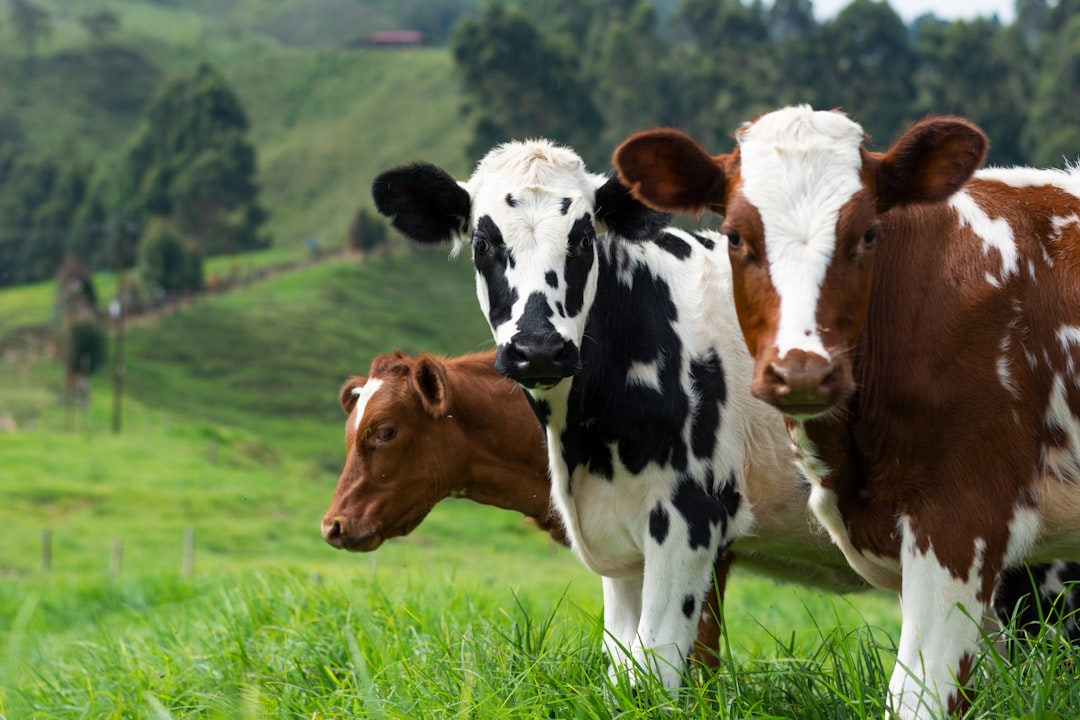
Animals are often misunderstood because they can’t express themselves in words, but this AI changes that. Researchers have already found that when humans respond appropriately to an animal’s emotional cues, trust deepens. Farmers who use this technology report calmer livestock, and dog owners can finally distinguish between a bark of excitement and one of frustration. It’s not just about understanding—it’s about strengthening the connection between species.
Transforming the Lives of Domestic and Wild Animals

From shelters to the wild, this AI has the potential to revolutionize animal care. Shelters can better assess the stress levels of rescues, improving adoption rates by matching animals with the right families. In the wild, conservationists can track how animals react to environmental changes, leading to better protection strategies. Whether it’s a distressed elephant or a contented house cat, their emotions are no longer a mystery.
A Future Where Humans and Animals Communicate

This technology is just the beginning. Future advancements could allow AI-assisted conversations between humans and animals, making interactions more intuitive. Imagine a world where a horse could signal discomfort before it becomes a medical issue or where pet owners could “hear” their cat’s happiness. The possibilities are endless. The bond between humans and animals has always been strong, but with this AI, we are closer than ever to truly understanding each other. It’s a groundbreaking step toward a future where emotions speak louder than words—across every species.

adventuring, photography and videography. I am currently working towards a BSc in Biodiversity and Ecology at Stellenbosch University to go on to specialise in Marine Sciences one day.
Please send any feedback to Feedback@animalsaroundtheglobe.com
- Zoo Keeper Suffers Serious Arm Injury in Shocking Animal Attack - July 18, 2026
- Giant Bunny Alex the Great Wins Hearts in His Custom Mercedes - July 18, 2026
- Ever Seen A Panther Swim? - July 18, 2026