


Nestled in the heart of Texas lies a remarkable window into the past: the Waco Mammoth National Monument. This site offers a fascinating glimpse into a world dominated by colossal creatures that roamed the Earth during the Pleistocene epoch. Join us as we explore the significance of these ancient giants and the monument that preserves their legacy.
Unveiling Ancient Giants

Discovered in 1978, the Waco Mammoth National Monument is home to an extraordinary paleontological site. It preserves the bones of at least 24 Columbian mammoths, alongside other prehistoric creatures, providing an invaluable resource for understanding Ice Age ecosystems.
The Discovery of the Waco Site

The journey to this exciting discovery began unexpectedly when two men exploring the area found a massive bone emerging from the eroded banks of the Bosque River. What initially seemed like a curious find soon revealed itself to be part of an extensive fossil bed, leading to decades of research and excavation.
Columbian Mammoths: Gentle Giants of the Past

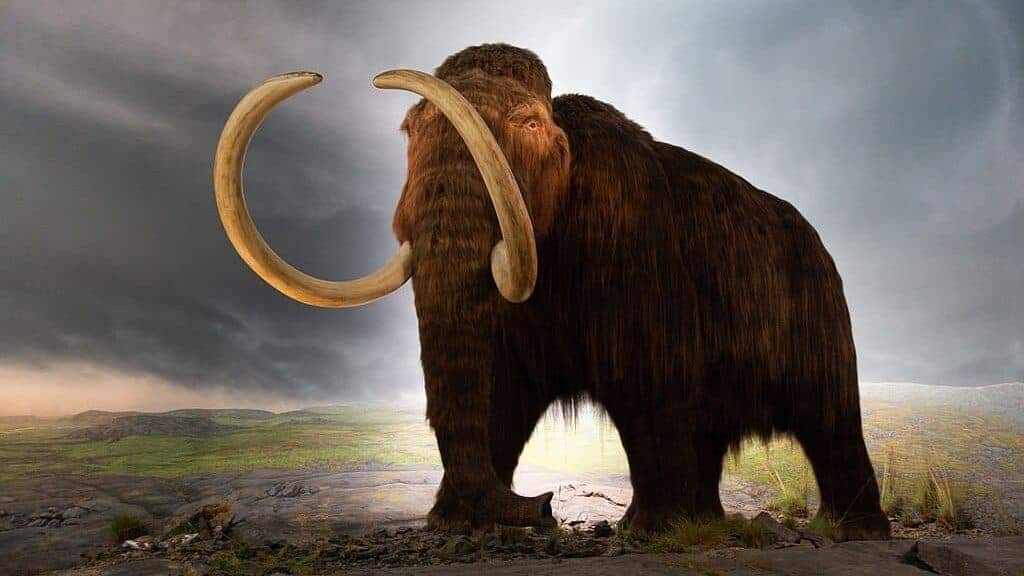
The Columbian mammoth, towering at more than 14 feet tall and weighing up to 10 tons, was one of the largest mammoth species known to roam North America. Unlike their woolly mammoth cousins, these giants thrived in the warmer climates of the southern United States.
Understanding the Pleistocene Epoch
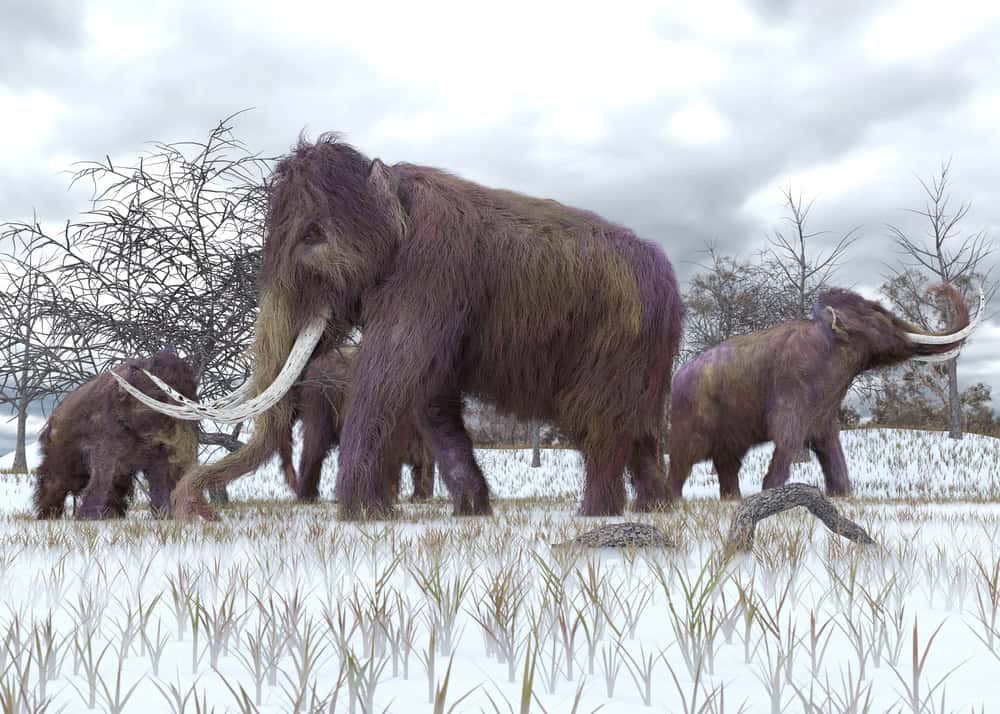
The Pleistocene epoch, often referred to as the Ice Age, spanned from about 2.6 million to 11,700 years ago. Characterized by dramatic climatic changes, this period witnessed the evolution and eventual extinction of megafauna, with mammoths being among the most iconic representatives.
Paleontological Significance of the Site

The Waco Mammoth National Monument is not just a site of impressive bone collections; it is also a time capsule that offers insights into the paleoenvironment of the region. Understanding the context in which these mammoths lived helps scientists reconstruct ancient ecosystems and climate conditions.
The Art of Excavation

Excavating a site as rich and delicate as the Waco Mammoth Monument is no small feat. It requires meticulous attention to detail and careful preservation techniques to ensure that the fossils remain intact for study and display. Each uncovered bone tells part of a larger story about life and death during the Ice Age.
The Mystery of the Mammoths’ Demise
One question that lingers over the Waco site is what led to the demise of so many mammoths in one location. Various theories have been proposed, including illness, flooding, or human hunting activities. However, the exact cause remains a subject of intense scientific investigation.
A Window into Extinct Ecosystems

In addition to mammoth remains, the site has yielded fossils of other noteworthy creatures, such as camels and saber-toothed cats. These findings contribute to a broader understanding of the biodiversity of the time and highlight how these ecosystems have changed over millennia.
Interactive Education at the Monument

The Waco Mammoth National Monument is not just a place for scientists but also a destination for education and public engagement. Visitors can partake in guided tours, view the fossils up close, and engage with interactive exhibits that bring the Pleistocene epoch to life.
Protecting Our Natural Heritage

The designation of the site as a national monument represents a commitment to preserving this incredible piece of natural history for future generations. Conservation efforts ensure that ongoing research can continue without impacting the integrity of the fossil beds.
Contributions to Global Ice Age Research
The findings from the Waco Mammoth National Monument are not just relevant to Texas or even the United States. They provide valuable data that contribute to global understanding of Ice Age climates, extinction events, and the adaptation of species during periods of ecological stress.
Visiting the Waco Mammoth National Monument

For those eager to witness this prehistoric marvel firsthand, the monument offers an engaging and informative visit. Whether you’re a budding paleontologist or a curious traveler, the monument provides a unique opportunity to connect with a distant past and appreciate the giants that once graced our planet.
Summary: A Testament to Earth’s Ancient Past

The Waco Mammoth National Monument stands as a testament to the incredible biodiversity of Earth’s past. Through continued research and preservation, this site remains a crucial link to understanding the dynamism of life on Earth, offering insights that transcend time and ignite awe in all who visit.

From exploring the marine wonders in the Azores and witnessing the vast savannas of Kenya, to delving deep into the rich biodiversity of South Africa and traversing iconic landscapes in Australia and the US like Yellowstone, Chris's experiences are vast.
With a penchant for diving alongside sharks, the ocean holds a special place in his heart.
Through his academic insights, he champions wildlife conservation, striving with 'Animals Around The Globe' to cultivate a profound connection between humans and animals, enhancing our mutual appreciation.
Connect with him at Feedback@animalsaroundtheglobe.com.
- What Fossils Reveal About Ancient Animal Behaviors - August 6, 2026
- Where to Dive with Blue Sharks - August 6, 2026
- Could Modern Animals Survive the Age of Dinosaurs? - August 6, 2026