

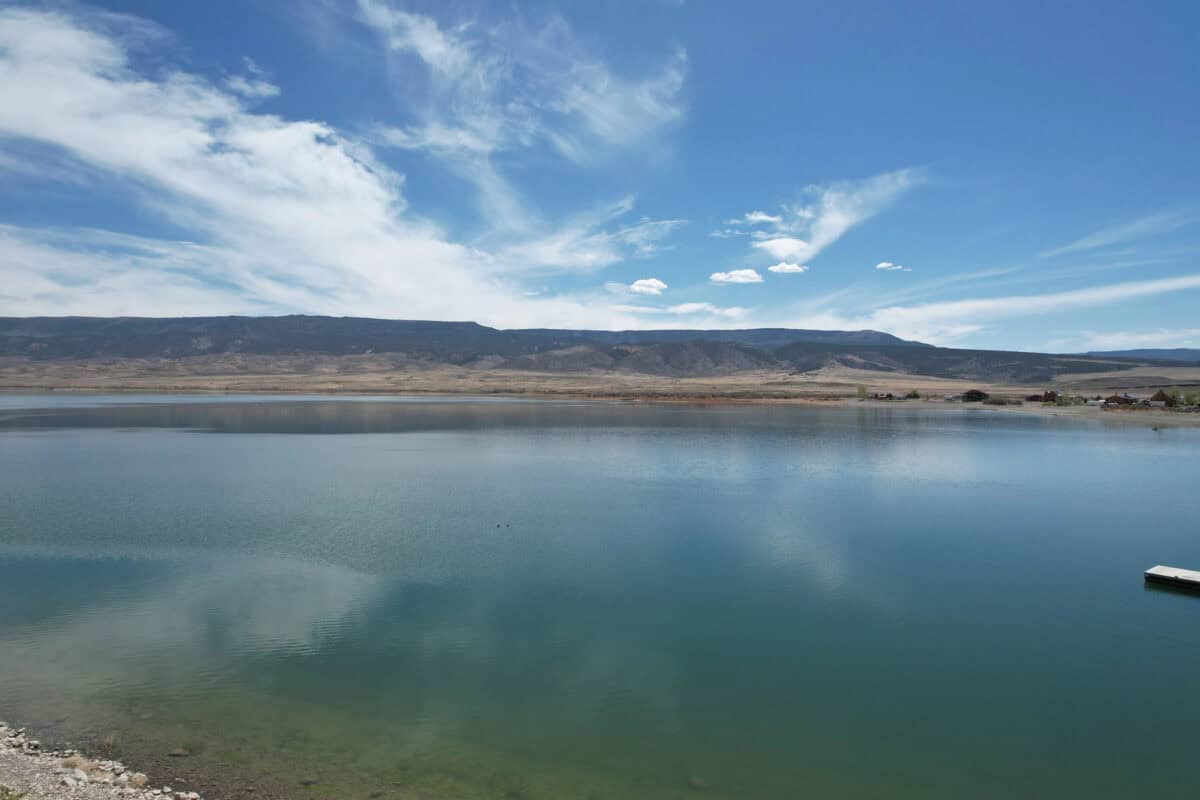
The United States is home to many vast and scenic lakes that have offered beauty, recreation, and resources for centuries. Yet, some of these iconic water bodies have mysteriously vanished, leaving behind dry basins and a sense of loss. Understanding the reasons behind their disappearance can provide insight into natural and human influences on our environment. Here, we explore ten US lakes that have mysteriously vanished, delving into the conditions that led to their disappearance.
Introduction to Vanishing Lakes

The concept of a lake disappearing may seem bewildering. Lakes are integral parts of ecosystems, supporting wildlife and human communities. However, climate change, human activities, and natural phenomena have converged to make some lakes vanish entirely. Let’s explore these mysterious disappearances.
Lake Tulare, California

Once the largest freshwater lake west of the Mississippi River, Lake Tulare was a flourishing habitat. But in the late 19th century, agricultural irrigation diverted river waters, causing the lake to dry up. Its disappearance highlights the impact of water management on natural landscapes.
Owens Lake, California
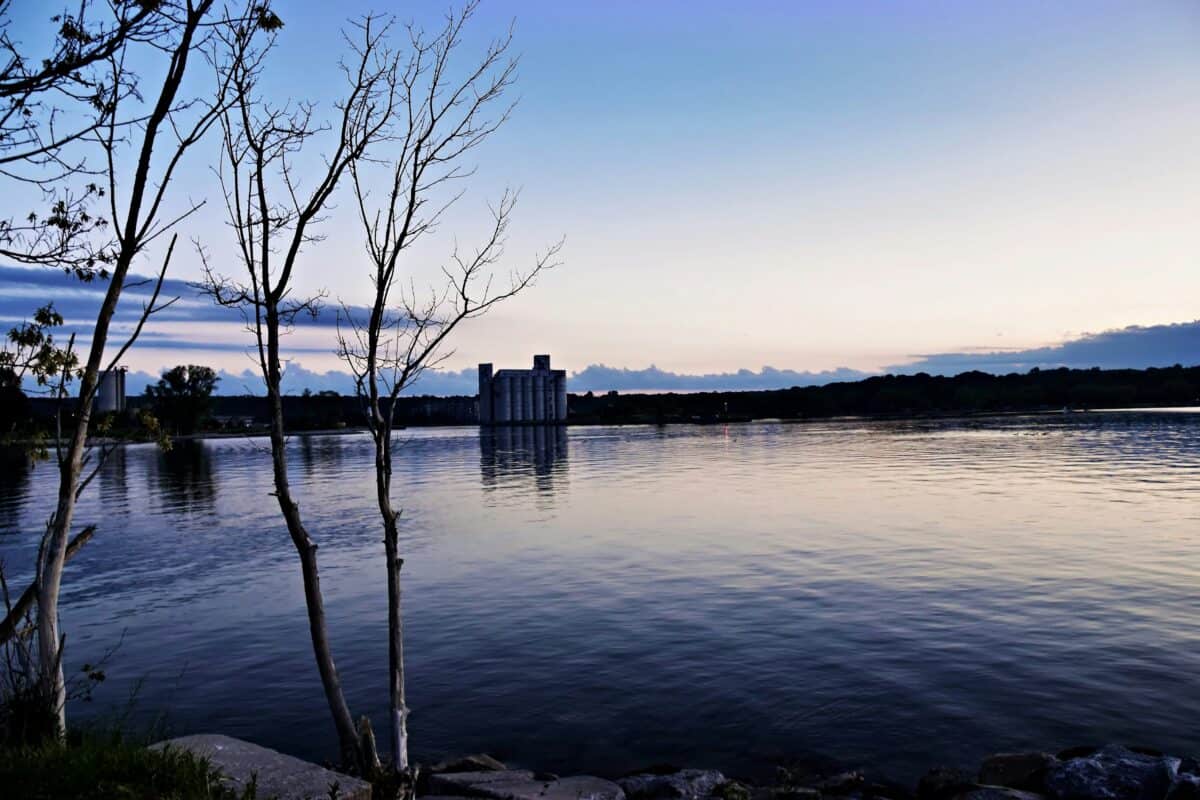
Another victim of human intervention, Owens Lake dried up in the 1920s when Los Angeles diverted its water supply through the Los Angeles Aqueduct. The loss of Owens Lake not only removed a valuable water source but also created a dust pollution problem for the region.
Lake Bonneville, Utah

A prehistoric lake that once covered much of present-day Utah, Lake Bonneville’s gradual disappearance over thousands of years was due to climatic changes following the last Ice Age. Today, remnants like the Great Salt Lake remain as testaments to its vast size.
Sumpter Valley Lakes, Oregon
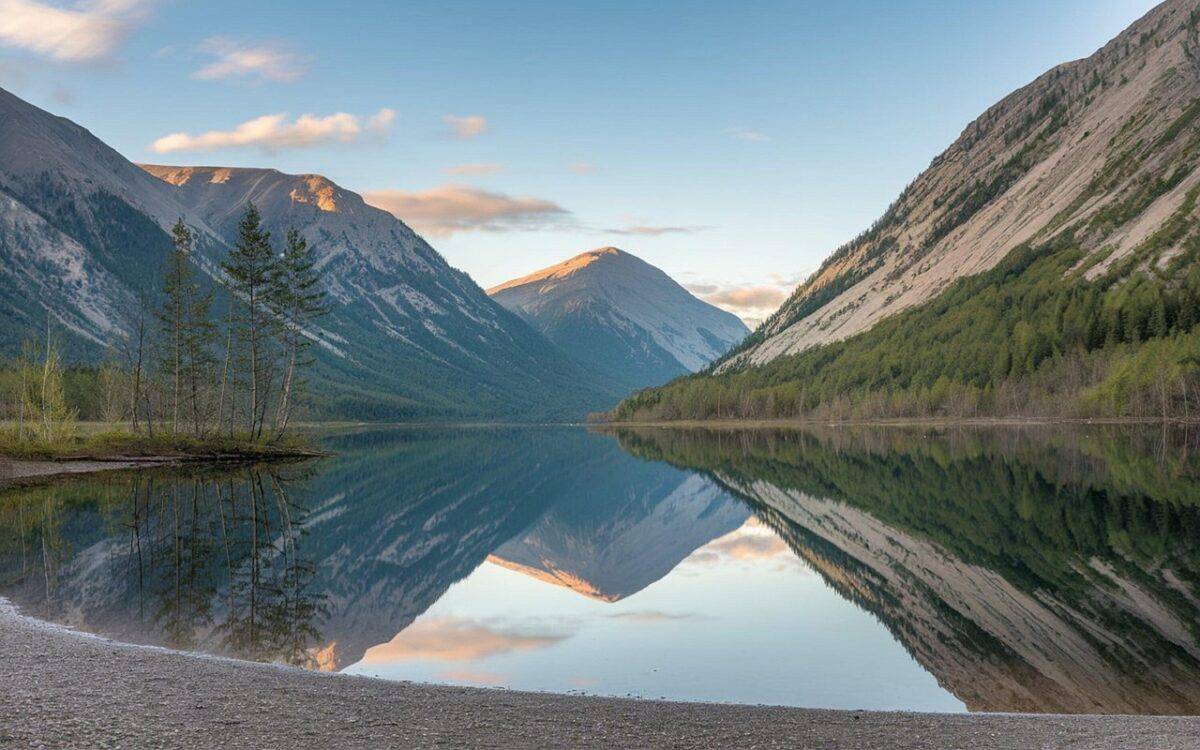
In Oregon’s Gold Rush era, Sumpter Valley was dotted with lakes and wetlands. However, rapid development and hydraulic mining practices drastically altered the landscape, leading to the loss of these water bodies.
Bois Brule Bottoms, Missouri
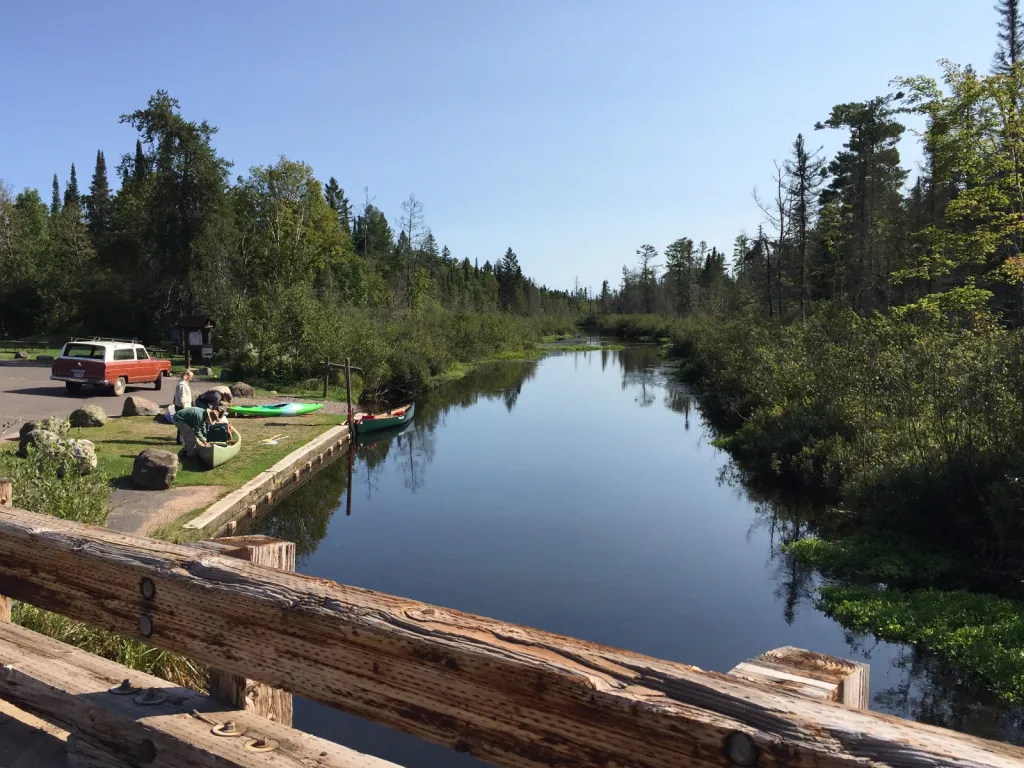
This Missouri wetland region once included numerous small lakes and ponds. Over time, agricultural development promoted drainage efforts that successfully removed these water bodies, transforming the area into farmland.
Lake Missoula, Montana

Known for its catastrophic prehistoric floods, Lake Missoula vanished as the ice dams that formed it melted away. The result was a series of massive floods that reshaped the landscape and gave birth to geological wonders such as the Channeled Scablands.
Big Lake, Nebraska

A relatively recent disappearance, Big Lake vanished in the mid-20th century mainly due to land-use changes and irrigation practices. What remains is a reminder of the intricate balance between human needs and nature’s limits.
Goose Lake, California/Oregon
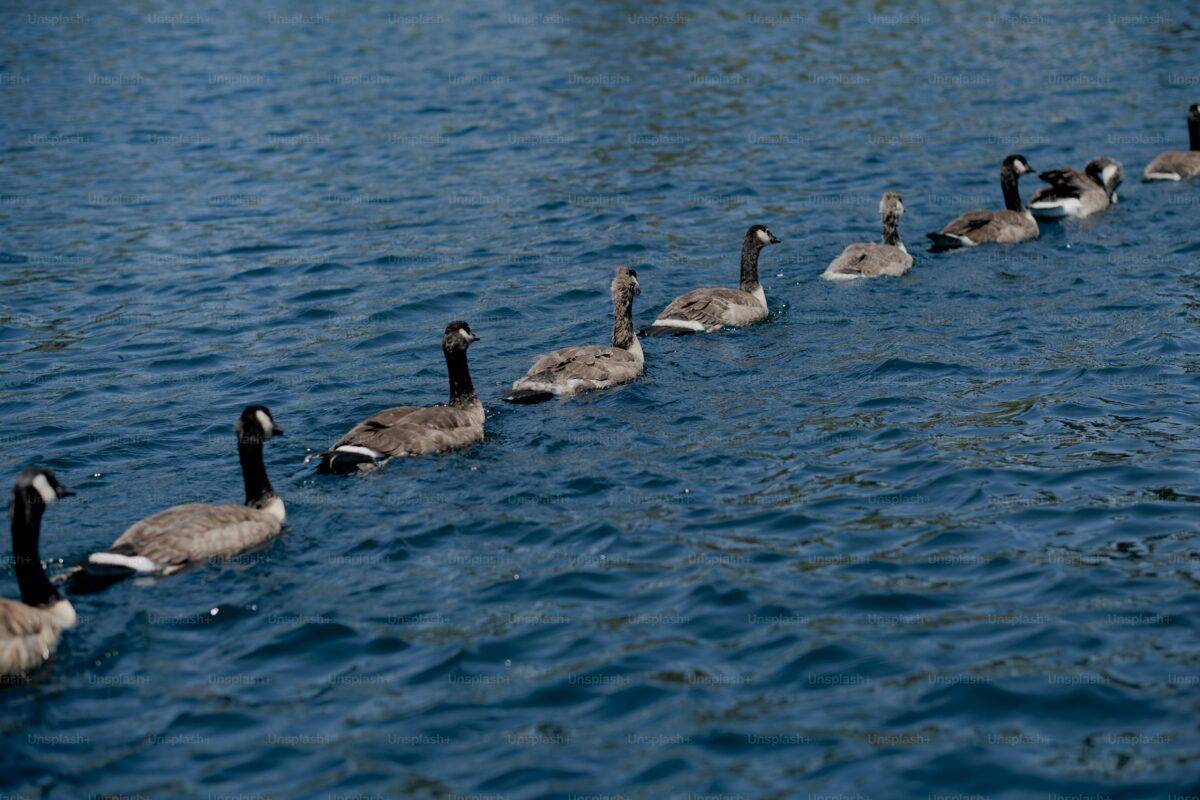
Spanning the California-Oregon border, Goose Lake fluctuates between being a full lake and a dry bed due to varying climate patterns and water use. Its intermittent disappearance serves as a critical indicator of environmental shifts in the region.
Lake Agassiz, Minnesota/North Dakota

This colossal glacial lake covered parts of what are now Minnesota and North Dakota. As the glaciers retreated, Lake Agassiz drained, leaving behind fertile soils and a legacy visible in the regional geography and hydrology.
Lake Coeur d’Alene, Idaho
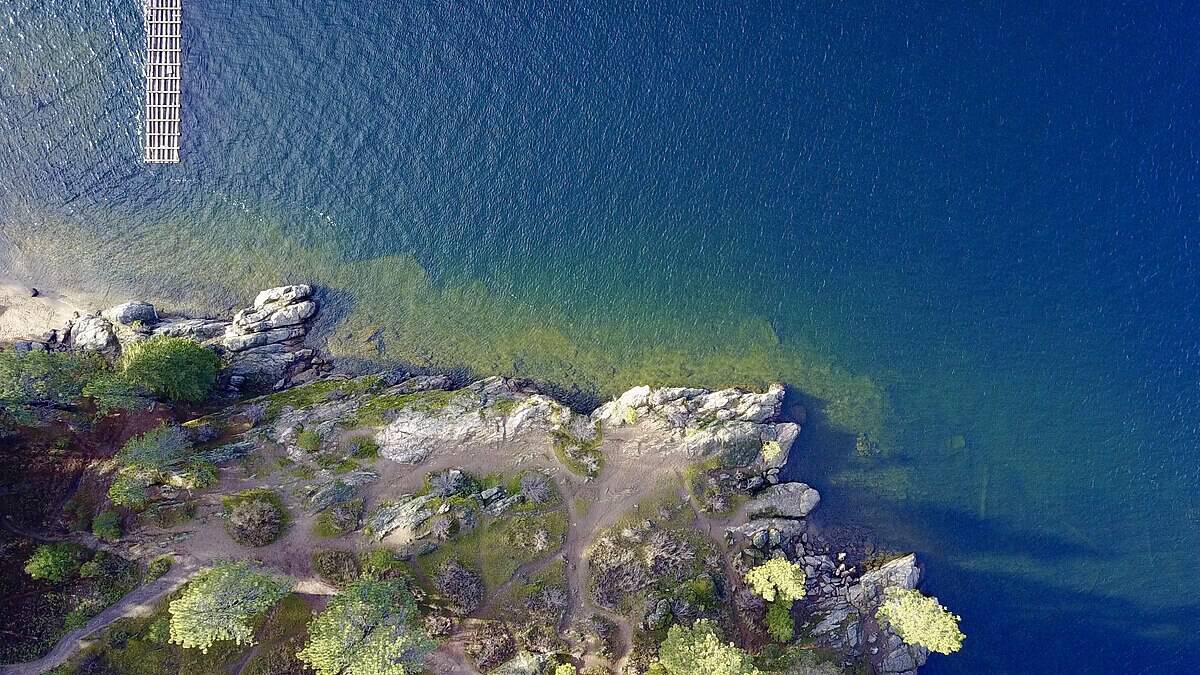
Last century, sections of Lake Coeur d’Alene vanished due to alterations in water flow and land reclamation projects. While the lake itself persists, its shifting boundaries underscore the volatile nature of human interaction with waterscapes.
Conclusion: Learning from Lost Lakes
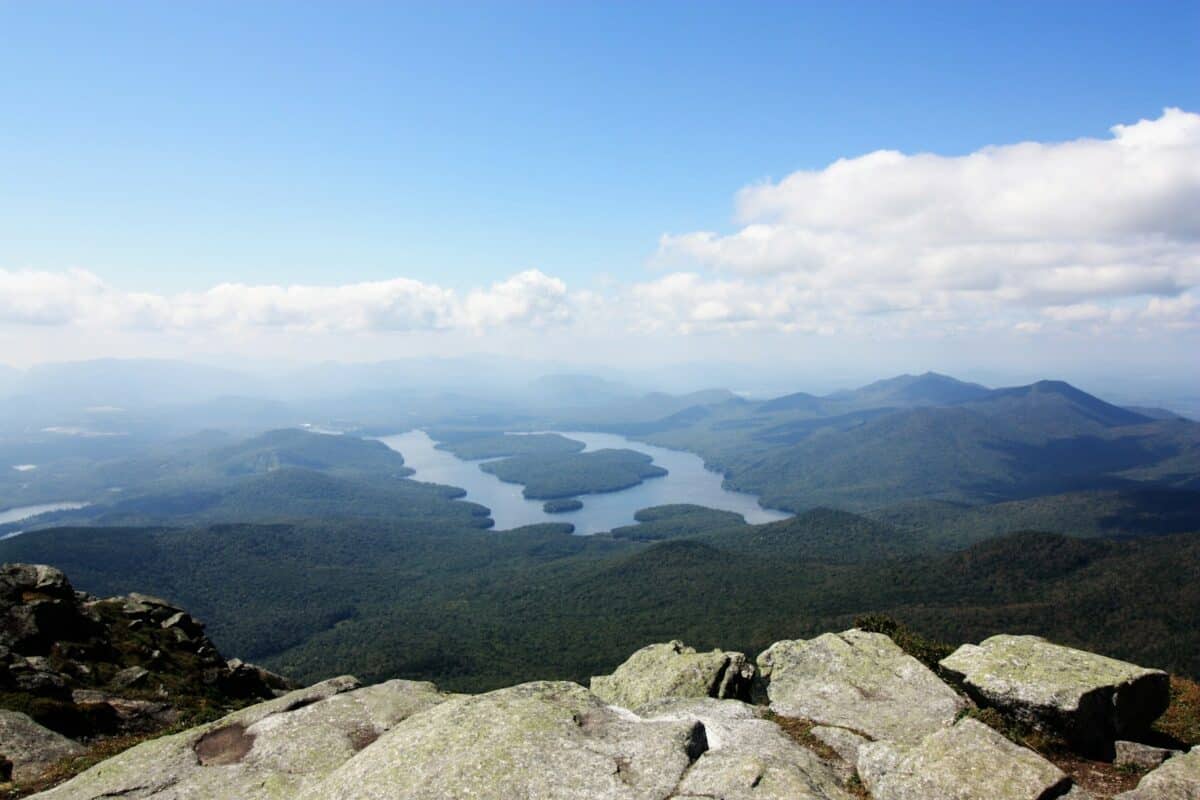
The stories of these vanished lakes offer powerful lessons about environmental stewardship. While some lakes vanished naturally, many succumbed to human-induced pressures. Recognizing the delicate balance in ecosystems, there is a clear call to action to protect and sustain our water resources for future generations.
As we reflect on these vanished lakes, it is crucial to approach our natural resources with consideration and responsibility. Only by doing so can we hope to preserve the landscapes that define and support our world.

As a little kid, I fell in love with nature, wildlife, and animals. Living in the USA, South Africa, Italy, China and Germany gave me the opportunity to discover the world's Wildlife. My favorite animals are Mountain Gorillas, Siberian Tigers, and Great White Sharks.
I'm a certified PADI Open Water Diver, went to Everest Base Camp and Trekked Gorillas in Uganda. I hold a Master of Science in Economics and Finance.
Please send any feedback to feedback@animalsaroundtheglobe.com
- 11 Supervolcanoes Lurking Beneath the Earth Surface - August 10, 2026
- 19 Bald Eagle Facts That Will Leave You in Awe - August 10, 2026
- Scientists Just Found the Deepest Sinkhole in America - August 10, 2026