

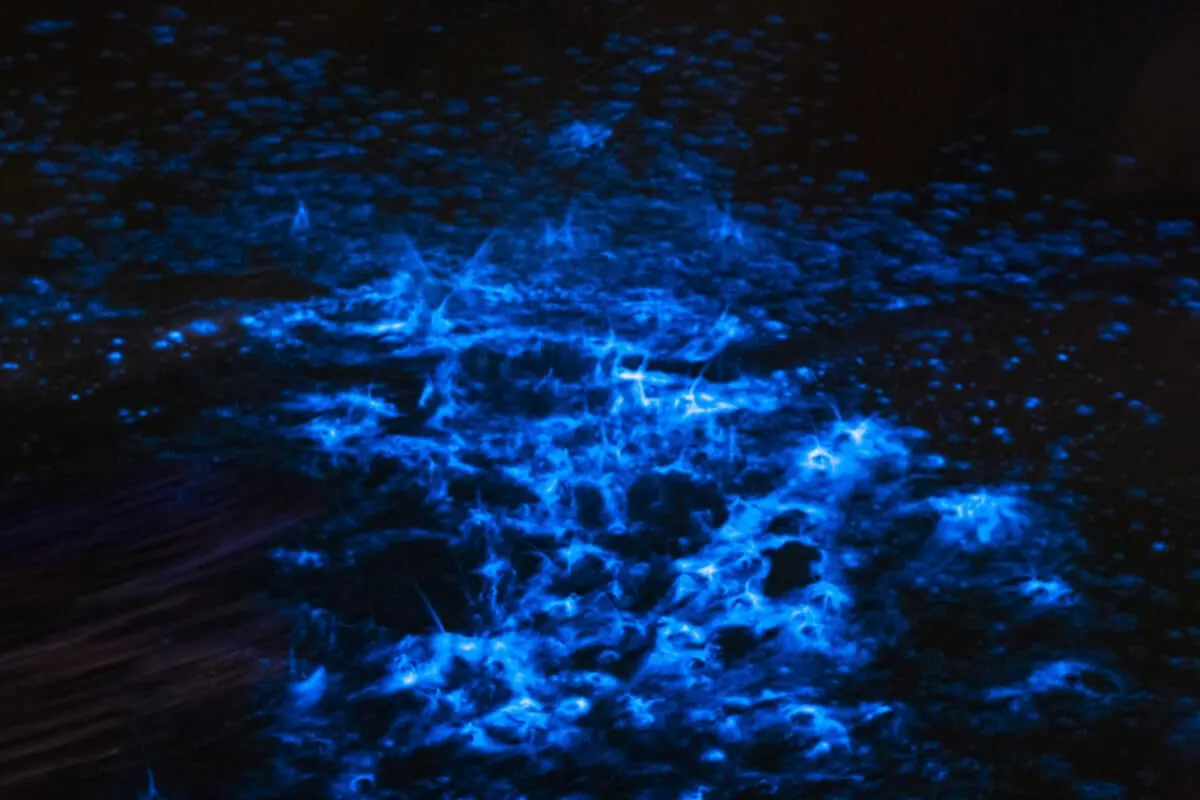
In certain regions of the United States, a walk through the woods at night might reveal an enchanting sight: a mystical blue glow emanating from the forest floor. This captivating spectacle, resembling a scene from a fantasy novel, has intrigued both scientists and nature enthusiasts. But what causes this otherworldly illumination? Let’s delve into the science and wonder behind glow-in-the-dark forests.
The Enchantment of Bioluminescence

Bioluminescence is a natural phenomenon where living organisms emit light due to biochemical reactions. This fascinating occurrence is most commonly seen in marine life, such as jellyfish and plankton. On land, however, it’s less common but no less remarkable, with some fungi being notable examples of terrestrial bioluminescence.
Meet the Foxfire Fungus
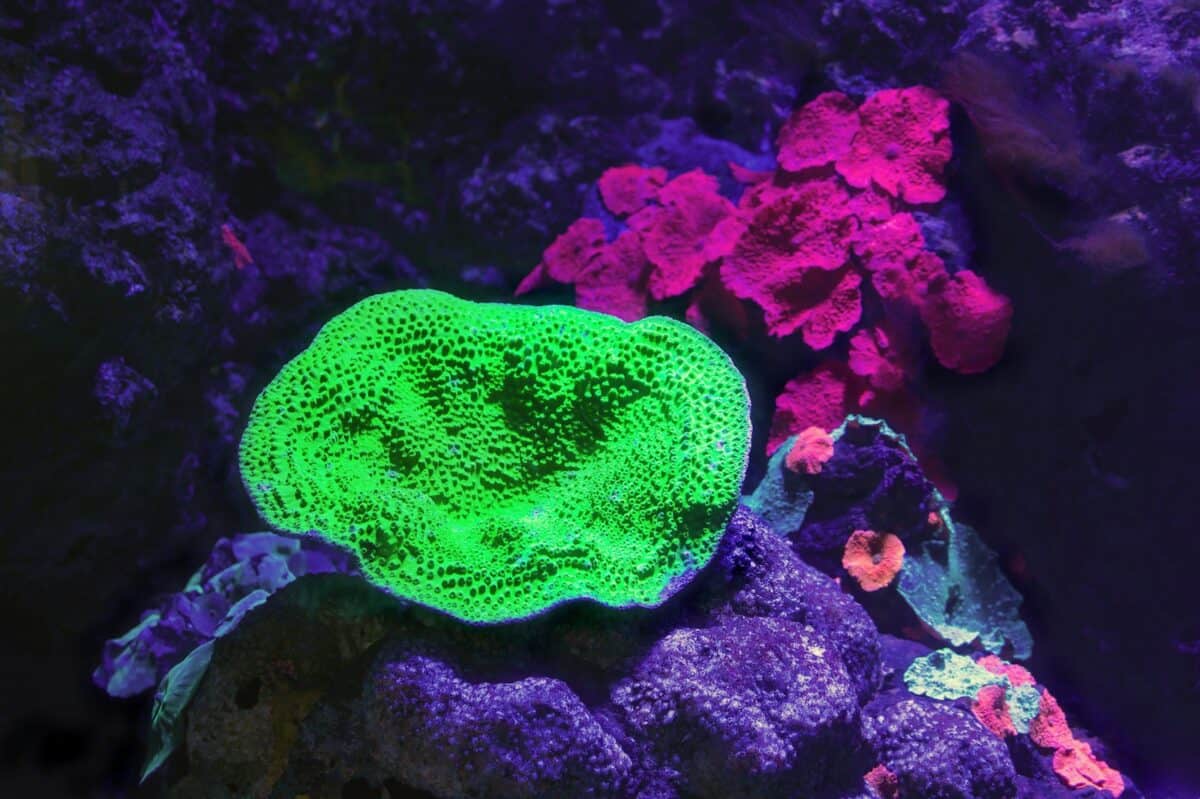
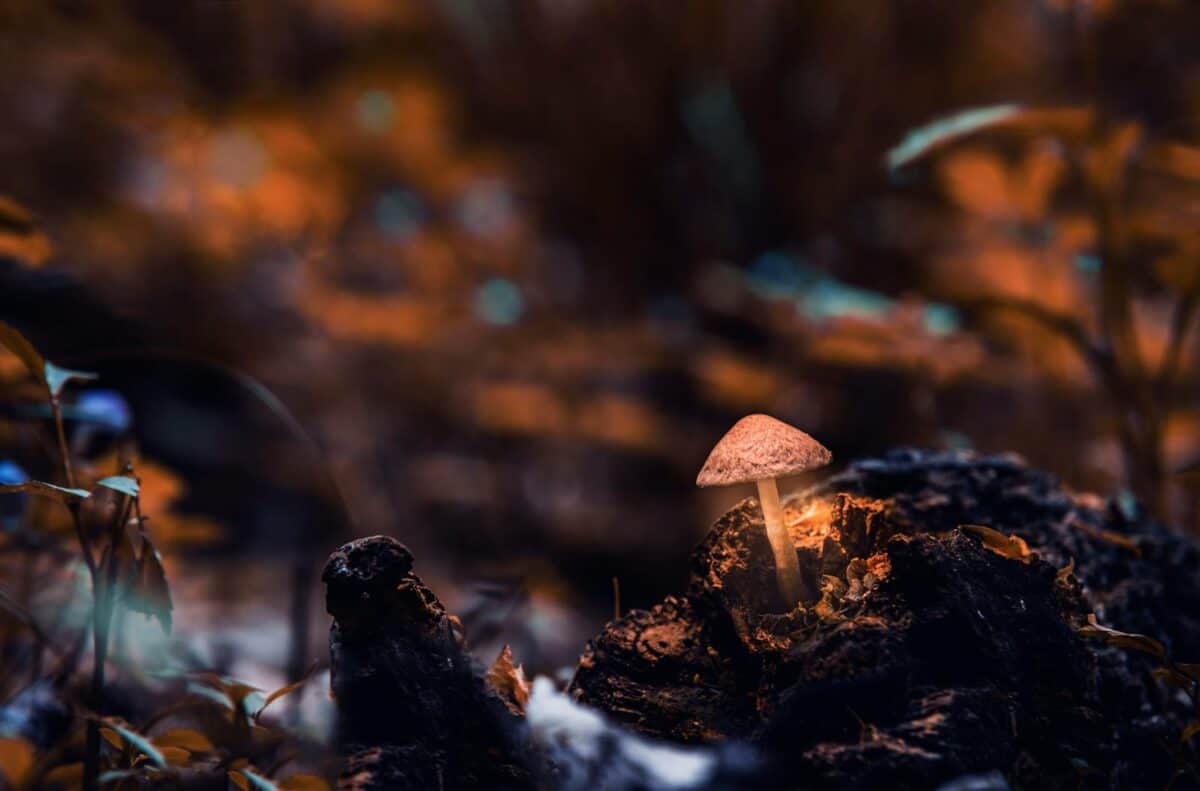
The mysterious blue glow in forests primarily comes from a group of fungi known as “foxfire” fungi. Belonging to the genus *Armillaria*, these fungi emit a soft, blue-green light, which can be seen in dark, wooded areas. They glow due to a chemical reaction involving luciferin, luciferase, and oxygen, similar to the process seen in fireflies.
Where to Find Glow-in-the-Dark Forests

These glowing fungi are primarily found in the eastern United States, especially in the Appalachian region. States like Tennessee, North Carolina, and Virginia offer the perfect damp and dark conditions that allow these fungi to thrive and put on their luminous display.
The Role of Moisture and Decay

Foxfire fungi are often discovered on decaying wood, playing a vital role in the decomposition process. These fungi help recycle nutrients back into the ecosystem, breaking down dead organic matter. Such environments, rich in moisture and decaying material, are perfect for their growth and the subsequent glowing effect.
The Science Behind the Glow

At the heart of the bioluminescent process in fungi is the molecule luciferin, which, when oxidized by the enzyme luciferase, produces light. This process is incredibly efficient, meaning almost all energy is converted into light, with little heat emitted.
Unique Communication Tool
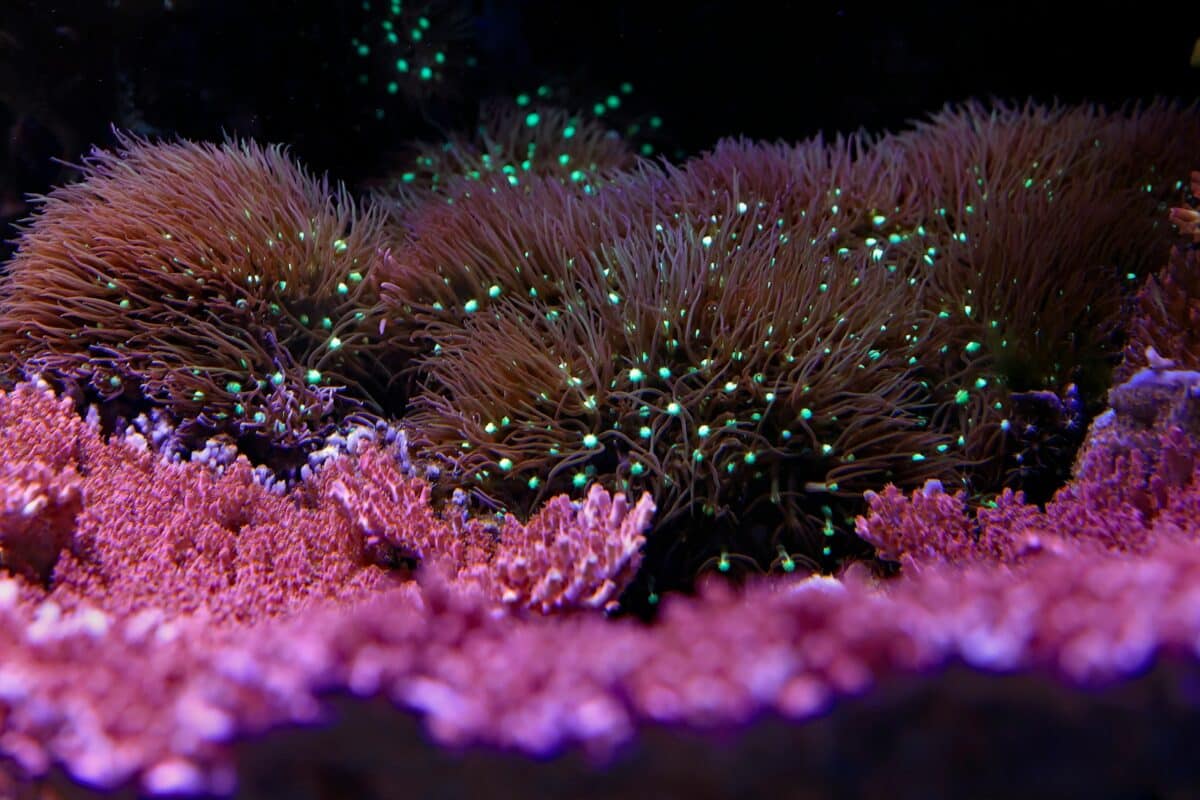
While the glow may appear to be a mere magical spectacle, it serves as an essential communication tool for fungi. The light attraction helps in luring insects that assist in spore dispersal, thus facilitating the fungal reproduction process.
Variations in Glow Intensity

The intensity of the glow can vary depending on several factors, such as the species of fungus, environmental conditions, and the stage of fungal growth. Researchers are still exploring why these variations occur and what they can tell us about the fungi’s lifecycle.
The Impact on Ecosystems
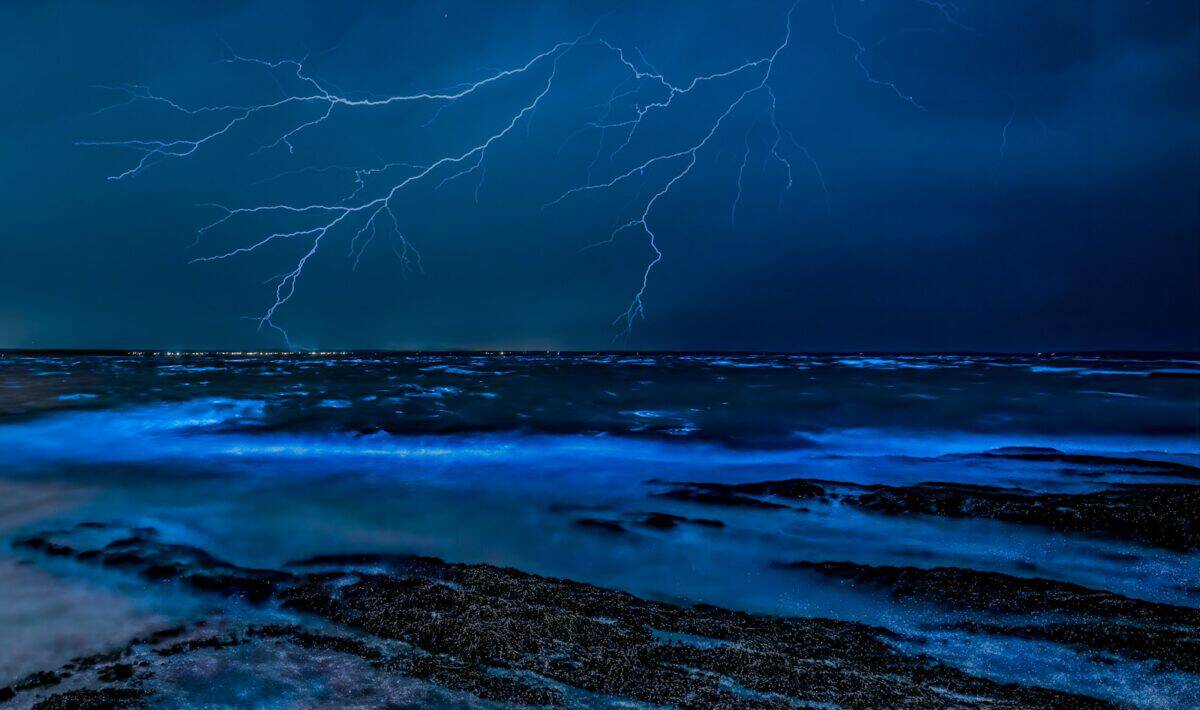
Bioluminescent fungi, while enchanting, play a critical ecological role. They contribute to nutrient cycling within forests, enabling plants and other organisms to thrive. This relationship highlights the balance inherent in forest ecosystems, where every organism has a role to play.
The Appeal of Nighttime Forest Tours

Due to the mysterious allure of glowing fungi, these forests have become a popular attraction for nighttime tours. Guided walks through glowing forests offer a safe way for people to witness the wonder of bioluminescence in person, fostering a greater appreciation for these natural phenomena.
Conservation and Preservation Efforts
As interest in these glowing fungi rises, so too does the importance of conserving their natural habitats. Efforts to preserve forest areas and their delicate ecosystems ensure that these mystical experiences remain a part of our natural world for generations to come.
Research and Discovery

Scientists continue to study bioluminescent fungi to unlock more of their secrets. Understanding how and why these organisms produce light may pave the way for innovations in bioengineering, medicine, and sustainable energy.
Embracing the Mystical Wonders of Nature

Witnessing a forest aglow with bioluminescent life can transform a simple walk in the woods into a magical journey. Such phenomena remind us of nature’s incredible capacity to surprise and delight, urging us to explore and cherish the natural world and its hidden wonders.
In conclusion, the mysterious blue glow of certain forests in the US is a testament to the wonders of bioluminescence and the rich diversity of life within forest ecosystems. Whether you’re a seasoned mycologist or simply a nature lover, the sight of a glowing forest is an unforgettable reminder of the magic inherent in the natural world.

- What We Can Learn From the Way Animals Build Homes - August 9, 2026
- Mini Pigs Are Becoming America’s Fastest-Growing Pet Trend - August 9, 2026
- Beginner’s Guide to Spotting Wolves in the Wild - August 9, 2026