

The animal kingdom is full of wonders and surprises, but one of the most fascinating aspects is the strength of various creatures’ bite forces. From the ferocious jaws of great white sharks to the powerful chomp of a lion, it’s easy to be impressed by nature’s displays of raw power. Surprisingly though, the ranking of the strongest bite force may not align with our expectations, giving us a deeper appreciation of nature’s diverse adaptations used to thrive in the wild.
The Complexity of Bite Force Measurement

Determining which creature has the strongest bite involves more than just intuition. Scientists use a plethora of techniques to measure the force exerted by an animal’s jaws. Factors such as the size of relative jaw muscles, the architecture of the jawbone, and the animal’s specific hunting or feeding behaviors all play roles in the bite strength an animal can muster. This complexity underscores the breadth of strategies life’s adapted for survival under different environmental pressures.
Why Bite Force Matters
Understanding bite force isn’t just a matter of trivia—it’s crucial for comprehending an animal’s ecological role. Apex predators, for instance, rely on strong bites to capture and quickly incapacitate prey, ensuring efficient energy conservation and predation. Herbivores, on the other hand, may utilize bite strength to tear through fibrous plant material. The ecological implications of these adaptations offers keen insights into how species interact within their ecosystems.
The Evolutionary Arms Race

Over millennia, animals have evolved a more impressive arsenal to secure food and fend off competitors, with jaws playing a central role in this evolution. The “arms race” has resulted in formidable adaptations such as reinforced skulls, sharper teeth, and more robust jaw muscles, each allowing species equipped with these tools to thrive in their niches. Its continuous evolution showcases nature’s relentless drive toward optimized survival.
The Crocodile’s Crushing Power
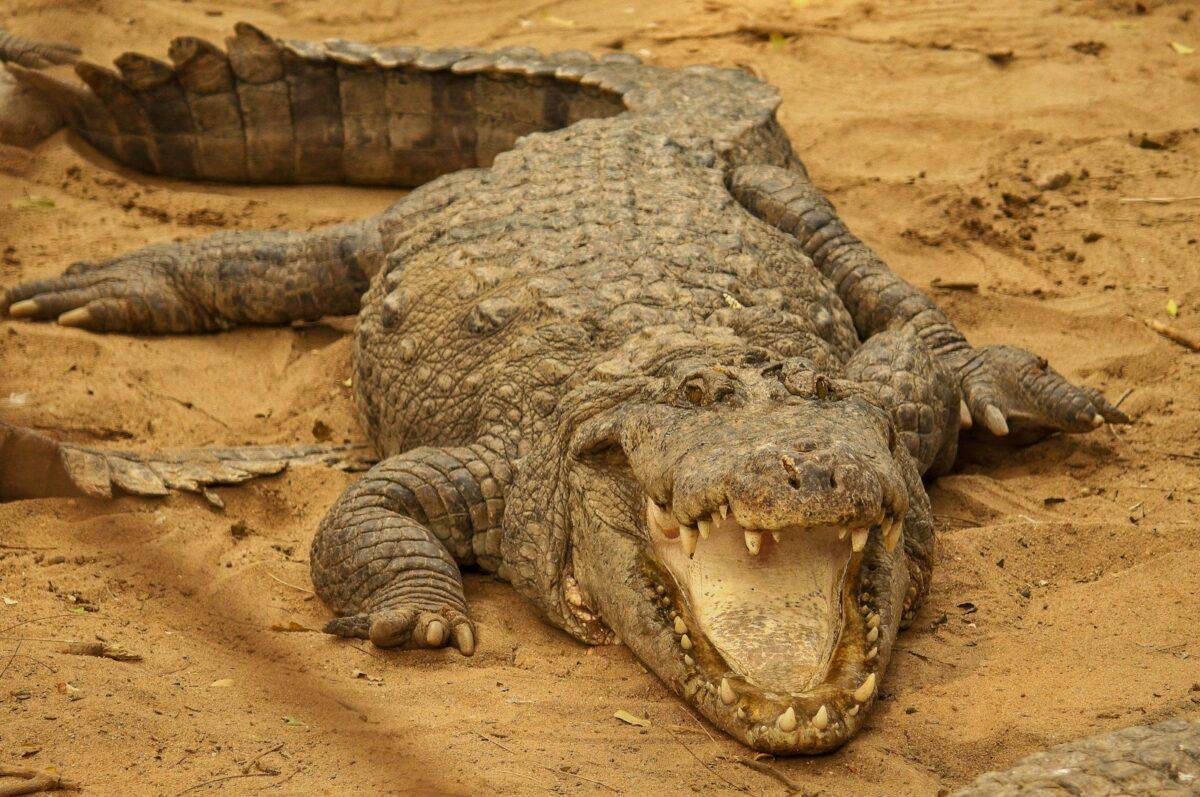
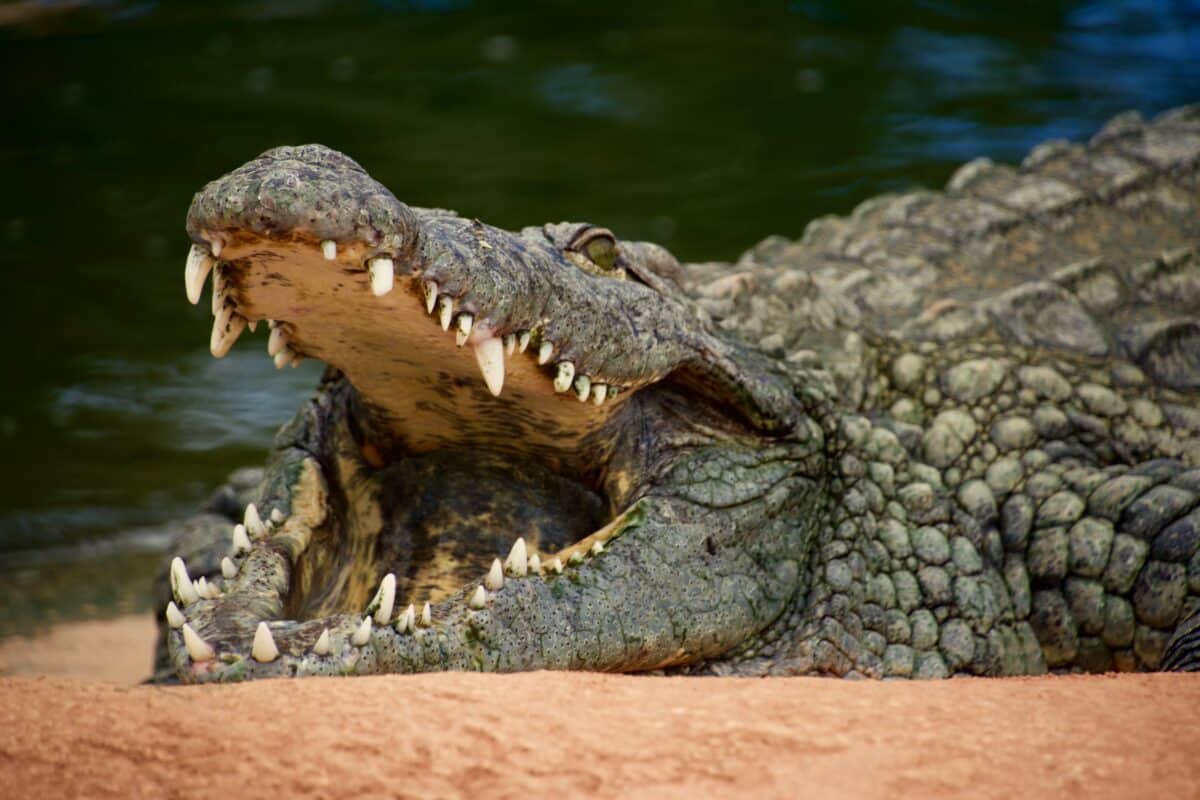
Often perceived as prime candidates for the title of having the strongest bite, crocodiles indeed boast one of the fiercest bite forces. The saltwater crocodile, specifically, can exert a force exceeding 3,700 pounds per square inch (psi). This massive pressure enables it to grasp and hold onto prey, subduing it with striking efficiency.
Comparing Mammalian Contenders
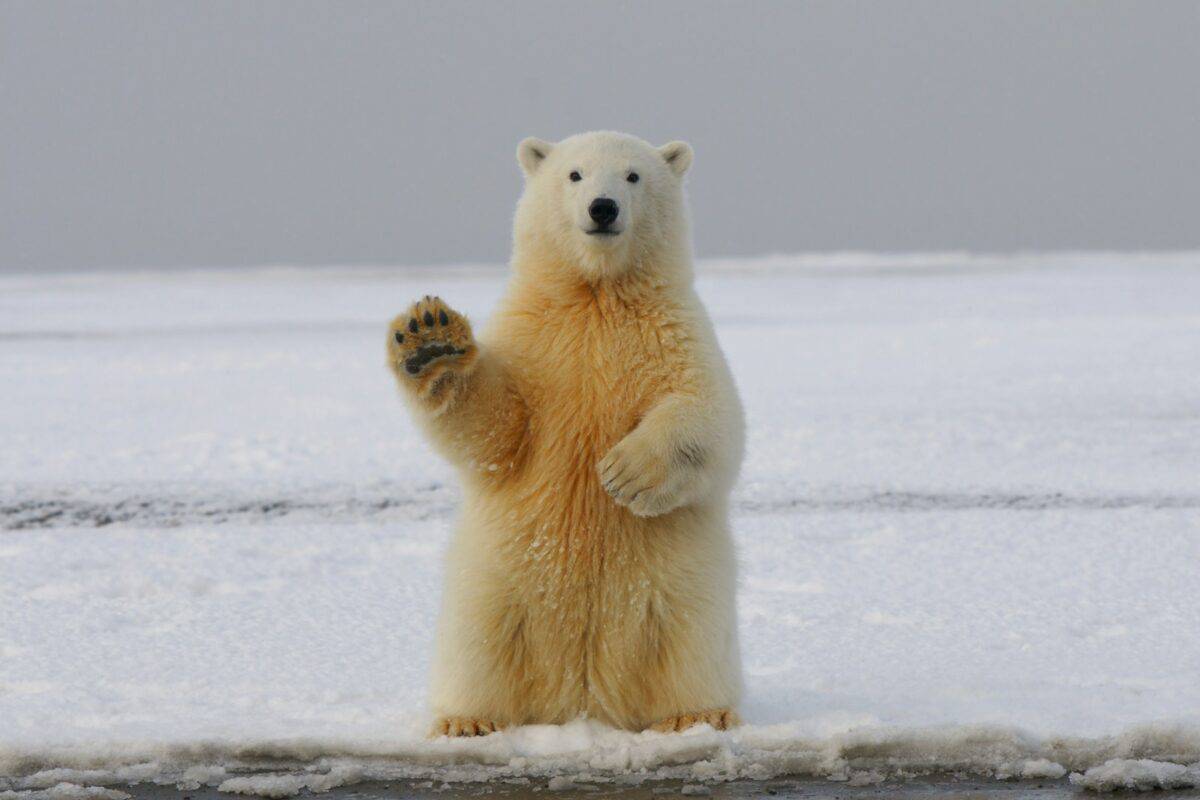
In the mammalian realm, various contenders showcase impressive bite strengths. The polar bear, capable of exerting around 1,200 psi, uses its powerful jaws to capture seals through thick ice. The notorious reputation of the hyena is also backed by a bite force of up to 1,100 psi, which it uses not only for hunting but also to crack open bones, gaining access to nutrient-rich marrow.
Unexpected Powerful Biters

While larger, apex predators seem like the obvious choice for strong bites, some surprising species pack considerable chomp pressure. For instance, the piranha, contentiously debated among scientists, has a bite force equivalent to thirty times its body weight. This might not place it at the apex of absolute strength but demonstrates a staggering force relative to its size, making it formidable in its ecosystem.
Revealing the True Bite Force Champions

The living fossil known as the bull shark deserves special mention, as it sports a bite force over 1,350 psi among sharks. Yet, in a showdown based on sheer strength, the crown for the strongest animal bite doesn’t belong to the ocean’s predators, nor to terranean threats like the jungle’s big cats; it surprisingly goes to a few members of the prehistoric past and specialized species equipped with disproportionately powerful jaws.
Enigmatic Extinct Giants

Part of what makes studying bite force exciting is unraveling the mysteries of the past. Fossil studies suggest that the mighty Tyrannosaurus rex could exert a bite force exceeding 12,800 psi, making it unsurpassed among terrestrial life. With teeth designed to crush bone and a muscular jaw structure, this ancient predator stands as a hallmark of prehistoric power.
The Mechanical Structure Behind the Bite

The mechanics facilitating such phenomenal bite force involve more than mere size. Muscle arrangement often resembles a system of pulleys and levers, enhancing force beyond the straightforward expectations of bulk. Innovations like this in evolutionary design highlight the intricate balance between form and function in the development of biting power.
Adaptations Beyond Force

While bite force is integral in many species, adaptation isn’t limited to pressure alone. Teeth specialization, such as serration in some shark species, allows for modifications that improve feeding efficiency without necessarily increasing force. Ecological pressures have driven a range of dental designs, each filling unique environmental niches.
Human Influence on Natural Bite Forces
In modern times, human activity has created unforeseen challenges for species relying on their bite force for survival. Habitat modification, climate change, and overfishing have spread rapidly, altering food sources and changing the behaviors that once sustained these powerful jawed creatures. Studies increasingly focus on these external pressures and their long-term implications.
Lessons from Nature’s Jaw Power
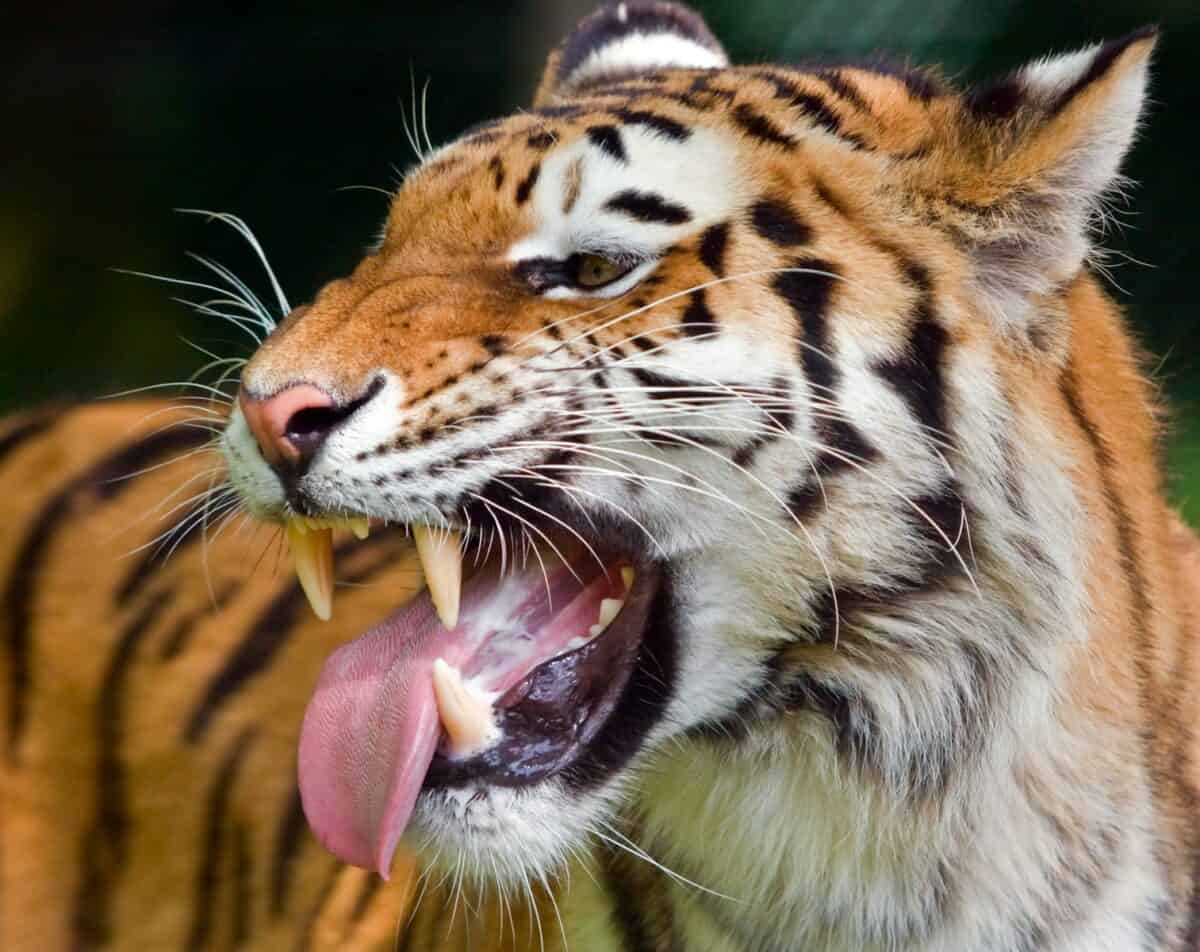
The study of bite force in the animal kingdom offers valuable lessons about adaptation, ecosystems, and evolutionary biology. It demonstrates that might doesn’t always manifest in expected forms and showcases nature’s ingenious adaptability. Understanding these dynamics enriches our appreciation of biodiversity’s intricate web and encourages mindful stewardship of the ecosystems around us.
In conclusion, the topic of bite force in the animal kingdom reveals a fascinating interplay of biology, evolution, and ecology. While the absolute champions of bite strength may surprise us, examining this aspect of nature enhances our understanding of how species thrive—and sometimes succumb—in their habitats. This perspective not only highlights nature’s awe-inspiring adaptations but reminds us of our role in preserving the diversity of life we coexist with.

- The Most Powerful Earthquake Ever Felt in the U.S. - July 19, 2026
- How Rhinoceros Males Compete for Mating Rights in the Wild - July 18, 2026
- 13 Spider Species Thriving in Changing Environments - July 18, 2026